Have you noticed small, web like lines on your legs, or perhaps larger, bulging veins that have you concerned? You’re not alone. Millions of people experience changes in their leg veins, but many don’t realize that these changes often follow a predictable pattern. Understanding the different varicose veins stages is the first step in taking control of your vein health, helping you know what to look for and when it’s time to talk to a doctor.
What Are Varicose Veins, Really?
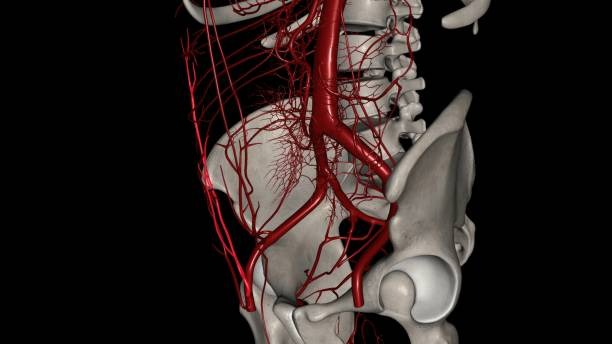
Before diving into the stages, let’s quickly cover what a varicose vein is. Think of the veins in your legs as one way streets for blood flowing back to your heart. Tiny valves inside these veins open to let blood through and then close to stop it from flowing backward. When these valves weaken or get damaged, blood can pool in the vein. This extra pressure causes the vein to stretch, twist, and bulge, creating what we see as a varicose vein. This underlying issue is called chronic venous insufficiency (CVI), and it’s the driving force behind the progression of varicose veins stages.
Understanding the Official Varicose Veins Stages (CEAP Classification)
Doctors and vein specialists use a formal system to classify the severity of venous disease. It’s called the CEAP classification, which stands for Clinical, Etiological, Anatomical, and Pathophysiological. While that sounds complicated, the “C” or Clinical part is what matters most to patients, as it describes the visible signs and symptoms. We can break this down into a simple, visual guide to the different varicose veins stages, from the earliest signs to the most advanced complications.
A Stage by Stage Visual Guide to Varicose Veins
Each stage represents a progression of chronic venous insufficiency. While not everyone will advance through all the stages, the condition can worsen over time without management or treatment. Recognizing which of the varicose veins stages you might be in is key to seeking appropriate care.
Stage 1 (CEAP C1): Spider Veins
This is the earliest and mildest of the varicose veins stages. At this point, you won’t see the large, ropy veins typically associated with the term “varicose.” Instead, you’ll notice spider veins (telangiectasias) or slightly larger reticular veins.
- What They Look Like: Spider veins are small, thin lines that can be red, purple, or blue. They often appear in a sunburst or web like pattern, just under the surface of the skin. Reticular veins are a bit larger, flatter, and blue green in color, often feeding into a cluster of spider veins.
- Common Symptoms: Most people have no physical symptoms at this stage. The primary concern is usually cosmetic. However, some individuals may experience mild aching or a feeling of heaviness in their legs, especially after a long day of standing.
Stage 2 (CEAP C2): True Bulging Varicose Veins
This is the stage most people picture when they hear “varicose veins.” Here, the veins have become visibly swollen and protrude from the skin. The faulty valves are causing more significant blood pooling, leading to these larger, more prominent veins.
- What They Look Like: These veins are larger than 3 millimeters in diameter. They often appear as thick, twisted, and ropy cords on the legs, typically blue or purplish. They can be seen on the calves, thighs, or behind the knees.
- Common Symptoms: Symptoms become much more common in this stage. You might experience aching pain, throbbing, a feeling of heaviness, muscle cramps (especially at night), itching around the veins, and general leg fatigue. These symptoms often feel worse after periods of sitting or standing and may feel better after elevating your legs.
Stage 3 (CEAP C3): Swelling (Edema)
As venous insufficiency worsens, the pressure inside the veins can become so high that fluid starts to leak out into the surrounding tissues. This leads to swelling, known medically as edema. This is a clear sign that the varicose veins stages are advancing.
- What It Looks Like: Your lower leg, ankle, or foot may look puffy and feel tight. If you press a finger into the swollen area, it might leave a temporary indentation (this is called “pitting edema”). The swelling is often worse at the end of the day and may go down overnight.
- Common Symptoms: The symptoms from Stage 2 often persist and may worsen. The swelling itself can cause a tight, heavy sensation in the legs. Your shoes might feel tighter than usual as the day goes on.
Stage 4 (CEAP C4): Skin Changes and Discoloration
Prolonged swelling and poor circulation take a toll on the skin. Stage 4 marks a significant progression in the varicose veins stages, where the skin itself begins to show signs of damage. This stage is further divided into two parts.
- Stage 4a: Pigmentation and Eczema. The skin around the ankles and lower legs may turn a reddish brown color. This happens when red blood cells leak from the pressurized veins and break down, leaving iron deposits (hemosiderin) in the skin. The skin can also become dry, red, scaly, and extremely itchy, a condition called stasis dermatitis or venous eczema.
- Stage 4b: Skin Hardening (Lipodermatosclerosis). In this more advanced part of Stage 4, the skin and underlying fat tissue become hard, thick, and leathery. The lower leg can take on an “inverted champagne bottle” shape, where the ankle area becomes tight and narrow. This is a serious sign of long term inflammation.
The skin in Stage 4 is fragile and can break open easily, creating a high risk of progressing to the next of the varicose veins stages.
Stage 5 (CEAP C5): Healed Venous Ulcer
A venous ulcer is an open sore that develops due to severe, long term venous insufficiency. Stage 5 is defined by the presence of a scar where a venous ulcer has previously healed. This indicates that the underlying vein problem is severe enough to have caused a breakdown of the skin in the past.
- What It Looks Like: You will see a patch of scarred tissue, often discolored and smooth, on the lower leg, typically near the inner ankle.
- Health Implications: A healed ulcer is a major warning sign. The skin in this area remains weak, and there is a very high risk that the ulcer will reopen and progress to the final stage. Understanding you are at this point in the varicose veins stages is critical for preventing recurrence.
Stage 6 (CEAP C6): Active Venous Ulcer
This is the most advanced and severe of the varicose veins stages. It is characterized by an active, open skin ulcer. These ulcers are often painful, slow to heal, and can become infected if not managed properly. They are a direct result of the extreme pressure and poor circulation in the leg.
- What It Looks Like: An active venous ulcer is an open, raw wound. It typically has an irregular border and a shallow base that may be covered with yellow or reddish tissue. It may also leak fluid. These ulcers most commonly form on the inner side of the ankle.
- Common Symptoms: In addition to the pain from the ulcer itself, all the symptoms from the earlier varicose veins stages aching, heaviness, and swelling are usually present and often severe. Immediate medical care from a vein specialist is necessary at this stage.
| Stage | CEAP Class | Key Visual Signs | Common Symptoms |
|---|---|---|---|
| Stage 1 | C1 | Spider veins (web like) or reticular veins (blue green). | Usually none, or mild aching. |
| Stage 2 | C2 | Visible, bulging, ropy varicose veins. | Aching, heaviness, throbbing, itching, cramps. |
| Stage 3 | C3 | Swelling (edema) in the ankle or lower leg. | Tightness, heaviness; worsening of Stage 2 symptoms. |
| Stage 4 | C4 | Skin discoloration (reddish brown), hardening, or eczema. | Severe itching, pain, skin tightness. |
| Stage 5 | C5 | Scar tissue from a previously healed ulcer. | Ongoing symptoms of underlying venous disease. |
| Stage 6 | C6 | An active, open skin ulcer. | Pain, fluid leakage, and severe symptoms from all prior stages. |
What Causes Varicose Veins to Progress?
Not everyone with spider veins will develop a leg ulcer. So what makes the condition move through the different varicose veins stages? Several factors can increase your risk and speed up the progression:
- Genetics: If your parents had varicose veins, you’re more likely to get them.
- Age: The valves in our veins can wear down over time.
- Gender: Women are more prone to varicose veins due to hormonal changes from puberty, pregnancy, and menopause.
- Pregnancy: Increased blood volume and pressure from the growing uterus can strain leg veins.
- Obesity: Extra weight puts more pressure on your veins.
- Lifestyle: Jobs or habits that involve long periods of sitting or standing can hinder proper blood flow.
When Should You See a Doctor About Your Varicose Veins?
It’s a common misconception that you only need to see a doctor at the later varicose veins stages. The best time to seek advice is when your veins first start to bother you, whether physically or cosmetically. You should make an appointment with a healthcare provider or vein specialist if you experience:
- Pain, aching, or throbbing in your legs.
- Persistent swelling, especially in one leg.
- Changes in the color or texture of your skin.
- Veins that are tender to the touch, red, or warm.
- Bleeding from a varicose vein.
- A sore or ulcer that won’t heal.
Early diagnosis and treatment can relieve symptoms and, more importantly, help prevent the progression to more serious varicose veins stages. Modern treatments are minimally invasive and highly effective.
Frequently Asked Questions About Varicose Veins Stages
Can you reverse the stages of varicose veins?
While you cannot completely reverse the existing vein damage without medical treatment, you can take steps to manage symptoms and slow down the progression. Lifestyle changes like exercise, weight management, and wearing compression stockings can help. Medical treatments can close off or remove the damaged veins, effectively treating the issue and preventing advancement to later varicose veins stages.
Do varicose veins always get worse?
Varicose veins are a progressive condition, meaning they do tend to worsen over time without intervention. The rate of progression varies greatly from person to person. For some, it may take many years to move from one stage to the next, while for others, the progression can be faster.
What is the difference between spider veins and varicose veins?
This is a key distinction in the early varicose veins stages. Spider veins (Stage 1) are small, superficial, and rarely cause physical symptoms. Varicose veins (Stage 2 and beyond) are larger, bulging veins caused by more significant valve failure and are much more likely to cause symptoms like pain and swelling.
Can I prevent my varicose veins from progressing to later stages?
Yes, proactive management is very effective. Regular exercise (especially walking), maintaining a healthy weight, elevating your legs when resting, and wearing physician recommended compression stockings are all proven ways to improve circulation and slow the advancement of the varicose veins stages.
Conclusion
The varicose veins stages provide a clear map of how venous disease can progress, from the cosmetic issue of spider veins to the serious health concern of a venous ulcer. By understanding what each stage looks and feels like, you are better equipped to monitor your own vein health. Remember, the appearance of bulging veins, persistent swelling, or skin changes are signals from your body that your circulation is struggling. Listening to these signals and consulting a healthcare professional early can help you manage symptoms, improve your quality of life, and prevent the complications of the more advanced varicose veins stages.