If your dentist has mentioned that you need a dental bone graft, your mind might be filled with questions and a bit of apprehension. It sounds complex, but it’s a common and highly successful procedure that acts as a crucial first step for many people looking to restore their smiles with dental implants. Think of it as building a strong foundation before putting up a beautiful house. The bone graft ensures your jaw is solid enough to support new teeth for years to come.
What Is a Dental Bone Graft and Why Is It Necessary?
A dental bone graft is a surgical procedure performed to rebuild or add bone to the jaw where it has been lost or is insufficient. Your jawbone needs a certain height and width to provide stable support for your teeth. When a tooth is lost, the bone that once held it in place begins to shrink away in a process called resorption. This can happen surprisingly quickly.
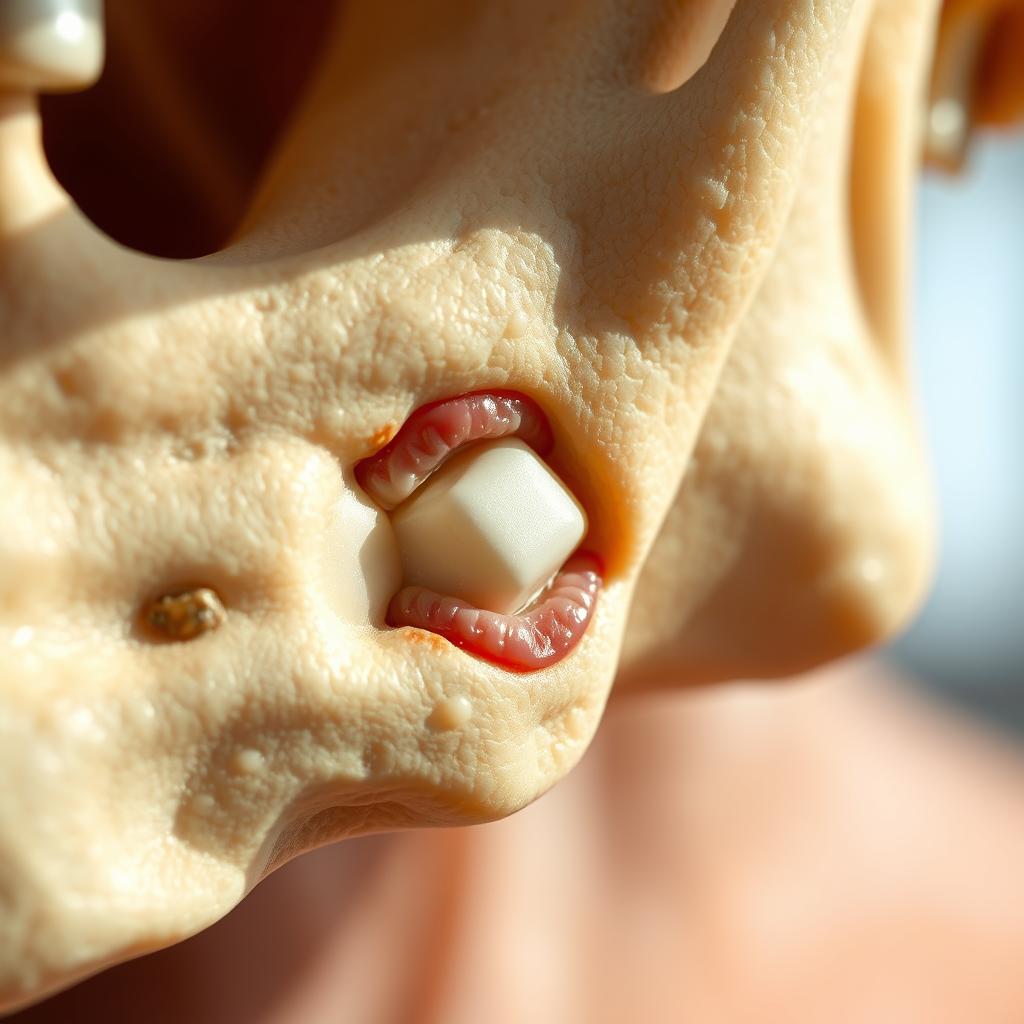
The primary goal of a dental bone graft is to create a solid base, most often for the placement of a dental implant. Implants are titanium posts that fuse with your jawbone to act like artificial tooth roots. Without enough bone, an implant has nothing to anchor into, making the procedure impossible or likely to fail. A graft provides the necessary material to regenerate lost bone and create a secure site for the future implant.
There are several common reasons why you might need this procedure:
- Dental Implants: This is the most frequent reason for a dental bone graft. Many patients who have had a missing tooth for months or years require a graft to prepare the site for an implant.
- Socket Preservation: Sometimes, a graft is placed into the empty socket immediately after a tooth is extracted. This preventative step keeps the surrounding bone from collapsing, which makes a future implant procedure much simpler.
- Severe Gum Disease: Advanced gum disease, or periodontitis, can destroy the bone that supports your teeth. A dental bone graft can help restore some of this bone, potentially saving loose teeth or preparing the area for restoration.
- Injury or Trauma: An injury to the face or jaw can result in significant bone loss that needs to be repaired.
The Different Types of Dental Bone Graft Materials
When you hear the term “bone graft,” you might wonder where the new bone comes from. Dentists have several safe and effective options, and the choice depends on your specific situation. The material used acts as a scaffold, encouraging your own body to grow new, natural bone cells around it until the area is fully restored.
Here are the four main types of materials used for a dental bone graft:
Autograft: Your Own Bone
An autograft involves using bone taken from another part of your own body. Common donor sites include the chin, the back of the jaw, or even the hip or tibia. Because the material is your own, it has a very high success rate and is often considered the gold standard for bone grafting. However, it does require a second surgical site to harvest the bone.
Allograft: Donated Human Bone
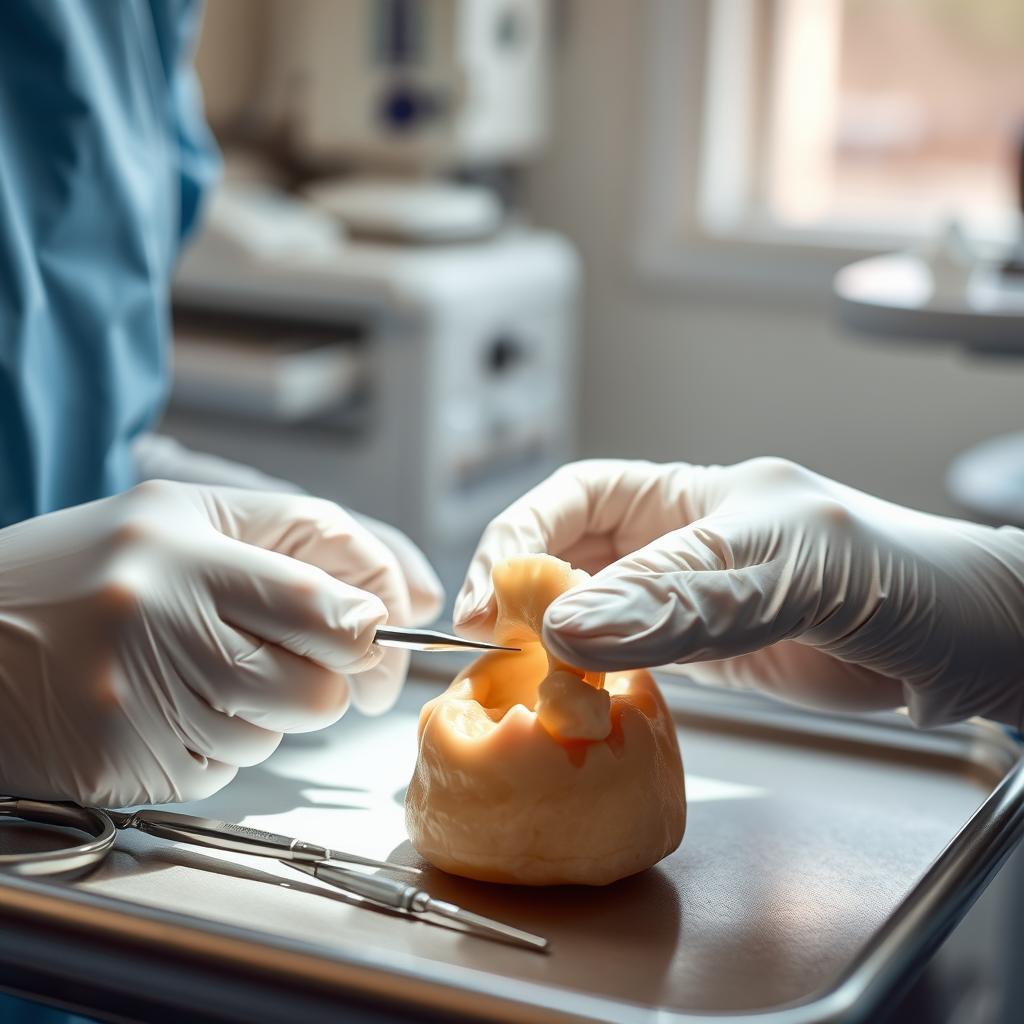
An allograft uses bone from a human donor that has been sourced from a certified tissue bank. This bone is rigorously screened, sterilized, and processed to remove all living cells, leaving only the mineral framework. This eliminates the need for a second surgical site and is a very common and safe option for a dental bone graft.
Xenograft: Animal Source
A xenograft involves using bone from an animal source, most commonly a cow (bovine). Similar to an allograft, this bone is thoroughly processed and sterilized to make it biocompatible and safe for human use. The mineral structure of bovine bone is very similar to human bone, making it an excellent scaffold for new bone growth.
Alloplast: Synthetic Materials
Alloplasts are synthetic, man made materials, often composed of calcium phosphates or other biocompatible substances. These materials act as a framework that the body can build new bone on. Over time, the synthetic material is safely absorbed by the body and replaced with your own natural bone. This type of dental bone graft avoids the need for any human or animal donor tissue.
| Graft Type | Source | Primary Advantage | Consideration |
|---|---|---|---|
| Autograft | Your own body (e.g., chin, hip) | Highest success rate; contains living cells. | Requires a second surgical site. |
| Allograft | Human donor (tissue bank) | No second surgical site needed; readily available. | Highly processed to remove cellular material. |
| Xenograft | Animal source (e.g., cow) | Abundant supply; acts as an excellent scaffold. | From a non human source. |
| Alloplast | Synthetic materials | No donor required; zero risk of disease transmission. | May have a different healing rate than natural bone. |
The Dental Bone Graft Procedure: A Step by Step Guide
Understanding what will happen during your appointment can greatly reduce any anxiety. The process for a dental bone graft is straightforward and typically performed right in your dentist’s or specialist’s office.
The Initial Consultation
Before the procedure, you will have a thorough consultation. Your dentist will take X rays or a 3D CBCT scan to assess the extent of your bone loss and determine the exact amount of grafting material needed. This is your opportunity to ask any questions you have about the dental bone graft process.
During the Procedure
Your comfort is the top priority. The area will be completely numbed with local anesthesia, so you will not feel any pain during the surgery. If you are particularly anxious, sedation options may be available.
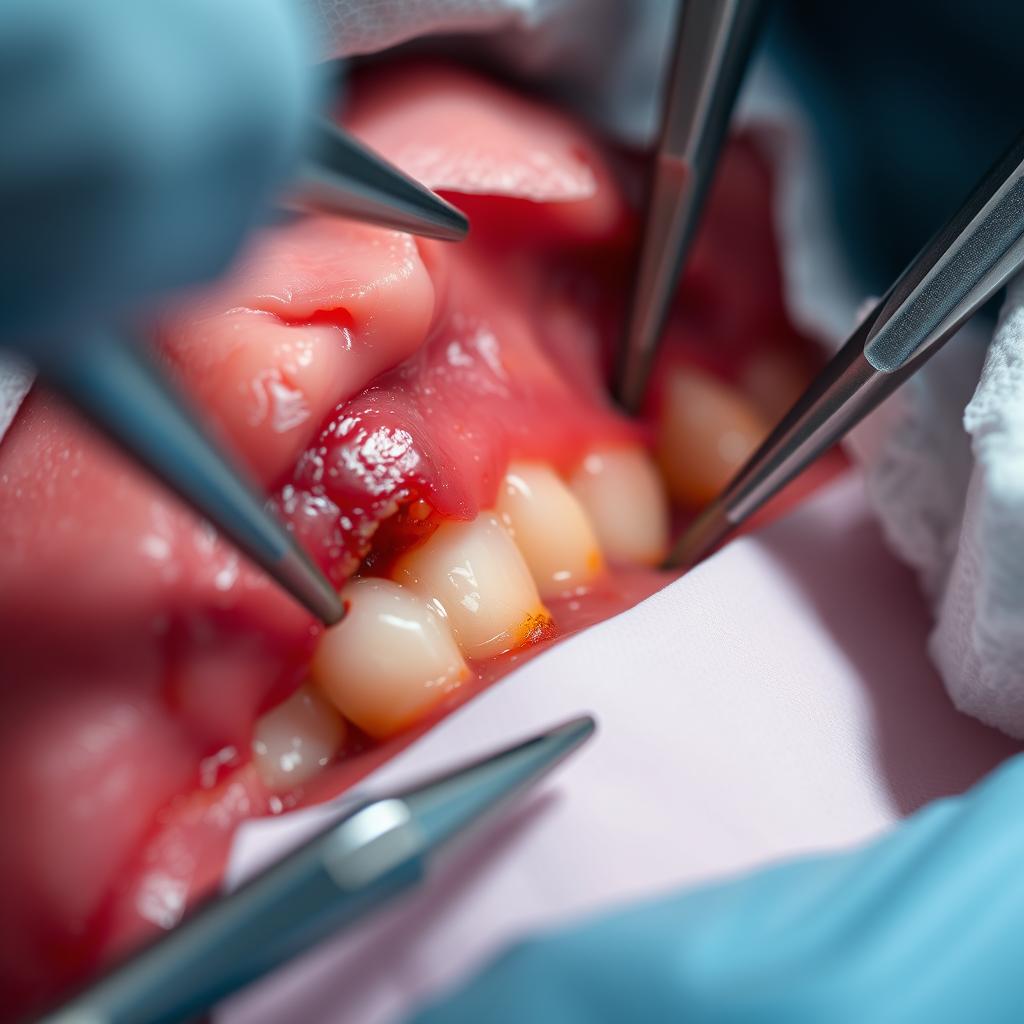
Once you are numb, the dentist or surgeon will make a small incision in your gum tissue to expose the jawbone underneath. They will then place the prepared bone grafting material into the area where the bone is deficient. In many cases, a special dissolvable membrane is placed over the graft. This acts as a protective barrier, keeping the gum tissue out and allowing the bone cells to do their work undisturbed.
Finally, the gum tissue is repositioned, and the incision is closed with small stitches. The entire dental bone graft procedure usually takes about 60 to 90 minutes, depending on the complexity of your case.
Recovery and Aftercare: What to Expect
Proper aftercare is essential for a successful dental bone graft. Your body needs time to heal and integrate the new material. Following your dentist’s instructions carefully will promote faster healing and prevent complications.
The First 24 48 Hours
You can expect some minor bleeding, swelling, and discomfort after the anesthesia wears off. This is a normal part of the healing process. Your dentist will likely recommend over the counter pain relievers like ibuprofen. Applying an ice pack to the outside of your cheek for 15 minute intervals can help manage swelling.
The First Week
You will need to stick to a diet of soft foods like yogurt, mashed potatoes, smoothies, and soup. Avoid hard, crunchy, or spicy foods that could irritate the surgical site. It is also important not to spit, suck through a straw, or smoke, as these actions can dislodge the blood clot that is crucial for healing. Your dentist may provide a special antiseptic mouthwash to keep the area clean, as you should avoid brushing the site directly for the first few days.
Long Term Healing
While the initial discomfort subsides within a week or two, the real work is happening beneath the gums. The complete integration of the graft where your body replaces the graft material with your own new bone can take anywhere from 3 to 9 months. This healing period is critical. Rushing to place a dental implant before the dental bone graft has fully healed can lead to implant failure. Your dentist will monitor your progress with follow up appointments and X rays.
How Much Does a Dental Bone Graft Cost?
The cost of a dental bone graft can vary significantly based on several factors. It is important to get a detailed cost estimate from your dental provider before proceeding. As of 2025, the cost for a dental bone graft in the United States typically ranges from $400 to $3,500 per site.
Factors that influence the final price include:
- The type of graft material: Autografts that require a second surgical site can be more expensive than using pre packaged allograft or xenograft materials.
- The complexity of the procedure: A simple socket preservation after an extraction will cost less than a major ridge augmentation that requires a large amount of bone.
- Your geographic location: Dental costs can differ based on the cost of living in your area.
- Dental insurance: Some dental insurance plans cover a portion of a dental bone graft, especially if it is deemed medically necessary. Check with your provider to understand your specific benefits.
Potential Risks and Complications
A dental bone graft is considered a very safe and predictable procedure with a high success rate. However, like any surgery, it is not without potential risks. The most common issue is graft failure, where the body does not properly integrate the new bone material.
Signs of a problem can include:
- Pain or swelling that worsens after the first few days.
- Pus or drainage from the surgical site.
- The feeling of graft granules coming loose in your mouth.
- Gum recession around the grafted area.
Infection is another risk, though it can be minimized by following post operative care instructions and maintaining good oral hygiene. In the rare event that a dental bone graft fails, the procedure can often be repeated after a healing period.
Frequently Asked Questions About Dental Bone Grafts
Here are answers to some of the most common questions patients have about this procedure.
Is a dental bone graft painful?
The procedure itself is not painful because you will be fully numb with local anesthesia. You can expect some soreness and discomfort for a few days afterward, but this is usually well managed with standard pain medication. Most people report that the recovery is less uncomfortable than a tooth extraction.
How long does the procedure take?
Most dental bone graft procedures are completed in 60 to 90 minutes. More complex cases that require a larger amount of bone or a sinus lift may take longer.
When can I get my dental implant after the graft?
This depends entirely on your individual healing process. On average, you must wait between 4 to 6 months after the dental bone graft for your new bone to be strong enough to support an implant. Your dentist will determine the right time based on follow up imaging.
What are the signs of a failed dental bone graft?
A successful graft should result in decreasing pain and swelling after the first few days. Signs of failure include persistent or worsening pain, significant swelling that does not go down, drainage from the site, or a large volume of graft material becoming dislodged. If you experience any of these symptoms, contact your dentist right away.
Can I eat normally after the procedure?
You will need to eat soft foods for at least the first week. It is important to avoid chewing directly on the graft site until it has had time to heal. Your dentist will let you know when you can gradually reintroduce harder foods into your diet.
Conclusion
A dental bone graft may sound intimidating, but it is a routine and essential procedure that has helped millions of people successfully restore their smiles. By rebuilding the jawbone, it creates the solid, healthy foundation required for long lasting dental implants and other restorative solutions. While the process requires a healing period, the result is a stronger jaw and the ability to move forward with permanent tooth replacement. If you need a dental bone graft, speak with your dentist about the best approach for your specific needs to get you back on the path to a healthy, confident smile.