
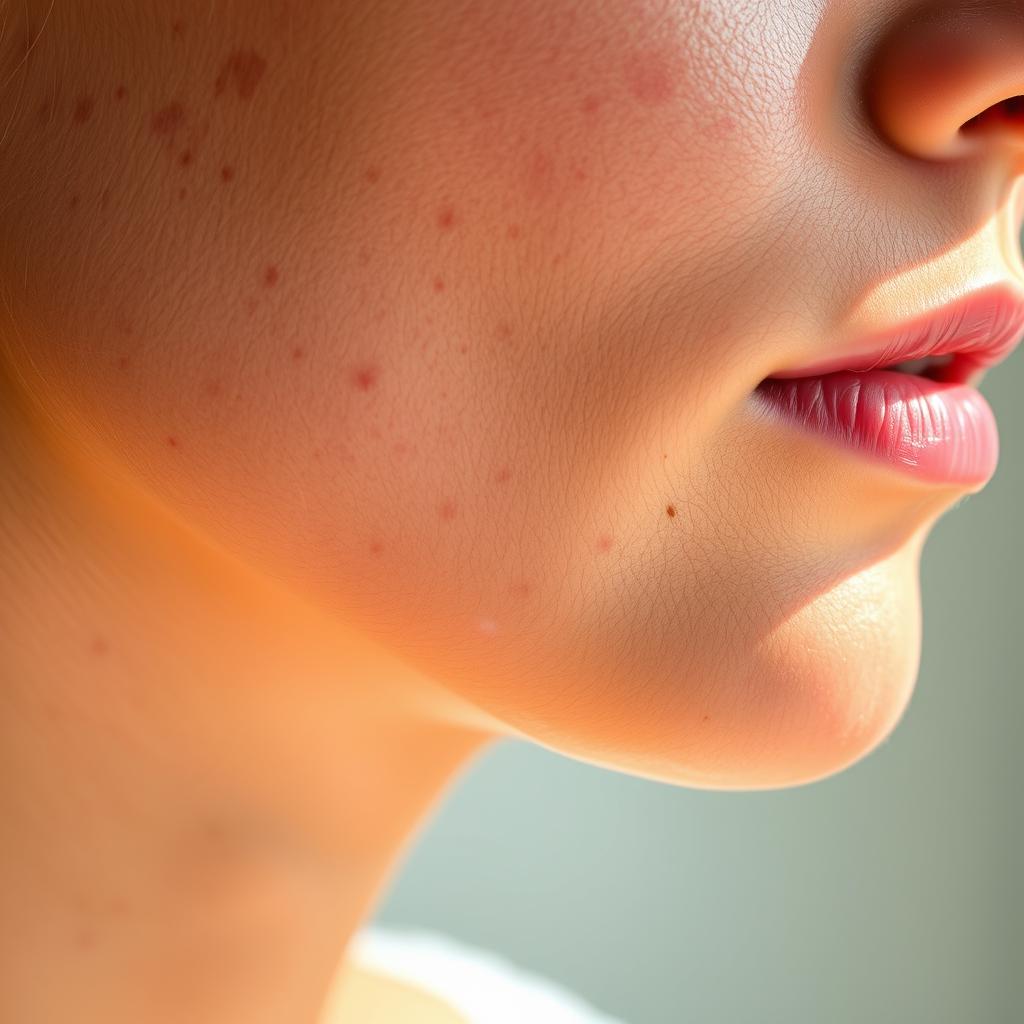
Have you been fighting stubborn, tiny bumps on your forehead, chest, or back that just won’t go away, no matter what acne treatment you try? You might be cleansing, exfoliating, and applying spot treatments without seeing any results. If this sounds familiar, you’re not alone, and you might not be dealing with regular acne at all. The culprit could be a common but often misunderstood condition known as fungal acne.
What is Fungal Acne, Really?
First things first, let’s clear up the biggest misconception: fungal acne isn’t actually acne. Its official medical name is Malassezia folliculitis or Pityrosporum folliculitis. While it looks like traditional acne (acne vulgaris), its cause is completely different. It’s not caused by bacteria trapped in your pores, but rather by an overgrowth of yeast, a type of fungus called Malassezia.
This yeast naturally lives on everyone’s skin and is usually harmless. It’s part of your skin’s normal microbiome. However, under certain conditions, this yeast can multiply out of control, invading the hair follicles and causing inflammation and small, pimple like bumps. Think of it like a garden where a single type of weed suddenly starts growing so fast that it takes over, causing problems where there were none before. That’s essentially what happens on your skin during a fungal acne flare up.
Fungal Acne vs. Bacterial Acne: How to Tell the Difference
Identifying fungal acne correctly is the most important step toward treating it. Using standard acne treatments like benzoyl peroxide on fungal breakouts can sometimes make them even worse. So, how can you spot the difference between this yeasty impostor and its bacterial cousin? The key is to look for distinct characteristics.
One of the biggest giveaways is the itch. While bacterial acne can be sore and painful, fungal acne is frequently very itchy. The bumps also tend to be very uniform in size almost all look like tiny, 1 2 millimeter red bumps or whiteheads, often appearing in clusters on the forehead, chest, back, and upper arms. Bacterial acne, on the other hand, usually presents a variety of lesion types, including blackheads, whiteheads, papules, and painful cysts of different sizes.
Here’s a simple table to help you distinguish between the two:
| Feature | Fungal Acne (Malassezia Folliculitis) | Bacterial Acne (Acne Vulgaris) |
|---|---|---|
| Main Cause | Overgrowth of Malassezia yeast | Bacteria (P. acnes), oil, and dead skin cells |
| Appearance | Small, uniform red bumps or pustules (monomorphic) | Varied sizes: blackheads, whiteheads, papules, cysts |
| Feeling | Often very itchy (pruritic) | Can be painful, tender, or inflamed |
| Common Locations | Forehead (“T zone”), chest, back, upper arms, shoulders | Face (cheeks, jawline), neck, chest, back |
| Response to Treatment | Responds to antifungal treatments | Responds to antibacterials (like benzoyl peroxide) and retinoids |
What Causes Fungal Acne Flare Ups?
Since the Malassezia yeast is already on our skin, what makes it suddenly go into overdrive? An imbalance in your skin’s ecosystem is usually the trigger. Understanding these triggers is key to preventing future breakouts of fungal acne.
- Sweat and Humidity: Yeast thrives in warm, moist environments. This is why fungal acne is more common in hot climates and often gets worse after a sweaty workout.
- Tight Clothing: Wearing non breathable fabrics like nylon or polyester can trap sweat and heat against your skin, creating the perfect breeding ground for yeast.
- Antibiotics: Broad spectrum antibiotics, whether oral or topical, can disrupt the balance of microorganisms on your skin. They wipe out bacteria including the helpful kind that keeps yeast in check allowing Malassezia to flourish.
- Weakened Immune System: If you’re sick, stressed, or have a medical condition that suppresses your immune system, your body may struggle to manage yeast levels.
- Certain Skincare Products: Malassezia yeast feeds on certain types of oils, specifically fatty acids with carbon chain lengths from 11 to 24. Many common skincare ingredients fall into this category, so your favorite moisturizer or oil cleanser could unknowingly be feeding your fungal acne.
How to Treat Fungal Acne: Your Action Plan
Once you’re confident you’re dealing with fungal acne, you can take clear steps to treat it. The good news is that it often responds quickly to the right approach, which focuses on reducing the yeast on the skin’s surface.
Over the Counter (OTC) Topical Treatments
You don’t always need a prescription to get fungal acne under control. Many effective treatments are available right at your local drugstore, often in the dandruff shampoo aisle.
- Ketoconazole 1%: This is a powerful antifungal ingredient found in shampoos like Nizoral A D. You can use it as a face or body wash. Apply a thin layer to the affected areas, let it sit for 3 5 minutes to give the active ingredient time to work, and then rinse it off. As of September 2025, a 7oz bottle of Nizoral costs around $15.
- Selenium Sulfide 1%: Found in shampoos like Selsun Blue, this is another effective antifungal. It can be used in the same way as ketoconazole shampoo. An 11oz bottle of Selsun Blue typically costs around $8.
- Pyrithione Zinc 1 2%: This ingredient, found in Head & Shoulders shampoo and some facial soaps like the Vanicream Z Bar, also has antifungal properties that can help manage fungal acne.
Prescription Treatments
If your fungal acne is widespread or doesn’t respond to OTC options, it’s time to see a board certified dermatologist. They can confirm the diagnosis and provide stronger treatments.
- Stronger Topical Antifungals: A doctor can prescribe higher strength versions of antifungals, such as ketoconazole 2% cream or shampoo.
- Oral Antifungal Medication: For severe or persistent cases, a dermatologist may prescribe oral antifungal pills like fluconazole or itraconazole. These work systemically to clear the yeast overgrowth from the inside out.
Building a Fungal Acne Safe Skincare Routine
Topical treatments are crucial, but a supportive skincare routine is just as important for long term success. The goal is to avoid ingredients that feed the yeast. This can be tricky, as many common moisturizers, sunscreens, and cleansers contain problematic oils or fatty acids. You can copy and paste ingredient lists into an online checker like Sezia.co to see if a product is safe for fungal acne.
A simple, safe routine might look like this:
- Cleanser: Use a gentle, simple cleanser that is free of oils and esters. Good options include Vanicream Gentle Facial Cleanser or CeraVe Micellar Water.
- Treatment: Apply your antifungal shampoo or cream as directed.
- Moisturizer: This is where many people struggle. Look for gel based or oil free moisturizers. Products with squalane (derived from sugarcane, not olives) or urea are generally considered safe. Malezia’s Urea Moisturizer is specifically formulated to be compatible with a fungal acne routine.
- Sunscreen: Mineral based sunscreens containing zinc oxide or titanium dioxide are often a safer bet than chemical sunscreens.
Lifestyle Changes to Keep Fungal Acne Away
Once you’ve cleared a breakout, a few simple lifestyle adjustments can help prevent fungal acne from returning.
- Shower Promptly: Always rinse off as soon as possible after sweating or exercising. Don’t sit around in damp workout clothes.
- Choose Breathable Fabrics: Opt for loose fitting clothing made from natural fibers like cotton or linen to allow your skin to breathe.
- Support Your Microbiome: If you’ve been on antibiotics, consider adding probiotic rich foods like yogurt and kefir to your diet to help restore the balance of good bacteria.
Frequently Asked Questions About Fungal Acne
How long does it take for fungal acne to go away?
With consistent use of an antifungal treatment, most people see a significant improvement in their fungal acne within 2 to 4 weeks. However, maintaining a safe skincare routine is necessary to prevent it from coming back.
Can you pop fungal acne?
No, you should never try to pop these bumps. Since they aren’t caused by a plug of sebum and bacteria like a typical pimple, there is nothing to “pop.” Squeezing them will only cause irritation, inflammation, and potential scarring.
Does benzoyl peroxide or salicylic acid work on fungal acne?
Generally, no. Benzoyl peroxide is an antibacterial agent, and since fungal acne is caused by yeast, it’s ineffective and can sometimes cause more irritation. Salicylic acid can help with exfoliation and skin texture, but it does not kill the yeast and is not a primary treatment for this condition.
Is fungal acne contagious?
No, it is not contagious. The Malassezia yeast that causes fungal acne is a normal part of the skin flora for virtually all adults. The condition arises from an overgrowth of your own yeast, not from catching it from someone else.
Conclusion
Dealing with persistent breakouts can be incredibly frustrating, but identifying the problem as fungal acne is a huge step toward clear skin. Remember that this condition is not true acne but an overgrowth of yeast in the hair follicles. It can be identified by its characteristic small, uniform, and often itchy bumps on the forehead, chest, and back. Treatment revolves around antifungal ingredients like ketoconazole and selenium sulfide, paired with a carefully selected “fungal acne safe” skincare routine. By removing triggers and using the right products, you can effectively manage these breakouts and restore balance to your skin.
