
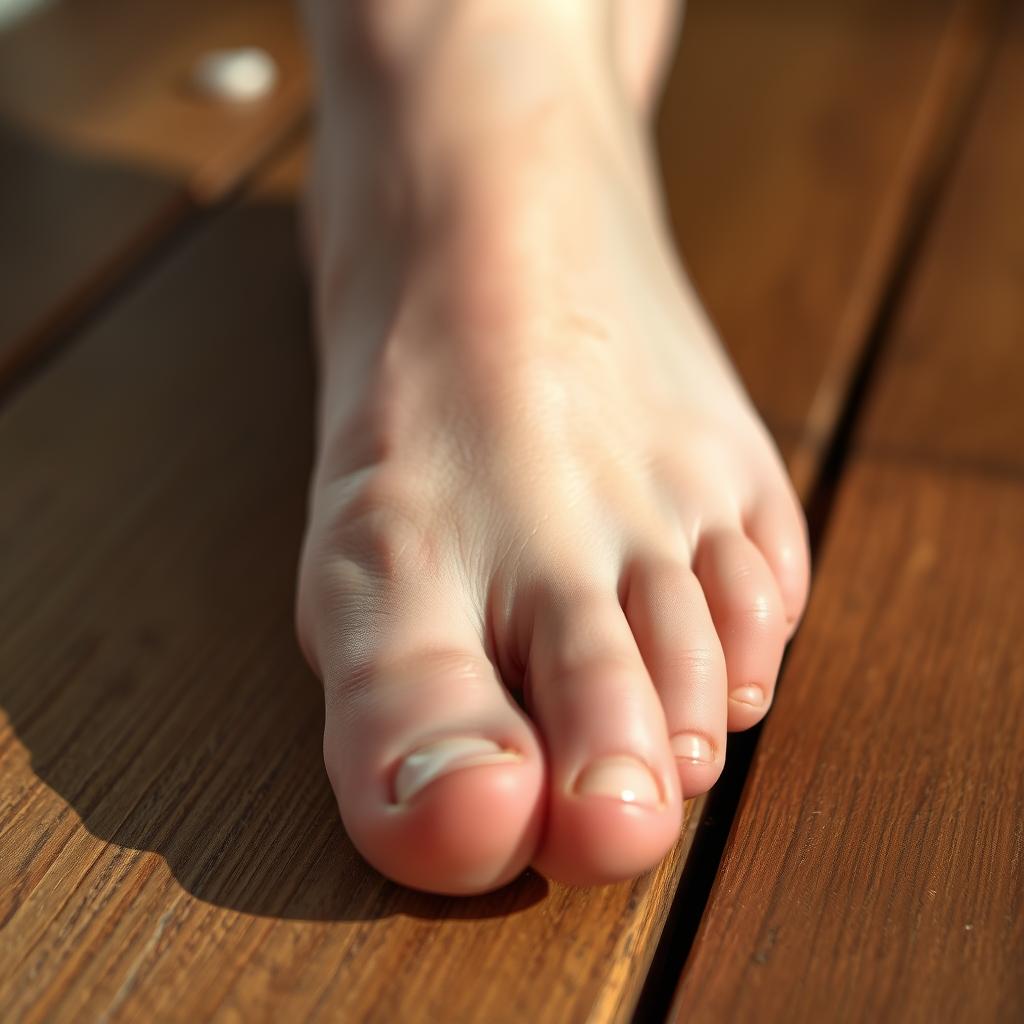
Waking up with a sharp, stabbing pain in your big toe can be alarming. The base of the big toe is a small area, but it’s responsible for a huge amount of force every time you take a step. When pain strikes here, two common culprits often come to mind: sesamoiditis and gout. While they both target the same general location, they are vastly different conditions with different causes and treatments. Figuring out whether you’re dealing with sesamoiditis or gout is the first and most important step toward finding relief and getting back on your feet without pain.
Understanding Big Toe Pain: Why It’s So Confusing
The main joint of the big toe, called the metatarsophalangeal (MTP) joint, is a complex piece of engineering. It’s where the long bone of your foot (the metatarsal) connects to the first bone of your toe (the phalanx). Tucked underneath this joint, within the tendons, are two tiny, pea sized bones called sesamoids. These bones act like little pulleys, providing a smooth surface for the tendons to slide over, which helps with leverage when you push off the ground.
Because both sesamoiditis and gout can cause intense pain in this exact area, it’s easy to mistake one for the other. However, one is a mechanical injury caused by stress, while the other is a systemic inflammatory condition caused by your body’s metabolism. Making the correct distinction between sesamoiditis or gout is critical because what helps one condition could be ineffective or even harmful for the other.
What is Sesamoiditis? The Overuse Injury
Imagine a rope being pulled over a rock again and again. Eventually, both the rope and the rock will start to show signs of wear. This is a good way to think about sesamoiditis. It’s an inflammatory condition affecting the tiny sesamoid bones and the tendons surrounding them. It’s almost always a result of repetitive, excessive pressure on the ball of the foot.
Anatomy 101: The Tiny Sesamoid Bones
Unlike most bones in the body, sesamoids are not connected to other bones at a joint. Instead, they are embedded within a tendon. The two sesamoids in your foot are located in the tendon that helps flex your big toe downward. They play a vital role in absorbing weight and elevating the bones of the big toe. Because they take on so much pressure with every step, they are prone to irritation and inflammation, a condition known as sesamoiditis.
Causes and Risk Factors
Sesamoiditis is essentially an overuse injury. People who participate in certain activities are much more likely to develop it. This includes:
- Athletes: Runners, dancers (especially ballet), and baseball catchers put a great deal of repeated stress on the balls of their feet.
- High Heeled Shoes: Wearing high heels forces a large percentage of your body weight directly onto the front of your foot, dramatically increasing pressure on the sesamoids.
- Foot Structure: People with high arches or bony feet may have less natural cushioning, leading to more direct pressure on these small bones.
- Sudden Increase in Activity: Jumping into a new, intense workout routine without giving your body time to adapt can easily inflame the area.
Common Symptoms of Sesamoiditis
The symptoms of sesamoiditis are usually very different from a gout attack. A key factor in the sesamoiditis or gout debate is how the pain starts and feels. With sesamoiditis, you can expect:
- Gradual Onset: The pain typically develops over time, starting as a mild ache and slowly getting worse.
- Dull, Aching Pain: The pain is usually felt directly under the big toe joint in the ball of the foot. It’s often described as a persistent ache rather than a sharp, stabbing pain.
- Pain with Movement: The discomfort worsens when you bend or straighten your big toe, or when you put weight on the ball of your foot.
- Mild Swelling: There might be some slight swelling or bruising, but it’s often minimal compared to gout.
What is Gout? The Metabolic Condition
Gout is a completely different beast. It’s a form of inflammatory arthritis, and it’s not caused by mechanical stress but by a chemical imbalance in your body. It can affect any joint, but for reasons not fully understood, it has a strong preference for the big toe joint in about half of all initial cases.
The Culprit: Uric Acid Crystals
Your body produces a substance called uric acid when it breaks down purines, which are chemicals found naturally in your body and in certain foods. Normally, your kidneys filter this uric acid out of your blood, and you get rid of it through urine. If your body produces too much uric acid or your kidneys don’t excrete enough, it can build up in your bloodstream.
When uric acid levels become too high, the substance can form microscopic, needle like crystals called monosodium urate crystals. These sharp crystals can accumulate in a joint, and your body’s immune system sees them as foreign invaders. It launches a powerful inflammatory attack, causing the sudden and severe symptoms of a gout flare up.
Causes and Risk Factors
The risk factors for gout are largely related to genetics and lifestyle. Key contributors include:
- Diet: A diet high in purine rich foods is a major trigger. This includes red meat, organ meats (like liver), and certain types of seafood (like anchovies, mussels, and scallops).
- Beverages: Alcohol, especially beer, and sugary drinks sweetened with fructose are known to increase uric acid levels.
- Medical Conditions: Obesity, high blood pressure, diabetes, and poor kidney function all increase the risk of developing gout.
- Genetics: If you have family members with gout, you are more likely to get it yourself.
- Gender and Age: Gout is more common in men than women until women reach menopause, after which their risk increases.
Classic Symptoms of a Gout Attack
A gout attack is infamous for its intensity and suddenness. The symptoms are a dramatic contrast when trying to decide between sesamoiditis or gout.
- Sudden and Severe Onset: Gout attacks often begin abruptly, frequently waking people up in the middle of the night with excruciating pain.
- Intense, Throbbing Pain: The pain is often described as crushing, throbbing, or unbearable. Even the light pressure of a bedsheet can feel agonizing.
- Significant Swelling and Redness: The affected joint becomes very swollen, red or purplish, and shiny.
- Extreme Warmth: The joint will feel hot to the touch due to the intense inflammation.
Sesamoiditis or Gout: A Head to Head Comparison
To make the distinction clearer, let’s compare the two conditions side by side. Seeing the differences in a table can make it easier to identify what you might be experiencing as you try to solve the sesamoiditis or gout puzzle.
| Feature | Sesamoiditis | Gout |
|---|---|---|
| Onset of Pain | Gradual, develops over days or weeks. | Sudden, often starts at night, reaching peak intensity in hours. |
| Type of Pain | Dull, deep ache under the ball of the foot. Worsens with activity. | Excruciating, throbbing, crushing. Extreme tenderness to touch. |
| Location of Pain | Specifically under the big toe joint in the fleshy part of the foot. | Primarily in the big toe joint itself, but can affect other joints. |
| Visual Symptoms | Minimal to mild swelling and occasional bruising. No significant redness or heat. | Intense swelling, deep red or purplish skin, shiny appearance, and very warm to the touch. |
| Triggers/Causes | Overuse, high impact activities, high heels, foot structure. A mechanical issue. | High purine diet, alcohol, dehydration, certain medications. A metabolic issue. |
| Affected Population | Typically younger, active individuals like dancers and runners. | More common in men over 30 and post menopausal women, often with related health conditions. |
Getting a Proper Diagnosis: How Doctors Tell the Difference
While the symptom chart is helpful, you should never rely on self diagnosis. Foot pain can sometimes be a sign of a more serious problem, like a fracture or an infection. A healthcare professional, such as a podiatrist or orthopedic specialist, is the only one who can provide a definitive answer on whether you have sesamoiditis or gout.
Diagnosing Sesamoiditis
To diagnose sesamoiditis, a doctor will start with a physical exam. They will press on the ball of your foot to pinpoint the location of the pain and may move your big toe around to check your range of motion. To rule out other issues, they will likely order an X ray. An X ray can show a fracture of the sesamoid bone (a related but more serious injury) and help eliminate other causes of pain. In some cases, an MRI or bone scan might be used to get a more detailed look at the inflammation in the bone and soft tissues.
Diagnosing Gout
Diagnosing gout involves a different set of tests. The gold standard is a procedure called joint aspiration (arthrocentesis). The doctor uses a needle to draw a small amount of fluid from the inflamed joint. This fluid is then examined under a microscope. If urate crystals are present, the diagnosis of gout is confirmed. A doctor will also likely order a blood test to measure the level of uric acid in your blood. While high uric acid levels are a strong indicator, it’s possible to have a gout attack even with normal levels, which is why the joint fluid test is so conclusive.
Treatment Pathways: Managing Sesamoiditis vs. Gout
The reason an accurate diagnosis of sesamoiditis or gout is so important is that their treatments are completely different. What works for one will not work for the other.
Treating Sesamoiditis
The treatment for sesamoiditis focuses on reducing pressure and inflammation. The key is to give the area a rest.
- Rest and Activity Modification: The first step is to stop the activity that’s causing the pain.
- Footwear Changes: Avoid high heels and tight shoes. Wear comfortable, cushioned shoes with a wide toe box.
- Padding and Taping: A doctor might recommend a special pad to offload pressure from the sesamoids or tape the big toe to limit its movement.
- Orthotics: Custom or over the counter shoe inserts can help correct mechanical issues and provide cushioning.
- Ice and NSAIDs: Applying ice packs and taking over the counter anti inflammatory medications like ibuprofen can help reduce pain and swelling.
- Immobilization: In more severe cases, you might need to wear a walking boot for a few weeks to completely rest the foot.
Treating Gout
Gout treatment has two goals: managing the pain of a current attack and preventing future attacks by lowering uric acid levels.
- For an Acute Attack: To calm the intense inflammation of a flare up, doctors prescribe medications like strong NSAIDs (e.g., indomethacin), colchicine, or corticosteroids (like prednisone).
- For Long Term Prevention: To prevent future attacks, doctors focus on lowering uric acid in the body. This often involves daily medication, such as allopurinol or febuxostat, which reduce the body’s production of uric acid.
- Lifestyle and Diet Changes: A huge part of managing gout involves lifestyle changes. This means limiting alcohol and purine rich foods, staying hydrated, and maintaining a healthy weight. These changes are crucial for long term control.
Frequently Asked Questions (FAQ)
Can you have both sesamoiditis and gout?
While it is theoretically possible, it would be extremely rare to have both conditions affecting the same joint at the same time. However, someone could be at risk for both if, for example, they are a male athlete with a family history of gout. An accurate diagnosis is necessary to determine the true cause of the pain.
Does gout only affect the big toe?
No. While the big toe is the most common site for a first gout attack, gout can affect many other joints, including the ankles, knees, wrists, and fingers. The question of sesamoiditis or gout is only relevant when the pain is in the ball of the foot.
How long does it take for sesamoiditis to heal?
Healing time for sesamoiditis varies widely depending on its severity and how well a person sticks to the treatment plan. Mild cases might resolve in a few weeks with proper rest and care. More severe cases can take several months to fully heal.
Can diet affect sesamoiditis like it affects gout?
Not directly. Sesamoiditis is a mechanical problem, not a metabolic one. While a healthy diet contributes to overall tissue health and healing, specific foods do not trigger sesamoiditis pain in the way high purine foods trigger gout.
Conclusion
That throbbing pain in your big toe can put a stop to your daily life, but understanding its source is the key to recovery. The debate between sesamoiditis or gout comes down to a clear distinction: sesamoiditis is an overuse injury characterized by a gradual, dull ache, while gout is a metabolic condition that causes sudden, excruciatingly painful inflammatory attacks. Sesamoiditis is treated with rest and mechanical support, whereas gout requires medication and lifestyle changes to control uric acid levels. Because the symptoms can overlap in location, and the treatments are so different, seeing a doctor for a proper diagnosis is the most important step you can take. Don’t guess get a definitive answer and start on the right path to pain free movement.
