
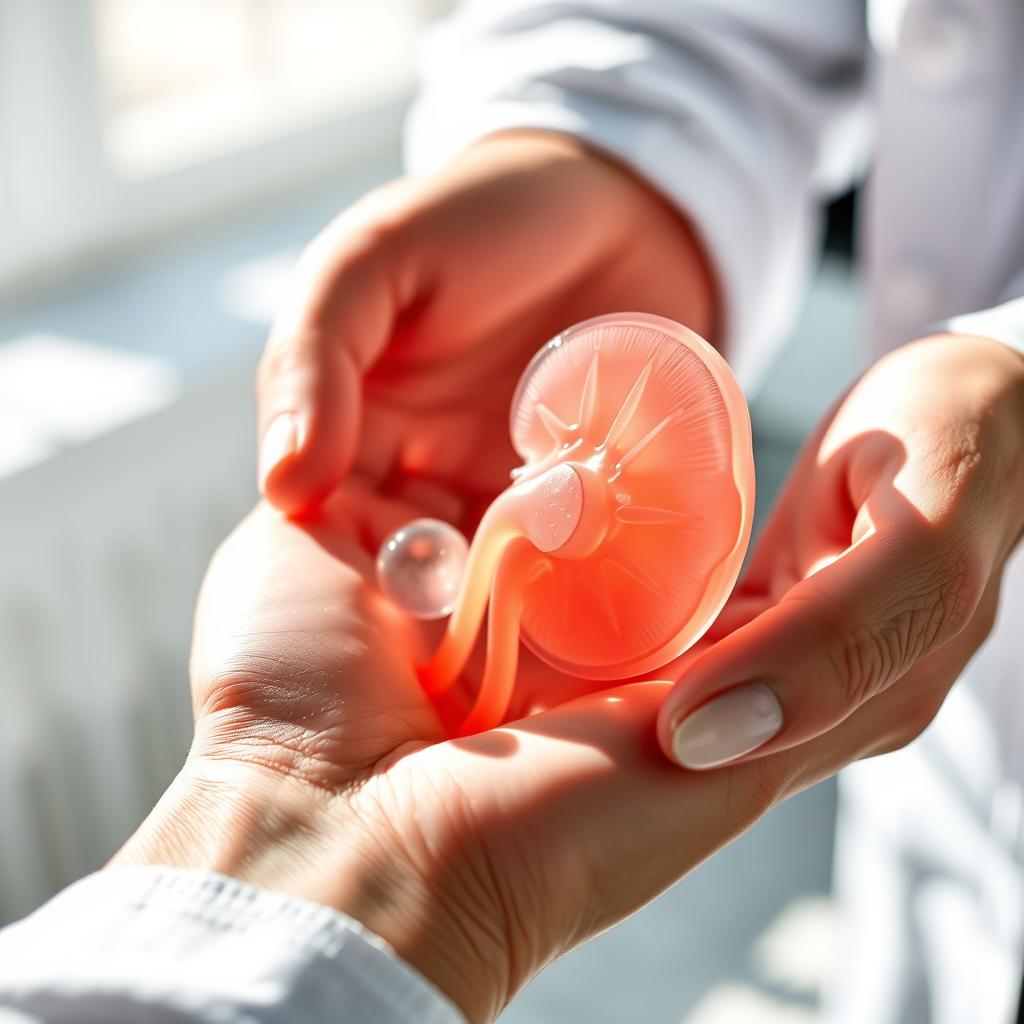
Imagine your body’s urinary system is like the plumbing in your house. It has pipes (the ureters), a holding tank (the bladder), and a main source (the kidneys). Now, what happens if one of those pipes springs a leak? The water doesn’t just disappear, it pools somewhere it shouldn’t, potentially causing a lot of damage. In the human body, this exact scenario can lead to a condition called a urinoma, which is a contained collection of leaked urine that builds up in the abdomen or pelvis. This collection can cause pain, infection, and other serious issues if not addressed. Understanding what a urinoma is, why it happens, and how it’s treated is the first step toward recovery.
What Exactly Is a Urinoma?
A urinoma is essentially a walled off pocket of urine that has escaped from the urinary tract. The urinary tract includes the kidneys (which produce urine), the ureters (tubes that carry urine from the kidneys to the bladder), the bladder (which stores urine), and the urethra (the tube that carries urine out of the body). When there’s a breach anywhere along this path, usually in a kidney or ureter, urine leaks into the surrounding tissues. The body’s natural defense mechanism is to contain this foreign fluid, so it forms a fibrous capsule around the leaked urine, creating a cyst like sac. This encapsulated collection is what doctors call a urinoma.
It’s important to clarify that a urinoma is not a type of tumor or cancer. It is simply a result of an injury or a blockage in the urinary system. However, the pressure and inflammation from a large urinoma can compress nearby organs and blood vessels, leading to significant discomfort and complications. Think of it like a water balloon slowly inflating inside your abdomen, as it gets bigger, it pushes everything else out of the way. The location is typically in the retroperitoneal space, which is the area behind the abdominal lining where the kidneys are located.
The Root Causes: Why Does a Urinoma Form?
Urine is supposed to stay within the urinary tract. For a urinoma to form, something must cause a tear or rupture. These causes can be grouped into a few main categories, with some being far more common than others.
Iatrogenic Causes (Medical Procedures)
The most frequent cause of a urinoma is, ironically, a complication from a medical procedure. The term for this is “iatrogenic,” which means caused by medical intervention. The delicate tubes of the urinary system can be accidentally injured during various surgeries or procedures. Common culprits include:
- Ureteroscopy: A procedure where a thin scope is passed up into the ureter, often to break up or remove kidney stones.
- Pelvic or Abdominal Surgery: Operations on nearby organs, such as hysterectomies or colon surgeries, can sometimes lead to accidental ureteral injury.
- Kidney Surgery: Procedures like removing a kidney stone directly (percutaneous nephrolithotomy) or a kidney biopsy can create a leak.
- Kidney Transplants: The process of connecting the new kidney’s ureter to the bladder can sometimes result in a leak at the connection site.
Traumatic Injuries
Significant force to the abdomen, side (flank), or lower back can injure the kidneys or ureters. This is often called “blunt force trauma” and can happen during car accidents, serious falls, or contact sports. The force can be strong enough to tear the delicate tissue of the kidney or sever a ureter, leading to a significant urine leak and the formation of a urinoma.
Obstruction in the Urinary Tract
Another major cause is a blockage that prevents urine from flowing normally. Think of a clogged drain in your sink. If water keeps running, the pressure will build up behind the clog, eventually causing the pipe to leak or burst. In the body, a similar process can happen. When the flow of urine is blocked, pressure increases in the ureter and kidney. This condition, called hydronephrosis, can stretch the tissues so much that a tear occurs.
Common causes of obstruction that can lead to a urinoma include:
- Kidney Stones: A stone that gets stuck in the ureter is a very common reason for blockage.
- Tumors: Both cancerous and non cancerous tumors in the abdomen or pelvis can press on and block a ureter.
- Ureteral Strictures: This is a narrowing of the ureter, often caused by previous scar tissue from surgery, infection, or radiation therapy.
Recognizing the Signs: Symptoms of a Urinoma
The symptoms of a urinoma can be quite vague and depend heavily on its size and location. A very small urinoma might not cause any symptoms at all and could be discovered by accident on an imaging scan done for another reason. However, as the collection of urine grows, it begins to cause problems.
Common signs and symptoms include:
- Pain: This is often the most noticeable symptom. The pain might be in the lower back, flank (the side, between the ribs and hip), or lower abdomen. It can range from a dull ache to sharp, intense pain.
- Fever and Chills: Stagnant urine is an ideal environment for bacteria to grow. If the urinoma becomes infected, it can cause systemic signs of infection like fever and chills.
- Abdominal Swelling or a Palpable Mass: For a large urinoma, you might notice fullness or swelling in your abdomen, or a doctor may be able to feel a lump during a physical exam.
- Nausea and Vomiting: The pressure and inflammation in the abdomen can disrupt the digestive system, leading to nausea.
- Changes in Urination: You might experience decreased urine output if the blockage is severe or if a kidney is significantly damaged. Blood in the urine (hematuria) can also occur.
- General Malaise: This is a general feeling of being sick, tired, and unwell, which often accompanies inflammation and infection in the body.
The Diagnostic Journey: How Doctors Find a Urinoma
Diagnosing a urinoma requires a combination of reviewing your medical history, performing a physical exam, and, most importantly, using medical imaging to see what’s going on inside your body. The diagnostic process is a form of medical detective work to confirm the fluid collection is indeed a urinoma and to find the source of the leak.
Initial Assessment and Lab Tests
A doctor will start by asking about your symptoms and any recent surgeries, procedures, or injuries. During a physical exam, they will check for tenderness or masses in your abdomen. Blood and urine tests are also crucial. Blood tests can show signs of infection (a high white blood cell count) and assess kidney function by measuring creatinine levels. A high creatinine level could indicate that the kidneys aren’t working properly.
Imaging: The Key to Confirmation
Seeing the collection is the only way to be certain. Several imaging techniques are used to diagnose a urinoma:
- Ultrasound: This is often the first imaging test used. It’s a quick, non invasive way to detect fluid collections in the abdomen.
- CT Scan (Computed Tomography): A CT scan is the most reliable tool for diagnosing a urinoma. It uses X rays to create detailed cross sectional images of your organs. A CT scan with contrast dye, known as a CT urogram, is especially helpful. The dye is injected into your bloodstream, filtered by the kidneys, and then travels through the urinary tract. This allows the radiologist to see the contrast dye leaking out of the kidney or ureter and pooling in the urinoma, pinpointing the exact location of the leak.
Fluid Analysis
In some cases, a doctor may need to confirm that the collected fluid is actually urine. This is done through a procedure called aspiration, where a thin needle is guided into the fluid collection using ultrasound or a CT scan. The collected fluid is then sent to a lab to be tested for creatinine. If the creatinine level in the fluid is significantly higher than the creatinine level in your blood, it confirms the diagnosis of a urinoma.
Treatment Pathways: Managing and Resolving a Urinoma
The treatment for a urinoma has two main goals: first, to drain the collected urine to relieve symptoms and prevent infection, and second, to fix the underlying leak. The specific approach depends on the size of the urinoma, the severity of symptoms, and the cause of the leak.
Conservative Management
If a urinoma is very small and not causing any symptoms, a doctor might suggest a “watch and wait” approach. If the underlying leak has already sealed itself, the body is sometimes capable of slowly reabsorbing the small amount of trapped urine over time without any intervention.
Drainage Procedures
For most symptomatic cases, the first step is to drain the fluid. The standard procedure is called percutaneous catheter drainage. Using imaging for guidance, a radiologist inserts a thin, flexible tube (a catheter) through the skin and directly into the urinoma. This tube is connected to an external drainage bag, allowing the collected urine to drain out of the body. This procedure immediately relieves the pressure and pain caused by the urinoma and helps prevent or control infection. The drain typically stays in place for several days or even weeks until the leak is resolved.
Fixing the Leak
Simply draining the urinoma isn’t enough, the “leaky pipe” needs to be fixed to prevent it from refilling. The goal is to divert urine away from the site of the injury to give it a chance to heal.
| Treatment Method | Description | Purpose |
|---|---|---|
| Ureteral Stent | A thin, hollow, flexible tube is placed inside the ureter, running from the kidney to the bladder. | The stent acts like a scaffold, keeping the ureter open and allowing urine to flow directly into the bladder, bypassing the leak. This is the most common method to help a ureteral injury heal. |
| Nephrostomy Tube | A catheter is placed through the skin directly into the kidney. | This tube drains urine from the kidney into an external bag, completely diverting the flow of urine away from the ureter. This gives a more severe injury time to heal without being exposed to urine. |
| Surgical Repair | Involves an operation to directly stitch the tear in the ureter or kidney. | This is typically reserved for severe injuries, such as a completely severed ureter, or cases where less invasive methods have failed. |
Potential Complications of an Untreated Urinoma
Ignoring the symptoms or delaying treatment for a urinoma can lead to serious health problems. The stagnant pool of urine is highly susceptible to infection, which can lead to the formation of an abscess a painful, pus filled pocket. If this infection enters the bloodstream, it can cause sepsis, a life threatening, body wide inflammatory response. Furthermore, the persistent pressure and inflammation from a chronic urinoma can lead to permanent kidney damage and the formation of extensive scar tissue (fibrosis), which can create a permanent blockage in the urinary system.
Frequently Asked Questions (FAQ)
Can a urinoma be cancerous?
No, a urinoma itself is not cancerous. It is a collection of sterile or infected urine. However, the underlying cause of the urinoma could be a cancerous tumor that is blocking the ureter and causing it to rupture. The diagnosis and treatment of the urinoma will often lead to the discovery of such a tumor.
How long does it take to recover from a urinoma?
Recovery time varies greatly depending on the cause, the size of the urinoma, and the treatment required. If the urinoma is treated simply with a stent and drainage, recovery might take a few weeks to a couple of months for the ureter to fully heal. If major surgical repair is needed, the recovery will be longer.
Can a urinoma go away on its own?
It is possible for a very small urinoma to be reabsorbed by the body if the leak seals quickly. However, this is uncommon. Most symptomatic cases require medical intervention to drain the fluid and address the leak to prevent complications like infection and kidney damage.
Is having a urinoma painful?
Yes, a urinoma can be quite painful. The pain comes from the stretching of tissues as the fluid collection expands and the inflammation it causes. The pain is typically felt in the abdomen, flank, or back, and its intensity often corresponds to the size and pressure of the urinoma.
Conclusion
A urinoma is a serious medical condition that occurs when urine leaks out of the urinary tract and collects in the body. While the idea of a leak in your internal plumbing sounds frightening, it is a well understood and treatable problem. Most cases are caused by medical procedures, traumatic injuries, or blockages from things like kidney stones. Modern medicine offers effective ways to diagnose a urinoma using imaging and to treat it by draining the fluid and fixing the source of the leak, often with minimally invasive techniques like stents and catheters. If you experience symptoms like persistent flank pain, fever, or abdominal swelling, especially after a recent surgery or injury, it is vital to seek medical attention promptly. Early diagnosis and treatment are key to preventing complications and making a full recovery.