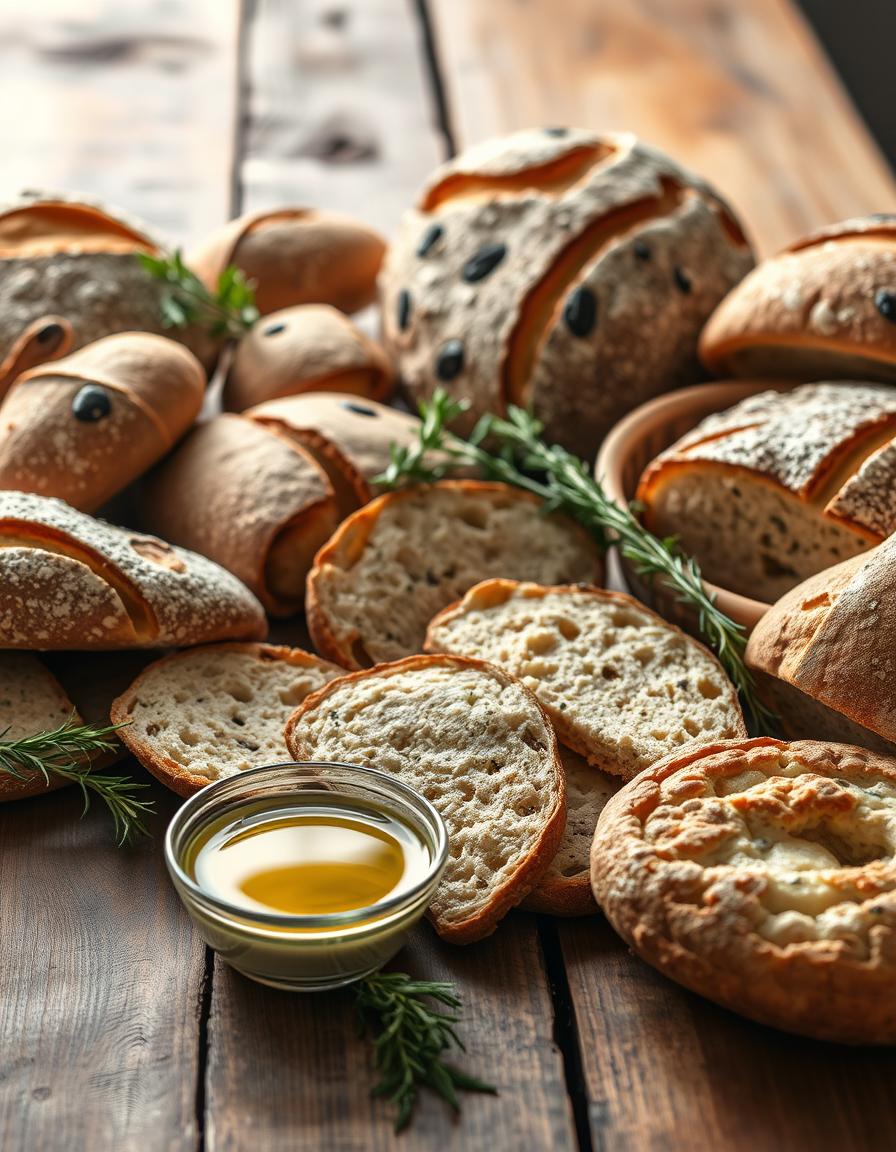
The Mediterranean diet is celebrated for its health benefits, vibrant flavors, and focus on whole, natural foods. Among its many staples, bread holds a beloved place on the table. However, not just any bread fits the bill—the best mediterranean diet bread options are those that complement fresh vegetables, olive oil, and lean proteins. Choosing the right kind of bread can add texture and flavor to meals while supporting the health goals of this diet.
What Makes Mediterranean Diet Bread Special?
The Mediterranean diet emphasizes simplicity and quality ingredients, and bread is no exception. Mediterranean diet bread is typically made from whole grains, with minimal processing, and often includes olive oil or herbs for extra taste. It’s generally lower in sugar and saturated fats compared to many commercial breads.
A slice of traditional Mediterranean bread is more than just a carb—it’s often a source of fiber, vitamins, and minerals. This is because whole grains are used, and the bread is often baked fresh with natural ingredients. Plus, it pairs wonderfully with olives, fresh cheese, tomatoes, and a drizzle of extra virgin olive oil.
Popular Types of Mediterranean Diet Bread
1. Whole Wheat Pita
Pita bread is a classic in Mediterranean cuisine. Made from whole wheat flour, it is lighter than many other breads, with a hollow pocket that’s perfect for stuffing with veggies or hummus. Whole wheat pita helps maintain steady blood sugar levels and offers a healthy dose of fiber.
- Texture: Soft, slightly chewy
- Common Uses: Wraps, sandwiches, dipping
- Tip: Warm it slightly before eating for that fresh-from-the-oven feel.
2. Focaccia
Focaccia is an Italian bread, famous for its fluffy texture and olive oil-rich crust. It often features rosemary, olives, or sea salt on top. While delicious, focaccia can be high in oil content, so it’s best enjoyed in moderation within the Mediterranean diet framework.
- Texture: Soft inside, slightly crispy outside
- Common Uses: Side dish, base for toppings
- Health Tip: Use olive oil sparingly to keep it balanced.
3. Greek Village Bread (Horiatiko Psomi)
This rustic bread is hearty and packed with flavor. It’s made with a combination of wheat and barley or rye flour, giving it a denser texture. Traditionally baked in stone ovens, it has a thick crust and chewy crumb, perfect for dipping into olive oil or accompanying a simple salad.
- Texture: Dense and chewy
- Common Uses: Accompaniment to meals, dipping bread
- Unique Feature: Stone-baked for a distinctive crust
4. Maltese Ftira
Ftira is a type of Maltese bread shaped like a flattened and open-faced loaf. It’s usually topped with tomatoes, olives, capers, or tuna. The bread itself is made with simple ingredients and offers a light, crusty option that complements fresh Mediterranean toppings.
- Texture: Light and crusty
- Common Uses: Base for toppings or sandwiches
- Flavors: Often combined with tangy and savory ingredients
Ingredients to Look For
When selecting mediterranean diet bread, check the ingredient list carefully. Bread made with whole wheat, barley, rye, or spelt flour offers more nutrition and fiber than those made with refined white flour. Minimal additives and preservatives are indicators of a healthier product. Ingredients like olive oil, herbs, and seeds can add unique flavors without compromising health.
| Ingredient | Benefit | Notes |
|---|---|---|
| Whole Wheat Flour | High in fiber and nutrients | Look for 100% whole wheat to maximize benefits |
| Olive Oil | Healthy fats and flavor | Extra virgin olive oil preferred |
| Herbs (Rosemary, Oregano) | Antioxidants and flavor | Adds natural taste without salt |
| Seeds (Sesame, Nigella) | Additional nutrients and crunch | Rich in minerals |
How to Enjoy Mediterranean Diet Bread
Bread in the Mediterranean diet is versatile. It’s not just for sandwiches; it’s involved in almost every meal. A slice of mediterranean diet bread is perfect with olive oil and vinegar dipping or stuffed with fresh veggies. It complements stews, soups, and grilled fish wonderfully. Sharing bread with friends is a traditional way of connecting with others and celebrating food.
- Breakfast: Toasted bread with fresh tomatoes and olive oil
- Lunch: Pita stuffed with falafel, lettuce, and tahini
- Dinner: Rustic bread served with grilled vegetables and a drizzle of balsamic
It’s also good to remember that portion control is key. Mediterranean diet bread adds enjoyment and nutrients but should be balanced with plenty of vegetables, nuts, and lean proteins. Speaking of nuts, many are a fantastic source of fats and protein. If you want to understand the benefits better, check out this mixed nuts nutrition article—it really breaks down the good stuff.
Tips for Choosing the Best Mediterranean Diet Bread at the Store
Finding mediterranean diet bread that fits your lifestyle doesn’t have to be tricky. Here are some tips to keep in mind when browsing your local bakery or supermarket.
- Look for Whole Grains: Always opt for bread labeled “100% whole wheat” or whole grain.
- Check the Ingredients: Avoid breads with added sugars, artificial preservatives, and hydrogenated oils.
- Prefer Simple Recipes: Fewer ingredients often mean less processing and a more natural product.
- Support Local Bakeries: They often make bread using traditional methods closer to Mediterranean styles.
- Try Baking at Home: Homemade mediterranean diet bread can be fun and allows control over ingredients.
Homemade Mediterranean Diet Bread Idea
Baking your own bread can be a rewarding experience. A simple whole wheat focaccia with rosemary and sea salt is easy to make and results in fragrant, flavorful bread that fits perfectly with the Mediterranean diet.
- Whole wheat flour – 3 cups
- Warm water – 1 ½ cups
- Dry yeast – 2 tsp
- Extra virgin olive oil – ¼ cup plus extra for drizzling
- Fresh rosemary – 1 tbsp
- Sea salt – to taste
Mix the ingredients, let the dough rise, press it into a pan, then drizzle with olive oil, sprinkle with rosemary and salt before baking at 425°F (220°C) for 20-25 minutes. The result is a delicious bread that carries the essence of the Mediterranean.
Conclusion
Bread in the Mediterranean diet is a delicious and important part of meals, bringing people together and complementing fresh, wholesome foods. Choosing mediterranean diet bread made from whole grains, simple ingredients, and enriched with natural flavors ensures you enjoy taste without compromising health. Whether it’s a soft pita, rustic village bread, or a fragrant focaccia, these breads celebrate the spirit of the Mediterranean lifestyle.
Remember, pairing your bread with vegetables, olive oil, and lean proteins makes for balanced and satisfying meals. So, enjoy that slice, savor the flavors, and embrace the wholesome goodness that Mediterranean diet bread offers every day.

Timo is the founder of LiteDietPlan.com, where smart nutrition meets simple living.