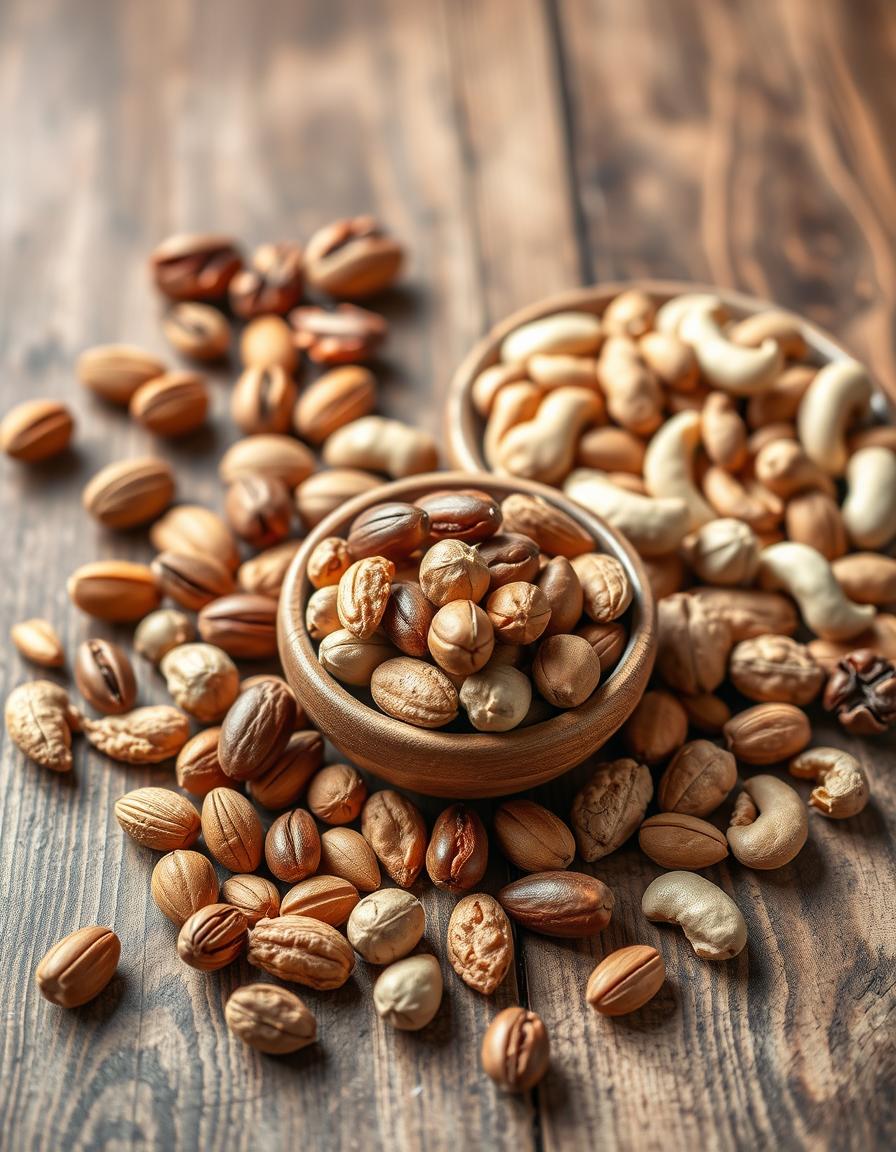
Mixed nuts are a popular snack enjoyed by many around the world. They offer a crunchy and satisfying bite, packed with flavors and nutrients. But beyond their delicious taste, mixed nuts nutrition is impressive and worth understanding. From protein to healthy fats, they provide a balanced mix of nutrients that can support overall health. Whether you’re looking for a quick energy boost or a healthy addition to your diet, mixed nuts can be a smart choice.
Nutritional Makeup of Mixed Nuts
When people talk about mixed nuts nutrition, they usually want to know what makes these bite-sized snacks so good for you. The answer lies in their components: protein, fats, carbohydrates, vitamins, and minerals. Here’s a simple breakdown of what a typical one-ounce (28 grams) serving of mixed nuts contains:
| Nutrient | Amount per 1 oz (28g) | Daily Value (%) |
|---|---|---|
| Calories | 160-200 kcal | 8-10% |
| Protein | 5-7 grams | 10-14% |
| Total Fat | 14-18 grams | 22-28% |
| Carbohydrates | 6-8 grams | 2-3% |
| Dietary Fiber | 2-3 grams | 8-12% |
Calories can vary depending on the nut varieties included, but the values above give a pretty good idea. The fats present are mostly unsaturated, which are better for heart health compared to saturated fats.
Protein in Mixed Nuts
Protein is essential for muscle repair, immune function, and general body maintenance. Mixed nuts provide a decent amount of protein per serving, typically around 5-7 grams. While this amount won’t rival a steak or chicken breast, mixed nuts are a great plant-based protein source, especially for vegetarians and vegans.
Unlike lean protein meats, which are well known for their high protein content, nuts also bring healthy fats and fiber into the mix. Combining nuts with other protein sources can help ensure you’re hitting your daily protein goals in a tasty way.
Amino Acid Profile
One thing to keep in mind is that nuts don’t provide a complete protein by themselves, meaning they lack some essential amino acids. However, eating a variety of nuts along with other plant proteins like beans, seeds, or whole grains can cover all your amino acid needs.
Fats: The Good and the Better
Mixed nuts are famous for their fat content, but not all fats are created equal. The fats in mixed nuts mainly fall into the category of unsaturated fats, which are heart-friendly and can help improve cholesterol levels.
- Monounsaturated fats: Found in almonds, cashews, and peanuts, these fats support heart health and can reduce inflammation.
- Polyunsaturated fats: Present in walnuts and pine nuts, these include omega-3 and omega-6 fatty acids, which are essential for brain health and cell function.
While nuts contain some saturated fat, it’s generally low compared to animal products. The fats in mixed nuts contribute to a feeling of fullness and slow digestion, which helps with appetite control.
Health Benefits of Mixed Nuts
Eating mixed nuts regularly can bring several health perks. Here are some of the ways these little powerhouses may help your body:
Heart Health
Many studies link nut consumption to better heart health. The unsaturated fats, fiber, and antioxidants in nuts work together to reduce the risk of heart disease. People who eat nuts often tend to have lower LDL (bad cholesterol) levels and improved blood vessel function.
Weight Management
It might sound odd to eat high-fat nuts when trying to lose weight, but nuts can actually help. Because they provide protein, fiber, and healthy fats, they keep you feeling full for longer. This means you’re less likely to overeat or snack on unhealthy options.
Brain Boost
Walnuts, in particular, are praised for their omega-3 fats, which support brain function. Regular nut intake may help improve memory and cognitive performance over time.
Digestive Health
Thanks to their fiber content, mixed nuts promote healthy digestion and a happy gut. Fiber acts as food for beneficial gut bacteria and helps prevent constipation.
Other Nutrients in Mixed Nuts
Mixed nuts also provide an array of vitamins and minerals including:
- Vitamin E – An antioxidant that supports skin and eye health.
- Magnesium – Important for muscle function and bone health.
- Phosphorus – Helps build strong bones and teeth.
- Zinc – Supports the immune system.
- Folate and B vitamins – Aid in energy production and brain health.
The combination of these nutrients makes mixed nuts a unique snack that nourishes your body in many ways.
Tips for Enjoying Mixed Nuts
Here are some easy ways to include mixed nuts in your daily routine without turning your diet upside down:
- Use them as a topping for yogurt, oatmeal, or salads to add crunch and nutrition.
- Carry a small bag of mixed nuts as a portable snack to avoid vending machine temptations.
- Mix chopped nuts into homemade granola or trail mix for extra flavor.
- Try nut butters made from multiple nuts for a tasty spread.
- Remember portion control—stick to about a handful (1 oz) per day to avoid excess calories.
If you’re aiming to balance your protein intake, consider pairing nuts with lean sources like lean protein meats. For example, grilling some chicken breast and sprinkling crushed mixed nuts on top can create a delightful and nutrient-dense meal.
For those interested, here’s a helpful resource on lean protein meats that can complement a mixed-nut-rich diet perfectly.
Conclusion
Mixed nuts are more than just a tasty snack. Their nutrition profile, rich in protein, healthy fats, fiber, and essential vitamins and minerals, can support heart health, weight management, brain function, and digestion. Moderation is key since nuts are calorie-dense, but a small handful daily can offer unique health advantages. By mixing them with other nutrient sources like lean protein meats, you create balanced meals that fuel your body well.
So next time you’re reaching for a snack, consider grabbing a handful of mixed nuts. They’re crunchy, satisfying, and bring a lot of benefits to the table.

Timo is the founder of LiteDietPlan.com, where smart nutrition meets simple living.