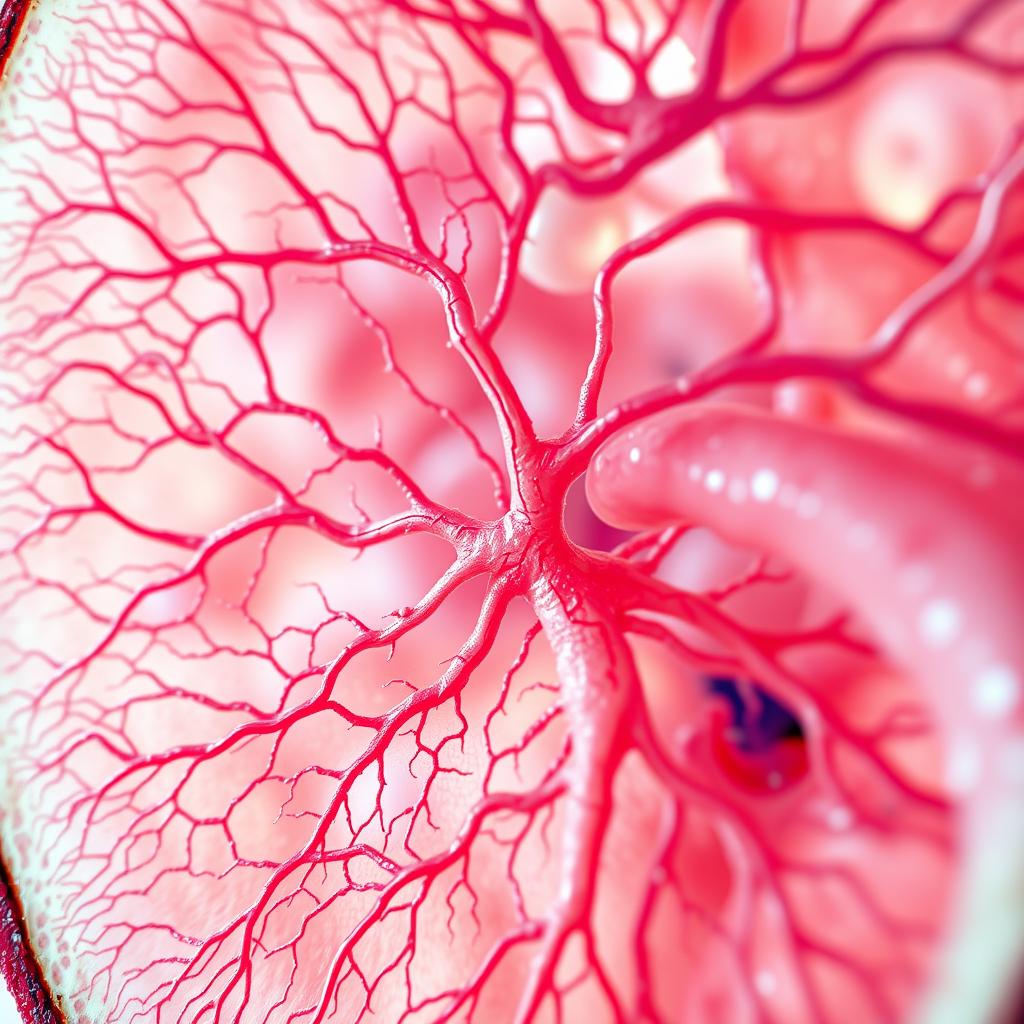

Hearing a medical term like “squamous metaplasia” from your doctor can be unsettling. It sounds complex and, for many, immediately raises the alarming question: is it cancer? The short answer is no, but the full story is more nuanced and important to understand. It’s a sign that your body is trying to protect itself, but it can also be a warning sign that requires attention. This article will break down exactly what squamous metaplasia is, what causes it, and its true relationship with cancer.
What is Squamous Metaplasia? A Simple Explanation
Imagine a patch of soft grass in a busy park where people keep taking a shortcut. Over time, that constant foot traffic will wear away the grass. To protect the area, the park groundskeeper might decide to replace the delicate grass with tough, durable paving stones. The paving stones aren’t grass, but they are better suited to handle the stress.
This is a great analogy for squamous metaplasia. It’s a process where the body replaces one type of specialized, delicate cell with another type of cell the tougher, flatter squamous cell to withstand chronic stress or irritation. This cellular change is a defense mechanism. The new squamous cells are like those paving stones, they form a more resilient surface to protect the underlying tissue from ongoing damage.
This process is benign, meaning it is not cancerous. It is the body’s adaptive response to an unfriendly environment. However, the conditions that cause squamous metaplasia are sometimes the same ones that can eventually lead to cancer if left unaddressed.
The Big Question: Is Squamous Metaplasia Cancer?
Let’s be perfectly clear: Squamous metaplasia is not cancer. It is a reversible change in the type of cells found in a specific tissue. The cells themselves are not abnormal or malignant. They are simply the “wrong” type of cell for that location, having been substituted for a more protective cell type.
However, it’s considered a “yellow flag.” While not cancer, the persistent irritation that causes squamous metaplasia can, over time, cause further changes. If the source of irritation continues, these new squamous cells can begin to grow abnormally. This next stage is called dysplasia, which is a precancerous condition.
Think of it as a progression:
- Normal Cells: Healthy, functioning as they should.
- Squamous Metaplasia: A change in cell type due to stress (still benign).
- Dysplasia: Abnormal cell growth and appearance (precancerous).
- Carcinoma: Cancerous cells that can invade surrounding tissue.
Finding squamous metaplasia gives doctors a chance to intervene by treating the underlying cause of irritation, which can often halt or even reverse the process before it has a chance to progress to dysplasia.
Where in the Body Does Squamous Metaplasia Occur?
This cellular adaptation can happen in several parts of the body, usually in passages or linings that are exposed to environmental stressors. The location often points directly to the cause.
Squamous Metaplasia of the Cervix
This is perhaps the most common place to find squamous metaplasia. The cervix has an area called the transformation zone, where delicate glandular cells from inside the cervical canal meet the tougher squamous cells of the outer cervix. During puberty and pregnancy, hormonal changes often cause this zone to evert, exposing the glandular cells to the acidic environment of the vagina. In response, they naturally change into squamous cells.
This type of squamous metaplasia is a normal, expected finding. The concern arises with persistent infection by high risk types of the human papillomavirus (HPV). HPV can infect these changing cells and push them along the path towards dysplasia (known as Cervical Intraepithelial Neoplasia, or CIN) and, if untreated, cervical cancer. This is why Pap smears and HPV tests are so critical for screening.
Squamous Metaplasia of the Lungs (Bronchial Metaplasia)
The airways of the lungs are lined with special columnar cells that have tiny hairs called cilia. These cilia beat in a coordinated rhythm to move mucus and trapped debris (like dust and pollutants) up and out of the lungs. Cigarette smoke is extremely toxic to these delicate cells.
In a smoker, the body responds to this constant chemical assault by replacing the ciliated cells with more durable squamous cells. This is bronchial squamous metaplasia. The downside is that these new cells have no cilia, so they can’t clear mucus effectively. This impairment is a major reason for the “smoker’s cough.” If the person quits smoking, this process is often reversible. If they continue, the risk of developing lung cancer increases significantly.
Squamous Metaplasia of the Bladder
The bladder is lined with a specialized tissue called urothelium, which can stretch. Chronic irritation from things like recurring urinary tract infections (UTIs), bladder stones, or the long term use of an indwelling catheter can cause the urothelium to be replaced by squamous cells. This condition is called squamous metaplasia of the bladder.
While the metaplasia itself isn’t cancer, it is associated with a higher risk of developing squamous cell carcinoma of the bladder. This is a different, and often more aggressive, type of bladder cancer than the more common urothelial carcinoma. Treating the underlying cause, such as removing bladder stones, is key to managing this risk.
Causes and Risk Factors: What Triggers This Cellular Change?
The root cause of squamous metaplasia is always some form of chronic irritation, inflammation, or chemical stress. The specific trigger depends on the location of the tissue.
| Location | Primary Causes and Risk Factors |
|---|---|
| Cervix | Hormonal shifts (puberty, pregnancy), chronic inflammation, Human Papillomavirus (HPV) infection. |
| Lungs / Bronchi | Cigarette smoke, industrial air pollutants, chronic bronchitis. |
| Bladder | Chronic UTIs, bladder stones, long term catheterization, infection with the parasite Schistosoma haematobium (common in some parts of Africa and the Middle East). |
| Esophagus | Chronic gastroesophageal reflux disease (GERD), where stomach acid repeatedly damages the esophageal lining. |
| Vocal Cords | Smoking, heavy alcohol use, GERD (laryngopharyngeal reflux). |
Symptoms and Diagnosis of Squamous Metaplasia
One of the most important things to know is that squamous metaplasia itself does not cause any symptoms. It is a silent, microscopic change. Any symptoms you might experience are due to the underlying condition that is causing the irritation.
For example:
- In the lungs, you might have a chronic cough from smoking, not from the metaplasia.
- In the bladder, you might have pain or frequent urination from a bladder stone or UTI.
- In the esophagus, you might have heartburn from acid reflux.
Because it’s asymptomatic, squamous metaplasia is diagnosed when a doctor investigates those underlying conditions. The definitive diagnosis is always made by taking a tissue sample (a biopsy) and having a pathologist examine the cells under a microscope. Other diagnostic tools include Pap smears for the cervix or procedures like a bronchoscopy (for the lungs) or cystoscopy (for the bladder) to visualize the area and collect samples.
Treatment: How Is Squamous Metaplasia Managed?
The management of squamous metaplasia is straightforward: remove the source of irritation. Since the condition is the body’s response to stress, removing that stress allows the healing process to begin. In many cases, the tissue can eventually return to its original, healthy state.
Treatment is tailored to the cause and location:
- For the Lungs: The single most effective treatment is to stop smoking. This allows the bronchial lining to begin repairing itself.
- For the Cervix: If caused by HPV, the focus is on monitoring. Your doctor will recommend regular Pap smears and HPV tests. If dysplasia develops, a procedure to remove the abnormal cells may be necessary.
- For the Bladder: Treatment involves removing bladder stones, using antibiotics to clear up chronic infections, or re evaluating the need for a long term catheter.
- For the Esophagus: Managing GERD with medication (like proton pump inhibitors) and lifestyle changes (diet, weight loss) is the primary treatment.
The goal is to stop the process before it advances. By treating the root cause, you protect your cells from the continued stress that could lead to more serious, precancerous changes.
Frequently Asked Questions (FAQ)
Can squamous metaplasia be reversed?
Yes, absolutely. Since squamous metaplasia is an adaptive change, removing the irritant often allows the body’s normal cellular repair mechanisms to take over. Over time, the original specialized cells can grow back and replace the squamous cells. This is most clearly seen in the lungs after a person quits smoking.
Is squamous metaplasia hereditary?
No, it is not a genetic condition that is passed down through families. It is an acquired condition that develops in response to environmental factors and lifestyle choices, such as smoking, infections, or chronic inflammation.
Do I need surgery for squamous metaplasia?
Surgery is not required for squamous metaplasia itself. However, surgery might be needed to address the underlying cause, such as an operation to remove large bladder stones. If the condition has progressed to high grade dysplasia or cancer, then surgical removal of the affected tissue would be a primary treatment.
How common is squamous metaplasia?
It is very common, particularly in the cervix, where it is often considered a normal physiological process in the transformation zone. It is also extremely common in the lungs of long term smokers. While a diagnosis can be concerning, it is a frequent finding in many clinical situations.
Conclusion
So, is squamous metaplasia cancer? No. It is a benign and often reversible change where your body substitutes one cell type for another to protect itself from chronic irritation. Think of it as your body’s cellular armor. However, it serves as a critical warning sign. The conditions that cause this cellular change are the same ones that, if left unchecked, can lead to dysplasia and eventually cancer. Seeing a diagnosis of squamous metaplasia as an opportunity to make positive health changes like quitting smoking or treating chronic acid reflux is the best path forward. By working with your doctor to remove the source of irritation, you can protect your long term health and prevent a benign adaptation from becoming a more serious problem.