Your kidneys are remarkable filtration systems, processing your entire blood volume roughly 60 times every single day. While we often hear about the glomerulus acting as the initial filter, the real, detailed work of purifying your blood happens in a dense network of tiny blood vessels. These unsung heroes are the peritubular capillaries, and their function is absolutely critical for maintaining your body’s delicate balance of water, electrolytes, and waste products.
What Exactly Are Peritubular Capillaries?
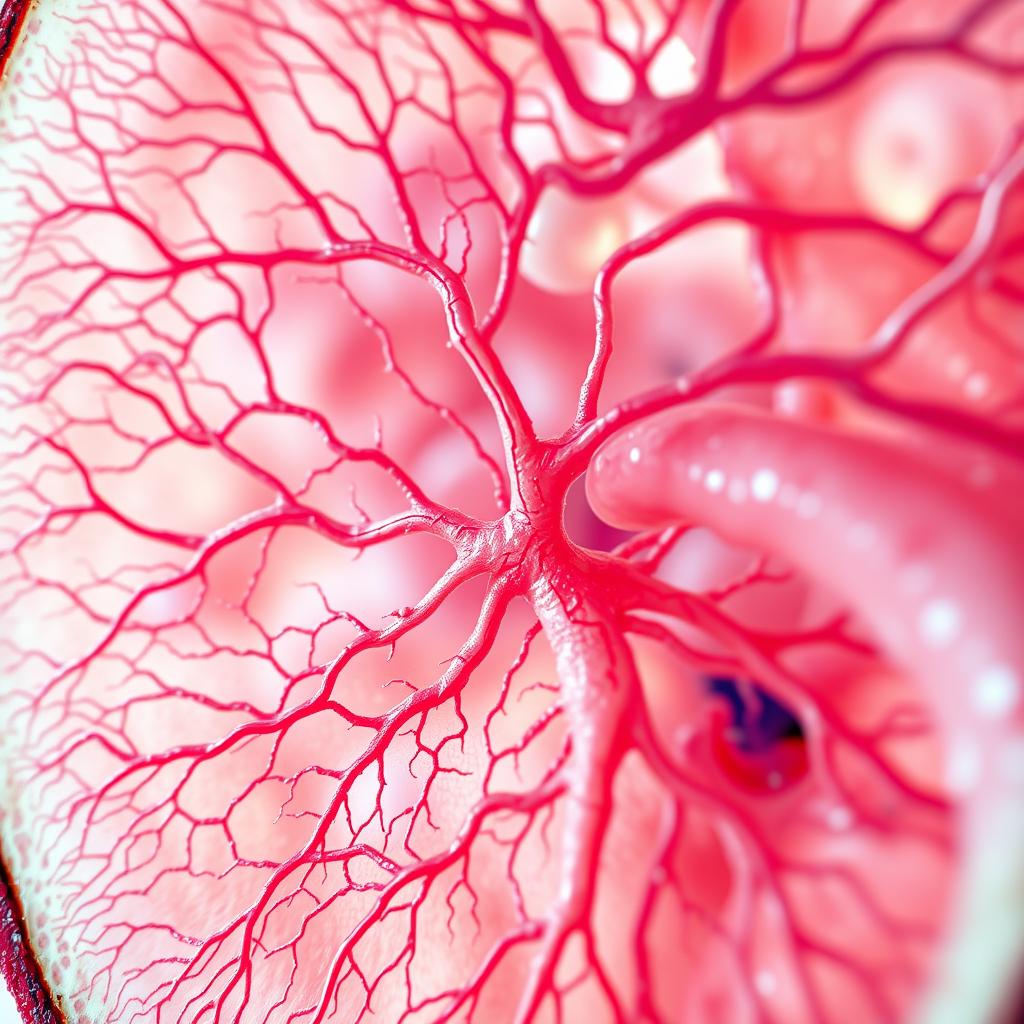
Imagine a sophisticated water recycling plant. After an initial filter removes large debris, the water flows through a series of long pipes where valuable minerals are pulled back out and extra contaminants are added for disposal. The peritubular capillaries are the workers and machinery surrounding those pipes. In simple terms, they are a network of tiny blood vessels that are intertwined with the renal tubules of the nephron (the functional unit of the kidney).
Unlike most capillary beds in the body, which arise from arterioles and lead into venules, the peritubular capillaries have a special arrangement. They arise from the efferent arteriole the vessel that *exits* the glomerulus. This unique position is the key to their function. After blood has been filtered under high pressure in the glomerulus, it flows into this second, low pressure capillary network, ready to fine tune its composition.
Location, Location, Location: Where Do They Fit in the Kidney?
To understand the function of peritubular capillaries, you need to know their strategic location within the nephron’s architecture. The journey of blood through the kidney’s filtration system is a two step process, and these capillaries are the stars of the second step.
The Nephron’s Journey: From Glomerulus to Tubule
Blood first enters the kidney and flows into a specialized filtration unit called the glomerulus. Think of it as a high pressure sieve. Here, water, small solutes like salt and glucose, and waste products are forced out of the blood and into the nephron tubule. Large components like red blood cells and proteins are left behind. The blood that leaves the glomerulus through the efferent arteriole is now much thicker and more concentrated.
Arising from the Efferent Arteriole
This is where the peritubular capillaries come into play. The efferent arteriole doesn’t immediately go to a large vein. Instead, it branches out into this complex, web like network. This setup means the blood entering the peritubular capillaries has just undergone intense filtration, a fact that creates the perfect conditions for their primary jobs: reabsorption and secretion.
A Network Around the Tubules
These capillaries form a dense mesh that wraps snugly around the proximal and distal convoluted tubules of the nephron. This close proximity is essential, as it minimizes the distance that substances need to travel between the filtrate in the tubule and the blood in the capillaries. It’s an incredibly efficient design for the massive amount of exchange that needs to occur.
The Core Function: The Great Exchange of the Kidney
The kidney filters about 180 liters (around 45 gallons) of plasma every day. If we urinated all of that out, we would dehydrate in minutes. The primary role of the peritubular capillaries is to reclaim almost all of this fluid and other essential substances while actively disposing of additional waste. This happens through two opposite processes: reabsorption and secretion.
Reabsorption: Reclaiming the Good Stuff
Reabsorption is the process of moving substances from the filtrate (the fluid inside the tubule) back into the blood within the peritubular capillaries. This is the most significant task of these vessels. Over 99% of the water and most of the valuable solutes filtered by the glomerulus are returned to the bloodstream here.
Key substances that are reabsorbed include:
- Water: The vast majority is returned to the blood via osmosis.
- Sodium: Actively pumped back into the blood, and water often follows.
- Glucose and Amino Acids: These are completely reabsorbed in a healthy individual. If you find glucose in the urine, it’s a sign that this system is overwhelmed, as seen in uncontrolled diabetes.
- Ions: Potassium, chloride, bicarbonate, and calcium are selectively reabsorbed to maintain precise levels in the blood.
This process of reabsorption is the reason your body can filter huge volumes of blood without losing essential nutrients and water. The peritubular capillaries are the vessels that accept all these reclaimed materials.
Secretion: Tossing Out the Trash
Secretion is the opposite of reabsorption. It’s an active process where the cells of the tubule pull waste products directly from the blood in the peritubular capillaries and transport them into the filtrate. This serves as a secondary mechanism to clear substances that may not have been fully filtered by the glomerulus.
Substances commonly secreted include:
- Hydrogen ions (H+): Crucial for regulating the pH (acidity) of your blood.
- Potassium ions (K+): Fine tuning potassium levels is vital for nerve and muscle function.
- Urea and Uric Acid: Additional nitrogenous wastes are secreted into the tubule.
- Creatinine: A muscle waste product.
- Certain Drugs: Many medications, like penicillin and diuretics, are actively removed from the blood via secretion into the tubules. This is why drug dosages have to be carefully calculated.
Secretion is a highly targeted disposal system that gives the kidneys another chance to clean the blood before it leaves.
A Tale of Two Pressures: How Peritubular Capillaries Do Their Job
The ability of the peritubular capillaries to perform reabsorption so effectively is not magic, it’s physics. The forces governing fluid movement are perfectly balanced to favor reabsorption. This is due to the unique pressure dynamics created by the preceding glomerular filter.
Low Hydrostatic Pressure
Hydrostatic pressure is the “pushing” force of fluid against the walls of a vessel. The glomerulus is a high pressure system (around 55 mmHg) to force fluid out. After passing through the resistance of the glomerulus and the efferent arteriole, the blood pressure drops significantly by the time it reaches the peritubular capillaries (down to about 13 mmHg). This low pushing force means there is very little pressure driving fluid *out* of the capillaries.
High Colloid Osmotic Pressure
Colloid osmotic (or oncotic) pressure is the “pulling” force created by proteins dissolved in the blood plasma. When fluid was forced out in the glomerulus, the proteins (like albumin) were left behind. This makes the blood entering the peritubular capillaries very concentrated with proteins. This high concentration creates a powerful osmotic pull (around 32 mmHg) that draws water and solutes *into* the capillaries from the surrounding interstitial fluid.
The combination of low “push” and high “pull” creates a strong net reabsorption pressure, causing fluid to move from the tubule back into the blood almost automatically. This is a brilliant and efficient system. The function of peritubular capillaries is entirely dependent on these pressure gradients.
Pressure Comparison: Glomerular vs. Peritubular Capillaries
| Capillary Type | Primary Force | Hydrostatic Pressure | Colloid Osmotic Pressure | Net Result |
|---|---|---|---|---|
| Glomerular Capillaries | Outward (Filtration) | High (~55 mmHg) | Moderate (~30 mmHg) | Filtration of plasma |
| Peritubular Capillaries | Inward (Reabsorption) | Low (~13 mmHg) | High (~32 mmHg) | Reabsorption of fluid |
Peritubular Capillaries vs. the Vasa Recta: What’s the Difference?
You might also hear about another set of capillaries called the vasa recta. The vasa recta are essentially specialized peritubular capillaries. While most nephrons (cortical nephrons) have a complex, tangled network of peritubular capillaries, a smaller subset of nephrons (juxtamedullary nephrons) have long loops of Henle that dip deep into the medulla of the kidney.
The vasa recta are the long, straight capillaries that follow these deep loops. Their primary job is to maintain the concentration gradient in the medulla, which is essential for the kidney’s ability to produce concentrated urine. So, while all vasa recta are a type of peritubular capillary, not all peritubular capillaries are vasa recta. The tangled ones around the PCT and DCT focus on bulk reabsorption, while the straight vasa recta focus on maintaining the medullary gradient.
When Things Go Wrong: Clinical Relevance
Given their central role, any damage to the peritubular capillaries can have serious consequences for kidney function. If blood flow to these capillaries is reduced, for example, due to severe dehydration, shock, or heart failure, the tubule cells don’t get the oxygen and nutrients they need.
This can lead to a condition called Acute Tubular Necrosis (ATN), where the tubule cells die, severely impairing the kidney’s ability to reabsorb and secrete. The health of the peritubular capillaries is directly tied to the health of the entire nephron. Furthermore, conditions like high blood pressure and diabetes can damage these delicate vessels over time, contributing to chronic kidney disease.
Frequently Asked Questions (FAQ)
What is the main function of the peritubular capillaries?
The main function of the peritubular capillaries is to carry out reabsorption and secretion. They reclaim water, glucose, and essential ions from the filtrate back into the blood (reabsorption) and actively transport additional waste products from the blood into the filtrate (secretion).
How are peritubular capillaries different from glomerular capillaries?
Glomerular capillaries are a high pressure system designed for filtration forcing fluid out of the blood. Peritubular capillaries are a low pressure, highly absorbent system designed for reabsorption pulling fluid back into the blood. They also differ in origin: glomerular capillaries are situated between two arterioles (afferent and efferent), while peritubular capillaries arise from the efferent arteriole and drain into the renal venous system.
What type of blood is in the peritubular capillaries?
The blood in the peritubular capillaries has already been filtered by the glomerulus, so it has a higher concentration of proteins and blood cells than normal arterial blood. It is still oxygenated, as it has not yet delivered its oxygen to the kidney tissues. They function as both the nutrient supply for the tubule cells and the vehicle for reabsorption and secretion.
What is tubular secretion?
Tubular secretion is an active transport process where waste substances, like hydrogen ions, potassium, and certain drugs, are moved from the blood inside the peritubular capillaries across the tubule cells and into the filtrate. It’s the kidney’s second chance to clean the blood.
Conclusion
While the glomerulus gets the spotlight for starting the filtration process, the peritubular capillaries are the true workhorses of the kidney. Through the elegant processes of reabsorption and secretion, driven by a finely tuned pressure system, these tiny vessels are responsible for maintaining the delicate balance of fluids, electrolytes, and pH that is essential for life. They reclaim what the body needs and discard what it doesn’t, ensuring that the blood leaving the kidney is perfectly calibrated. The intricate network of peritubular capillaries demonstrates a masterpiece of biological engineering, silently keeping you healthy with every drop of blood they purify.

Timo is the founder of LiteDietPlan.com, where smart nutrition meets simple living.