Imagine your bladder is like a delicate container that sometimes needs a gentle rinse to stay clean and functional, especially after a medical procedure. This rinsing process is known as bladder irrigation. It’s a common medical technique used to wash out the inside of the bladder to prevent or remove blood clots and other debris. While it might sound intimidating, it’s a critical procedure that plays a significant role in recovery for many patients, helping to keep the urinary system flowing freely and preventing serious complications.
What Exactly Is Bladder Irrigation?
Bladder irrigation is a procedure where a sterile fluid is used to flush the bladder. Think of it like gently rinsing a bottle to remove any residue left inside. In this case, the “bottle” is the bladder, and the “residue” can be blood clots, sediment, or thick mucus. The goal is to keep the urine pathway, specifically the catheter, clear and unobstructed. This is crucial because a blockage can cause urine to back up, leading to pain, bladder distention, and potentially severe damage to the kidneys.
This process is accomplished using a urinary catheter, which is a thin, flexible tube inserted into the bladder. A special type of catheter, often a three way catheter, is used for this. It has separate channels: one to inflate the balloon that holds it in place, one to drain urine and fluid from the bladder, and a third to introduce the irrigation solution. The continuous or intermittent flow of this solution helps to wash out any unwanted material, ensuring the urinary system functions properly while it heals.
Why Is Bladder Irrigation Necessary? Key Purposes and Indications
Healthcare providers recommend bladder irrigation for several specific reasons, most of which involve keeping the urinary tract clear after surgery or due to a medical condition. It’s a proactive measure to prevent blockages that could hinder recovery.
Removing Blood Clots and Sediment
The most common reason for performing a bladder irrigation is to remove blood clots. After certain surgeries, especially on the prostate or bladder, bleeding is expected. Procedures like a transurethral resection of the prostate (TURP) often result in bleeding. If this blood pools and clots, it can easily block the catheter. A continuous bladder irrigation provides a constant, gentle flow of fluid to dilute the blood and flush out small clots before they can grow large enough to cause a blockage. This keeps the urine flowing and reduces the risk of painful complications.
Clearing Mucus or Thick Drainage
In some situations, the bladder can produce a significant amount of mucus or other thick sediment. This can happen with long term catheter use or certain types of urinary tract infections. Just like blood clots, this thick material can obstruct the flow of urine through the catheter. A bladder irrigation can effectively wash out this debris, restoring proper drainage and helping to reduce the risk of infection by removing the material where bacteria could thrive.
Instilling Medication Directly into the Bladder
Sometimes, the purpose of a flush is not just to clean but to treat. In these cases, a bladder irrigation procedure is used to deliver medication directly to the bladder lining. This is often done to treat persistent bladder infections, certain types of bladder cancer, or chronic inflammation. By instilling the medication directly, it can act on the bladder wall without having to travel through the entire body, allowing for a more concentrated treatment with potentially fewer systemic side effects.
The Two Main Types of Bladder Irrigation
There isn’t a one size fits all approach to this procedure. Depending on the patient’s condition and the reason for the flush, a healthcare provider will choose between two primary methods: continuous or intermittent.
Continuous Bladder Irrigation (CBI)
Continuous bladder irrigation, often called CBI, is exactly what it sounds like: a constant, uninterrupted flow of sterile solution into and out of the bladder. This method is almost always performed in a hospital setting where it can be closely monitored by a nursing team.
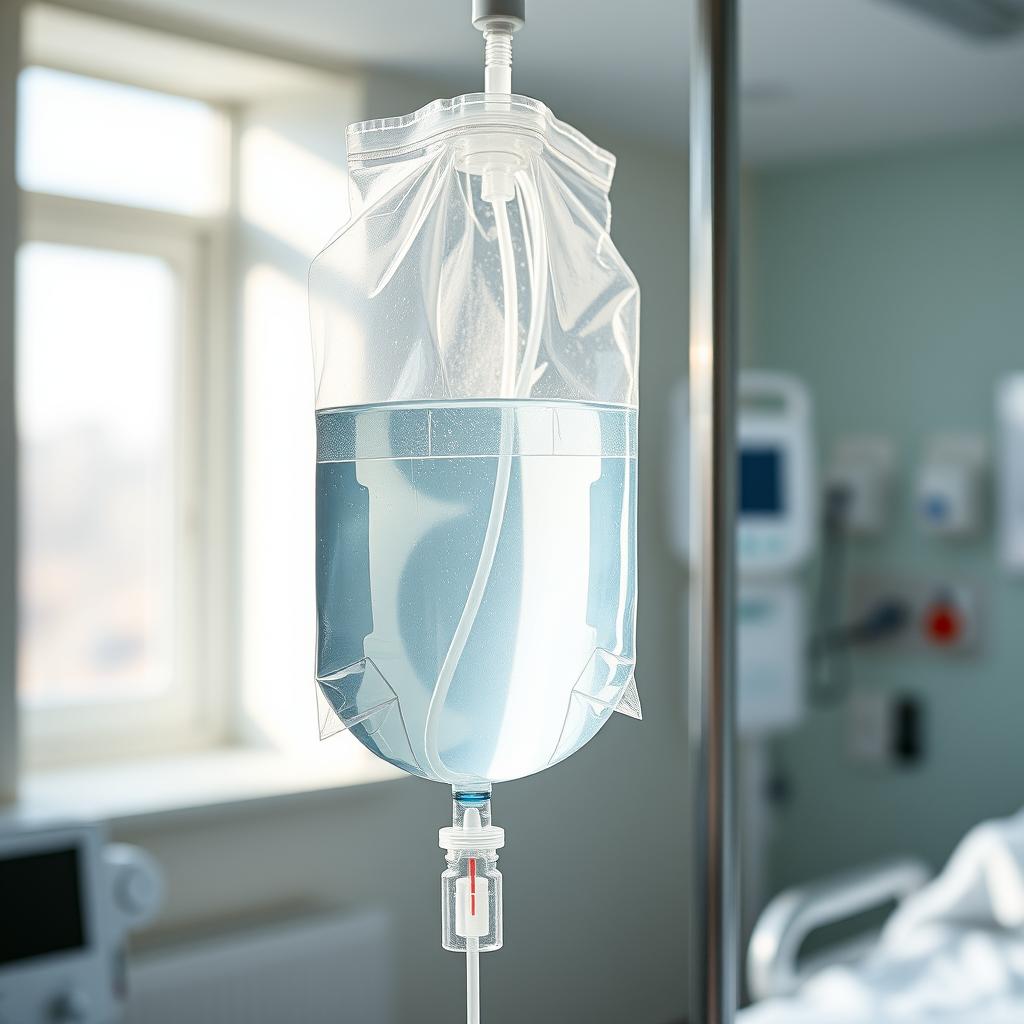
For CBI, a large bag of sterile solution (usually normal saline) is hung on an IV pole and connected to the irrigation port of a three way catheter. The fluid drips into the bladder at a prescribed rate, mixes with the urine and any blood or debris, and then drains out into a collection bag. Nurses carefully monitor the rate of the inflow and the volume and color of the outflow. The goal is to keep the draining fluid a light pink or clear color, which indicates that bleeding is under control and no large clots are forming. Continuous bladder irrigation is the standard of care after procedures like TURP.
Intermittent Bladder Irrigation
Intermittent bladder irrigation is a manual process performed as needed rather than continuously. This method is used when a catheter is already blocked or is draining slowly. A nurse or trained caregiver will use a large syringe filled with sterile saline to manually inject a small amount of fluid into the bladder through the catheter’s irrigation port.
After injecting the solution, they will gently pull back on the plunger to withdraw the fluid, along with the clot or debris causing the blockage. This process might be repeated a few times until the catheter is clear and draining properly. Intermittent irrigation is less common for managing post operative bleeding and is more often used to clear occasional blockages in long term catheter users. In some cases, patients or their family members can be trained to perform this type of bladder irrigation at home.
| Feature | Continuous Bladder Irrigation (CBI) | Intermittent Bladder Irrigation |
|---|---|---|
| Flow | Constant, automated drip from an IV bag | Manual, periodic flush using a syringe |
| Primary Use | Preventing clot formation after surgery (e.g., TURP) | Clearing an existing blockage in the catheter |
| Catheter Type | Requires a three way catheter | Can be done with a two way or three way catheter |
| Setting | Typically performed in a hospital | Can be done in a hospital, clinic, or at home |
| Monitoring | Requires close monitoring of inflow and outflow | Performed on an as needed basis |
The Bladder Irrigation Procedure: A Step by Step Look
Understanding the steps involved can help demystify the bladder irrigation procedure for patients and their families. While the specifics are handled by medical professionals, having a general idea of the process can reduce anxiety.
Preparation and Equipment
The first step is gathering the necessary sterile equipment. This includes the irrigation solution (typically bags of sterile normal saline), tubing to connect the bag to the catheter, a large syringe for intermittent flushing, sterile gloves, and antiseptic wipes. The patient will already have a catheter in place. For continuous bladder irrigation, the setup involves hanging the solution bag, running the tubing, and connecting it securely to the correct port on the catheter.
The Irrigation Process
For CBI, the nurse sets the drip rate on the tubing based on the doctor’s orders. This rate can be adjusted depending on the color of the drainage. If the drainage is dark red, the rate is increased to flush the bladder more quickly. If it becomes clearer, the rate may be slowed down. The fluid flows in, mixes inside the bladder, and then drains out into a large collection bag.
For an intermittent flush, the caregiver will disconnect the catheter from its drainage bag (or use a dedicated port), clean the connection point, and then slowly and gently inject the prescribed amount of saline. They will never force the fluid. After injecting, they draw back the fluid to remove the blockage.
Monitoring and Management
Careful monitoring is key to a successful bladder irrigation. Nurses regularly check a few things:
- Outflow vs. Inflow: They calculate the true urine output by subtracting the amount of irrigation fluid instilled from the total volume in the drainage bag. This is critical to make sure the bladder isn’t retaining fluid.
- Drainage Color: The color is a direct indicator of bleeding. The goal is to see the drainage lighten from red to pink to yellow/clear.
- Patient Comfort: They check for signs of pain, cramping, or a feeling of fullness, which could indicate a blockage or bladder spasms.
This close observation allows the medical team to make quick adjustments to the bladder irrigation rate and address any problems before they become serious.
Potential Risks and Complications to Be Aware Of
While bladder irrigation is a safe and common procedure, it is not without risks. Being aware of the potential complications is important for both patients and caregivers.
- Infection: Any time the urinary system is opened, such as when connecting irrigation tubing, there is a risk of introducing bacteria. This can lead to a urinary tract infection (UTI) or a more serious catheter associated urinary tract infection (CAUTI). Strict sterile technique is vital to minimize this risk.
- Bladder Spasms: The presence of a catheter and the flow of fluid can sometimes irritate the bladder muscle, causing it to contract suddenly. These spasms can be uncomfortable or painful and may sometimes force fluid around the catheter.
- Catheter Blockage: The very problem bladder irrigation aims to prevent can sometimes still happen. A large clot can form suddenly and block the catheter, causing fluid to back up. This requires immediate intervention.
- Water Intoxication or Electrolyte Imbalance: This is a rare but serious complication. If sterile water is used for irrigation instead of normal saline, the body can absorb the water through the bladder wall. This dilutes the body’s sodium levels, a condition called hyponatremia, which can be dangerous. For this reason, normal saline is the standard solution for bladder irrigation.
- Injury to the Bladder Lining: If the catheter is improperly placed or if fluid is flushed too forcefully during an intermittent irrigation, it can cause injury to the delicate lining of the bladder or urethra.
What Solutions Are Used for Bladder Irrigation?
The choice of solution for a bladder irrigation is extremely important. The overwhelming standard is 0.9% Normal Saline. This solution is isotonic, meaning it has the same salt concentration as the fluids in the human body. Because of this balance, it does not cause a significant fluid or electrolyte shift if some of it is absorbed by the bladder wall.
Sterile water is generally avoided for large volume or continuous irrigation because it is hypotonic. This means it has a lower salt concentration than the body. If absorbed in large amounts, it can cause the hyponatremia mentioned earlier. In some specific, limited circumstances, such as after certain bladder tumor removals, a urologist might order sterile water for a short duration, but this is not standard practice. Medicated solutions may also be used for specific treatments, but for general flushing and clot prevention, normal saline is the gold standard.
Frequently Asked Questions About Bladder Irrigation
How long does bladder irrigation last?
The duration of continuous bladder irrigation depends on the reason it was started. After surgery, it may last anywhere from 24 to 72 hours, or until the drainage remains clear after the irrigation is stopped. The medical team will gradually slow down the rate to see if bleeding has resolved before discontinuing it entirely.
Is bladder irrigation painful?
The procedure itself should not be painful. However, patients may experience some discomfort or a feeling of fullness in the bladder. Painful bladder spasms can occur, but these can often be managed with medication. If a patient feels sharp pain, it could signal a blockage and should be reported to a nurse immediately.
Can you do bladder irrigation at home?
Continuous bladder irrigation is performed in a hospital. However, intermittent bladder irrigation can be taught to patients or family caregivers to manage long term catheters at home. This is only done under the guidance of a healthcare provider, who will supply the proper training and sterile supplies.
What color should the urine be during continuous bladder irrigation?
Immediately after surgery, the drainage will likely be bright red or ketchup like. As the bladder irrigation continues, the desired color is a light pink, often described as “pink lemonade.” The ultimate goal is for the drainage to become pale yellow or completely clear, indicating that bleeding has stopped or slowed significantly.
Conclusion
Bladder irrigation is a fundamental and often necessary medical procedure designed to keep the urinary system clear and functional, particularly after surgery. By gently flushing the bladder with a sterile solution, it effectively prevents or removes blood clots and other debris that could lead to painful and serious blockages. Whether performed continuously in a hospital to manage post operative bleeding or intermittently to clear a catheter, the goal of bladder irrigation remains the same: to promote healing, prevent complications, and support patient recovery. Understanding its purpose and process can help patients feel more comfortable and informed about this important aspect of their care.