Getting a dental bone graft is a significant first step toward a stronger, healthier smile, especially if you’re preparing for a dental implant. But after the procedure, a big question pops into your mind: “What happens next?” Understanding the recovery process can make a world of difference, turning uncertainty into confidence. This guide provides a clear, week by week look at the dental bone graft healing stages, so you know exactly what to expect on your journey to a fully restored jawbone.
What is a Dental Bone Graft and Why is it Necessary?
Think of a dental bone graft as a form of regenerative scaffolding. It’s a procedure where a dentist or oral surgeon adds bone, or a bone like material, to your jaw. The goal is to stimulate your body to grow new, strong bone in an area where it has been lost. This is a common and highly successful procedure.
You might need a bone graft for several reasons:
- Preparing for a Dental Implant: Dental implants need a solid foundation of bone to anchor into. If a tooth has been missing for a while, the jawbone in that area can shrink, making a bone graft necessary to build it back up.
- After a Tooth Extraction: A procedure called “socket preservation” involves placing graft material into the empty socket immediately after a tooth is pulled. This prevents bone loss and preserves the site for a future implant.
- Addressing Bone Loss from Gum Disease: Advanced gum disease (periodontitis) can destroy the bone that supports your teeth. A bone graft can help regenerate some of that lost bone and improve stability.
Regardless of the reason, the recovery process follows a predictable path. Knowing the dental bone graft healing stages helps you play an active role in your recovery and spot any potential issues early.
The Immediate Aftermath: The First 24 48 Hours
The moment you leave the dental office, your body’s healing mechanism kicks into high gear. The first two days are all about managing the initial side effects of the surgery and protecting the delicate surgical site. A blood clot will form over the graft, which is the foundation for all new tissue growth.
During this period, expect some minor bleeding, swelling, and discomfort. Your dentist will provide specific instructions, which you should follow closely. This typically includes biting down on gauze for the first hour to control bleeding. Swelling often peaks around the 48 to 72 hour mark. Applying a cold pack to the outside of your cheek for 20 minutes on, 20 minutes off, can help reduce it.
Your primary job is to protect that blood clot. Avoid spitting, rinsing forcefully, or drinking through a straw, as the suction can dislodge the clot and disrupt the healing process. Stick to soft, cool foods like yogurt, applesauce, or smoothies (eaten with a spoon, not a straw!).
Your Week by Week Guide to Dental Bone Graft Healing Stages
Healing isn’t an overnight event, it’s a gradual process. The complete dental bone graft healing stages unfold over several months. While the external signs of healing appear within a few weeks, the crucial work of bone regeneration happens deep within the jaw for much longer. Here’s a breakdown of what you can expect.
Week 1: The Initial Healing Phase
This first week is one of the most important dental bone graft healing stages. Your body is focused on closing the soft tissue (your gums) over the graft site. The initial swelling and discomfort from the surgery will begin to fade significantly after the third day.
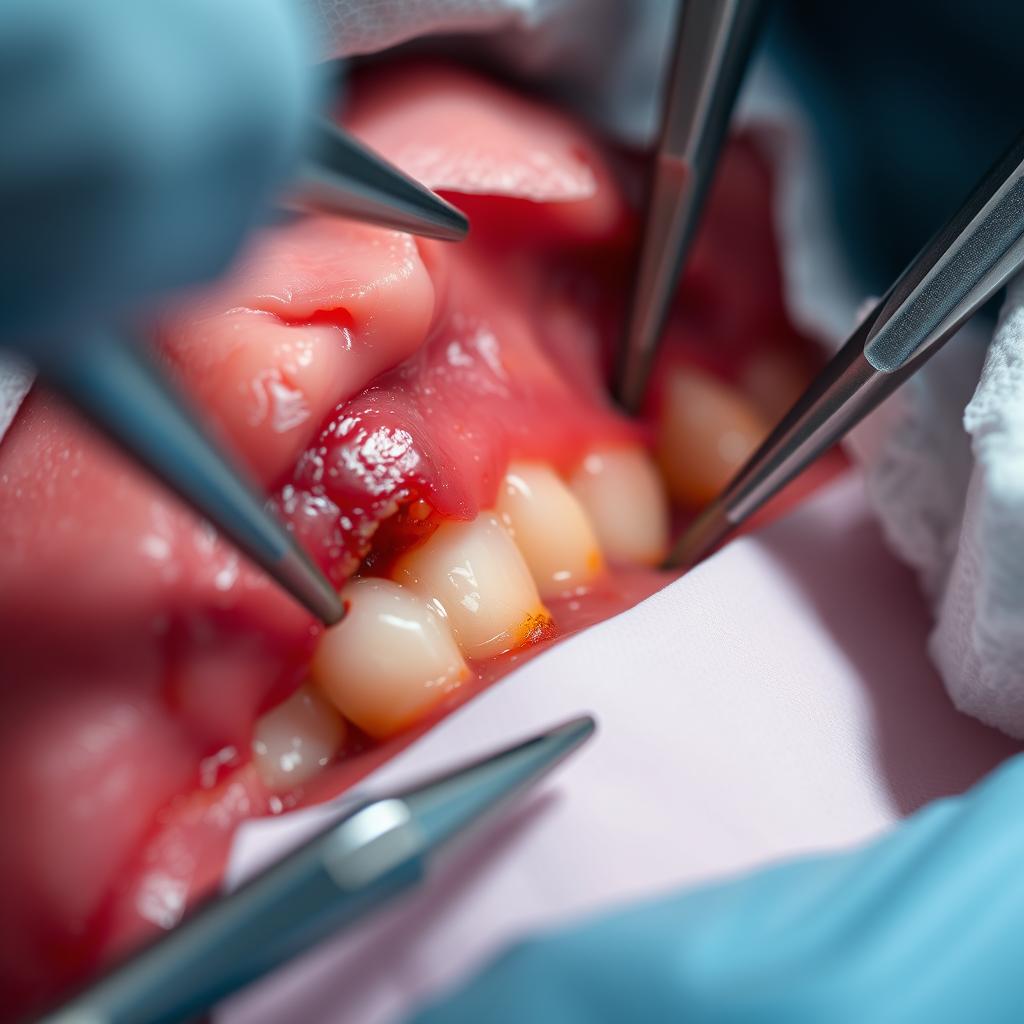
You may notice a few tiny, sand like granules in your mouth. This is usually just excess graft material and is completely normal in small amounts. Your gums are starting to heal and may look a little red and tender. You’ll likely still have sutures in place. Your dentist will tell you if they are the dissolving kind or if you need to return to have them removed.
During this week, your diet should remain soft. Think scrambled eggs, mashed potatoes, oatmeal, and soups. You can typically start rinsing very gently with a warm saltwater solution after the first 24 hours to keep the area clean. Avoid brushing the surgical site directly, but keep your other teeth clean to reduce bacteria in your mouth.
Weeks 2 4: Soft Tissue Recovery
By the second week, you should feel much more like yourself. The surface of your gums over the graft site should look mostly healed. Any bruising should be gone, and swelling should have completely disappeared. If you had non dissolving sutures, they are usually removed around the 10 14 day mark.
This is a major milestone in the dental bone graft healing stages because the graft material is now safely sealed beneath your healed gums. This protects it from the bacteria and food debris in your mouth. You can typically start reintroducing firmer foods into your diet, but continue to avoid chewing directly on the graft site. Avoid hard, crunchy, or sharp foods like chips or nuts that could irritate the area.
While the surface looks good, remember that the real work is just beginning underneath. The soft tissue healing is the first step, creating a safe environment for the bone to begin its slow regeneration process.
Month 1 to Month 4: The Integration Phase (Osteointegration)
This is the quiet but most critical phase of healing. During these months, a process called osteointegration occurs. Your body sends new bone building cells to the area, and they begin to use the graft material as a scaffold. They slowly dissolve the graft particles and replace them with your own natural, living bone.
From the outside, you won’t see or feel much happening. The gum tissue will look completely normal. However, deep within your jaw, a remarkable transformation is taking place as the graft integrates with your body. Following your dentist’s long term advice is essential during these important dental bone graft healing stages.
You will likely have few, if any, restrictions on your diet or activities at this point, but you should still be mindful of the area. The success of these dental bone graft healing stages depends on this uninterrupted period of bone growth.
Month 4 to 6+: Maturation and Readiness
By the fourth month, the majority of the new bone has been built. The final months of the process are for maturation, where the new bone becomes denser, stronger, and more stable. The timeline can vary depending on the size of the graft, the type of material used, and your individual healing capacity.
Your dentist will schedule a follow up appointment, which will include an X ray or a 3D scan (CBCT). This imaging allows them to see the density and volume of the new bone, confirming whether the graft was successful. If the results are good, you will be cleared for the next step of your treatment, which is often the placement of a dental implant. Completing all the dental bone graft healing stages successfully sets the stage for a long lasting and stable tooth replacement.
Visualizing the Healing Timeline: A Summary Table
To make the process easier to understand, here is a table summarizing the key dental bone graft healing stages.
| Timeframe | Key Events & Sensations | Recommended Actions |
|---|---|---|
| 0 48 Hours | Initial bleeding, swelling, and mild discomfort. Blood clot formation. | Bite on gauze, use cold packs, take pain medication as prescribed, eat cool, soft foods. No straws, spitting, or forceful rinsing. |
| Week 1 | Swelling subsides, gums begin to close. Minor loss of graft particles (“sand”) is possible. | Continue soft food diet. Begin gentle warm salt water rinses after 24 hours. Avoid the surgical site when brushing. |
| Weeks 2 4 | Gums appear healed on the surface. Sutures may dissolve or be removed. | Gradually introduce firmer foods, but avoid chewing on the graft site. Maintain excellent oral hygiene. |
| Months 1 4 | Bone integration (osteointegration). The graft material is replaced by new bone. No external signs. | Live normally but follow any specific long term advice from your dentist. Protect the area from trauma. |
| Months 4 6+ | New bone matures and becomes dense. The site is evaluated for implant placement. | Attend follow up appointments for X rays to confirm graft success. |
Signs of Normal Healing vs. Potential Complications
Knowing what’s normal can prevent a lot of anxiety. At the same time, it’s important to recognize warning signs so you can contact your dentist promptly if something is wrong. Understanding both sides is a part of navigating the dental bone graft healing stages.
What Healthy Healing Looks Like
- Pain and swelling that peak within 3 days and then steadily decrease.
- Minor bleeding that stops within the first 24 hours.
- The gum tissue gradually turns from red to a healthy pink.
- Feeling a few tiny, salt sized graft particles in your mouth during the first week.
When to Call Your Dentist: Warning Signs
While complications are rare, they can happen. Contact your dentist’s office if you experience any of the following:
- Pain or swelling that gets worse after the third day.
- A foul odor or bad taste coming from the surgical site that doesn’t go away with gentle rinsing.
- Pus or yellow/white discharge from the site.
- A fever that develops days after the procedure.
- Numbness in your lips, chin, or tongue that persists hours after the local anesthetic should have worn off.
- Large amounts of graft material becoming dislodged (more than just a few granules).
Early intervention is key to resolving any issues and getting your healing back on track. Don’t hesitate to call if you feel something isn’t right.
Tips for a Smooth Recovery Through All Healing Stages
Your habits and actions have a direct impact on your healing. To support a successful outcome through all dental bone graft healing stages, follow these tips:
- Do Not Smoke: Smoking restricts blood flow, which carries oxygen and nutrients essential for healing. It is one of the biggest risk factors for graft failure.
- Follow Medication Instructions: Take any prescribed antibiotics and pain relievers exactly as directed by your dentist. Finish the entire course of antibiotics.
- Maintain Gentle Oral Hygiene: Keeping your mouth clean is vital to prevent infection. Brush and floss your other teeth as usual, but be very careful around the surgical area until your dentist gives you the okay to brush it gently.
- Eat a Nutritious Diet: Your body needs fuel to heal. Stick to soft foods rich in vitamins and protein.
- Stay Hydrated: Drink plenty of water.
- Attend All Follow Up Appointments: These visits allow your dentist to monitor your progress and check that the dental bone graft healing stages are proceeding as expected.
Frequently Asked Questions About Dental Bone Graft Healing
Here are answers to some common questions patients have about the recovery process.
How long does pain last after a dental bone graft?
Significant pain is uncommon. You will likely experience discomfort for 2 3 days, which should be easily managed with over the counter or prescribed pain medication. If pain worsens after day 3, contact your dentist.
Is it normal to see bone graft particles in my mouth?
Yes, it is very common to notice a few small, gritty particles in your mouth during the first few days. The surgeon often packs a little extra material, and these are just loose granules that did not get contained under the membrane. However, if you see a large amount come out, you should call your dental office.
When can I eat normally again?
You should stick to a soft diet for the first week. After your gums have healed over (typically 1 2 weeks), you can gradually return to a normal diet. It’s wise to avoid chewing directly on the graft site for several weeks to avoid putting pressure on the area.
How do I know if my bone graft is failing?
Signs of a failing graft include persistent pain or swelling, signs of infection like pus or a foul odor, or significant loss of graft material. Your dentist will ultimately confirm success with an X ray, but if you notice these symptoms, seek professional advice quickly.
Conclusion
The journey through the dental bone graft healing stages is a marathon, not a sprint. While the initial recovery is quick, the most important work of bone regeneration happens silently over several months. By understanding the timeline from the immediate aftercare in the first 48 hours to the final bone maturation months later you can be a knowledgeable and patient participant in your own healing. Following your dentist’s instructions, maintaining good oral hygiene, and being aware of the signs of normal recovery are the keys to building a strong foundation for your future smile.