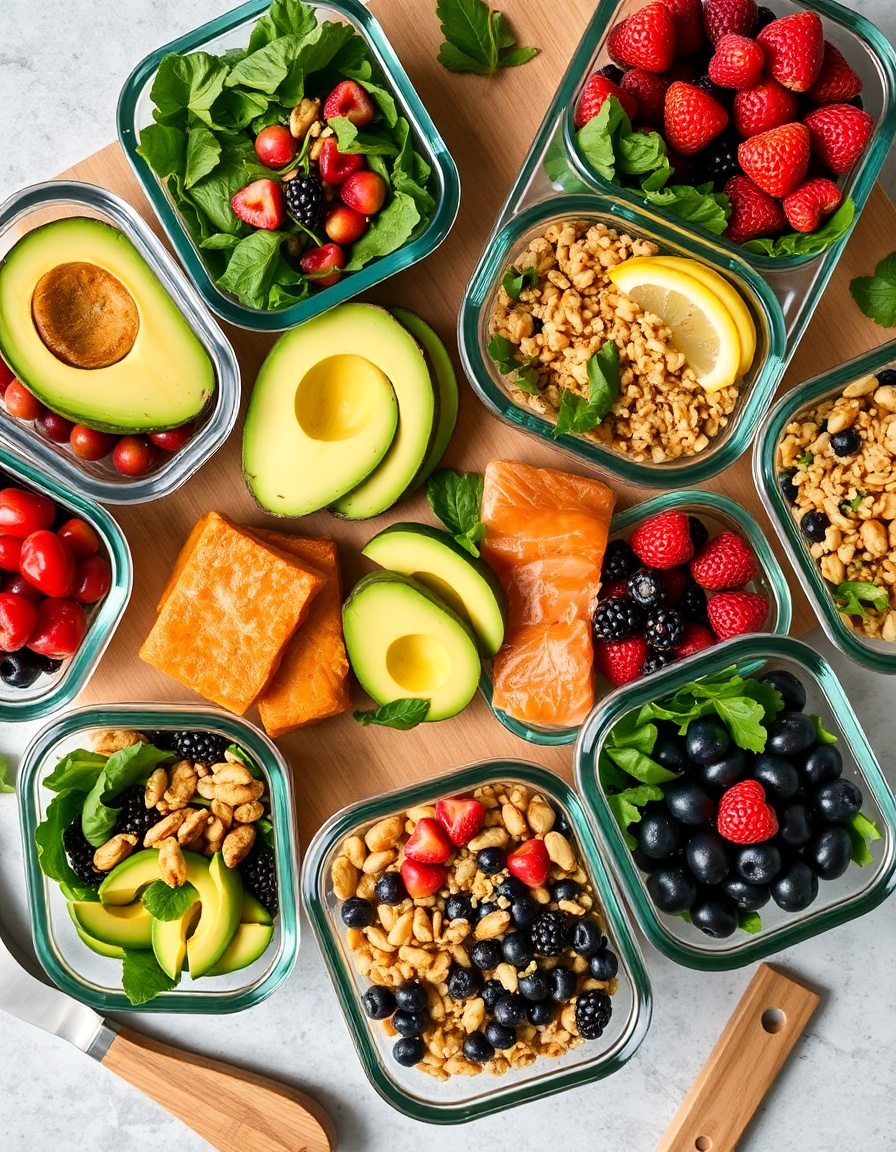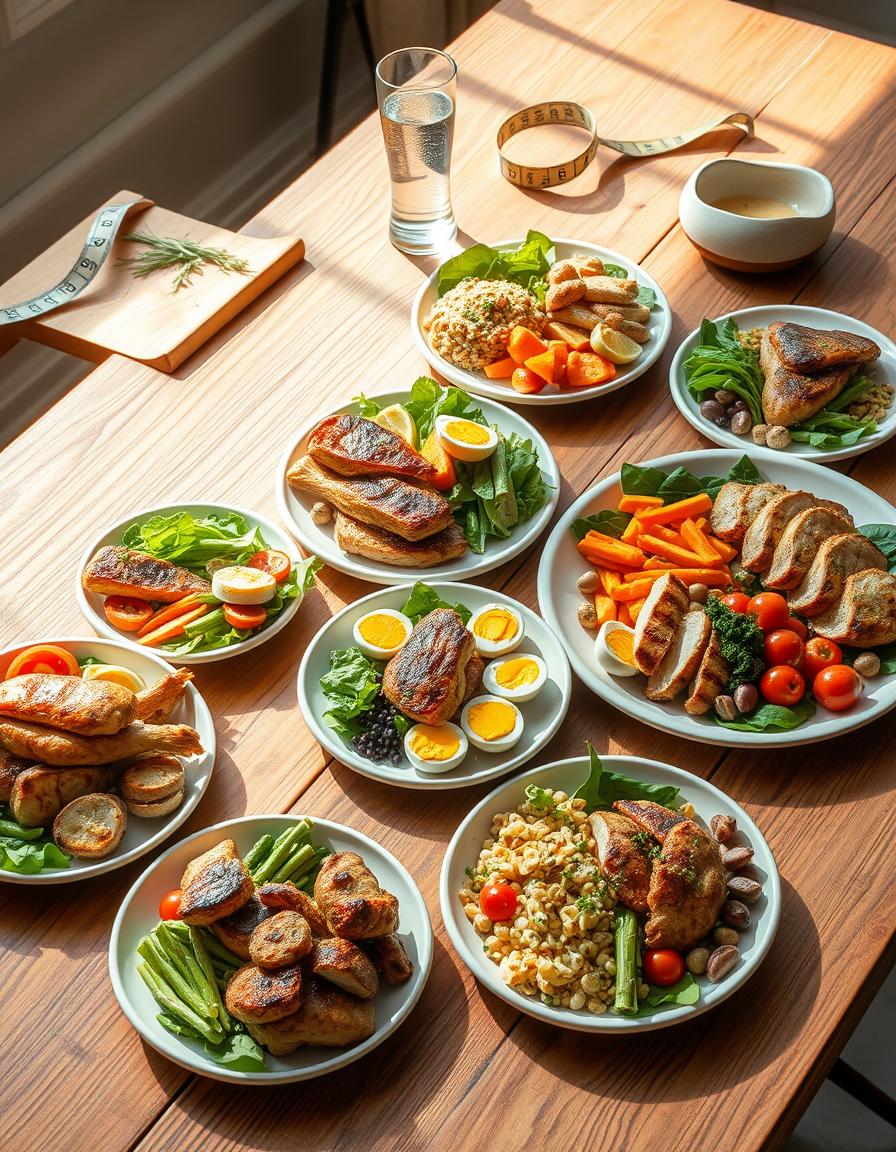
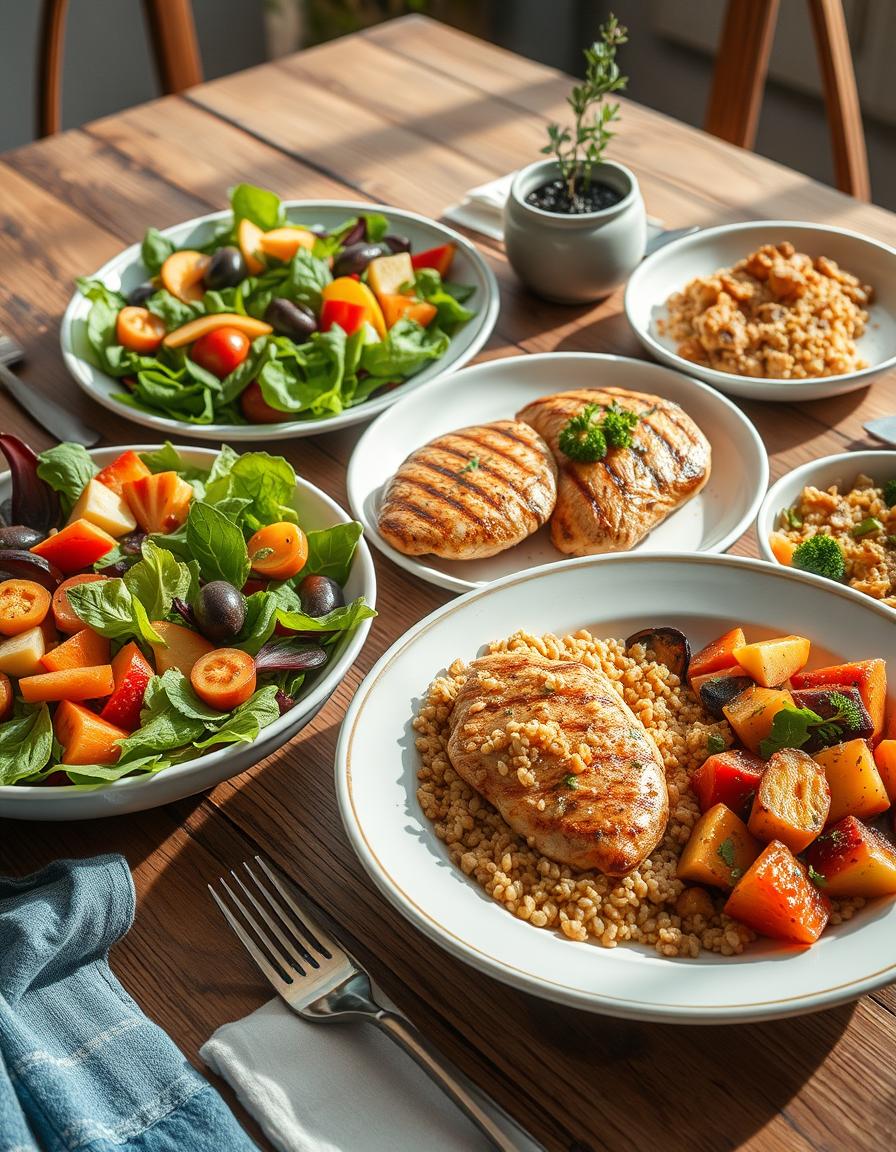
Reducing sodium intake can feel like a tough challenge, especially since salt hides in many everyday foods. However, lowering sodium is vital for maintaining healthy blood pressure and supporting overall heart health. A well-planned eating routine can help you cut back on sodium without sacrificing flavor or satisfaction. A 7-day low sodium diet meal plan offers a clear path to enjoy meals that are both tasty and better for your body. This guide provides easy ideas, meal suggestions, and helpful tips to keep sodium levels in check all week long.
Why Lowering Sodium Matters
Too much sodium can cause your body to hold onto extra water, leading to higher blood pressure and increased strain on your heart. Many people consume well over the recommended daily limit of 2,300 milligrams, often unknowingly. Salt sneaks into processed foods, restaurant dishes, and even some breads and snacks.
Cutting back on sodium helps reduce the risk of stroke, heart disease, and kidney problems. It also supports better kidney function and may ease swelling and bloating. The good news is that lowering sodium doesn’t mean bland or boring meals. Simple swaps and fresh ingredients can bring excitement back to your plate.
Tips to Keep Sodium Low
- Cook more at home: Controlling ingredients means controlling salt.
- Read labels carefully: Choose products labeled “low sodium” or “no added salt.”
- Use herbs and spices: Fresh herbs, garlic, lemon, and pepper boost flavor without salt.
- Limit processed foods: These often contain hidden sodium.
- Rinse canned goods: Rinsing beans and vegetables cuts some salt.
7-Day Low Sodium Diet Meal Plan Overview
This 7-day low sodium diet meal plan focuses on whole foods like vegetables, fruits, lean proteins, and whole grains. Each day includes three meals and one snack, aiming to keep sodium below the recommended limit while still offering variety and flavor.
| Day | Breakfast | Lunch | Dinner | Snack |
|---|---|---|---|---|
| 1 | Oatmeal with fresh berries and cinnamon | Grilled chicken salad with mixed greens and lemon vinaigrette | Baked salmon, brown rice, steamed broccoli | Apple slices with unsalted almond butter |
| 2 | Greek yogurt with honey and sliced banana | Quinoa bowl with black beans, avocado, and fresh salsa | Vegetable stir-fry with tofu and low-sodium soy sauce | Carrot sticks with hummus |
| 3 | Whole grain toast with mashed avocado and tomato | Turkey and veggie wrap in a whole wheat tortilla | Grilled shrimp, couscous, and roasted asparagus | Mixed berries |
| 4 | Scrambled eggs with spinach and mushrooms | Lentil soup (homemade, low salt) with side salad | Roasted chicken, sweet potato, steamed green beans | Fresh peach or nectarine |
| 5 | Smoothie with kale, pineapple, and unsweetened almond milk | Chickpea salad with cucumbers, tomatoes, and olive oil | Whole wheat pasta with homemade tomato sauce and zucchini | handful of unsalted nuts |
| 6 | Low-sodium cottage cheese with sliced peaches | Grilled veggie sandwich on whole grain bread | Beef stir-fry with bell peppers and brown rice | Celery sticks with peanut butter |
| 7 | Chia pudding topped with fresh strawberries | Spinach and mushroom salad with grilled chicken | Baked cod, quinoa, steamed carrots | Air-popped popcorn (unsalted) |
Breakfast Ideas to Keep Sodium Low
Starting the day with a low sodium breakfast is easier than it seems. Oatmeal with berries, eggs cooked with fresh vegetables, or yogurt with fruit add plenty of nutrients without extra salt. Avoid processed breakfast meats and prepackaged pastries that often pack a hidden sodium punch.
Quick Morning Tip
Try adding a dash of cinnamon or a squeeze of fresh lemon to your breakfast dishes for extra zing instead of salt.
Low Sodium Lunches That Satisfy
Lunches can be colorful and filling by focusing on fresh vegetables, lean proteins, and whole grains. Salads with lemon or vinegar-based dressings work wonders. Homemade soups prepared without added salt are comforting and nourishing. Wraps with fresh fillings are handy and low in sodium when you skip processed sauces.
Simple Salad Dressing Recipe
- 2 tablespoons olive oil
- 1 tablespoon fresh lemon juice
- 1 teaspoon honey
- Fresh cracked black pepper to taste
- Optional: minced garlic or Dijon mustard for a little kick
Whisk together and drizzle over salads for bright flavor without salt overload.
Dinner Ideas That Keep It Flavorful
Dinner is a great time to experiment with herbs like rosemary, thyme, basil, and cilantro. Roasting meats and vegetables brings out natural flavors that need little or no added salt. Grains such as brown rice, quinoa, or whole wheat pasta provide substance and absorb the flavors of herbs and spices beautifully.
If you’re craving pizza, try a carnivore diet pizza recipe—a unique way to enjoy pizza with lower sodium and high protein ingredients. It’s a clever option when you want a treat without reaching for high-sodium options.
Flavor Boosters Without Salt
- Fresh herbs like parsley or cilantro
- Spices such as paprika, cumin, or turmeric
- Zest and juice from citrus fruits
- Garlic and onion powder (check labels for no salt added)
Snacks That Stay Sodium-Smart
Snacking on fresh fruits, veggies, or unsalted nuts keeps energy up between meals without adding unwanted salt. Homemade popcorn with a sprinkle of nutritional yeast or your favorite herb blend can satisfy cravings. Hummus made at home without salt is creamy and delicious with crunchy veggies. Staying mindful about snacks prevents sneaky sodium overload.
Shopping List for Your 7-Day Low Sodium Diet Meal Plan
| Category | Items to Buy |
|---|---|
| Fruits | Apples, berries, bananas, peaches, lemons, avocados |
| Vegetables | Spinach, broccoli, carrots, mushrooms, bell peppers, tomatoes, kale, cucumbers, asparagus |
| Proteins | Chicken breast, salmon, shrimp, lean beef, tofu, eggs, unsalted nuts |
| Grains | Brown rice, quinoa, whole wheat pasta, oats, whole grain bread or wraps |
| Dairy & Alternatives | Low sodium cottage cheese, Greek yogurt, unsweetened almond milk |
| Pantry | Olive oil, honey, cinnamon, garlic powder (no salt), low sodium soy sauce, nutritional yeast |
Final Suggestions for Success
Changing eating habits takes some getting used to, but the benefits are worth the effort. Start by preparing a few recipes from the 7-day low sodium diet meal plan and gradually build new routines. Keep seasoning simple but flavorful, and always check food labels. If you eat out, ask for dressings and sauces on the side, and avoid salty condiments.
Remember, reducing sodium doesn’t mean you can’t enjoy what you eat. With a little creativity and fresh ingredients, your meals will be delicious and kind to your heart. A small shift today can lead to healthier habits for a lifetime.
Conclusion
Lowering sodium intake is a smart move to protect your health without losing the joy of eating. A 7-day low sodium diet meal plan provides an easy-to-follow structure to help you make better food choices. Emphasizing fresh, whole ingredients and smart seasoning brings out natural flavors while keeping sodium in check. Whether you’re cooking for yourself or your family, this plan offers variety, taste, and wellness all on one plate. Enjoy experimenting with new recipes, and don’t be afraid to bring your own personality to the kitchen—it’s a journey worth taking!

Timo is the founder of LiteDietPlan.com, where smart nutrition meets simple living.