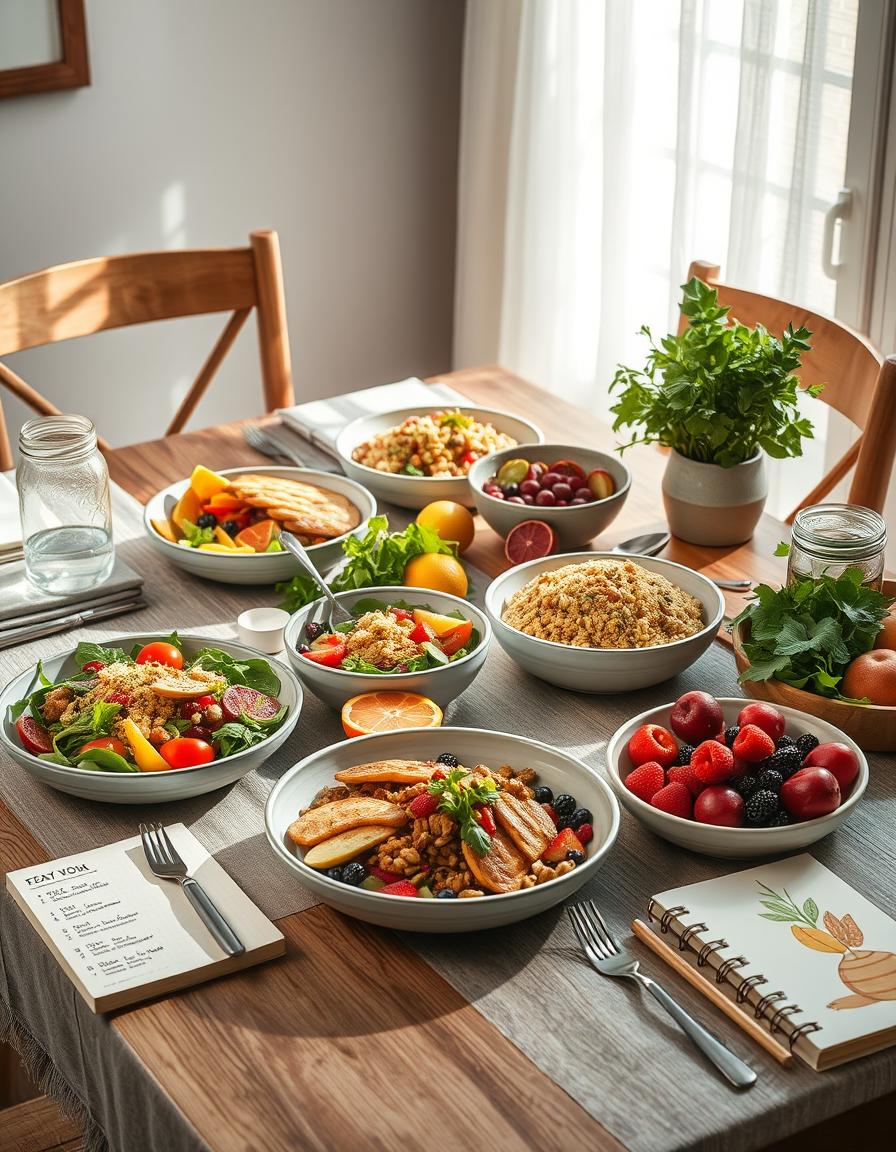

Building muscle is more than just hitting the gym hard; what you eat plays a huge role in how effectively you gain strength and size. A proper muscle gain diet plan helps fuel your workouts, repair your muscles afterward, and supports steady growth over time. With the right foods and a smart approach to nutrition, you can maximize your muscle-building results and feel energized throughout the day.
Why Nutrition Matters for Muscle Growth
Imagine trying to build a house without bricks or mortar—it just wouldn’t work, right? Your muscles are similar. They need nutrients to grow and get stronger. Without the right diet, all those hours lifting weights might not lead to significant muscle gains. Proteins act like the building blocks, while carbs and fats give you the energy to push through workouts.
Muscle-building isn’t just about eating more; it’s about eating right. That’s where a muscle gain diet plan comes in handy. It ensures you get enough calories and the right amounts of protein, carbs, and fats to help your muscles grow efficiently.
Key Components of a Muscle Gain Diet Plan
Protein: The Muscle Builder
Protein is the superstar nutrient when it comes to muscle growth. It provides amino acids, which are essential for repairing tiny tears in muscle fibers caused by exercise. A good muscle gain diet plan should include high-quality protein sources like chicken, fish, eggs, dairy, beans, and even plant-based proteins like tofu.
- Daily recommendation: Aim for 1.2 to 2.0 grams of protein per kilogram of body weight.
- Spread your protein intake evenly across meals to help with continuous muscle repair.
Carbohydrates: Fuel for Performance
Carbohydrates are your body’s preferred energy source. Without enough carbs, you might feel drained during workouts, which can slow down muscle growth. Whole grains, fruits, vegetables, and legumes should make up the bulk of carbs in your diet.
- Include complex carbs like brown rice, oats, and sweet potatoes for steady energy.
- Simple carbs like fruits can be great right after workouts to replenish glycogen.
Fats: The Unsung Hero
Fats often get a bad reputation, but they’re crucial for hormone production and overall health. Healthy fats from nuts, seeds, avocados, and olive oil help maintain testosterone levels, which play a role in muscle growth.
- Don’t avoid fats; instead, choose quality sources.
- Keep fats to about 20-30% of your total daily calories.
How to Structure Your Muscle Gain Diet Plan
Consistency is key when building muscle, especially with nutrition. Here’s a simple way to organize your eating schedule and foods for muscle gain.
| Meal | Recommended Foods | Purpose |
|---|---|---|
| Breakfast | Oats, eggs, fruit, nuts | Kickstart metabolism and provide energy for the day |
| Snack | Greek yogurt, berries, protein shake | Keep protein levels high and hunger low |
| Lunch | Grilled chicken, quinoa, veggies, avocado | Build and repair muscle, sustain energy |
| Pre-workout | Banana, peanut butter, whole wheat toast | Provide quick and slow-burning energy |
| Post-workout | Protein shake, fruit, rice cakes | Refuel muscles and jumpstart recovery |
| Dinner | Salmon, sweet potato, steamed vegetables | Repair muscles and prepare for overnight recovery |
Tips to Enhance Your Muscle Gain Diet Plan
- Stay hydrated! Water helps transport nutrients to your muscles and supports recovery.
- Eat frequently—around every 3 to 4 hours—to keep your body fueled.
- Adjust portion sizes based on your activity level and progress.
- Include a variety of colorful vegetables for vitamins and minerals.
- Don’t skip healthy snacks, as they fill nutrient gaps and help maintain calorie intake.
One common mistake is obsessing over complicated meals. You don’t have to turn every eating moment into a major event! If you want to build a [healthy eating aesthetic] that’s simple, enjoyable, and effective, focus on wholesome ingredients and balance rather than perfection.
Common Myths About Muscle Gain Nutrition
Myth 1: You Need to Eat Protein Every 2 Hours
While spreading protein intake helps muscle repair, you don’t need to get obsessive about clock-watching. A balanced intake spread over 3-5 meals daily is enough for steady muscle growth.
Myth 2: More Calories = More Muscle
Eating a huge surplus can lead to unwanted fat gain. Aim for a moderate calorie surplus that supports muscle building without going overboard. This approach keeps you lean while making gains.
Myth 3: Supplements Are Required
Supplements like protein powders or creatine can help but aren’t essential. Whole foods provide all the nutrients you need if you plan your muscle gain diet plan wisely.
Sample Muscle Gain Diet Plan for a Day
| Time | Meal | Example | Calories (approx.) |
|---|---|---|---|
| 7:00 AM | Breakfast | 3 scrambled eggs, whole grain toast, banana | 450 |
| 10:00 AM | Snack | Greek yogurt with mixed berries | 200 |
| 1:00 PM | Lunch | Grilled chicken breast, brown rice, broccoli | 600 |
| 4:00 PM | Pre-workout | Peanut butter on whole wheat bread, apple | 350 |
| 6:30 PM | Post-workout | Protein shake, rice cakes | 300 |
| 8:00 PM | Dinner | Salmon, sweet potato, mixed greens salad | 550 |
Conclusion
Creating a muscle gain diet plan is about balance, variety, and consistency. Focusing on the right amounts of protein, carbs, and fats will fuel your workouts and help muscles recover and grow. Remember, the quality of food matters just as much as quantity, so stick to whole, nutrient-rich options.
Don’t stress about perfection; enjoy meals that make you feel good and support your strength goals. With good nutrition combined with regular training, you’ll see steady progress in your muscle building journey. Just like building a strong foundation, good eating habits today lead to impressive gains tomorrow.

Timo is the founder of LiteDietPlan.com, where smart nutrition meets simple living.