
Why would anyone want to reduce the salt in their beloved corned beef brisket? For many, the answer lies in health concerns lowering sodium intake can benefit heart health and overall wellness. Others may simply prefer a less salty bite or seek a light, natural flavor profile that doesn’t overwhelm the senses. But here’s the challenge: can you enjoy deep, authentic flavors without relying on heaps of salt?
The good news? You can absolutely have it both ways. With a few thoughtful adjustments to your technique, low salt corned beef brisket can remain a robust, mouthwatering centerpiece, even if you trim down the salt content. Here’s a handy roadmap for striking a perfect flavor balance:
- Start Fresh: Consider brining your own brisket with a low sodium solution rather than relying on store bought versions.
- Rinse or Soak: Reduce excess salt by rinsing the meat thoroughly or letting it soak in water before cooking.
- Boost Flavor with Spices: Experiment with bold seasonings like garlic, cloves, mustard seeds, and bay leaves to create depth without salt.
- Choose Low-Sodium Cooking Liquids: Swap out traditional salt heavy broths for low sodium alternatives or even water infused with aromatic vegetables.
If you’ve ever wondered whether flavor has to take a backseat in a low salt approach, prepare to be pleasantly surprised. By combining creative brining methods and clever spice blends, it’s easy to customize your next corned beef brisket for both health and taste satisfaction.
Getting Started: The Right Brisket
Choosing the perfect brisket is the first step to creating a delicious low salt corned beef brisket. If you’re buying pre packaged corned beef, check labels carefully for sodium content some brands now offer low sodium options, which are ideal for healthier adaptations. Farmers’ markets or butcher shops may even have unbrined brisket, giving you full control over how it’s prepared.If you’re feeling adventurous, what about making your own low salt brine? It’s easier than you might think and ensures every ingredient aligns with your dietary needs. Start with this basic recipe:
- Water (enough to cover the brisket)
- Coarse kosher salt (use sparingly for a low sodium base)
- Brown sugar for a subtle sweetness
- Crushed garlic, coriander seeds, and mustard seeds for flavor
- A splash of white vinegar (optional)
Mix the ingredients and let the brisket soak for 5–7 days, depending on the thickness. Longer brining leads to deeper flavor penetration, but ensure you rinse the meat before cooking to prevent excess saltiness.
For those exploring alternative protein options to shake up their meals, be sure to check out this guide on beef jerky .It’s a fun way to experiment with bold seasoning techniques that pair well with brisket dishes.
Ultimately, finding the right brisket and brine sets the stage for a corned beef experience that’s both flavorful and healthy and worth every bite.
Desalting Tips for Store Bought Brisket
1. Thoroughly Rinse the Brisket
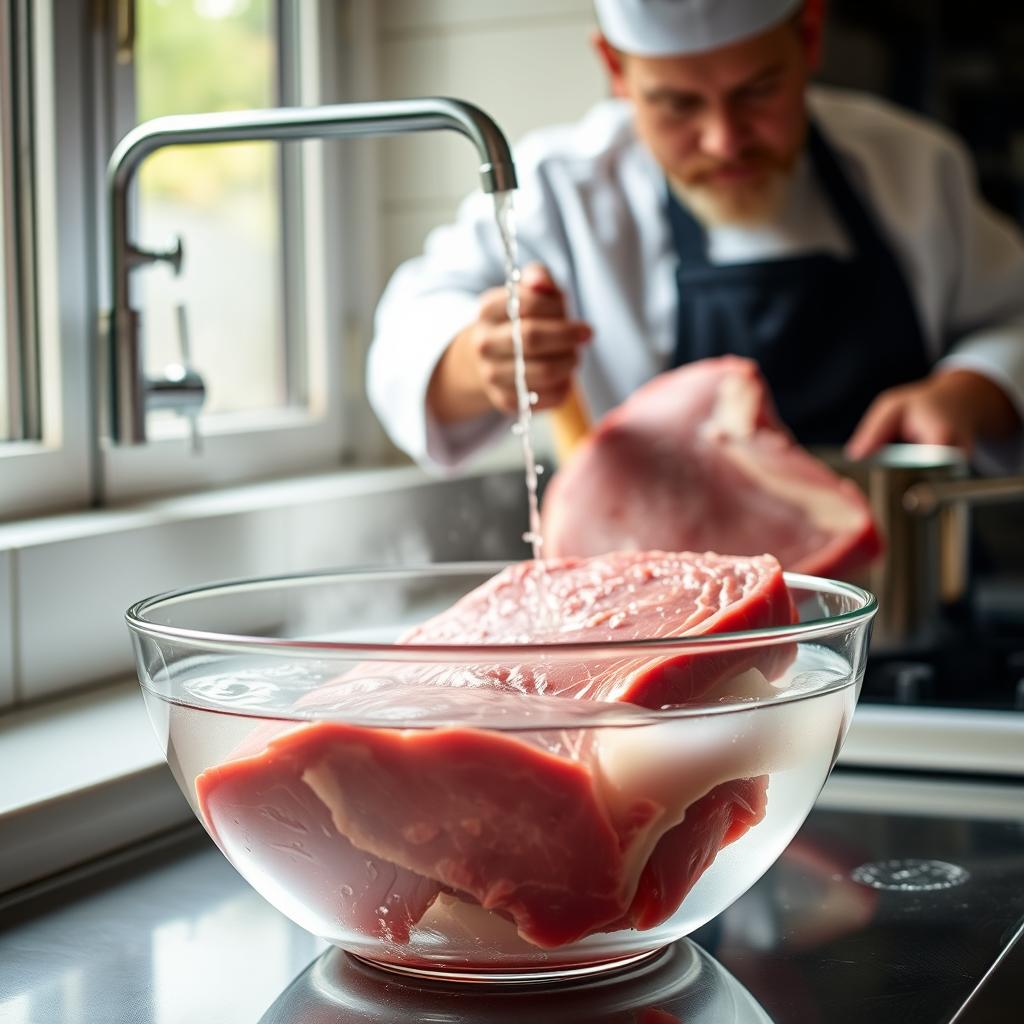
Start by unwrapping your brisket and giving it a good rinse under cold running water. This simple step washes off much of the residual brine that clings to the surface of the meat. Take the time to gently rub the brisket with your fingers or a soft brush to lift away any excess salt. However, don’t go overboard rinsing removes surface salt, not the brine that has seeped deep into the meat.
2. Soak the Brisket: A Game Changer
For deeper salt reduction, soaking is your best friend. Place the brisket in a large bowl or stockpot filled with cold water, ensuring the meat is fully submerged. Let it soak for a minimum of 2 hours, but for optimal results, aim for 12–24 hours. Change the water every 2–4 hours to further draw out salt. The longer the soak and the more frequently the water is refreshed, the less sodium remains in the meat. It’s a simple process, but trust me, your taste buds will thank you.
3. Parboiling: A Quick Fix
For those short on time, consider parboiling as an effective method. Place the brisket in a pot of cold water, bring it to a gentle boil, and let it simmer for 10–15 minutes. This process helps release some of the salt into the cooking water. After parboiling, discard the water and proceed with your preferred cooking method. While this won’t remove as much salt as soaking, it’s a fast and viable alternative.
The table below summarizes the key benefits and time commitments for each desalting method:
| Desalting Method | Benefits | Time Required |
|---|---|---|
| Rinsing | Removes surface salt; quick and easy | 2–5 minutes |
| Soaking | Significantly reduces sodium; ideal for low-salt diets | 2–24 hours (changing water every 2–4 hours) |
| Parboiling | Quick salt reduction; suitable for faster prep | 10–15 minutes |
By experimenting with these desalting techniques, you can enjoy a low salt corned beef brisket without sacrificing flavor. So next time you’re preparing a brisket, don’t hesitate to rinse, soak, or parboil your way to culinary perfection!
Layering Flavor Without Relying on Salt
When preparing a low salt corned beef brisket, the challenge often lies in finding ways to amplify flavor without defaulting to the traditional heavy handed use of sodium. Luckily, there are plenty of natural flavor boosters and creative techniques that can make your dish both satisfying and health conscious. Let’s explore how you can elevate your brisket using simple yet impactful methods.
Natural Flavor Boosters
Spices and aromatics are your best friends. Consider layering bold flavors with items like:
- Fresh garlic or roasted garlic for depth.
- Warm spices such as peppercorns, mustard seeds, cloves, and coriander.
- Crushed bay leaves to introduce a subtle herbal tone.
Liquid Alternatives
Replacing traditional salty brines is easier with versatile liquid options:
- Low sodium beef broth: A savory, rich base to enhance meat flavor.
- Unsalted tomato juice: A tangy touch that pairs beautifully with the brisket.
- Cider vinegar: Adds a balancing acidity to complement the spices.
- Dark beer: Offers earthy undertones and natural sweetness as it cooks.
Adding Sweetness
Sugar doesn’t have to come from the shaker. Incorporate hints of sweetness with ingredients like honey, maple syrup, or molasses to round out the flavors while maintaining a sophisticated profile.
| Flavor Component | Recommended Ingredients | Benefits |
|---|---|---|
| Spices & Aromatics | Garlic, Peppercorns, Cloves, Mustard Seed, Coriander | Enhance complexity and add bold, satisfying flavors. |
| Liquid Base | Low-Sodium Beef Broth, Unsalted Tomato Juice, Cider Vinegar, Dark Beer | Build moisture while layering rich and complementary tastes. |
| Natural Sweeteners | Honey, Maple Syrup, Molasses | Balance savory notes and reduce potential bitterness. |
For those seeking more nourished mornings, another great way to add protein and flavor balance to your day can be found in kodiak protein pancakes nutrition, offering a wholesome twist to traditional meals.
Cooking Techniques that Enhance Flavor
1. Slow Cooker: Set It and Forget It
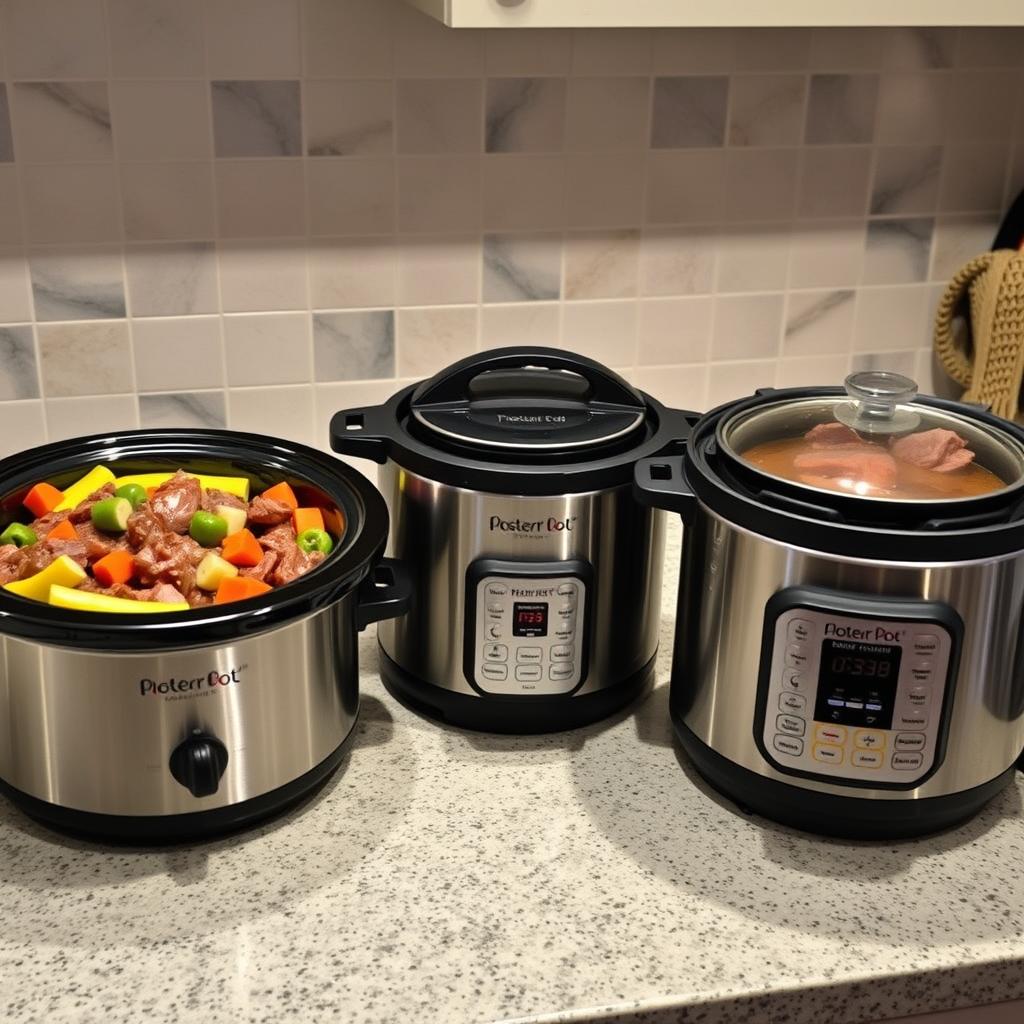
The slow cooker is a perfect method for hands off cooking with results that don’t disappoint. On low heat, the beef gently cooks for about 8–10 hours, breaking down tough fibers while soaking up the flavors of the broth and spices. Vegetables like carrots and cabbage can be added in the last 2–3 hours to avoid over softening, ensuring they retain texture and absorb just the right amount of seasoning.
2. Stovetop Simmer: Traditional and Aromatic
If you’re a fan of tradition, simmering the brisket on the stovetop is a classic approach. Use a large pot and cover the brisket with water or low sodium broth. To reduce excess salt, rinse the meat well beforehand. Cooking time typically ranges from 3–4 hours, depending on the size of the brisket. Add your vegetables halfway through to let their natural sweetness blend into the dish.
3. Pressure Cooker: Quick and Flavorful
Pressed for time? The pressure cooker is your answer. It cuts cooking time to about 60–90 minutes while locking in flavors. To prevent vegetables from turning mushy, add them during the last 10 minutes. This method ensures a tender, juicy brisket while preserving a balanced flavor profile.
Regardless of the method you choose, timing your additions and soaking your meat beforehand are game-changers for flavor. So, which technique will you try for your next brisket dinner?
Flavorful Finishes: Elevate Your Low Salt Corned Beef Brisket
When your low salt corned beef brisket is perfectly simmered, why stop there? Take the flavor to the next level by finishing it with a roasting step or adding a luscious glaze. The caramelized crust combined with bold glazes ensures every bite is memorable proof that low salt does not mean low flavor.
Why Roast After Simmering?
While simmering is key for tenderizing the brisket, roasting in the oven creates a beautifully caramelized exterior. This layer of flavor adds depth think smoky sweetness with crispy edges. Consider roasting in a preheated oven at 375°F for 15–20 minutes. The result? A fork-tender brisket with a delightful crunch.
Mouthwatering Glaze Options
Pair your brisket with one of these low sodium glaze options:
- Low Sugar Honey Mustard: A tangy mix of Dijon mustard, honey, and a dash of apple cider vinegar.
- Balsamic Reduction: Sweet, savory, and bold with just a hint of acidity for balance.
- Garlic Herb Butter: Infused with fresh parsley, thyme, and roasted garlic for a rich finish.
Pan Juices Turned Sauce
Don’t let those pan juices go to waste! Capture the essence of your braised beef by reducing the liquid into a bold gravy or sauce. With a touch of low sodium broth and cornstarch for thickening, you’ll create the perfect complement to the caramelized beef.
| Finishing Technique | Purpose | Recommended Ingredients |
|---|---|---|
| Roasting | Create a caramelized crust | Olive oil, spice rub, oven heat |
| Glazing | Add bold flavor | Honey mustard, balsamic vinegar, garlic butter |
| Pan Sauce | Pan drippings, low sodium broth, cornstarch |
Serving & Pairing Ideas
Pairing your corned beef with thoughtful, complementary sides can make all the difference when crafting a memorable meal. If you’ve just tackled a low salt corned beef brisket recipe, the good news is that the right side dishes can further boost flavor without compromising your commitment to low sodium cooking. Whether you’re hosting a dinner party or indulging in a cozy meal at home, here are some serving and pairing ideas to inspire you.
Low Sodium Side Dishes That Stand Out
Pair corned beef with vibrant produce and whole grain options to add texture, color, and nutritional balance. Consider these flavorful combinations:
- Steamed Cabbage: A natural partner to corned beef, steamed cabbage is mild and slightly sweet, complementing the rich flavors of brisket. Sprinkle with freshly cracked black pepper or drizzle with a touch of olive oil for extra depth.
- Roasted Carrots: Roasting caramelizes the natural sugars in carrots, creating a subtle sweetness that pairs beautifully with savory corned beef. Add a pinch of thyme or parsley for a burst of herbal freshness.
- Garlic Mashed Cauliflower: A low carb alternative to traditional mashed potatoes, mashed cauliflower with roasted garlic creates a creamy companion without piling on the sodium. It’s equally indulgent and perfect for soaking up those brisket juices.
Creative Sandwich Ideas
Thinking beyond the plate, corned beef can shine in hearty sandwich combinations. Slice your brisket thin and layer it on whole grain or rye bread for a healthier twist. Top it with low sodium mustard and crisp pickles to add tang and crunch classic flavors that round out your corned beef experience.
Balance and Contrast
Don’t overlook the power of contrast. A dash of acidity from pickles or a spoonful of mustard cuts through the richness of the beef and ensures the meal stays light and balanced. Sweet potato fries or a tangy vinegar based slaw are other great options to keep the sodium low yet flavors bold. When you pair thoughtfully, even a simple corned beef meal can become an elevated dining experience that feels indulgent yet mindful of health. Remember, it’s all about balance.
Reducing Salt Without Sacrificing Flavor
Yes, you can cook a delicious low salt corned beef brisket that doesn’t compromise on taste! While the brining process traditionally relies on high salt levels, there are smart ways to retain the signature flavor while making it healthier. The secret? Thoughtful adjustments and a willingness to experiment.
Start by soaking or rinsing your brisket before cooking this step helps wash away excess salt from store bought corned beef. Consider replacing traditional brining solutions with low sodium broths or spice rubs. Herbs and bold spices can work wonders, adding depth and aroma to your dish. Think coriander, clove, mustard seeds, or even a pinch of cinnamon to infuse complexity.
- Opt for natural components: Swap curing salts with fresh spices or nitrate free alternatives to keep things simple and healthy.
- Experiment with cooking methods: Slow cookers or pressure cookers yield tender results that let the flavors shine without relying on salt.
- Simplify seasoning: Fresh herbs like thyme, parsley, and bay leaves can easily substitute for salt heavy mixes.
Why not try smoking your brisket for a new flavor twist? Or pressure cooking with aromatic veggies for a rich, balanced taste? Remember, healthier doesn’t mean boring these small changes prove that a flavorful, low sodium corned beef brisket is well within reach.

Timo is the founder of LiteDietPlan.com, where smart nutrition meets simple living.