
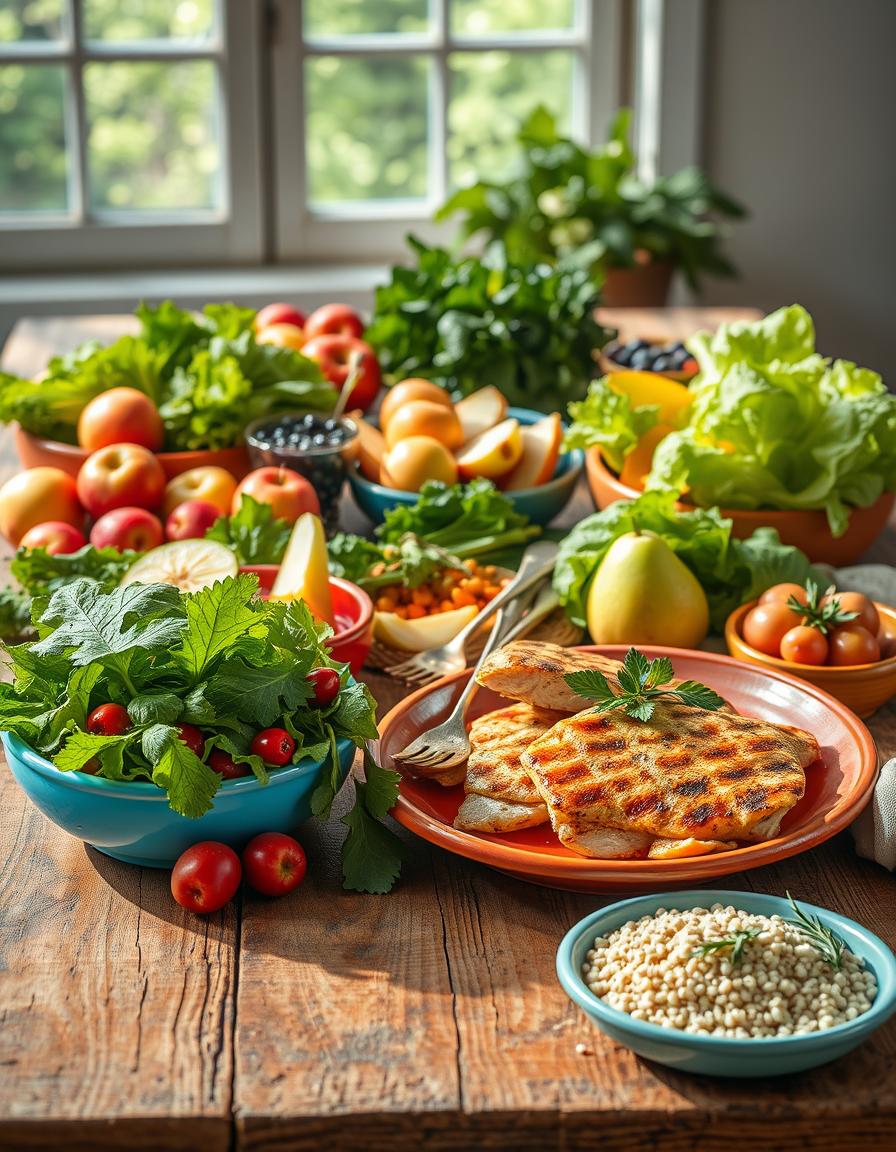
Living with histamine intolerance can feel like a constant puzzle. Symptoms such as headaches, hives, stomach discomfort, and fatigue often pop up unpredictably, making daily life challenging. Fortunately, managing these symptoms with a low histamine diet plan can offer relief. By understanding which foods are safe and which to avoid, many find their quality of life improves dramatically.
What Is Histamine and Why Does It Matter?
Histamine is a chemical your body produces, playing a key role in your immune response, digestion, and nervous system. Usually, it helps protect you from allergens or infections. However, if your body can’t break down histamine properly, it starts to build up, causing unpleasant symptoms.
Think of it like a smoke detector that won’t stop ringing, even when there’s no fire. Your body’s reaction can feel just as irritating and confusing. That’s where a low histamine diet plan comes in—to help keep the “alarm” quiet.
How Does a Low Histamine Diet Plan Help?
By reducing your intake of histamine-rich foods, you give your body a chance to recover. This approach focuses on limiting foods that either contain high levels of histamine or trigger your body to release more histamine.
The benefits are often noticeable within days or weeks. People report less bloating, fewer headaches, and reduced skin irritation. While diet isn’t a cure-all, it’s an excellent starting point for better symptom management.
Common High Histamine Foods to Avoid
- Aged cheeses (like cheddar, parmesan, gouda)
- Fermented foods (sauerkraut, kefir, soy sauce)
- Processed meats (salami, ham, sausages)
- Alcohol, especially red wine and beer
- Canned or smoked fish
- Tomatoes, spinach, and eggplant
- Vinegar and vinegar-containing products
Foods Generally Safe on a Low Histamine Diet
- Fresh meats and freshly caught fish
- Gluten-free grains (rice, quinoa, oats)
- Most fresh vegetables like carrots, zucchini, and kale
- Fresh fruits like apples, pears, and blueberries
- Dairy substitutes such as coconut or rice milk
- Eggs (if tolerated)
- Herbs like parsley and thyme
Planning Your Meals: Putting the Low Histamine Diet Plan Into Action
Switching diets can feel overwhelming. But a low histamine diet plan can be simple if you keep to fresh, unprocessed foods. The key is to plan meals that are delicious and nutritious without risking a histamine flare-up.
One useful trick is to prepare smaller batches of food and eat them fresh. Leftovers tend to accumulate histamine as they sit, so fresh meals usually cause fewer issues.
| Meal | Example | Benefits |
|---|---|---|
| Breakfast | Oatmeal with fresh blueberries and a splash of coconut milk | Low histamine, high fiber, and easy to digest |
| Lunch | Grilled chicken breast with steamed broccoli and quinoa | Protein-packed, nutritious, and gentle on the system |
| Dinner | Baked fresh fish with roasted carrots and zucchini | Rich in omega-3s and antioxidants |
| Snack | Fresh apple slices with sunflower seed butter | Quick energy with minimal histamine risk |
For those who enjoy variety, experimenting within the allowed foods can keep things exciting. By alternating different vegetables and protein sources, you can create a balanced diet without boredom.
Tips to Ensure Success with Your Low Histamine Diet Plan
- Buy fresh foods and avoid leftovers or pre-packaged meals.
- Keep a food diary to identify any personal triggers.
- Introduce new foods slowly and one at a time.
- Stay hydrated, as water supports natural detoxification.
- Consult a healthcare professional before making big changes.
Speaking of balanced meals, did you know that the chicken quesadilla nutrition can be part of a moderate low histamine diet if prepared fresh and without aged cheeses? It’s a great example of how to enjoy tasty meals while managing symptoms.
Other Lifestyle Changes That Complement the Diet
While diet plays a starring role, lifestyle choices can also influence histamine levels. Managing stress, getting enough sleep, and regular gentle exercise help regulate your body’s reactions.
You might consider mindfulness or breathing exercises. They don’t just calm the mind—they sometimes quiet the histamine “alarm” too.
When to Seek Help
If symptoms persist despite following a low histamine diet plan, it’s wise to reach out to a healthcare provider. Some people may require supplements or medications to support histamine breakdown.
Also, keep an eye on symptoms that suggest other conditions, like food allergies or gastrointestinal issues. A professional can help rule these out or manage them alongside diet.
Conclusion
Living with histamine intolerance can be tricky, but a low histamine diet plan can make a real difference. By focusing on fresh, safe foods and avoiding those high in histamine, many find relief from uncomfortable symptoms. Remember, patience is key—diet changes take time to show results. Pairing the diet with healthy lifestyle habits adds another layer of support. With the right approach, your body can find its balance again, letting you enjoy life with fewer histamine headaches and hassles.

Timo is the founder of LiteDietPlan.com, where smart nutrition meets simple living.