
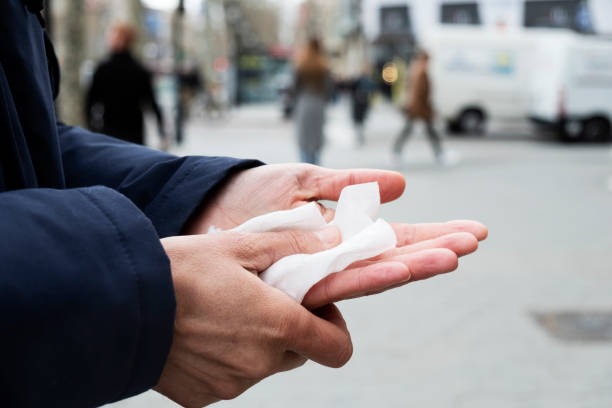
We all carry hand sanitizer or wash our hands before a meal. A little bit of caution around germs is a normal, healthy part of life. But for some, the idea of germs triggers an overwhelming sense of dread that takes over their thoughts and actions. This intense and irrational fear of germs, dirt, and contamination is known as mysophobia. It goes far beyond a simple preference for cleanliness and can significantly interfere with a person’s ability to live a normal life.
Understanding the difference between good hygiene and a debilitating phobia is the first step toward recognizing a problem. While a person who likes to keep things tidy might clean their kitchen counters once a day, someone with mysophobia might scrub them with bleach after anything or anyone has touched them. This condition is about a fear that is so powerful it dictates daily routines, relationships, and overall well being. Recognizing the signs is essential for seeking and finding effective help.
What Exactly Is Mysophobia?
Mysophobia, also commonly called germophobia or bacteriophobia, is a specific phobia characterized by an extreme fear of germs and contamination. It’s not just a dislike of dirt, it’s a persistent and excessive fear that can cause severe anxiety and panic. People with this condition see a world teeming with invisible threats that must be avoided at all costs.
This fear can be so intense that it leads to behaviors that disrupt a person’s life. Simple, everyday activities like opening a door, shaking someone’s hand, or using a public restroom can become sources of major distress. While awareness of germs is healthy, mysophobia takes this awareness to an extreme, where the perceived danger is vastly disproportionate to the actual risk.
It’s also important to distinguish mysophobia from Obsessive Compulsive Disorder (OCD), although they can overlap. In contamination OCD, the cleaning rituals are compulsions performed to relieve anxiety from obsessive, intrusive thoughts. With a specific phobia like mysophobia, the cleaning and avoidance are directly driven by the fear of contamination and the anxiety it produces. A mental health professional can help determine the correct diagnosis.
5 Key Signs of Mysophobia
Recognizing the signs of this condition is crucial. The fear of germs can manifest in various ways, from physical actions to intense emotional responses. Here are five key indicators that a healthy concern for hygiene might actually be mysophobia.
1. Excessive and Ritualistic Cleaning
One of the most visible signs of mysophobia is a cleaning routine that is excessive and ritualistic. This isn’t about enjoying a sparkling clean home. It’s a compulsive need to scrub, sanitize, and disinfect one’s environment to eliminate any possibility of contamination. This often involves specific, rigid rituals that must be followed perfectly.
Someone with mysophobia might spend hours each day cleaning. Their hand washing habits are a primary example. They may wash their hands dozens or even hundreds of times a day, often using scalding hot water or harsh soaps until their skin becomes chapped, red, and raw. They might also excessively clean household items, groceries, and even mail that enters their home.
2. Avoidance of People, Places, and Objects
Because the world is full of potential contaminants, a person with mysophobia often tries to make their world smaller to feel safer. This leads to widespread avoidance of anything they perceive as a threat. This avoidance is a core feature of the phobia and can be incredibly isolating.
Common examples of avoidance include:
- Refusing to shake hands or have physical contact with others.
- Avoiding public spaces like restaurants, theaters, or public transportation.
- Not using public restrooms under any circumstances.
- Fearing contact with animals, even beloved family pets.
- Wearing gloves to touch common surfaces like doorknobs or light switches.
This avoidance can severely damage relationships and limit career opportunities. A person with severe mysophobia may eventually find it difficult to leave their home at all, creating a self imposed quarantine that isolates them from friends, family, and society.
3. Intense Emotional and Physical Reactions
Simply thinking about or being exposed to germs can trigger a powerful physical and emotional response in someone with mysophobia. This is the classic “fight or flight” response kicking into high gear over a perceived threat that others might not even notice. The anxiety is palpable and can be overwhelming.
When faced with a situation they find contaminating, a person with this phobia might experience symptoms of a panic attack, including:
- Rapid heartbeat or heart palpitations
- Sweating and trembling
- Shortness of breath or a feeling of choking
- Chest pain or discomfort
- Dizziness or lightheadedness
- An intense feeling of dread or a fear of dying
This reaction is automatic and not something the person can easily control. The sheer intensity of these feelings reinforces the belief that germs are incredibly dangerous, strengthening the cycle of fear and avoidance associated with mysophobia.
4. Preoccupation with Germs and Contamination
Living with mysophobia means the mind is often consumed with thoughts about germs. This isn’t a passing thought but a constant, intrusive preoccupation. A person with this condition may spend a significant amount of their mental energy thinking about where germs might be lurking, how they might have been contaminated, and what steps they need to take to stay “safe.”
This mental preoccupation can be exhausting. It can make it difficult to concentrate at work or school, enjoy hobbies, or even hold a conversation. The person might constantly visualize germs on surfaces or replay interactions in their mind to check if they were exposed. This pattern of obsessive thinking is one of the most draining aspects of living with mysophobia.
5. Significant Disruption to Daily Life
Perhaps the most important diagnostic sign for any phobia is the level of disruption it causes. A person’s habits are considered a disorder when they negatively affect their ability to function. Healthy cleanliness improves life, mysophobia restricts it. If the fear of germs is preventing you or someone you know from working, socializing, or pursuing happiness, it is a serious problem.
This disruption is the culmination of the other signs. The excessive cleaning takes up time and energy. The avoidance leads to social isolation and missed opportunities. The intense anxiety is emotionally and physically taxing. When these factors combine, they can bring a person’s life to a standstill, all because of an overpowering fear of germs. This level of impairment is a clear signal that the issue is true mysophobia.
Is It Mysophobia or OCD? Understanding the Difference
The lines between mysophobia and contamination based OCD can seem blurry, as both involve a fear of germs and cleaning rituals. However, mental health professionals see them as distinct conditions, and the correct diagnosis is important for effective treatment. The core difference lies in the underlying thought process.
In mysophobia, the fear is the primary driver. A person avoids a doorknob because they are afraid of getting sick from the germs on it. The anxiety is a direct result of the phobic trigger. In OCD, the process is more complex. The person may have an unwanted, intrusive thought (an obsession), such as “This doorknob is contaminated and if I don’t wash my hands, something terrible will happen to my family.” The hand washing (the compulsion) is then performed to neutralize the anxiety caused by the obsessive thought, even if the person recognizes it’s illogical.
Here is a table to highlight some of the general differences:
| Feature | Mysophobia (Specific Phobia) | Contamination OCD |
|---|---|---|
| Primary Driver | Fear of a specific thing (germs, illness). | Anxiety from intrusive, obsessive thoughts. |
| Focus of Fear | Directly related to getting sick or being contaminated. | Often about preventing a feared catastrophic event that may be unrelated to the contamination itself. |
| Nature of Rituals | Behaviors are for cleaning and avoidance to reduce the direct threat of germs. | Compulsions are performed to relieve the distress of an obsession and may be more magical or illogical in nature. |
| Thought Process | “If I touch that, I will get sick.” | “I am having an intrusive thought that I am contaminated; if I don’t perform this ritual, something bad will happen.” |
Getting Help for Mysophobia
The good news is that mysophobia is a highly treatable condition. No one has to live a life controlled by fear. Reaching out to a mental health professional, such as a therapist or psychiatrist, is the most important step. They can provide an accurate diagnosis and create a treatment plan.
Therapy and Counseling
Therapy is the frontline treatment for specific phobias like mysophobia. Two of the most effective and widely used approaches are:
- Cognitive Behavioral Therapy (CBT): CBT helps people identify and challenge the irrational thought patterns that fuel their fear. A therapist works with the individual to examine their beliefs about germs and contamination, question the evidence for those beliefs, and develop healthier, more realistic ways of thinking.
- Exposure and Response Prevention (ERP): ERP is considered the gold standard for treating both phobias and OCD. It involves gradual, controlled exposure to the feared object or situation. A therapist guides the person through steps, starting with something that causes mild anxiety (like touching a clean doorknob) and slowly working up to more challenging situations. The “response prevention” part is key: the person learns to tolerate the anxiety without resorting to their usual cleaning or avoidance rituals. This process retrains the brain to understand that the feared outcome does not actually happen.
Medication
While therapy is the primary treatment, medication can sometimes be helpful, especially if the mysophobia is severe or co occurs with another condition like generalized anxiety disorder or depression. Antidepressants, such as Selective Serotonin Reuptake Inhibitors (SSRIs), may be prescribed to help reduce the overall intensity of the anxiety, making therapy more effective.
Frequently Asked Questions About Mysophobia
What is the fear of germs officially called?
The clinical term for the fear of germs is mysophobia. It is also commonly referred to as germophobia, verminophobia, or bacteriophobia.
Can mysophobia be self diagnosed?
While you can recognize the signs and symptoms in yourself, a formal diagnosis should always be made by a qualified mental health professional. They can rule out other conditions like OCD and develop the most effective treatment plan for your specific needs.
Is washing your hands a lot a definite sign of mysophobia?
Not necessarily. Frequent hand washing can be a healthy habit, especially during flu season or for people in certain professions. It crosses the line into potential mysophobia when the washing is driven by an intense, irrational fear, is performed ritualistically, causes skin damage, and significantly interferes with your daily life and mental state.
How can I support a friend or family member with mysophobia?
Be patient, listen without judgment, and avoid criticizing their fears, which are very real to them. Don’t enable their avoidance behaviors by doing things for them, but also don’t force them into situations that cause panic. The most helpful thing you can do is gently encourage them to seek professional help from a therapist who specializes in anxiety disorders.
Conclusion
Living with mysophobia is more than just being cautious about cleanliness, it’s a daily battle against an overwhelming fear that can shrink one’s world. The key signs excessive cleaning rituals, avoidance of everyday situations, intense anxiety, constant preoccupation with contamination, and major life disruption paint a clear picture of a condition that requires compassion and professional intervention. Differentiating it from OCD is an important step in getting the right help. Fortunately, with proven treatments like Cognitive Behavioral Therapy and Exposure and Response Prevention, anyone struggling with mysophobia can learn to manage their fear and reclaim a full, unrestricted life.

Timo is the founder of LiteDietPlan.com, where smart nutrition meets simple living.