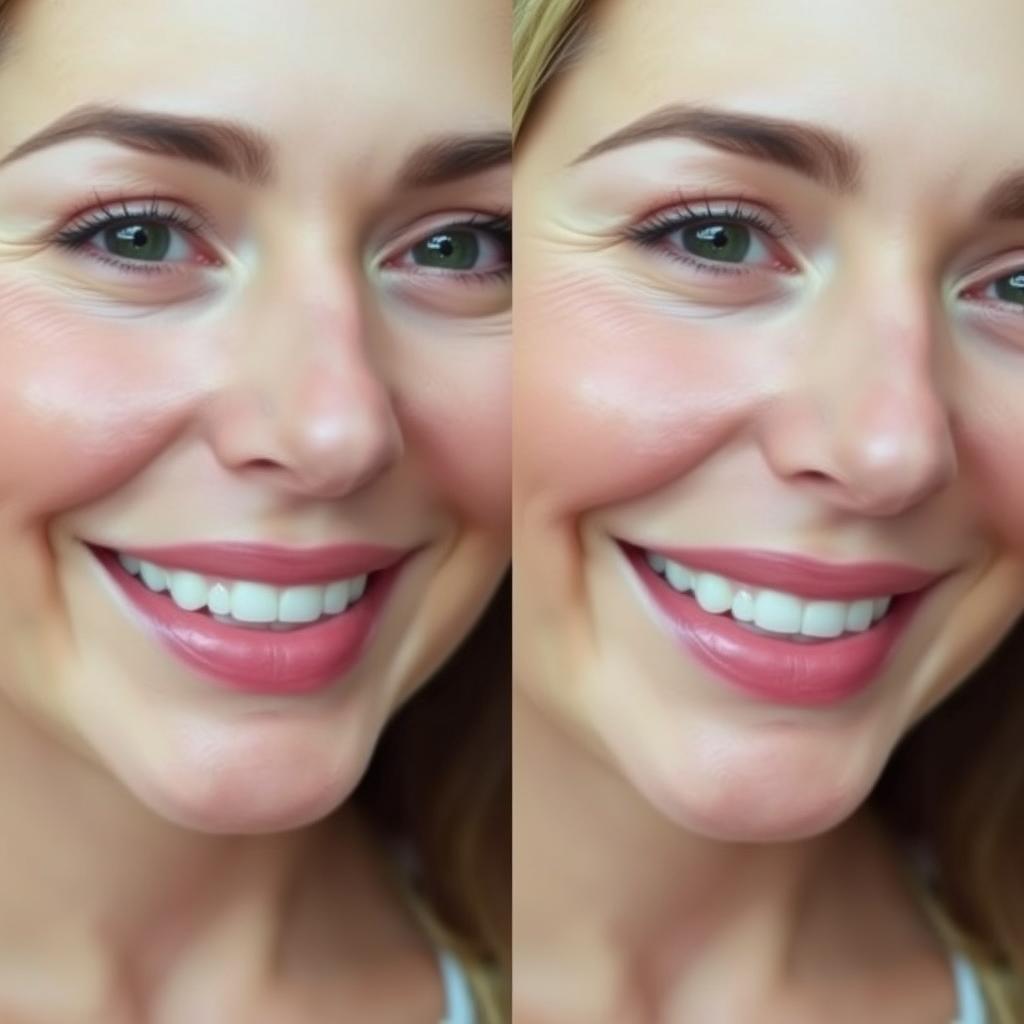
Hollow, dark circles under the eyes can make you look tired, even after a full night’s sleep. While concealers and creams offer a temporary fix, many people look for a more lasting solution. If you’ve considered fillers but are hesitant about using synthetic materials, an under eye fat transfer might be the answer. This procedure uses your body’s own fat to restore volume, creating a refreshed and natural appearance that can last for years.
What Exactly Is an Under Eye Fat Transfer?
An under eye fat transfer, also known as tear trough fat grafting or autologous fat transfer, is a cosmetic procedure that addresses volume loss under the eyes. Think of it like taking a bit of extra cushion from one area of your body and moving it to an area that needs plumping up. The process involves three main steps: removing fat from a donor area, purifying it, and then carefully injecting it into the hollows under your eyes.
The goal is to smooth the transition between the lower eyelid and the cheek, which is often what creates that tired, sunken look. Because the procedure uses your own living fat cells, the results feel and look incredibly natural. It’s a two in one procedure that combines gentle liposuction with a precise facial rejuvenation technique, making it a popular choice for those wanting a permanent and organic solution.
Tired of Fillers? Why Choose Fat Instead?
Hyaluronic acid (HA) fillers, like Juvederm or Restylane, are a common first step for treating under eye hollows. They work well, but they are a temporary fix, typically lasting 6 to 18 months. An under eye fat transfer offers a different approach with distinct advantages. It uses your body’s own tissue, eliminating the risk of an allergic reaction to a synthetic substance.
While fillers are great for specific volume adjustments, fat can provide a more comprehensive and softer rejuvenation. The stem cells present in the transferred fat can also improve the overlying skin quality, reducing fine lines and improving texture over time. This dual benefit of volume and skin enhancement is something fillers cannot offer. Let’s compare the two directly.
| Feature | Under Eye Fat Transfer | Hyaluronic Acid (HA) Fillers |
|---|---|---|
| Source Material | Your own body fat (autologous) | Synthetic hyaluronic acid gel |
| Longevity | Years to a lifetime (semi permanent) | 6 18 months |
| Appearance | Very natural, soft, can improve skin texture | Natural when done well, but can cause a bluish tint (Tyndall effect) |
| Procedure Time | 1 2 hours | 15 30 minutes |
| Downtime | 1 2 weeks of swelling and bruising | Minimal; potential for bruising for a few days |
| Reversibility | Difficult; requires surgical intervention | Easily dissolvable with an enzyme (hyaluronidase) |
Are You a Good Candidate for This Procedure?
The ideal candidate for an under eye fat transfer is someone looking for a long term correction of volume loss. This procedure is about restoring structure, not just filling a line. You might be a great fit if you meet the following criteria:
- You have distinct hollows: The primary goal is to fill the “tear trough” area that creates shadows and a tired look.
- You have good skin quality: While fat transfer can improve skin, good underlying elasticity helps achieve the smoothest results.
- You have enough donor fat: Only a small amount of fat is needed (typically 5 10cc), but you need to have a site, like the abdomen, thighs, or flanks, where it can be harvested.
- You are in good overall health: You should be a non smoker (or willing to quit) and have no medical conditions that could impair healing.
- You have realistic expectations: You understand that some of the transferred fat will be absorbed and that final results take a few months to appear.
Conversely, this procedure may not be the best option for individuals who are very lean with almost no excess fat, have significant under eye bags caused by fat prolapse (which may require a different surgery called a blepharoplasty), or have poor skin laxity.
The Under Eye Fat Transfer Journey: A Step by Step Guide
Understanding the process can help demystify the surgery and set clear expectations. An under eye fat transfer is a refined procedure that requires an artistic eye and technical skill from the surgeon.
Step 1: The Consultation
Your journey begins with a detailed consultation. Your surgeon will evaluate your facial anatomy, discuss your aesthetic goals, and determine if an under eye fat transfer is the right choice for you. They will also identify the best donor site for harvesting fat and explain the entire process, including recovery and potential risks.
Step 2: Harvesting the Fat
On the day of the procedure, you’ll likely receive local anesthesia with sedation to keep you comfortable. The surgeon will make a tiny, discreet incision in the donor area (e.g., your stomach or inner thigh). Using a thin tube called a cannula, they will gently remove a small amount of fat via manual liposuction. This process is designed to be gentle to keep the fat cells viable.
Step 3: Purification and Preparation
The harvested fat is not immediately ready for injection. It’s a mixture of fat cells, oil, and other fluids. The sample is placed in a centrifuge and spun at a high speed. This process separates the pure, living fat cells from the unwanted components. The result is a concentrated, refined graft of liquid gold your own natural filler.
Step 4: Precise Injection
This is where the artistry comes in. The surgeon uses a special micro cannula to inject tiny droplets of the purified fat into the under eye area. They place the fat in multiple layers and different locations to create a smooth, seamless contour. This meticulous technique helps maximize fat survival and prevents lumps or irregularities, leading to a beautiful and lasting result from your under eye fat transfer.
Decoding the Cost: How Much Will an Under Eye Fat Transfer Set You Back?
The cost of an under eye fat transfer is a significant consideration, as it is more involved than a simple filler injection. Based on the latest data from the American Society of Plastic Surgeons and real patient reports, the cost typically ranges from $4,000 to $9,000 in the United States as of late 2025.
This price can vary widely based on several factors:
- Surgeon’s Fee: An experienced, board certified facial plastic surgeon or oculoplastic surgeon will command a higher fee. This is not the place to bargain hunt; expertise is critical for safety and results.
- Geographic Location: Costs are generally higher in major metropolitan areas like New York or Los Angeles compared to smaller cities.
- Facility Fees: This covers the cost of the operating room and surgical supplies.
- Anesthesia Fees: This fee goes to the anesthesiologist or nurse anesthetist who administers and monitors your sedation.
It’s important to remember that because an under eye fat transfer is a cosmetic procedure, it is not covered by health insurance. When you receive a quote, make sure it is all inclusive to avoid any surprise expenses.
The Healing Process: What to Expect During Recovery
Recovery from an under eye fat transfer is a process that requires patience. While the procedure itself is minimally invasive, you will experience some downtime as your body heals and the new fat cells settle in.
The First 48 72 Hours
This is when swelling and bruising will be at their peak. Your under eye area will feel puffy, and you may have some bruising at both the injection and donor sites. Mild discomfort is normal and can be managed with over the counter pain medication. Your surgeon will give you specific post operative instructions to follow.
Week 1 2
Most of the significant swelling and bruising will subside during this period. Many people feel comfortable returning to work or social activities after about 7 10 days, possibly with the help of some concealer. You must continue to avoid strenuous exercise and heavy lifting to allow the delicate new fat grafts to establish a blood supply.
Month 1 3
Your body will naturally absorb some of the transferred fat typically 30 50%. Experienced surgeons know this and will slightly overfill the area to compensate. After about three months, the remaining fat cells that have successfully integrated will be there to stay. This is when you will see the final, stable result of your under eye fat transfer.
To support a smooth recovery, follow these tips:
- Sleep with your head elevated on two or three pillows to help minimize swelling.
- Apply gentle cold compresses (never directly on the skin) for the first 48 hours.
- Avoid rubbing or putting pressure on your under eye area.
- Stay hydrated and eat a healthy diet to support your body’s healing process.
- Carefully follow all instructions provided by your surgeon.
Seeing is Believing: Results and Longevity
The results of an under eye fat transfer are often transformative. Patients report looking more awake, youthful, and less tired. The outcome is exceptionally natural because it’s your own tissue creating the volume. The skin quality itself may also appear more radiant due to the stem cells in the fat.
One of the biggest selling points of this procedure is its longevity. Once the initial absorption phase is over (around 3 months), the surviving fat cells are permanent. They will behave just like fat cells elsewhere in your body, meaning they can fluctuate with significant weight changes. For most people, the results last for many years, if not a lifetime, making the under eye fat transfer a sound long term investment in your appearance.
Potential Risks and Complications
Every surgical procedure carries some level of risk. While an under eye fat transfer is generally safe, especially when performed by a qualified expert, it’s important to be aware of potential complications. This transparency is key to making an informed decision.
Risks associated with an under eye fat transfer include:
- Lumpiness or Irregularities: If the fat is not injected smoothly or if it doesn’t survive evenly, it can create lumps.
- Asymmetry: One side may heal differently than the other, or the initial injection might not be perfectly symmetrical.
- Over or Under Correction: Too much fat can lead to a puffy look, while too little will not adequately correct the hollows.
- Prolonged Swelling or Bruising: Some individuals may heal more slowly than others.
- Infection: Though rare, infection is a risk with any procedure that breaks the skin.
The single most important factor in minimizing these risks is your choice of surgeon. A board certified plastic surgeon with extensive experience in facial fat grafting will have the skill to deliver beautiful, safe results.
Frequently Asked Questions (FAQ)
Is under eye fat transfer painful?
The procedure itself is not painful because it is performed under local anesthesia with sedation. You will be comfortable and relaxed. During recovery, most patients report mild discomfort and a feeling of tightness or puffiness, which is easily managed with standard pain relievers like Tylenol.
How long do the results of an under eye fat transfer last?
The results are considered semi permanent. After the initial 3 6 months, the fat that has successfully established a blood supply will remain indefinitely. The results will last for many years, though the natural aging process will continue.
Can an under eye fat transfer go wrong?
Yes, like any surgery, it can have undesirable outcomes. The most common issues are lumpiness and asymmetry. Choosing a highly skilled surgeon who specializes in facial procedures dramatically reduces the risk of complications. Unlike HA fillers, fat is not easily dissolved, so corrections are more complex.
Is under eye fat transfer better than fillers?
It depends on your goals. Fillers are excellent for a temporary, quick fix with minimal downtime. An under eye fat transfer is better for someone seeking a permanent, natural solution who is comfortable with a surgical procedure and a longer recovery period. For many, the long lasting result makes it the superior choice.
When will I see the final results?
You will see an immediate improvement in volume, but this will be obscured by swelling. You’ll get a good idea of the outcome after about 6 weeks, but the final, stable results are typically visible after 3 to 6 months, once all the swelling has resolved and the fat grafts have fully settled.
Conclusion
An under eye fat transfer is a powerful procedure for anyone seeking a lasting and natural solution to tired looking eyes. By using your body’s own fat, it restores youthful volume to the tear troughs, smoothing the transition from eye to cheek. While the initial investment in cost and recovery time is greater than that for fillers, the payoff is a semi permanent result that can last for years. If you are tired of temporary fixes and want to address the root cause of under eye hollows, an under eye fat transfer, performed by a skilled, board certified surgeon, offers a remarkable and satisfying path to a more refreshed and vibrant appearance.

Timo is the founder of LiteDietPlan.com, where smart nutrition meets simple living.