A chipped, cracked, or severely decayed tooth can be more than just a cosmetic concern, it can affect your ability to chew and even lead to further dental problems. Fortunately, modern dentistry offers a reliable solution to restore both the function and appearance of your tooth. This solution is a dental crown, a custom made cap that fits snugly over your existing tooth, bringing back its original shape, size, and strength. If you’re looking for quality care that doesn’t break the bank, finding affordable dental crown services is entirely possible with the right information.
What Exactly Is a Dental Crown?
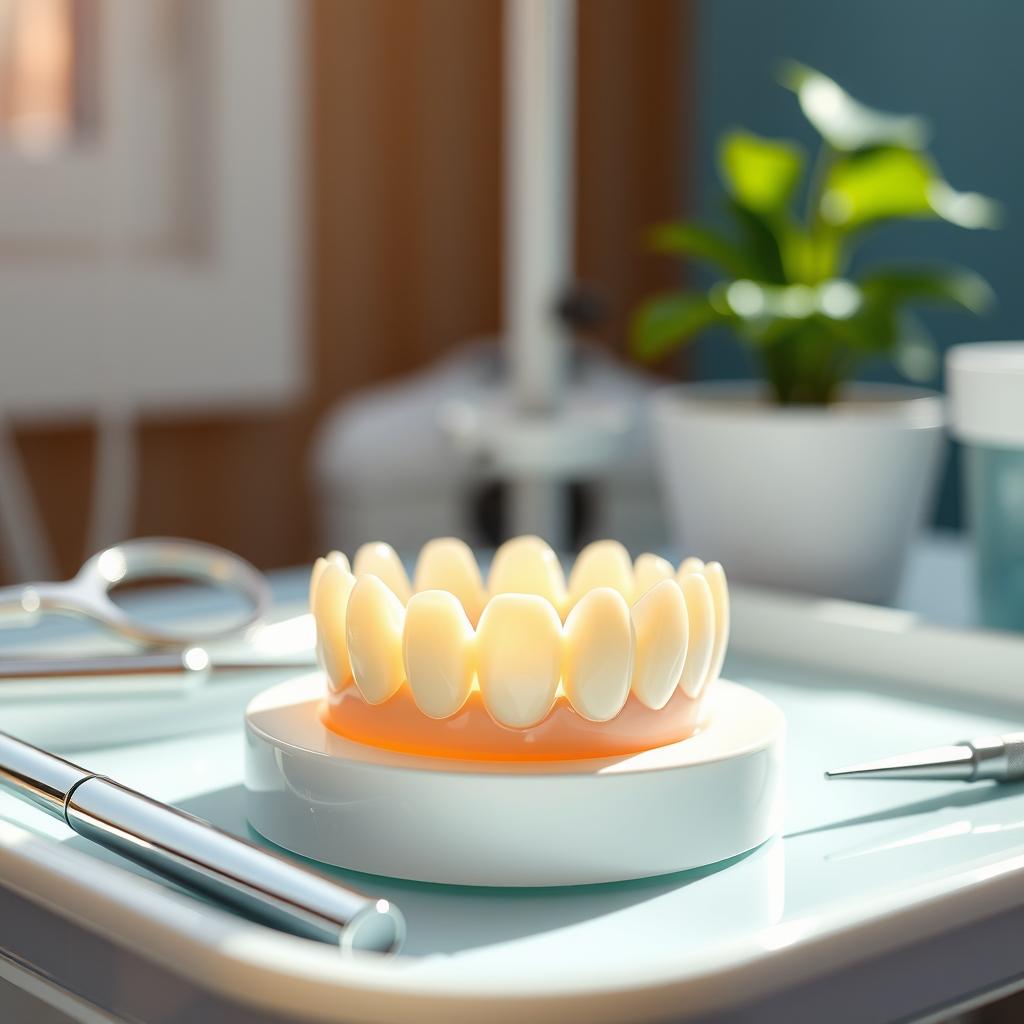
Think of a dental crown as a protective helmet for your tooth. When a tooth is damaged by decay, a large filling, or an injury, its structure becomes compromised. A crown covers the entire visible portion of the tooth above the gumline, effectively becoming the tooth’s new outer surface. This not only strengthens the damaged tooth but also dramatically improves its appearance.
Dentists recommend crowns for a variety of reasons. You might need one to protect a weak tooth from breaking, to restore an already broken or severely worn down tooth, or to cover and support a tooth with a large filling when there isn’t much natural tooth left. They are also used to hold a dental bridge in place, cover misshapen or severely discolored teeth, or complete a dental implant. Accessing professional dental crown services is a common step in many restorative and cosmetic dental plans.
Types of Dental Crowns: Materials and Benefits
When you opt for dental crown services, one of the first decisions you and your dentist will make is about the material. The choice depends on factors like the tooth’s location, the amount of force it will endure, your aesthetic preferences, and your budget. Each material has its own set of advantages.
1. Porcelain Fused to Metal (PFM)
PFM crowns have been a popular choice for decades. They consist of a metal shell covered by a layer of tooth colored porcelain. This combination offers good strength and durability from the metal base, while the porcelain provides a natural looking appearance. They are a solid mid range option for both front and back teeth.
- Pros: Strong, durable, and aesthetically pleasing.
- Cons: The metal lining can sometimes show as a dark line at the gumline, especially if your gums recede. The porcelain layer can also chip or break off over time.
2. All Ceramic or All Porcelain
For those prioritizing appearance, all ceramic or all porcelain crowns are the top choice. They provide the best and most natural color match to your surrounding teeth. This makes them ideal for front teeth, where aesthetics are most important. Materials like zirconia and E max are modern ceramic options known for their impressive strength and lifelike look.
- Pros: Excellent cosmetic results, biocompatible (no metal allergies).
- Cons: Traditionally less strong than PFM crowns, although modern materials like zirconia are incredibly durable. They can also be more expensive.
3. Gold and Metal Alloys
Crowns made of gold alloys or other metal alloys (like palladium or nickel chromium) are incredibly strong and long lasting. They can withstand heavy biting and chewing forces without chipping or breaking, making them a fantastic choice for molars in the back of the mouth. They require less of your natural tooth to be removed compared to other crown types.
- Pros: Extremely durable, gentle on opposing teeth, require minimal tooth removal.
- Cons: The metallic color is the main drawback, making them less popular for visible teeth.
4. Resin
Composite resin crowns are the most affordable option. However, they are also the least durable. They wear down over time and are more prone to fractures than PFM or ceramic crowns. Resin crowns are often considered a temporary solution rather than a permanent fix, but they can be a viable short term choice when budget is a primary concern for dental crown services.
- Pros: Least expensive crown material.
- Cons: Prone to wear and fractures, not as long lasting as other materials.
The Dental Crown Procedure: A Step by Step Guide
Getting a dental crown typically requires two visits to your dentist’s office. The process is straightforward and involves several key steps to make sure your new crown fits perfectly and functions correctly. Understanding the procedure can help ease any anxiety you might have about seeking dental crown services.
Visit 1: Examination and Tooth Preparation
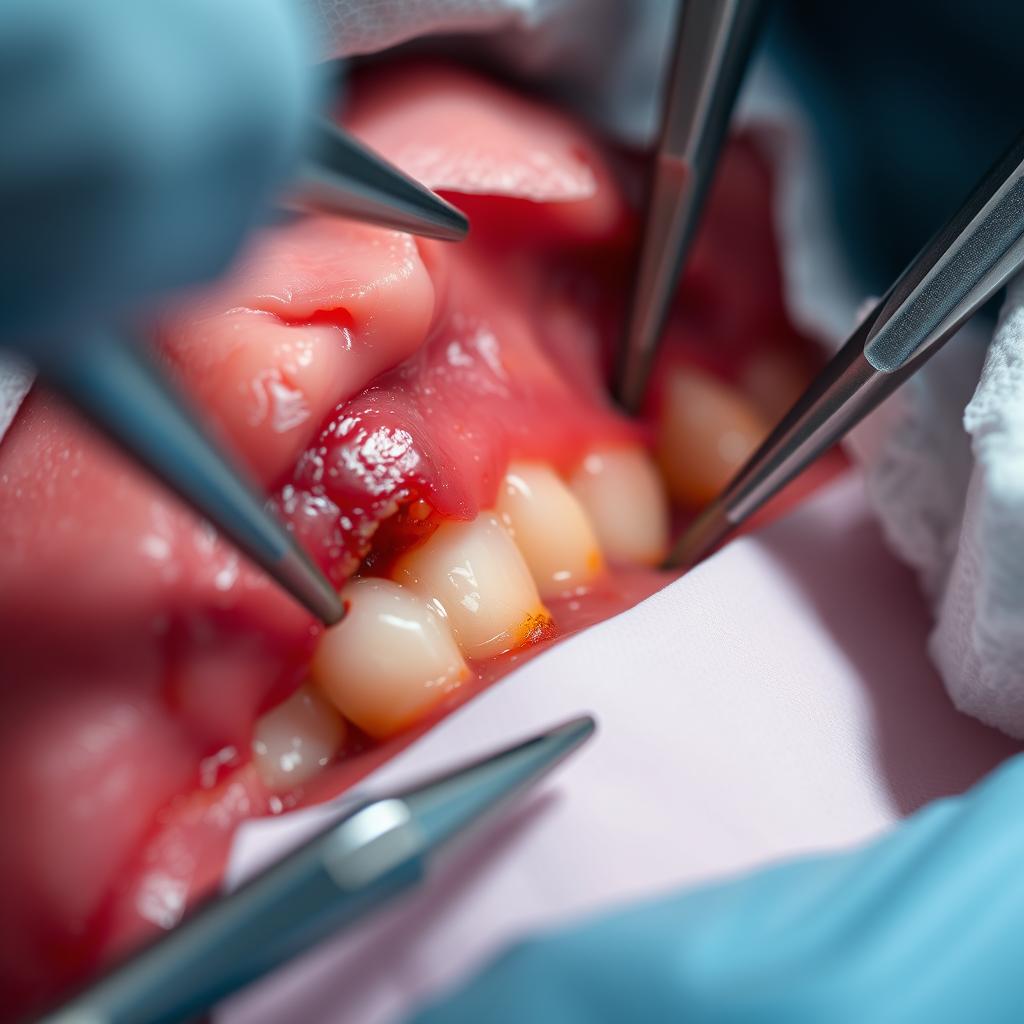
The first visit is all about preparation. Your dentist will examine the tooth to make sure it can support a crown. This may involve taking X rays to check the roots of the tooth and the surrounding bone. Before the preparation begins, the tooth and gum tissue will be numbed with a local anesthetic.
Next, the tooth receiving the crown is filed down along the chewing surface and sides to make room for the crown itself. The amount of tooth removed depends on the type of crown used. After reshaping the tooth, your dentist will use a paste or digital scanner to make an impression of your tooth. This impression is sent to a dental lab where your permanent crown will be crafted, a process that usually takes two to three weeks. To protect the prepared tooth while you wait, your dentist will place a temporary crown.
Visit 2: Placing the Permanent Crown
Once your permanent crown is ready, you’ll return for your second visit. The temporary crown is removed, and your dentist will check the fit and color of the new permanent crown. If everything looks good, a permanent cement is used to secure the crown firmly in place. This second appointment is usually much shorter than the first, and you’ll walk out with a fully restored tooth.
How Much Do Dental Crown Services Cost?
The cost of dental crown services can vary significantly based on several factors, including your location, the dentist’s expertise, and the material you choose for the crown. Dental insurance can also play a major role in your out of pocket expenses, often covering around 50% of the cost for restorative procedures.
It’s crucial to get a precise quote from your dental provider. However, here is a general breakdown of estimated costs per tooth in the United States as of September 2025. Remember, these are estimates and can change.
| Crown Type | Estimated Cost Range (Per Tooth, without insurance) |
|---|---|
| Porcelain Fused to Metal (PFM) | $1,000 $2,500 |
| All Porcelain / All Ceramic (e.g., E max) | $1,200 $2,800 |
| Zirconia | $1,300 $3,000 |
| Gold / Metal Alloy | $1,300 $2,700 |
| Composite Resin | $600 $1,500 |
This table illustrates why researching affordable dental crown services is so important. The price difference between materials can be substantial, and understanding your options is the first step toward managing the cost.
Finding Affordable Dental Crown Services Near You
High quality dental care should be accessible. If the cost of a crown seems high, don’t be discouraged. There are several excellent strategies you can use to find more affordable dental crown services without compromising on quality.
1. Check with Your Dental Insurance
Before you do anything else, understand your dental insurance plan. Call your provider or check their website to see what percentage of the cost they cover for crowns. Most insurance plans classify crowns as a “major” restorative procedure. Knowing your coverage, deductible, and annual maximum will give you a clear picture of your financial responsibility.
2. Dental Schools and Clinics
University dental schools can be a fantastic resource for lower cost dental work. The procedures are performed by dental students under the close supervision of experienced, licensed dentists. The quality of care is high, but because it’s a learning environment, the costs for dental crown services are often significantly lower than at a private practice. The only trade off is that appointments might take a bit longer.
3. Community Dental Clinics and Health Centers
Many communities have public health clinics or federally qualified health centers (FQHCs) that offer dental care on a sliding scale based on your income. These clinics are dedicated to providing affordable care to the local population. A quick search for “community dental clinics near me” can point you in the right direction.
4. In House Payment Plans and Financing
Don’t hesitate to talk to the dental office manager about payment options. Many dental practices offer in house payment plans that allow you to spread the cost over several months. Others partner with third party financing companies like CareCredit, which provide low or no interest loans specifically for healthcare expenses. These options can make immediate dental crown services much more manageable.
5. Get a Second Opinion
If you receive a quote that seems too high, it’s perfectly acceptable to get a second opinion from another dentist. Another practice might offer different pricing or suggest a more affordable material that still meets your needs. This is a common practice and can give you peace of mind about your treatment plan and cost.
Caring for Your Dental Crown
Once your crown is in place, it’s important to care for it properly to maximize its lifespan. With good oral hygiene, a dental crown can last anywhere from 5 to 15 years, or even longer. The good news is that caring for a crowned tooth is not much different from caring for your natural teeth.
Maintaining a consistent routine of brushing twice a day and flossing daily is essential. Pay special attention to the area where the gum meets the crown to prevent plaque buildup. While a crowned tooth is protected from decay, the underlying tooth is still vulnerable, especially at the gumline. Avoiding hard foods, ice, or sticky candies can also help prevent damage to your new crown.
Frequently Asked Questions About Dental Crown Services
Many people have questions when considering dental crown services. Here are answers to some of the most common ones.
Is the dental crown procedure painful?
No, the procedure itself should not be painful. Your dentist will use a local anesthetic to completely numb the tooth and the surrounding area before they begin preparing it. You might feel some pressure, but you shouldn’t feel pain. After the procedure, some temporary sensitivity or mild discomfort is normal, but this can usually be managed with over the counter pain relievers.
How long does a dental crown last?
The lifespan of a dental crown depends on the material it’s made from, your oral hygiene habits, and personal habits (like grinding your teeth or chewing hard objects). On average, most crowns last between 5 and 15 years. Zirconia and gold crowns are known to be particularly long lasting.
Will my dental crown look natural?
Yes, modern dental crowns, especially those made from all ceramic materials like porcelain or zirconia, are designed to look incredibly natural. Your dentist will carefully match the color and shade of your crown to your adjacent teeth, so it blends in seamlessly with your smile. High quality dental crown services prioritize a natural looking result.
Can a dental crown get a cavity?
The crown material itself cannot decay. However, the underlying natural tooth structure where the crown meets the tooth is still susceptible to cavities. If plaque builds up at the gumline, decay can start at the margin of the crown. This makes diligent brushing and flossing absolutely essential.
Conclusion
A dental crown is an effective and reliable way to restore a damaged tooth’s strength, function, and appearance. From durable metal alloys to incredibly lifelike porcelain, there is a crown material to suit every need and budget. While the initial cost can seem significant, understanding the different types and exploring options for affordable care can make a huge difference. By utilizing resources like dental schools, community clinics, and payment plans, you can access the high quality dental crown services you need to protect your oral health and keep your smile bright for years to come.

Timo is the founder of LiteDietPlan.com, where smart nutrition meets simple living.