Getting a dental bone graft is a significant step toward a healthier smile, especially if you’re preparing for a dental implant. The procedure itself is a modern marvel, but the healing period can be a source of anxiety. You’re likely watching the area closely, wondering if every little twinge is normal. While the vast majority of bone grafts are successful, being informed about what to look for during recovery is the best way to protect your investment and your health. Knowing the difference between normal healing and potential trouble can give you peace of mind and help you act quickly if something isn’t right.
First, What Exactly Is a Dental Bone Graft?
Think of a dental bone graft as a form of scaffolding. When you lose a tooth, the jawbone in that area can begin to shrink or resorb because it no longer has the tooth root to stimulate it. This can also happen due to gum disease or injury. A bone graft is a surgical procedure where your dentist or oral surgeon adds bone, or a bonelike material, to your jaw. The goal is to create a solid foundation for a future dental implant or to restore the jaw’s original structure.
This new material acts as a framework, encouraging your own body to grow new, natural bone tissue in and around it. Over several months, your body replaces the graft material with your own healthy bone, creating a strong and stable base. The material used can come from your own body, a human donor, an animal source (which is specially processed for safety), or a synthetic material.
The Normal Healing Journey: What to Expect After Your Surgery
To spot the problems, you first need to know what’s normal. Healing from a dental bone graft happens in stages. While everyone’s experience is slightly different, a typical recovery follows a predictable timeline. Understanding this can help you distinguish between routine healing and the early signs of a failed dental bone graft.
The First 24 48 Hours
The immediate aftermath of the surgery is when you’ll feel the most discomfort. Expect some swelling around your mouth, cheeks, and even eyes, depending on the location of the graft. You will likely have some mild to moderate pain, which should be manageable with the pain medication prescribed by your surgeon. Minor oozing of blood from the site is also common.
The First Two Weeks
During this period, you should see gradual improvement every day. The pain and swelling should steadily decrease. You might notice some bruising on your face, which is perfectly normal. One thing that often surprises patients is feeling tiny, gritty, sand like particles in their mouth. These are usually small pieces of the graft material and, in small amounts, are not a cause for alarm. This is a crucial time for being gentle with the area to allow the gum tissue to heal over the graft.
The Long Haul (3 9 Months)
After the first couple of weeks, the site should feel much more comfortable. This is the “quiet” phase where the real magic happens beneath the gums. Your body is working hard to build new bone, a process called osseointegration. You won’t feel this happening, but it’s essential for the graft’s success. Your dentist will monitor this progress with follow up X rays.
Here’s a simple table to help you tell the difference between what’s expected and what might be a red flag.
| Symptom | Normal Healing | Potential Sign of a Problem |
|---|---|---|
| Pain | Peaks in the first 1 3 days, then gradually improves with medication. | Pain that suddenly worsens, throbs intensely, or doesn’t respond to medication. |
| Swelling | Most noticeable in the first 3 days, then slowly goes down. | Swelling that increases after 3 4 days or reappears later. |
| Drainage | Minor bleeding or clear fluid in the first 24 hours. | Yellow or white pus, a foul taste, or a bad smell from the site. |
| Graft Material | Feeling a few tiny, sand like granules in your mouth is common. | A large amount of material coming out in a rush, or noticeable emptying of the site. |
| Fever | No fever or a very low grade one (under 100°F / 37.8°C) for a day. | A persistent or high fever, indicating a possible infection. |
Top 5 Signs of a Failed Dental Bone Graft
While complications are rare, they can happen. Promptly identifying the signs of a failed dental bone graft is the key to getting effective treatment and saving the site. Here are the five most important warning signs to watch for.
1. Pain That Gets Worse, Not Better
Post surgical pain is a given. However, it should follow a downward trend. If you find that the pain at the graft site is intensifying several days after the procedure, or if it changes to a severe, throbbing ache that your prescribed pain relievers can’t touch, this is a major red flag. Pain that gets worse instead of better often signals an underlying infection, which is one of the top reasons for graft failure. This is one of the most critical signs of a failed dental bone graft that you can feel.
2. Significant Swelling or Pus Drainage
As mentioned, swelling is normal for the first few days. But if the swelling goes down and then comes back, or if it continues to increase after day three, you should be concerned. If you see any thick, yellowish, or white fluid (pus) seeping from the surgical site, it’s a clear sign of infection. This might also come with a persistent bad taste or odor in your mouth. An infection can destroy the delicate graft material and prevent your body from building new bone, making it one of the most serious signs of a failed dental bone graft.
3. Large Volume of Lost Graft Material
It’s very common to lose a few small granules of bone graft material during the first week. They can feel like grains of sand in your mouth. This is usually just excess material and is no cause for panic. However, a failure is indicated by a much larger loss. If you feel a significant portion of the material becoming dislodged sometimes in a noticeable “washout” it means the graft is not stable. Without the scaffold in place, your body cannot regenerate bone properly. If the site feels like it has “emptied out,” this is another one of the clear signs of a failed dental bone graft.
4. Gum Tissue Doesn’t Heal or Pulls Away
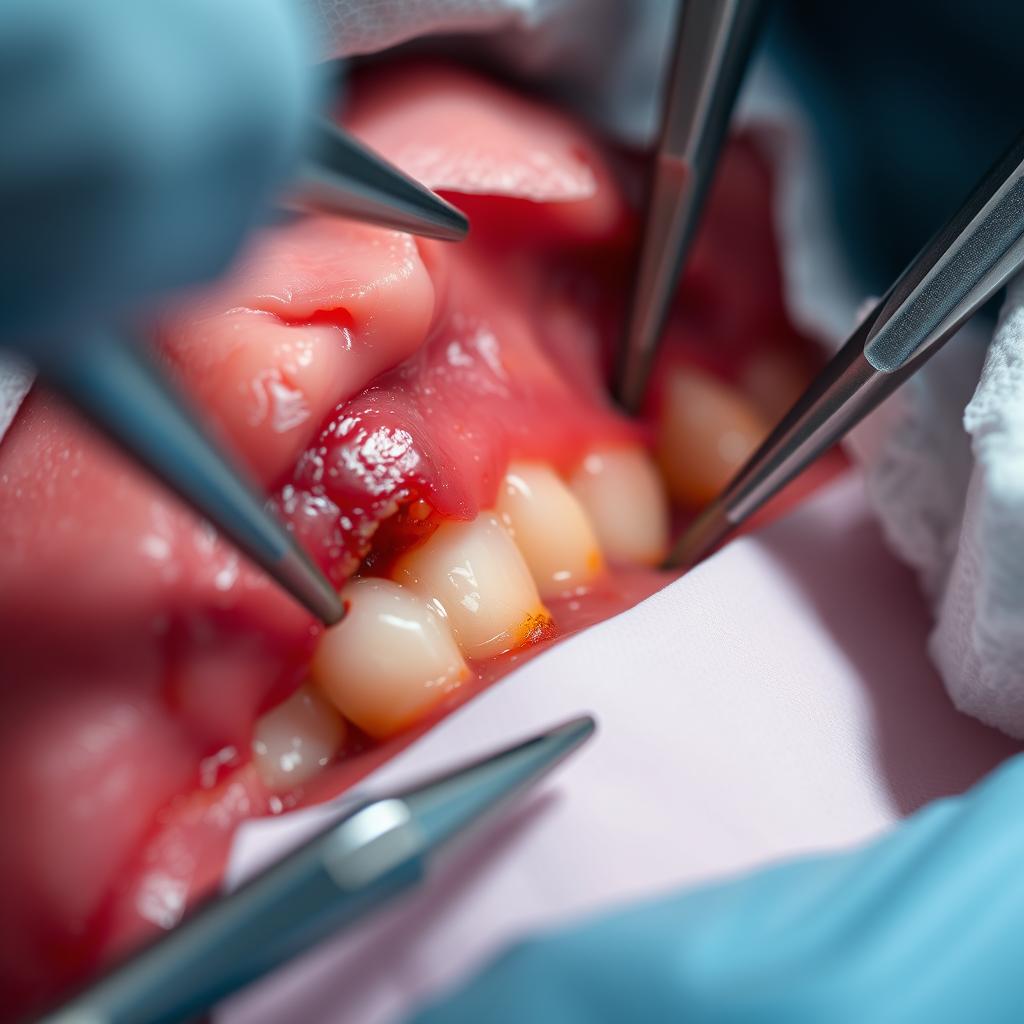
The gum tissue that is stitched over the bone graft acts as a protective barrier. It needs to heal completely to keep the graft material safe and clean. If you notice that the incision line isn’t closing, or worse, that the gum tissue is starting to pull away (recede), it exposes the graft to bacteria from your mouth. This exposure almost always leads to infection and failure. In some cases, the white protective membrane placed over the graft might become visible, which requires immediate attention from your dentist. Poor gum healing is a visible and alarming sign of a potential problem.
5. No Improvement in Bone Volume on X rays
This is a sign you can’t see yourself, but it’s the definitive way your dentist will diagnose a failure. The whole point of the graft is to increase the volume and density of your jawbone. Your surgeon will take X rays or a CBCT scan several months after the procedure to check on your progress. If the scan shows that the graft material is disappearing but is not being replaced by your own bone, or if the bone volume hasn’t increased, the graft has failed to integrate. This is often considered the ultimate confirmation among the signs of a failed dental bone graft.
What Causes a Dental Bone Graft to Fail?
Understanding why a graft might fail can help you appreciate the importance of your post operative instructions. The most common causes are:
- Infection: This is the number one enemy of a healing bone graft. Bacteria can prevent new bone from forming and can destroy the existing graft material.
- Smoking and Tobacco Use: Smoking severely restricts blood flow to the gums and bone. Healing tissues need a rich supply of oxygen and nutrients from the blood. Without it, the graft is far more likely to fail.
- Poor Blood Supply: Besides smoking, certain medical conditions like uncontrolled diabetes can impair blood flow and the body’s natural healing abilities.
- Excessive Pressure: Putting too much force on the healing graft site from a partial denture, a retainer, or even aggressive chewing can dislodge the material and disrupt the healing process.
- Poor Oral Hygiene: Failing to keep your mouth clean after surgery can introduce harmful bacteria to the surgical site, leading to infection.
Recognizing the signs of a failed dental bone graft is your first line of defense, but prevention by following aftercare instructions is even better.
What to Do If You Suspect Your Bone Graft is Failing
If you are experiencing one or more of the signs of a failed dental bone graft mentioned above, the single most important thing to do is to contact your dentist or oral surgeon immediately. Do not adopt a “wait and see” approach. Early intervention is critical.
Your dental professional will ask about your symptoms and will likely have you come in for an examination. They can assess the site, perhaps take an X ray, and determine the cause of the problem. If it’s an infection, they may prescribe antibiotics. If the graft has been seriously compromised, a different course of action may be needed. Never try to self diagnose or treat the issue at home.
Can a Failed Dental Bone Graft Be Fixed?
In many situations, yes. A failed bone graft is a setback, but it doesn’t usually mean you can never get a dental implant. The treatment plan depends on the reason for the failure. If an infection is the cause, the first step is to clear it up completely. This might involve antibiotics and a procedure to clean out the site and remove the failed graft material. Once the area has fully healed from the infection, your surgeon can often attempt a new bone graft. While it can prolong your treatment timeline, a successful outcome is still very possible.
Frequently Asked Questions (FAQ)
How common is dental bone graft failure?
Fortunately, it is not very common. Dental bone grafts have a very high success rate, often cited as being over 90 95% when patients follow their post operative care instructions carefully. The procedure is predictable and reliable for most people.
What are the early signs of a failed dental bone graft?
The earliest signs of a failed dental bone graft are usually related to infection. Watch for pain that gets worse after the third day, swelling that doesn’t subside, a bad taste or smell, and any pus or drainage from the area. These symptoms warrant an immediate call to your dentist.
Can I prevent my bone graft from failing?
You play a huge role in the success of your graft. The best way to prevent failure is to meticulously follow all of your surgeon’s aftercare instructions. This includes taking medications as prescribed, practicing gentle oral hygiene, avoiding smoking entirely, and sticking to a soft food diet for the recommended period. Protecting the site from any pressure or disturbance is key.
Is it normal for a bone graft to hurt months later?
No, it is not. After the initial healing period of a few weeks, the bone graft site should be comfortable. If you experience new or recurring pain months later, it could be a sign of a late term infection or other complication. You should contact your dentist for an evaluation.
Conclusion
A dental bone graft is a highly effective procedure that paves the way for life changing restorations like dental implants. While the healing process requires patience, it is typically straightforward. Your main role during this time is to provide your body with the best possible environment for healing and to be a vigilant observer. By understanding the normal recovery timeline, you can more easily spot the potential signs of a failed dental bone graft. Remember to watch for the key red flags: worsening pain, increasing swelling or pus, significant loss of graft material, and poor gum healing. If you notice any of these symptoms or if something simply doesn’t feel right, never hesitate. Your dental team is your best resource, and an immediate phone call is the most responsible action you can take to safeguard your oral health.