Banana peppers might look like just another colorful addition to your sandwich or salad, but they pack quite a nutritional punch. These mild peppers are a popular choice for people who enjoy a little tangy zest without too much heat. Beyond their vibrant yellow shade and crisp texture, banana peppers offer an array of vitamins, minerals, and health benefits that might surprise you. Understanding banana pepper nutrition can help you appreciate this humble vegetable even more and maybe inspire you to include it in your meals more often.
What Exactly Are Banana Peppers?
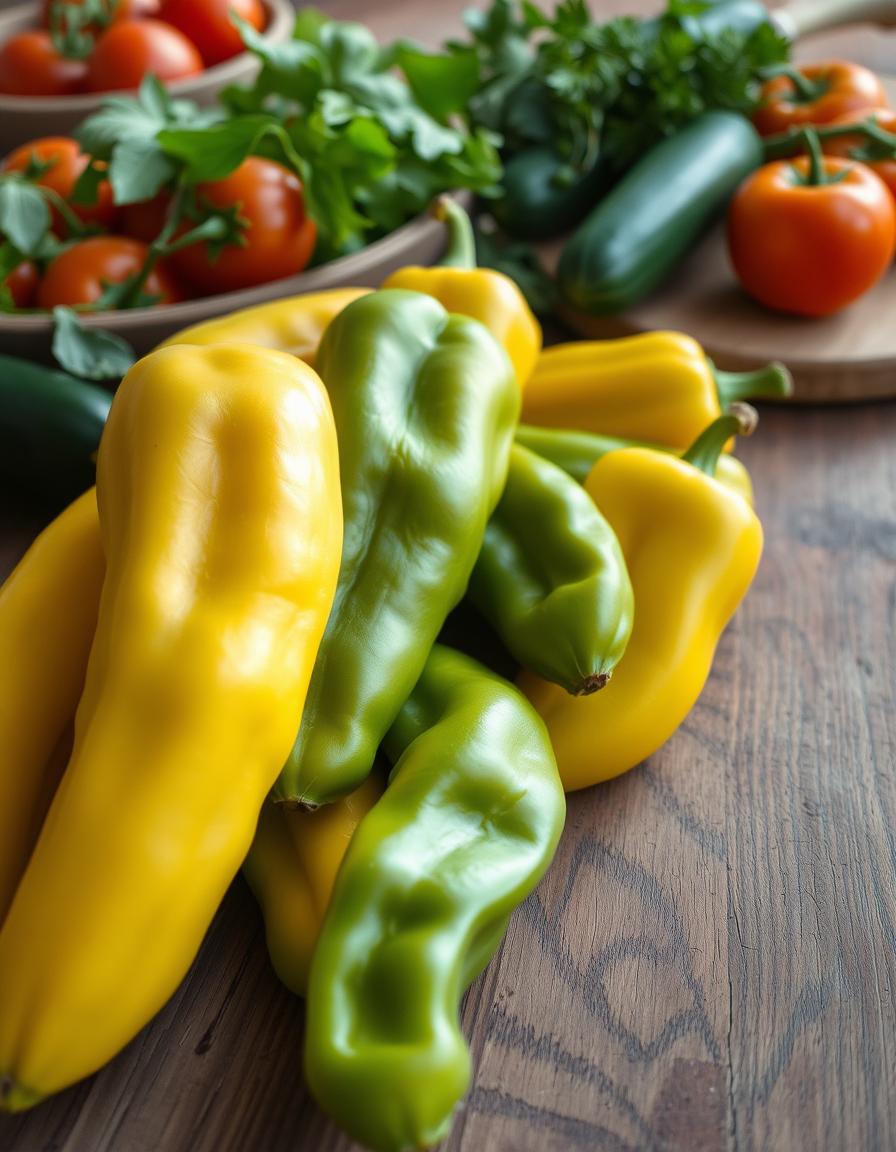
Banana peppers are a type of chili pepper that is usually yellow, though it can turn red or orange when fully ripe. They’re named for their curved shape and bright color, resembling a banana. These peppers are mild in heat, making them perfect for people who don’t like the fiery burn of hotter peppers but still enjoy some flavor in their dishes. You’ll often find banana peppers pickled, stuffed, or sliced fresh on pizzas and sandwiches.
Banana Pepper Nutrition Breakdown
When you check out banana pepper nutrition, you’ll see they offer an excellent mix of nutrients without many calories. Here’s a simple view of what you get in a typical 100-gram (about half a cup) serving of raw banana pepper:
| Nutrient | Amount per 100g |
|---|---|
| Calories | 27 kcal |
| Carbohydrates | 6.3 g |
| Protein | 1.0 g |
| Fat | 0.4 g |
| Dietary Fiber | 1.2 g |
| Vitamin C | 155 mg (258% DV) |
| Vitamin A | 2086 IU (42% DV) |
| Potassium | 258 mg |
| Folate (Vitamin B9) | 25 mcg |
Pretty impressive, right? With just 27 calories, banana peppers give you a significant boost of vitamins, especially vitamin C and A, both of which are essential for your body’s daily functioning.
Calories and Weight Management
Banana peppers are low in calories and fat, making them an awesome snack or addition to meals if you’re watching your weight. You can munch on a good amount without worrying about piling on extra calories. Plus, the fiber content helps you feel full longer, which means fewer cravings later.
Vitamin C Powerhouse
Vitamin C is a superstar for immune health, skin repair, and antioxidant protection. At about 258% of your daily value from just 100 grams, banana peppers can help you ward off colds and keep your skin glowing. It’s like a natural little boost that’s fun to eat!
Vitamin A and Eye Health
Vitamin A supports vision, especially in low light, and contributes to healthy skin and immune defenses. The banana pepper’s bright color hints at its high beta-carotene content, which converts to vitamin A in the body. So, eating these peppers could help improve your eyesight over time, or at the very least, keep your eyes happy.
Other Nutritional Highlights
- Potassium: Helps regulate blood pressure and supports heart health.
- Folate: Essential for DNA synthesis and important during pregnancy.
- Fiber: Supports digestion and keeps your gut happy.
- Low fat and sodium: Perfect for heart-friendly diets.
Health Perks of Eating Banana Peppers
Boost Your Immune System
The high vitamin C content means banana peppers are great for keeping your immune system ready to fight off bugs. They also have antioxidants that protect your cells from damage caused by free radicals, which are harmful molecules linked to aging and disease.
Improve Digestion and Heart Health
Thanks to their fiber, banana peppers help your digestive system work smoothly. Fiber also helps control cholesterol levels, which in turn benefits your heart. Plus, the potassium in banana peppers helps balance sodium in your body, which can keep your blood pressure in a healthy range.
Eye Care and Skin Benefits
The vitamin A inside banana peppers supports not just good eyesight but also healthy skin. These peppers can help keep your skin from becoming dry or flaky, and they may even play a role in reducing signs of aging thanks to their antioxidant properties.
Anti-inflammatory Qualities
Some compounds in banana peppers have mild anti-inflammatory effects. This means they can help reduce swelling and pain in the body. If you ever get a bit of soreness from exercise or daily activity, eating banana peppers might offer a tiny natural assist.
How to Enjoy Banana Peppers
There’s no limit to the ways you can add banana peppers to your meals. Here are some fun ideas:
- Slice them fresh on sandwiches or burgers for crunch and tang.
- Add to salads for a mild, peppery twist without overwhelming heat.
- Pickle them and use as a zesty garnish on tacos or hot dogs.
- Stuff them with cheese or meats and bake for a tasty appetizer.
- Include them in stir-fries or pasta dishes for extra color and flavor.
One thing to keep in mind before indulging is to be aware of your body’s reactions if you are sensitive to peppers. For most people, banana peppers are gentle enough to enjoy regularly.
For those curious about diet and medications, here’s an interesting tidbit — if you’re investigating diet pills or appetite suppressants, you might want to check out some phentermine drug test facts. It’s always good to be informed about what goes into your body.
Conclusion
Banana peppers are more than just a pretty face on your plate. Their unique banana pepper nutrition profile offers plenty of vitamins, minerals, and health perks in a low-calorie package. Whether you want to boost your immune system, promote eye and skin health, or simply add some fresh flavor to your meals, these peppers are a smart pick. Next time you see banana peppers at the store, consider grabbing some—they might just become one of your favorite healthy snacks!

Timo is the founder of LiteDietPlan.com, where smart nutrition meets simple living.