Beans have a way of sneaking onto plates and into recipes, often disguised as the humble heroes of nutrition. Among them, northern beans stand out for their creamy texture and subtle flavor, making them a favorite in soups, stews, and casseroles. But beyond their delicious taste, northern beans pack a powerful punch when it comes to nourishment. Understanding northern beans nutrition reveals why they deserve a permanent spot in your pantry and on your dining table.
What Are Northern Beans?
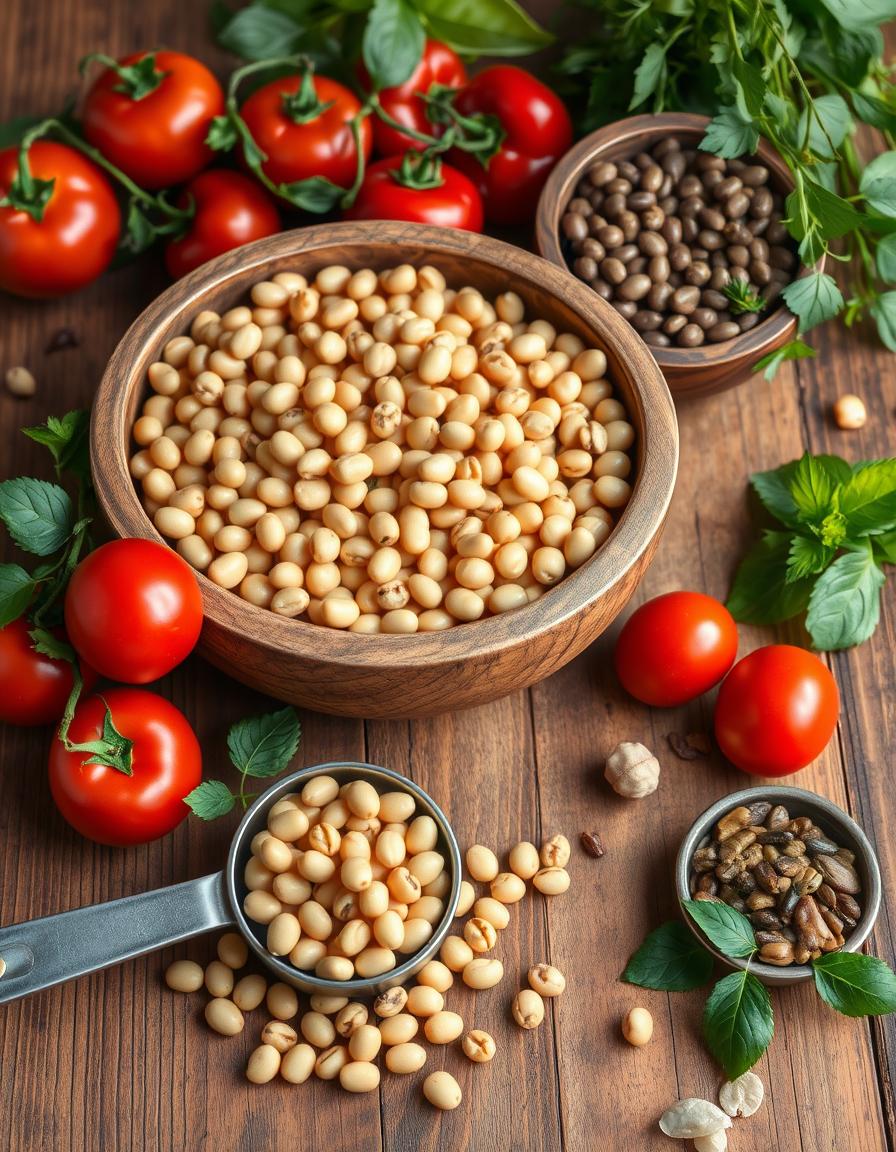
Northern beans, also known as navy beans, are small white beans that have been a staple in American kitchens for centuries. They earned their nickname from the U.S. Navy, which relied on them as a vital food source during long sea voyages. These beans are prized for their mild flavor and smooth texture, which makes them incredibly versatile in cooking.
Northern Beans Nutrition: An Overview
When you look at northern beans nutrition, you’ll find they offer an impressive combination of protein, fiber, and minerals. This trio of nutrients helps keep you feeling full, supports muscle health, and contributes to overall well-being. Here’s a quick glance at what you get from a 1-cup cooked serving (about 182 grams):
| Nutrient | Amount per 1 cup (cooked) |
|---|---|
| Calories | 255 |
| Protein | 15 grams |
| Carbohydrates | 45 grams |
| Dietary Fiber | 19 grams |
| Fat | 1 gram |
| Iron | 20% of Daily Value (DV) |
| Magnesium | 30% of DV |
| Potassium | 21% of DV |
| Folate | 88% of DV |
The Protein Power of Northern Beans
Beans are often celebrated as a plant-based protein source, and northern beans do not disappoint. With 15 grams of protein per cooked cup, they serve as a fantastic option for vegans, vegetarians, or anyone wanting to add more protein without turning to meat. Protein is essential for repairing muscles, producing enzymes, and maintaining a healthy immune system.
Think of northern beans as your kitchen’s little protein dynamos—they slip into dishes quietly but pack a punch. Whether in chili, salads, or even bean burgers, they can help ensure your meals have the protein necessary to keep energy levels steady through the day.
How to Boost Protein Absorption
Beans contain compounds called phytates, which can slightly reduce protein absorption. However, soaking beans overnight and cooking them well helps break down these compounds, making the protein easier to access. Pairing northern beans with grains like rice or corn can also create a complete protein, offering all the essential amino acids your body needs.
Fiber: The Unsung Hero in Northern Beans
With almost 20 grams of fiber per cup, northern beans are a champion source of this vital nutrient. Fiber is like the broom that sweeps out your digestive system, helping to regulate bowel movements and keep everything running smoothly. Including high-fiber foods like northern beans in your diet can reduce the risk of heart disease, lower cholesterol, and even aid weight management by promoting a feeling of fullness.
Ever notice how eating fiber-rich meals helps you avoid those 3 PM energy slumps? That’s fiber doing its magic. Plus, the soluble fiber found in northern beans feeds the friendly bacteria in your gut, supporting a healthy microbiome and better digestion.
Tips for Adding More Fiber
- Add northern beans to your salads or pasta dishes for an easy fiber boost.
- Use mashed northern beans as a creamy spread on toast instead of butter or mayo.
- Stir them into soups or stews for added texture and nutrition.
Minerals and Micronutrients Found in Northern Beans
Northern beans are a treasure trove of minerals essential for various body functions. Iron in beans supports oxygen transport in the blood, preventing fatigue and improving focus. Magnesium helps regulate muscle and nerve function, while potassium is your heart’s best friend, keeping blood pressure in check.
One of the most impressive minerals in northern beans nutrition is folate. Folate plays a key role in DNA production and cell growth. It is especially important for pregnant women, as it helps prevent certain birth defects. Getting folate from whole foods like northern beans is a smart choice because the nutrients come packed with fiber and other helpful compounds.
Mineral Highlights
| Mineral | Benefit |
|---|---|
| Iron | Prevents anemia and supports energy |
| Magnesium | Supports muscle and nerve health |
| Potassium | Regulates blood pressure |
| Folate | Vital for cell growth and pregnancy |
Cooking and Using Northern Beans
In the kitchen, northern beans are incredibly forgiving. They soak up flavors, making them the perfect canvas for spices, herbs, and stocks. Speaking of flavors, if you want to add a little umami boost, try incorporating knorr chicken bouillon cubes into your soups or stews. They enhance the taste without overpowering the bean’s natural creaminess.
For best results, soak beans overnight to reduce cooking time and help digestion. Simmer them gently for about an hour until tender. Canned northern beans are a convenient alternative—just rinse well to reduce sodium.
Health Benefits Beyond Nutrition
Eating northern beans regularly has been linked to better heart health, improved digestion, and more stable blood sugar levels. Their slow-releasing carbohydrates help prevent sugar spikes, making them a good choice for those managing diabetes or insulin resistance.
And let’s be honest, in a world full of flashy diet trends, beans keep it simple. They’re affordable, easy to store, and friendly to the environment. Plus, adding a hearty bean dish to your week means fewer meat meals, which can have a positive impact on your carbon footprint.
Conclusion
Northern beans nutrition offers a unique blend of protein, fiber, and essential minerals that support health and well-being in many ways. Their creamy texture and mild flavor make them a versatile ingredient that can enrich countless dishes. By including northern beans in your diet, you’re choosing a nutrient-packed, budget-friendly food that keeps your body fueled and your taste buds happy. So next time you’re planning a meal, let northern beans take a starring role—you might just find yourself wondering how you ever lived without them!

Timo is the founder of LiteDietPlan.com, where smart nutrition meets simple living.