Egg flower soup is a beloved comfort food common in many East Asian households and restaurants. Its delicate texture and simple, soothing flavors make it a go-to dish especially during chilly days or whenever you need a light, nutritious meal. Beyond its delightful taste, many wonder about egg flower soup nutrition—how it stacks up in calories, protein, and essential nutrients. Understanding what this soup offers can help you appreciate it more or even inspire you to include it in your meal rotation.
What Makes Egg Flower Soup Special?
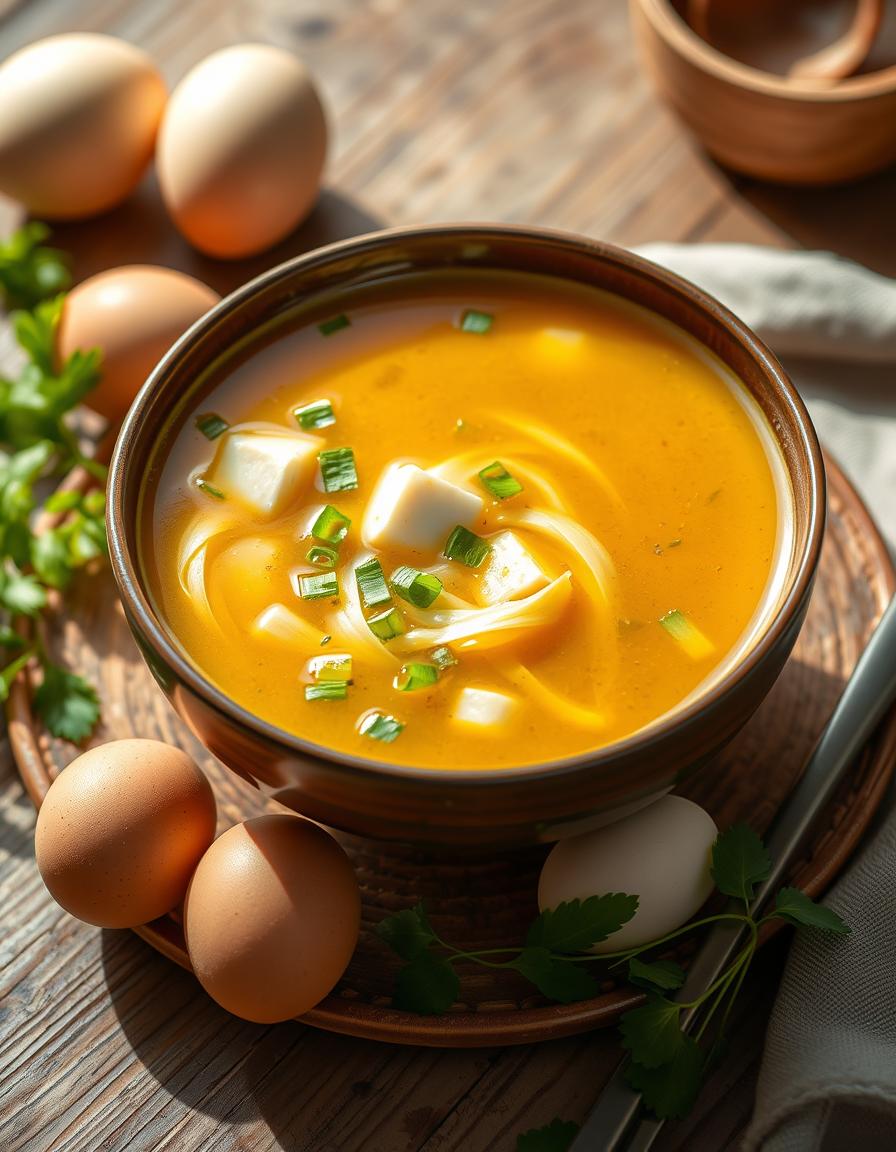
Egg flower soup is essentially a broth-based soup where beaten eggs are slowly poured into hot broth, creating silky strands that resemble delicate flowers. The simplicity of the ingredients is what makes it unique: usually just broth, eggs, a bit of seasoning, and sometimes vegetables or tofu. Because of this, it’s a low-calorie option packed with protein from the eggs and vitamins from the broth and added veggies.
If you want a delicious, guilt-free comfort meal, you might also want to check out shoney’s beef and cabbage soup, which is another fantastic choice full of nutrition and flavor.
Calories in Egg Flower Soup
When thinking about egg flower soup nutrition, calories are an important starting point. A typical serving of egg flower soup ranges from 70 to 100 calories depending on the recipe. Since the main ingredients are eggs and broth, it’s naturally low in calories, making it a good pick if you want something light yet filling.
| Ingredient | Calories (per 100g) |
|---|---|
| Chicken Broth | 5–10 |
| Egg (whole) | 143 |
| Vegetables (e.g., corn, peas) | 20–40 |
Because the soup is broth-based and eggs are the main protein source, it helps keep the calorie count low without sacrificing taste or satisfaction. It’s perfect if you want to watch your calories but still enjoy a warm, filling dish.
Protein Content: Why Eggs Steal the Show
Eggs are well-known for being a high-quality protein source, containing all the essential amino acids your body needs. When eggs are added to the soup, they boost the protein content significantly. A typical bowl of egg flower soup has about 6 to 8 grams of protein.
Protein is crucial for muscle repair, immune function, and keeping you feeling full longer. So, egg flower soup can be more than just a starter; it can serve as a nourishing mini-meal or snack.
- One large egg contains about 6 grams of protein.
- The broth adds almost no protein but enhances hydration.
- Any added tofu or veggies can increase protein and nutrients.
Key Nutrients Found in Egg Flower Soup
Egg flower soup nutrition includes a handful of important vitamins and minerals essential to keeping the body healthy. The soup’s main nutrient contributors are eggs and broth, which offer a range of benefits.
Vitamins
- Vitamin A: Important for vision and immune health, and present in eggs and broth made from bones or carrots.
- B Vitamins: Eggs are rich in B12, riboflavin, and folate, which help the body convert food into energy.
- Vitamin D: Eggs contain vitamin D, supporting bone health and immune function.
Minerals
- Iron: Eggs provide iron, crucial for carrying oxygen in the blood.
- Calcium: Bone broth or enriched broth contributes calcium, which strengthens bones and teeth.
- Potassium: Present in broth and vegetables, potassium helps regulate blood pressure and heart function.
One great thing about egg flower soup is that it’s easily adaptable. Adding leafy greens, mushrooms, or tofu can increase the fiber and nutrient content, making the soup more wholesome.
How to Make Egg Flower Soup Healthier
Though egg flower soup is already light and nutritious, there are ways to bump up its health benefits without losing its classic charm.
- Use homemade bone broth: This increases collagen, calcium, and other minerals naturally.
- Add fresh vegetables: Snow peas, corn, mushrooms, or spinach bring in extra vitamins and fiber.
- Limit salt: Use low-sodium broth or add herbs like ginger and garlic to boost flavor without excess sodium.
- Include tofu: This extra protein source also adds texture and makes the soup more filling.
Egg Flower Soup vs. Other Soups: A Quick Comparison
Egg flower soup stacks up well compared to many other common soups when considering nutrition.
| Soup | Calories (per serving) | Protein (g) | Fat (g) |
|---|---|---|---|
| Egg Flower Soup | 80–100 | 6–8 | 3–5 |
| Chicken Noodle Soup | 140–160 | 8–10 | 3–6 |
| Vegetable Soup | 90–120 | 2–4 | 1–3 |
| Tomato Soup | 110–130 | 3–5 | 3–4 |
As you can see, egg flower soup is lower in calories than many common soups while providing a solid amount of protein, largely thanks to the eggs. It’s a fantastic choice if you need something light but still want moderate protein intake.
Who Should Include Egg Flower Soup in Their Diet?
This soup is an excellent option for a wide range of people because of its simplicity and nutrition. Anyone looking for a low-calorie, high-protein meal can benefit from egg flower soup nutrition.
- Busy students who want a quick, healthy meal.
- Older adults needing easy-to-digest protein.
- People recovering from illness craving gentle, nourishing foods.
- Those on calorie-controlled diets or intermittent fasting days.
It’s also great for vegetarians if you swap the broth for vegetable broth and add tofu instead of egg—or keep the eggs for a vegetarian, but non-vegan option.
Fun Facts and Anecdotes
Egg flower soup goes by many names, such as “egg drop soup” in Westernized Chinese restaurants, though true egg flower soup is often a bit simpler and silkier. Legend has it that in China, this soup was traditionally served to tired scholars to boost brainpower and energy during long study sessions. Who knew eggs and broth could be so brainy?
If you accidentally pour the eggs too fast into the boiling broth, you might get clumps instead of silky strands—think of it as the soup version of a bad hair day! With a little patience and slow pouring, you ensure those lovely flower-like ribbons form perfectly.
Conclusion
Egg flower soup nutrition offers a delightful combination of low calories, high-quality protein, and essential vitamins and minerals. Because it is simple, tasty, and quick to make, it fits well into many diets and lifestyles. Whether you’re looking for a light snack or a nourishing starter, this soup has got you covered. Adding fresh veggies or tofu can enhance its nutrient profile even more without compromising the comforting feel. So next time you want a meal that’s easy on the tummy but rich in nutrition, grab a bowl of egg flower soup and enjoy its warm, silky charm.

Timo is the founder of LiteDietPlan.com, where smart nutrition meets simple living.