Choosing a 1000 calorie diet plan for weight loss can feel like walking a tightrope. You want to shed pounds quickly, but cutting calories too low risks leaving you tired, hungry, and cranky. Finding the right balance is key to losing weight while still feeling energized and satisfied. This approach demands smart food choices that pack a punch of nutrition without pushing you over the calorie limit.
Understanding a 1000 Calorie Diet Plan for Weight Loss
A 1000 calorie diet plan for weight loss is a low-calorie eating strategy aimed at creating a calorie deficit, helping your body use stored fat for energy. While it’s lower than the average person’s daily needs, some people may follow it short-term to jumpstart weight loss or break through a plateau. However, it’s very important to ensure your body still receives essential nutrients even on a limited calorie intake.
This kind of plan should include a mix of protein, fiber, healthy fats, vitamins, and minerals to keep your metabolism humming and hunger at bay. It’s far from starving yourself; it’s about making every bite count.
How to Make Smart Choices on a 1000 Calorie Diet
Focus on Nutrient-Dense Foods
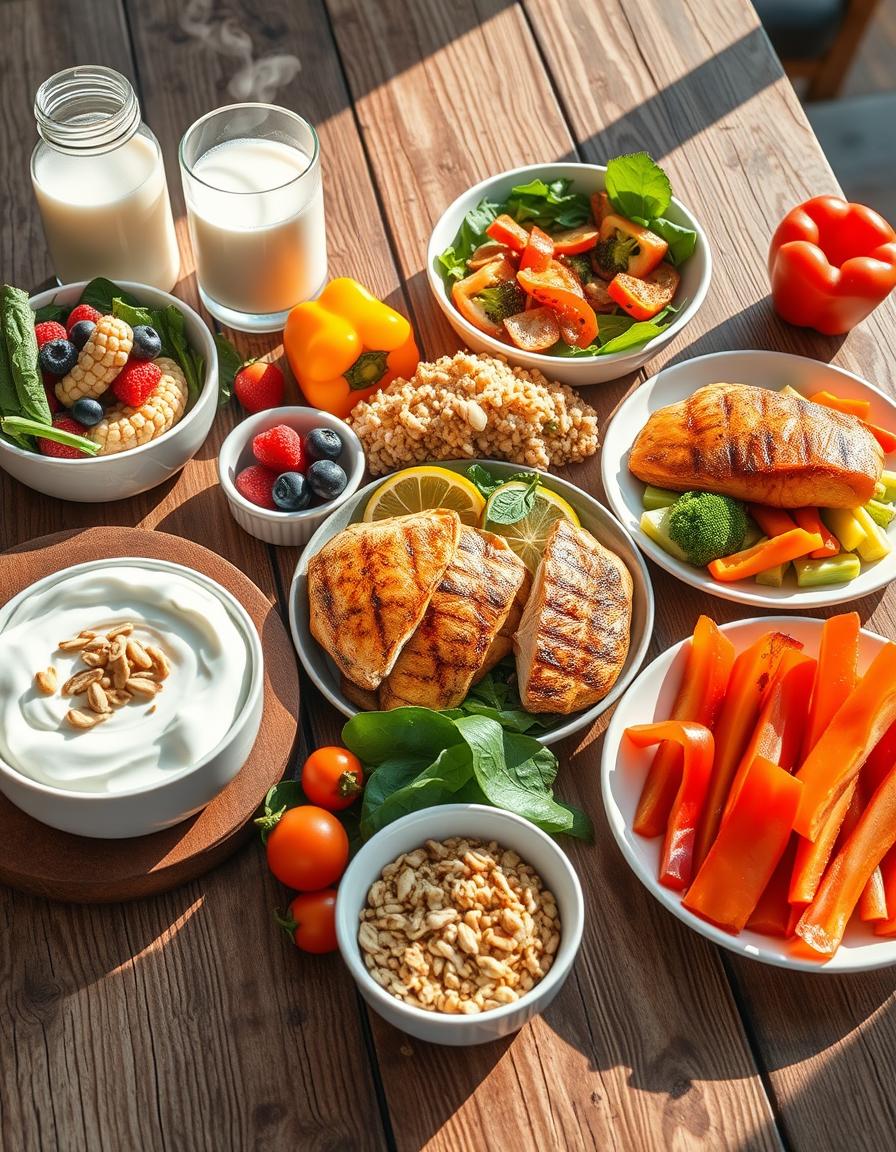
When calories are restricted, every meal matters. Nutrient-dense foods deliver more vitamins and minerals per calorie, which is a win-win. Veggies, lean proteins, and whole grains are your best friends here. Instead of empty calories from sugary snacks or fried foods, go for options that nourish your body.
- Vegetables: Leafy greens, broccoli, peppers, and carrots are low in calories but high in fiber and nutrients.
- Lean Proteins: Chicken breast, fish, tofu, and legumes help keep you full longer and maintain muscle mass.
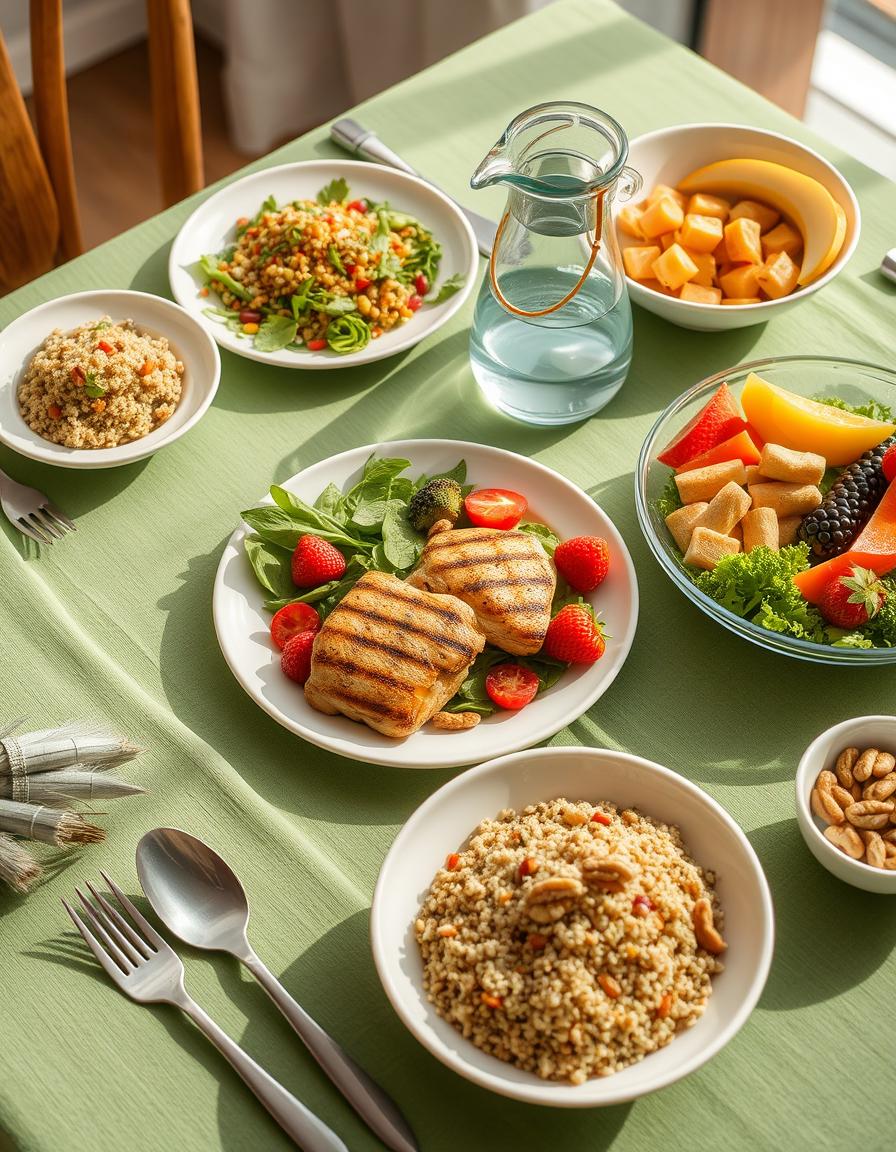
- Whole Grains: Brown rice, quinoa, and oats provide sustained energy and fiber.
Portion Control and Meal Timing
It’s not just what you eat but how much and when. Smaller portions spread across 4-5 meals can prevent hunger pangs and keep your blood sugar steady. Avoid skipping meals, as it can backfire and cause overeating later.
| Meal | Suggested Calorie Range | Examples |
|---|---|---|
| Breakfast | 250-300 calories | Oatmeal with berries and a spoon of peanut butter |
| Snack | 100-150 calories | Greek yogurt or a handful of almonds |
| Lunch | 300-350 calories | Grilled chicken salad with mixed greens |
| Snack | 100-150 calories | Fresh veggies with hummus |
| Dinner | 250-300 calories | Baked salmon with steamed broccoli |
Hydration Matters
Drinking enough water might sound like old news, but it’s crucial on a calorie-restricted plan. Sometimes thirst masquerades as hunger, and gulping down water can reduce unnecessary snacking. Try herbal teas or sparkling water if plain water gets boring. Also, some meals with high water content — like soups or salads — give you a fuller feeling with fewer calories.
Example Day on a 1000 Calorie Diet Plan for Weight Loss
Let’s paint a picture of how a day might look on this plan:
- Breakfast: A bowl of oatmeal topped with a handful of strawberries and a teaspoon of chia seeds (approx. 280 calories).
- Morning Snack: A small apple and 10 almonds (approx. 120 calories).
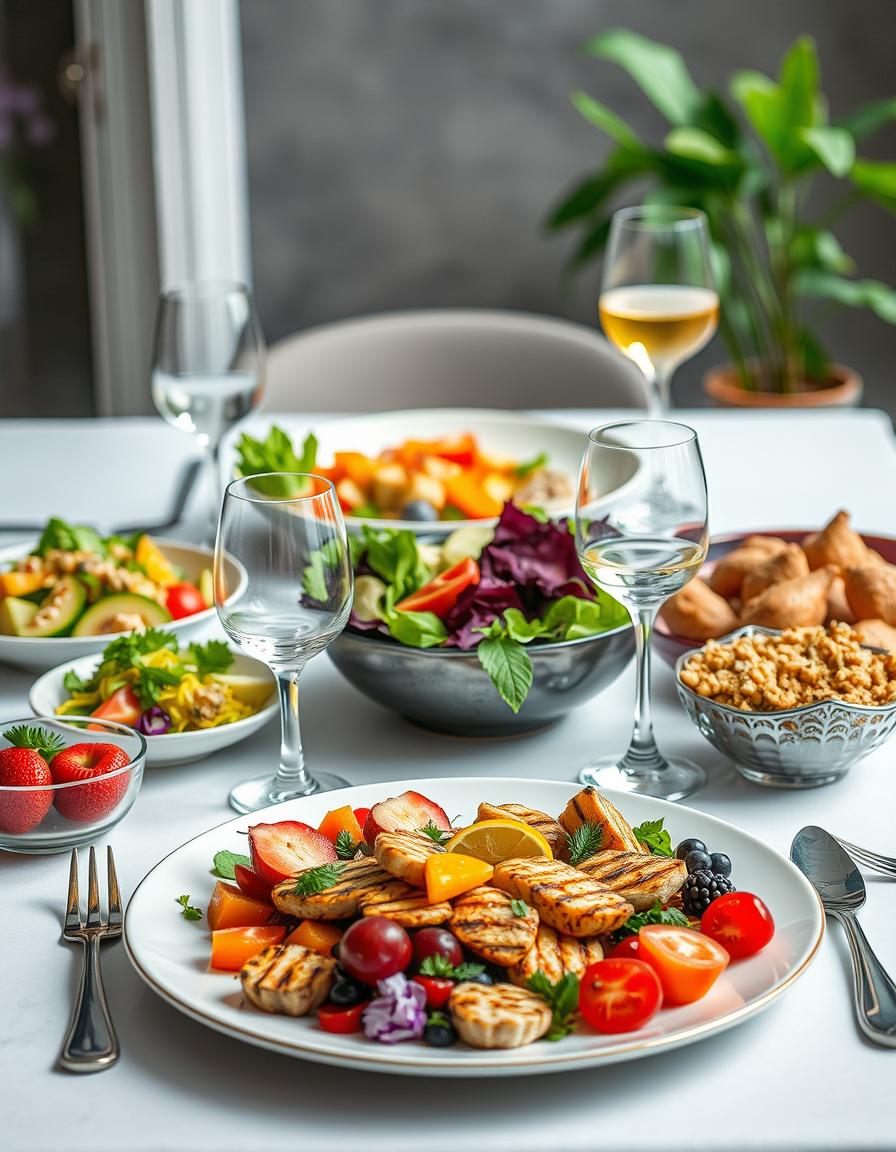
- Lunch: Mixed greens salad with grilled chicken, cherry tomatoes, cucumber, and a light vinaigrette (approx. 320 calories).
- Afternoon Snack: Carrot sticks with 2 tablespoons of hummus (approx. 110 calories).
- Dinner: Steamed white fish with sautéed spinach and a small sweet potato (approx. 170 calories).
This day keeps you right around 1000 calories, provides protein to maintain muscle, and plenty of fiber from fruits and vegetables for digestion.
Watch Out for Nutrient Gaps
A lower calorie diet can sometimes miss important nutrients like iron, calcium, and vitamin D. Including foods such as leafy greens, dairy or fortified alternatives, nuts, and seeds can help. If you have any concerns, chatting with a healthcare provider about supplements is a smart step.
Benefits and Challenges of a 1000 Calorie Diet Plan for Weight Loss
On the bright side, limiting calories can lead to noticeable weight loss in a short time, making your jeans fit better and boosting your confidence. It also teaches portion control and encourages eating whole, nourishing foods.
However, some people may struggle with fatigue, mood swings, or hunger, especially if they try to follow the plan long-term without adjustments. It’s like trying to run a marathon on a tiny gas tank—your body needs enough fuel to keep going. Listening to your hunger cues and adjusting as needed will help you stick with it without burnout.
Tips for Staying on Track
- Plan your meals ahead to avoid grabbing fast food or snacks impulsively.
- Keep healthy snacks handy, like sliced veggies or a small handful of nuts.
- Incorporate light exercises like walking or yoga, which can enhance mood and weight loss.
- Allow occasional treats to keep cravings in check—after all, life is about balance!
As a side note, parents interested in nutritious options for their little ones might find this guide on freeze dried fruit for babies quite helpful.
Conclusion
Choosing a 1000 calorie diet plan for weight loss is a unique way to jumpstart your journey, but it requires thoughtful food choices that pack nutrition and satisfaction into every bite. Prioritize lean proteins, fresh vegetables, and smart portion sizes to keep hunger and fatigue at bay. Staying hydrated and planning ahead can make sticking to the plan easier and even enjoyable. Remember, the goal isn’t just to lose pounds but to feel good and build habits that last. Treat yourself kindly along the way, and your body will thank you!

Timo is the founder of LiteDietPlan.com, where smart nutrition meets simple living.