Feeding babies can sometimes feel like stepping into uncharted territory. Parents want to introduce healthy, tasty options that will excite their little ones’ taste buds while providing essential nutrients. Freeze dried fruit for babies has become a popular snack choice because it is convenient, nutritious, and often loved by tiny hands. But what makes freeze-dried fruit stand out, and how can parents be sure they’re offering the best to their babies? Let’s explore the benefits, safety tips, and some fun ideas to incorporate this snack into a baby’s diet.
What Is Freeze-Dried Fruit?
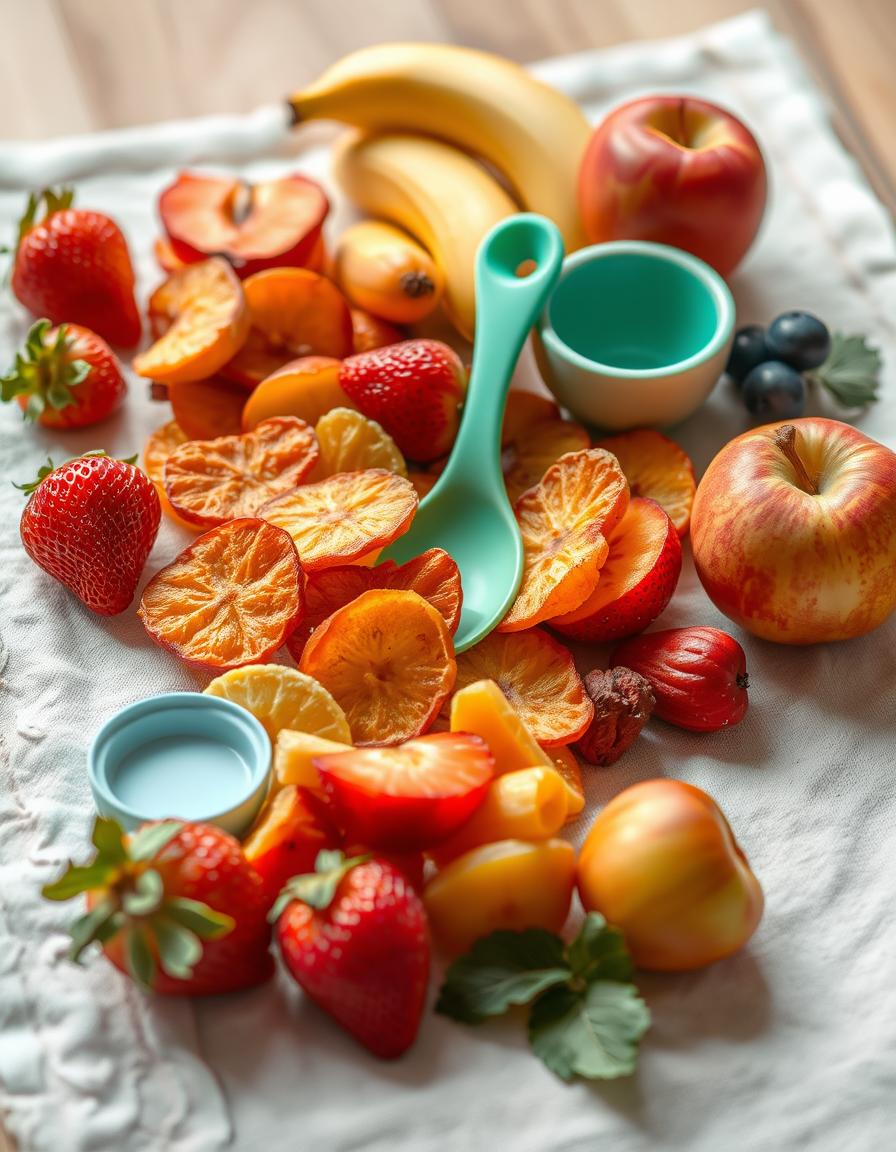
Freeze-dried fruit is fruit that has had almost all its moisture removed through a freezing and drying process. This keeps the fruit’s natural flavor, color, and nutrients intact for a long time without needing preservatives. Unlike dehydrated fruit, freeze drying removes more moisture, which helps the fruit stay crisp and light.
For babies, this means they can enjoy the sweetness and taste of real fruit in a form that’s easy to handle and doesn’t spoil quickly. Plus, freeze dried fruit often has no added sugars or artificial ingredients, making it a wholesome choice.
Why Choose Freeze Dried Fruit for Babies?
When introducing snacks to babies, parents want something that’s healthy, easy to serve, and interesting to little ones. Freeze dried fruit meets all these needs.
Benefits at a Glance
- Convenience: Lightweight and portable, freeze dried fruit is perfect for busy parents to throw in diaper bags.
- Nutrient Retention: Most vitamins and minerals remain intact during the freeze drying process, so babies get real fruit goodness.
- Long Shelf Life: It lasts longer than fresh fruit without refrigeration, reducing waste.
- Easy Texture: The crunchy texture can help encourage chewing muscles, great for developing oral skills.
Is Freeze Dried Fruit Safe for Babies?
As much as freeze dried fruit is charming and convenient, parents need to be cautious. Since it’s crunchy and dry, it might pose a choking risk for very young babies.
Experts typically suggest waiting until babies have some teeth or can chew well before introducing freeze-dried fruit. Always supervise snack time, and break pieces into tiny bits if needed. Remember, each baby develops at their own pace!
Nutritional Value of Freeze Dried Fruit
Freeze dried fruit retains many of the vitamins and minerals found in fresh fruit. It’s rich in:
- Vitamin C – supports immune health
- Fiber – aids digestion
- Potassium – important for heart and muscle function
- Natural sugars – provide gentle energy
Because it’s fruit, it’s naturally free of added preservatives and artificial colors. However, it’s important to check labels to make sure no sugars or additives sneak in.
| Nutrient | Fresh Fruit | Freeze Dried Fruit |
|---|---|---|
| Calories | 50-60 | 300-350 |
| Vitamin C | 30-50 mg | 25-45 mg |
| Fiber | 2-3 g | 10-12 g |
The higher calorie count in freeze dried fruit is due to its concentrated form after moisture is removed. That’s why portion control is important when offering it to babies to avoid too much sugar intake at once.
How to Introduce Freeze Dried Fruit for Babies
Introducing any new food can be a twisty road. Here are some pointers to ensure your baby enjoys this snack safely.
Start Small
Offer a tiny piece or crush it into powder and mix it with yogurt or oatmeal. Keep an eye on how your baby reacts to the new texture and taste.
Offer with Meals
Freeze dried fruit can be a tasty addition to purees or baby cereal, giving those familiar foods a burst of natural sweetness. This encourages babies to explore new flavors without overwhelming them.
Supervise Always
Because freeze dried fruit can be a choking hazard, never leave your baby unattended while eating. Make sure they are sitting upright and focused on their snack.
Creative Ways to Use Freeze Dried Fruit
Freeze dried fruit isn’t just a snack to munch on. It’s versatile and can jazz up your baby’s meals in fun ways.
- Fruit Dust: Crush freeze dried strawberries or blueberries into a powder to sprinkle on baby’s yogurt or mashed bananas.
- Mix with Cereals: Stir in bits of freeze dried apples or mangoes for added flavor and fiber.
- Snack Packs: Combine freeze dried fruits with baby-safe cereal puffs for a mix of textures.
- Baking Buddy: Add small pieces to homemade baby muffins or pancakes for a fruity surprise.
Things to Watch Out For
While this snack is generally safe and nutritious, a couple of things deserve attention.
- Choking Risks: Freeze dried fruit can be hard and sticky, so it’s best for babies who can handle solids well.
- Added Sugars: Some brands add sugar or other sweeteners—always double-check the label to keep it natural.
- Allergies: Introduce new fruits one at a time to monitor for any allergic reactions.
By paying attention to these points, parents can ensure the utmost safety and enjoyment of freeze dried fruit for babies.
For those curious about the nutritional benefits of related foods, understanding banana pepper nutrition can provide insights into how various fruits and vegetables contribute to a balanced diet.
Conclusion
Freeze dried fruit for babies offers a unique blend of convenience, flavor, and nutrition that can brighten snack time for both babies and parents. While there are a few safety considerations to keep in mind, with thoughtful introduction and supervision, freeze dried fruit can be a delightful part of your baby’s food journey. It’s a way to share nature’s sweetest treats in a form that’s easy to store, fun to eat, and packed with essential nutrients. Remember, the key is to start slowly, watch closely, and enjoy exploring new tastes together.

Timo is the founder of LiteDietPlan.com, where smart nutrition meets simple living.