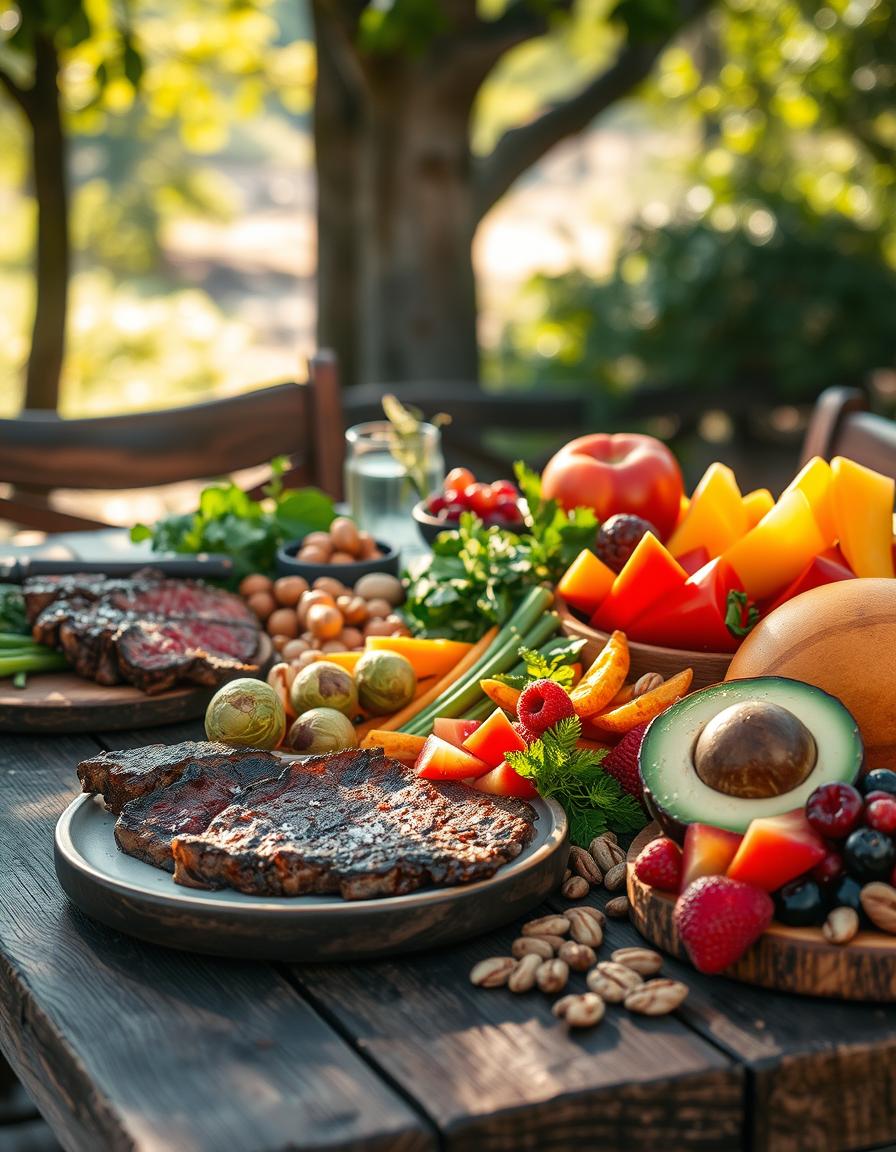
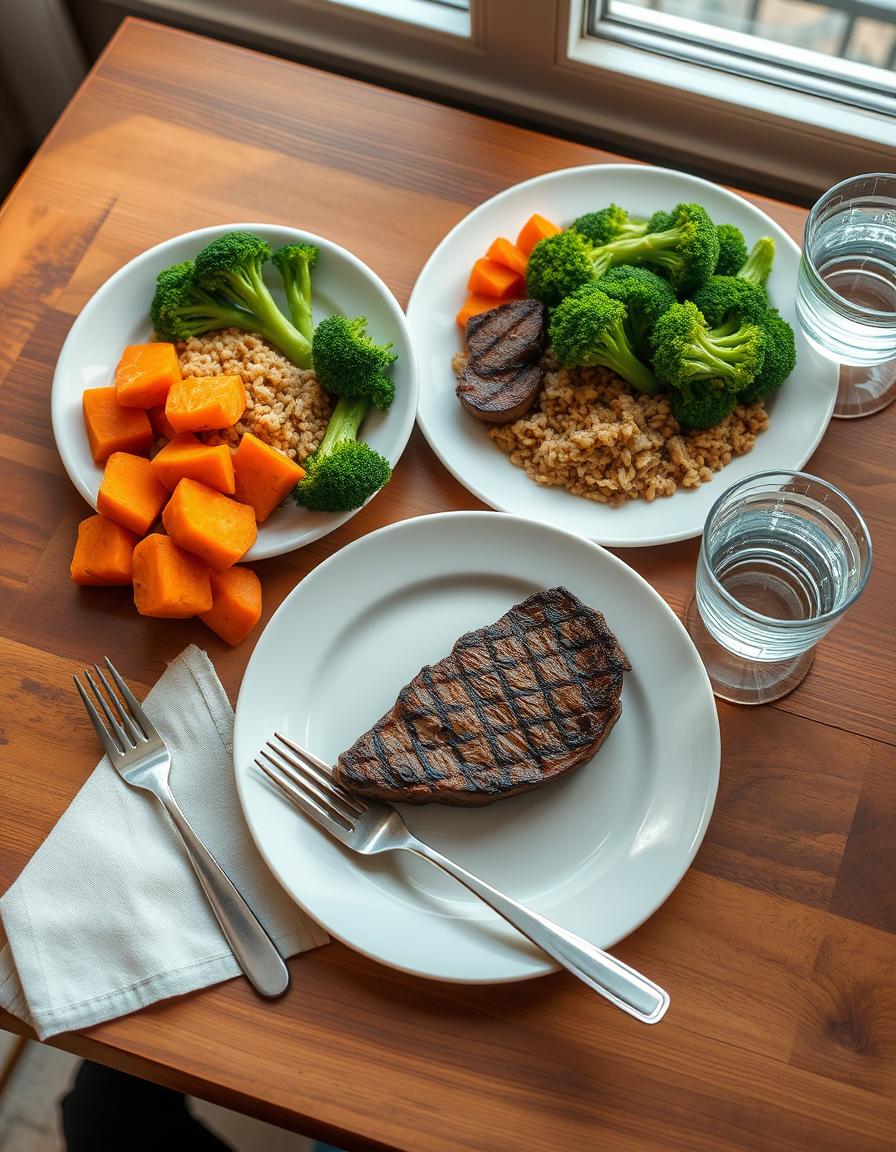
Fueling your body with the right nutrition is essential for building strength and staying healthy. One popular eating strategy gaining attention in fitness circles is the Vertical Diet plan. Unlike traditional diets that focus on cutting calories or tracking every little thing, the vertical approach centers on optimizing nutrient-rich foods to help improve performance, recovery, and muscle growth. If you’re curious about how a vertical diet meal plan can support your strength goals, this article breaks it down in a simple and engaging way.
What Is the Vertical Diet?
The Vertical Diet is a nutrition plan created by Stan Efferding, a professional bodybuilder and powerlifter. It’s called “vertical” because it focuses on eating a few core foods repeatedly—these are the “vertical” staples—while adding in nutrient-dense “horizontal” foods to fill nutritional gaps. This approach keeps things simple yet effective.
At its core, the diet emphasizes easily digestible foods that provide high-quality protein, healthy fats, and essential vitamins and minerals. It mainly includes red meat, white rice, and certain fruits and vegetables. This combination supports muscle growth, gut health, and overall energy levels.
Why Choose a Vertical Diet Meal Plan for Strength?
When lifting heavy, your body needs fuel that won’t feel like a burden. The vertical diet meal plan is designed to reduce digestive stress. By choosing foods that are easy to digest, you can absorb nutrients better and recover faster. For example, white rice is a staple carb source because it’s less likely to cause bloating or stomach upset compared to other grains.
Moreover, the focus on red meat provides a rich source of heme iron and B vitamins, which are key for oxygen delivery and energy production—both crucial for strength training. The diet also encourages eating enough food, so energy and muscle growth don’t take a backseat.
Key Components of the Vertical Diet Meal Plan
Core Foods (“Vertical”)
- Red Meat: Beef and lamb are preferred for protein and iron.
- White Rice: The primary carbohydrate source for easy digestion.
- Eggs: Great for healthy fats and protein diversity.
- Spinach and Other Leafy Greens: Packed with vitamins and minerals like magnesium and potassium.
- Fruits like Oranges and Bananas: Help with vitamin C and electrolytes.
Supporting Foods (“Horizontal”)
- Dairy such as yogurt and cheese for calcium.
- Bone broth for gut health and collagen.
- Other vegetables like carrots and bell peppers.
- Fats like olive oil and butter.
Foods to Avoid
The diet minimizes foods that can irritate digestion or cause inflammation, such as high-fiber grains, nuts in large amounts, and overly processed foods. This helps keep energy focused on lifting and recovery rather than fighting off stomach woes.
Sample Vertical Diet Meal Plan
| Meal | Foods | Benefits |
|---|---|---|
| Breakfast | Scrambled eggs with spinach and white rice | Protein, iron, vitamins, and easy carbs for energy |
| Lunch | Grilled beef with steamed carrots and white rice | Muscle-building protein and nutrients with digestible carbs |
| Snack | Greek yogurt with banana slices | Probiotics, protein, and potassium support |
| Dinner | Lamb chops with sautéed bell peppers and white rice | Iron-rich protein, antioxidants, and steady energy |
Why Digestibility Matters
Think of your stomach like a busy factory. If you feed it with tough-to-process foods, the factory works overtime and slows down other important tasks like muscle repair. The vertical diet meal plan highlights foods that act like the “easy assembly line” – breaking down quickly and letting your body absorb nutrients without stress. This means less bloating and fatigue, and more focus on lifting weights and recovering fully.
How to Adjust the Vertical Diet to Your Needs
The vertical diet meal plan is flexible enough to fit individual routines. If you work out intensely or have a fast metabolism, you can add more servings of white rice or extra red meat to meet your calorie needs. On lighter days, reduce portion sizes but keep the same foods.
Keep in mind, variety in your fruits and vegetables ensures you don’t miss out on important vitamins. Feel free to swap out spinach for kale or add oranges for vitamin C. The goal is to keep a strong “vertical” foundation with your core foods while varying the horizontal items.
The Role of Hydration and Sleep
Nutrition isn’t the only part of strength building. The vertical diet meal plan encourages drinking plenty of water and getting quality sleep. Proper hydration supports digestion and muscle function. Meanwhile, a good night’s rest is when muscles really grow and recover.
So, don’t just focus on what’s on your plate—think about the bigger picture, like drinking water throughout the day and aiming for 7-9 hours of sleep each night.
On a fun note, if you’re wondering how to mix up your meals within a low-carb or animal-based approach, you might enjoy trying this carnivore diet pizza recipe. It’s a creative way to stay on track without feeling like you’re missing out.
Common Misconceptions About the Vertical Diet
Isn’t Eating Mostly Meat Unhealthy?
When it comes to a vertical diet meal plan, it’s not just meat on the menu. Vegetables, fruits, and rice provide important nutrients missing in many meat-heavy meals. This balance helps avoid the pitfalls some associate with high-meat diets, such as lacking fiber or vitamins.
Will I Get Bored Eating the Same Foods?
Repeating core foods might sound dull, but many find comfort in simplicity. Plus, you can spice things up with different herbs, cooking methods, and side dishes. Keeping a routine helps you focus less on food choices and more on training hard.
Benefits Beyond Strength
People who follow the vertical diet meal plan often report better digestion, improved energy levels, and clearer mental focus. By minimizing foods that might cause inflammation or gut issues, the diet helps maintain overall well-being.
Weight management can also improve naturally, because the focus is on eating enough nutrient-dense foods rather than endless calorie counting or restriction.
Conclusion
The vertical diet meal plan offers a straightforward way to fuel strength and recovery without overcomplicating nutrition. By focusing on a few nutrient-packed core foods and adding in supportive fruits and veggies, it reduces digestive issues and helps your body perform at its best.
Whether you’re lifting for sport or just want to feel stronger day-to-day, this diet helps ensure your body gets what it needs in an efficient, friendly way. Remember, eating well can be simple and enjoyable—sometimes, less really is more.

Timo is the founder of LiteDietPlan.com, where smart nutrition meets simple living.