Choosing a vegan diet plan for weight loss can feel like stepping into a whole new world of eating habits, but it doesn’t have to be complicated or dull. In fact, many find that shifting to plant-based meals brings a refreshing burst of flavors and health benefits. Sustainable weight loss means more than just dropping pounds quickly—it’s about creating habits that stick and nourish your body for the long haul. A well-thought-out vegan approach offers plenty of variety, nutrients, and the satisfaction of doing something good for both yourself and the planet.
Why Choose a Vegan Diet Plan for Weight Loss?
Many people associate veganism with salad and tofu plates, but there’s so much more to it. A vegan diet focuses on whole plant foods like vegetables, fruits, grains, legumes, nuts, and seeds. This naturally lowers calorie intake while increasing fiber, which helps keep hunger at bay.
One of the advantages of a vegan diet plan for weight loss is that it reduces consumption of processed and high-fat animal products. This often results in fewer empty calories and less saturated fat intake. Plus, plant-based foods boost your metabolism and support digestion.
Benefits You Can Expect
- Higher fiber intake: Keeps you fuller longer and supports gut health.
- Lower calorie density: You can eat satisfying portions with fewer calories.
- Rich in vitamins and antioxidants: Helps your body repair and stay energized.
- Environmental impact: Eating plants reduces your carbon footprint, making you feel good inside and out.
Building a Vegan Diet Plan for Weight Loss That Works
Switching to a vegan diet for weight loss isn’t just about cutting out meat and dairy. It requires a balanced approach to make sure your body gets everything it needs. Here are some tips to help you build a sustainable plan.
Focus on Whole Foods
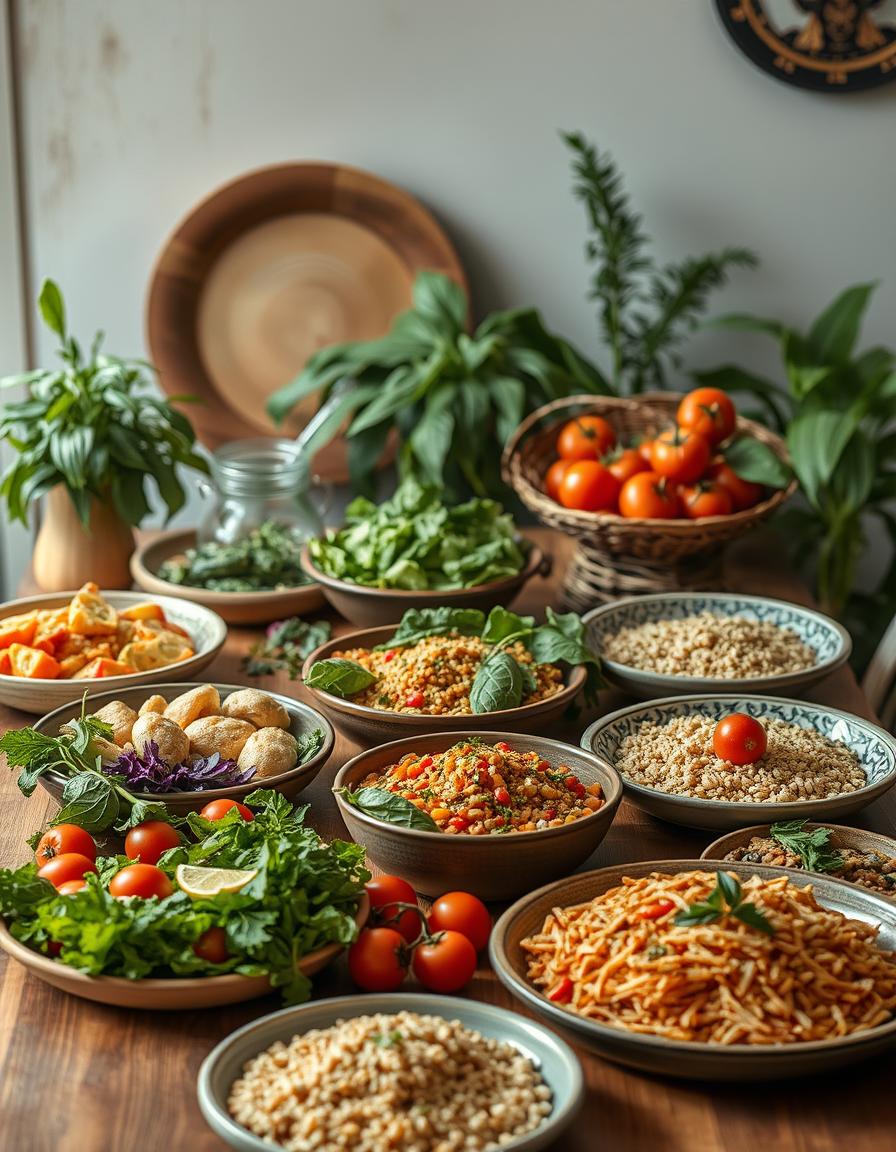
Whole foods are foods that haven’t been processed much. Think fresh vegetables, fruits, grains like quinoa and brown rice, beans, lentils, nuts, and seeds. These are nutrient-dense and fill you up without extra calories. Avoid relying heavily on vegan junk food like fries, chips, or sugary snacks—even if they’re technically “plant-based.”
Include Sources of Protein
Protein is important to keep your muscles strong and your metabolism running smoothly. Some great vegan protein sources include chickpeas, tofu, tempeh, black beans, lentils, and edamame. You don’t have to eat meat to get enough protein, but it helps to include these regularly.
Don’t Forget Healthy Fats
Avocados, nuts, seeds, and olive oil provide healthy fats that help your brain and skin. They also keep you feeling satisfied between meals. However, keep portions moderate since fats are calorie-dense.
Plan Your Meals
Having a simple meal plan eliminates guesswork and stops you from reaching for unhealthy snacks. A typical day on a vegan diet plan for weight loss might look like this:
| Meal | Example Foods |
|---|---|
| Breakfast | Oatmeal with flaxseeds, berries, and almond butter |
| Lunch | Quinoa salad with chickpeas, veggies, and lemon-tahini dressing |
| Snack | Apple slices with peanut butter |
| Dinner | Stir-fried tofu with broccoli, brown rice, and cashews |
Common Challenges and How to Overcome Them
Feeling Hungry All the Time?
Since plant-based foods can be lower in calories, you might feel hungry initially. To tackle this, increase your intake of fibrous vegetables and protein-rich legumes. Drinking plenty of water also helps fill you up and prevents mistaking thirst for hunger.
Lacking Variety
Eating the same foods repeatedly can be a real snooze fest. Spice things up by experimenting with different cuisines: Indian dals, Mexican bean bowls, Mediterranean salads, or Asian stir-fries. Your taste buds will thank you, and you won’t get bored.
Missing Convenience Foods
It’s tempting to grab ready-made options, but many vegan convenience foods are highly processed. Instead, batch-cook simple meals and freeze them. That way, you always have a quick meal ready without compromising your goals.
Tracking Your Progress
For sustainable weight loss, it’s helpful to keep an eye on how your body responds. Tracking your meals, energy levels, and weight changes will give you clues about what works best. Remember, fluctuations are normal—focus on how you feel and your overall well-being.
| Metric | Why It Matters | Target Range |
|---|---|---|
| Weight | Shows fat loss progress | 1-2 pounds per week |
| Energy Levels | Indicates nutrient adequacy | Consistently good throughout the day |
| Hunger | Helps adjust portion sizes | Manageable, no extreme hunger |
By keeping these factors in check, you ensure your vegan diet plan for weight loss is effective and enjoyable.
Fun fact: Did you know that even creamy dishes like broccoli cheddar soup can be adapted for a vegan lifestyle, and you can check their broccoli cheddar soup nutrition to find healthier homemade variations? It’s all about mindful swaps and creativity.
Tips for Staying Motivated
- Set realistic goals: Don’t expect overnight miracles. Celebrate small wins.
- Find a buddy: Having someone to share meals or recipes with keeps it fun.
- Experiment with recipes: Trying new dishes can turn healthy eating into an exciting adventure.
- Listen to your body: Adjust portions and food choices based on how you feel.
Remember, weight loss is a journey, not a race. Patience and consistency are your best friends. Your body will thank you for treating it kindly with nourishing plants and whole foods.
Conclusion
A vegan diet plan for weight loss offers a unique mix of health benefits, ethical satisfaction, and tasty meals. By focusing on whole foods, balanced nutrients, and enjoyable recipes, you can shed pounds without feeling deprived. Overcoming challenges becomes easier when you prepare, vary your food choices, and stay mindful of your body’s needs. Sustainable weight loss is entirely possible with this thoughtful and compassionate approach. Your journey to a healthier, lighter you can start with just a few simple plant-based swaps today.

Timo is the founder of LiteDietPlan.com, where smart nutrition meets simple living.