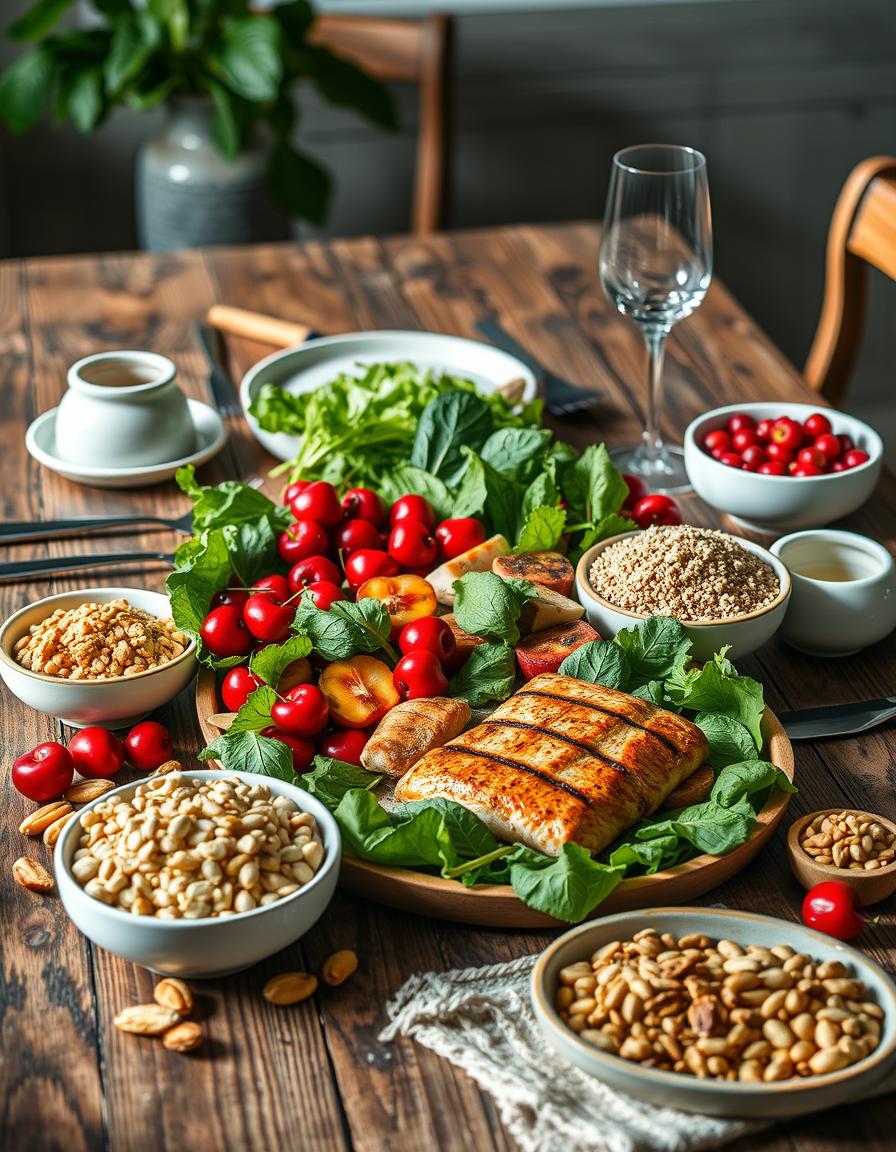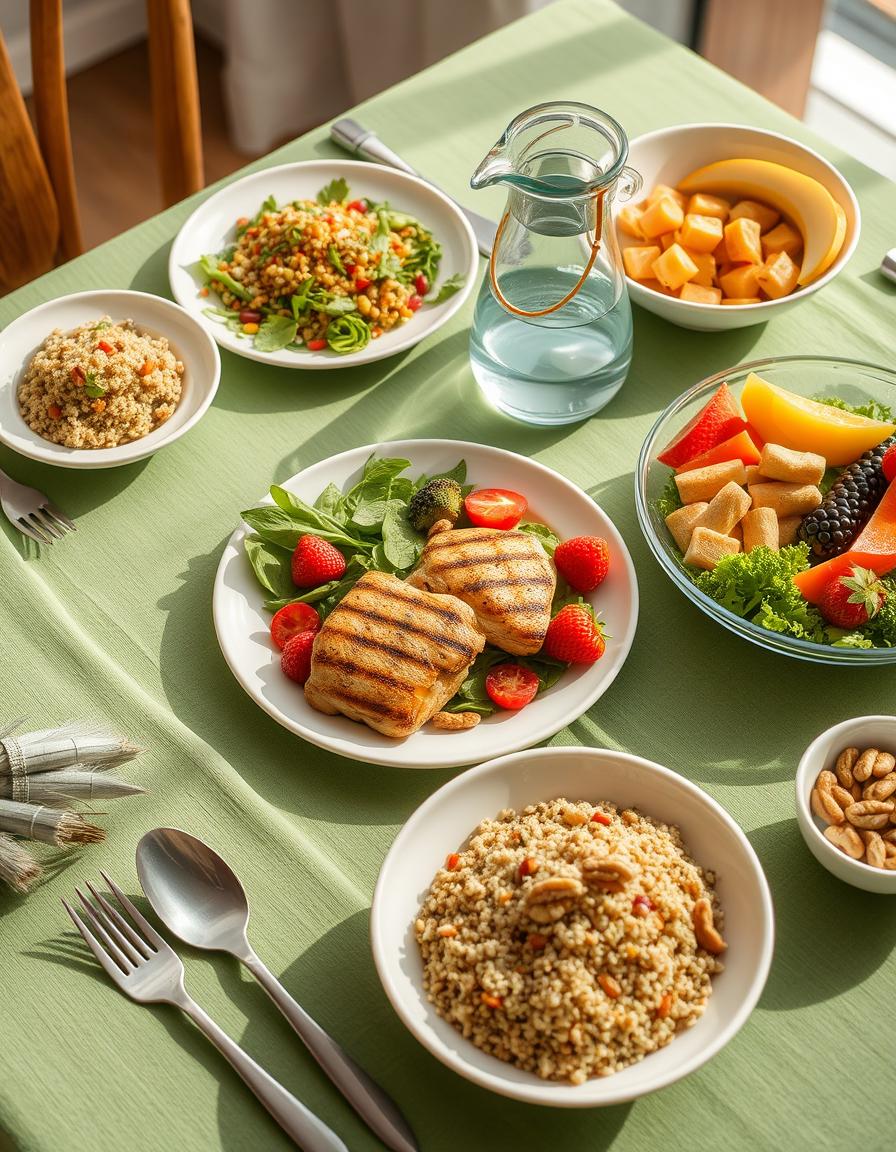
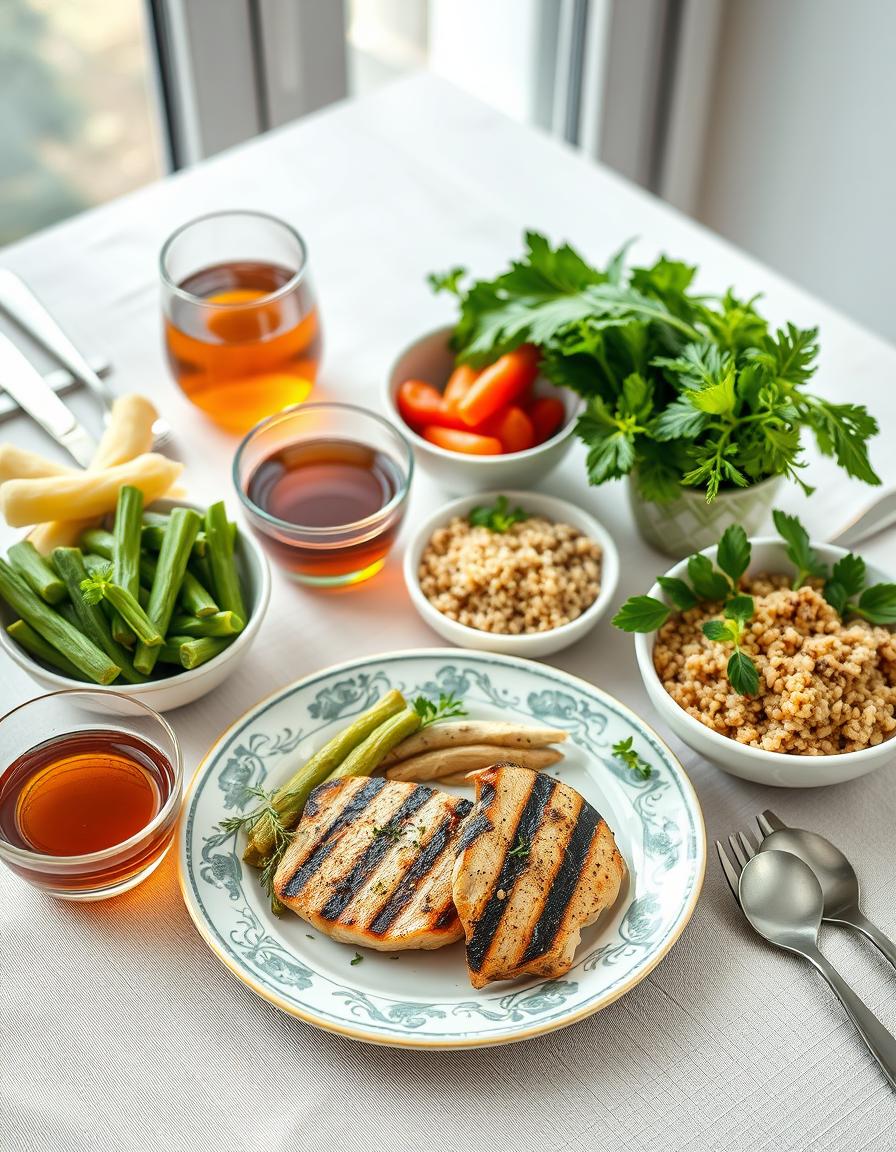
Acid reflux can turn an enjoyable meal into a fiery experience, leaving you uncomfortable and searching for relief. Many people with this condition find that diet plays a huge role in managing symptoms. A GERD diet plan for acid reflux focuses on gentle, soothing foods that calm the stomach and minimize acid production. It’s about finding balance and comfort without giving up taste or variety.
Understanding Acid Reflux and GERD
First, a quick refresher: acid reflux happens when stomach acid flows back into the esophagus, causing that classic heartburn sensation. When this occurs frequently or severely, it’s called GERD (Gastroesophageal Reflux Disease). Symptoms can include burning in the chest, a sour taste in the mouth, and even difficulty swallowing.
Managing GERD often means changing habits, especially what you eat. A GERD diet plan for acid reflux aims to reduce irritation and prevent flare-ups by focusing on foods that are less likely to trigger acid production.
Principles of a GERD Diet Plan for Acid Reflux
Think of your stomach like a delicate balance. Some foods tip the scale towards acid and discomfort, while others help keep everything calm and steady. Here are the key principles to consider:
- Avoid highly acidic and spicy foods: Citrus fruits, tomatoes, and hot spices tend to bump up stomach acid.
- Limit fatty and fried foods: These slow digestion and can worsen reflux symptoms.
- Opt for smaller, frequent meals: Large meals stretch the stomach and increase pressure on the valve separating stomach and esophagus.
- Stay upright after eating: Gravity is your friend when it comes to acid control.
- Choose low-acid, soothing foods: Gentle options can coat the stomach and reduce irritation.
Foods to Embrace and Avoid
Here’s a quick table to highlight common foods that can help or harm when managing acid reflux:
| Foods to Include | Foods to Limit or Avoid |
|---|---|
| Oatmeal | Citrus fruits (oranges, lemons) |
| Bananas | Tomatoes and tomato-based sauces |
| Vegetables (green beans, broccoli, asparagus) | Fried and fatty foods |
| Lean protein (chicken, turkey, fish) | Spicy foods and hot peppers |
| Whole grains | Caffeine and carbonated drinks |
| Ginger and herbal teas | Chocolate and mint |
Crafting Your Daily GERD Diet Plan for Acid Reflux
Putting together a daily eating plan that feels good can be pretty simple with some basic guidelines. Here’s how a day might look, keeping comfort and nutrition at the forefront:
Breakfast
Start with a bowl of oatmeal topped with sliced bananas or peeled apples. A cup of mild herbal tea or warm water with a splash of honey can soothe your stomach.
Lunch
A grilled chicken salad with greens like spinach or kale, cucumbers, and carrots, dressed lightly with olive oil and apple cider vinegar. Avoid heavy dressings or creamy sauces.
Snack
Try a handful of almonds or a small serving of cottage cheese frozen treats. These options provide a gentle protein boost without upsetting the stomach.
Dinner
Baked fish with steamed vegetables such as zucchini and broccoli, served with brown rice or quinoa. Finish with a cup of chamomile tea to relax digestion.
Tips for Success
- Eat slowly and chew food thoroughly.
- Keep meals smaller and spread out every 3-4 hours.
- Avoid lying down for at least two hours after eating.
- Drink water between meals rather than during to prevent dilution of stomach acids.
Lifestyle Changes to Help Control Acid Reflux
Diet is only one side of the coin. Incorporating a few lifestyle tweaks can significantly ease GERD symptoms:
- Maintain a healthy weight: Extra weight puts pressure on your abdomen, pushing acid upwards.
- Wear loose clothing: Tight belts or waistbands can squeeze your stomach and cause reflux.
- Elevate your head while sleeping: Propping up your upper body helps keep acid where it belongs.
- Quit smoking: Smoking weakens the valve between the stomach and esophagus.
- Reduce stress: Relaxation techniques can reduce acid production triggered by anxiety.
When to Seek Medical Advice
If your symptoms persist despite following a GERD diet plan for acid reflux, or if you experience severe pain, trouble swallowing, or unintended weight loss, it’s important to consult a healthcare professional. They can evaluate your condition, test for complications, and recommend treatments or medications as needed.
Sample Weekly GERD Diet Plan for Acid Reflux
| Day | Breakfast | Lunch | Dinner |
|---|---|---|---|
| Monday | Oatmeal with banana slices | Grilled turkey sandwich on whole grain bread | Baked salmon with steamed green beans |
| Tuesday | Scrambled eggs with spinach | Quinoa salad with cucumber and chicken | Roasted chicken with carrots and brown rice |
| Wednesday | Greek yogurt with honey (non-citrus) | Vegetable soup with whole grain toast | Steamed cod and asparagus |
| Thursday | Whole wheat toast with almond butter | Chicken and vegetable stir-fry (mild seasoning) | Turkey meatballs with zucchini noodles |
| Friday | Banana smoothie (low-fat milk) | Lentil salad with cucumbers and olive oil | Grilled shrimp with steamed broccoli |
| Saturday | Oatmeal with chopped apples | Roast beef sandwich on whole wheat | Baked chicken breast with roasted vegetables |
| Sunday | Scrambled eggs with mushrooms | Vegetable pasta (avoid tomato sauce) | Grilled fish tacos with avocado and lettuce |
Conclusion
A GERD diet plan for acid reflux doesn’t have to be dull or restrictive. By choosing calming, nourishing foods and making simple lifestyle changes, you can ease discomfort and enjoy meals again. Remember, the goal is to give your stomach a break and avoid common irritants while still getting the nutrients your body needs. With patience and a bit of creativity, managing acid reflux can become a gentle and positive part of your daily routine.

Timo is the founder of LiteDietPlan.com, where smart nutrition meets simple living.