Food has always been more than just fuel; it’s a connection to history, culture, and nature itself. Many of us have grown up surrounded by processed meals, packaged snacks, and fast foods that offer convenience but sometimes leave us feeling less than our best. The primal diet invites us to step back and rediscover food in its most natural form — the way our ancestors ate. This approach encourages eating whole, unprocessed foods to nourish the body and mind, making it a refreshing way to gain energy and vitality. If you’re curious about healthier choices that feel right and grounded, exploring a primal diet meal plan might be exactly what your body is craving.
What Is a Primal Diet?
The primal diet focuses on foods presumed to be available to our Paleolithic ancestors. These include fresh vegetables, fruits, nuts, seeds, eggs, fish, and meat, especially from grass-fed or wild sources. The idea is simple: eat close to nature and avoid modern processed foods that can cause inflammation or other health issues.
Unlike many popular diets, the primal diet puts an emphasis on quality and nutrient density rather than calorie counting. This means choosing foods that have the most natural goodness without artificial ingredients, additives, or mass production.
Key Components of the Primal Diet
- Protein: Grass-fed beef, free-range poultry, wild fish, and eggs.
- Fats: Healthy fats like avocado, olive oil, coconut oil, and nuts.
- Vegetables and Fruits: Focus on fresh and seasonal produce.
- Avoided Foods: Grains, legumes, refined sugars, processed foods, and most dairy.
This approach is about balancing natural fats, proteins, and carbs in a way that supports your body’s natural functions instead of disrupting them.
Benefits of Following a Primal Diet Meal Plan
Switching to a primal diet meal plan can bring about some amazing benefits. For starters, many people report improved energy levels and better digestion. Since the diet focuses on whole foods and eliminates many common irritants, it often helps reduce bloating, joint pain, and brain fog.
Another highlight is weight management. Because primal foods tend to be more satisfying and free of empty calories, you might naturally eat less without obsessing over portions. The diet can also stabilize blood sugar by cutting out refined carbs and sugars that cause spikes and crashes.
Mentally, some followers find clearer thinking and improved mood. Eating real, nutrient-dense food provides the brain with steady energy and essential nutrients to operate smoothly.
Example Benefits Table
| Benefit | Why It Happens |
|---|---|
| Steady Energy | Balanced macros and no sugar crashes |
| Weight Control | High satiety leads to less overeating |
| Better Digestion | Avoidance of processed irritants |
| Improved Mood | Stable blood sugar plus healthy fats |
Creating a Primal Diet Meal Plan
One of the best parts about the primal diet is its flexibility. While it’s structured around certain food groups, it gives plenty of room to customize meals according to your taste and lifestyle.
Sample Day of Eating
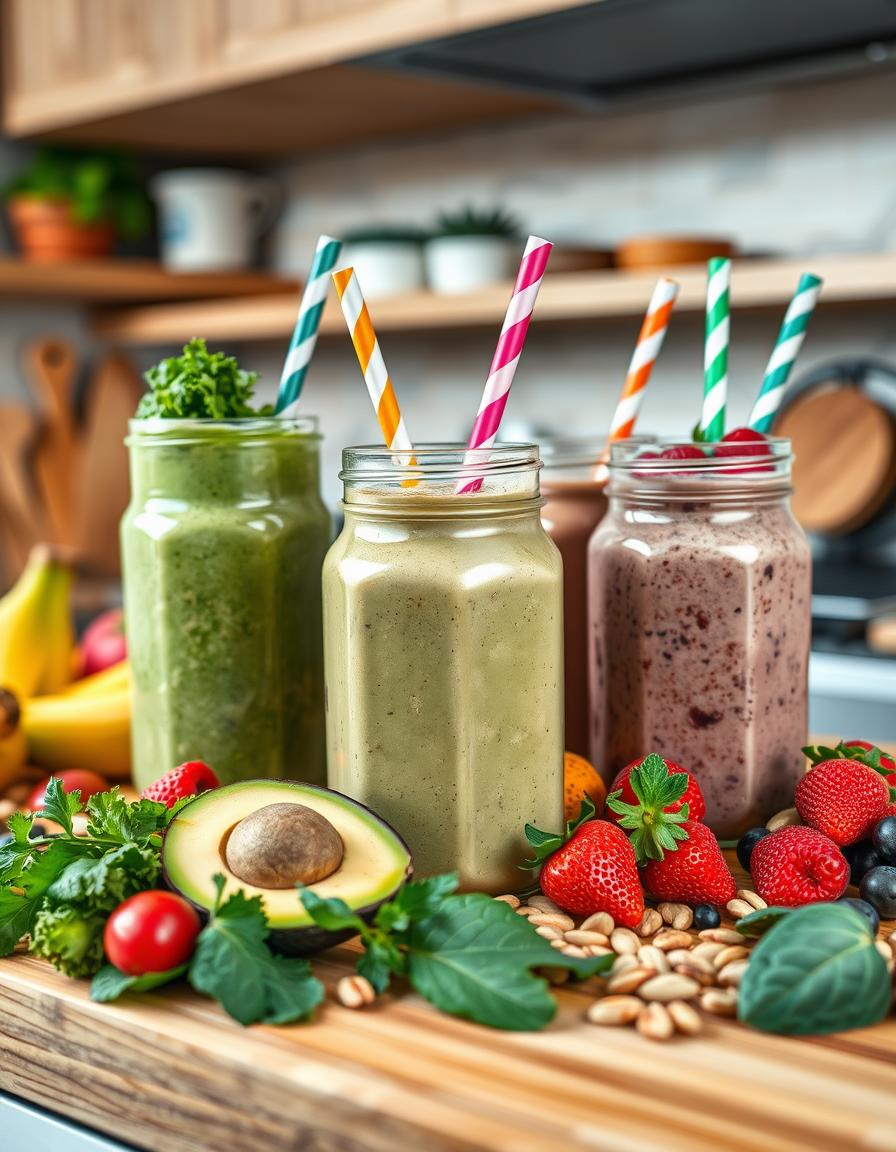
- Breakfast: Scrambled eggs with spinach and avocado, plus fresh berries.
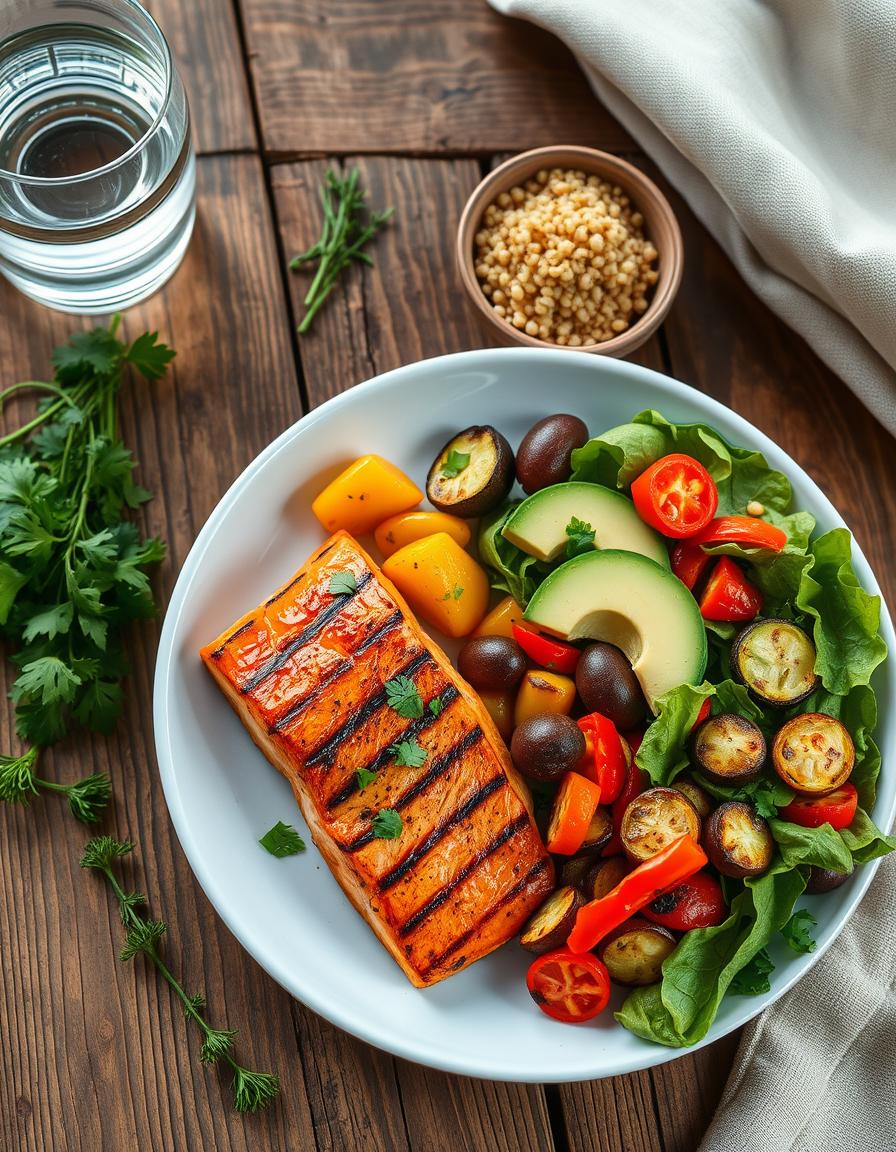
- Lunch: Grilled salmon with mixed greens and olive oil dressing.
- Snack: A handful of nuts or a few slices of cucumber with guacamole.
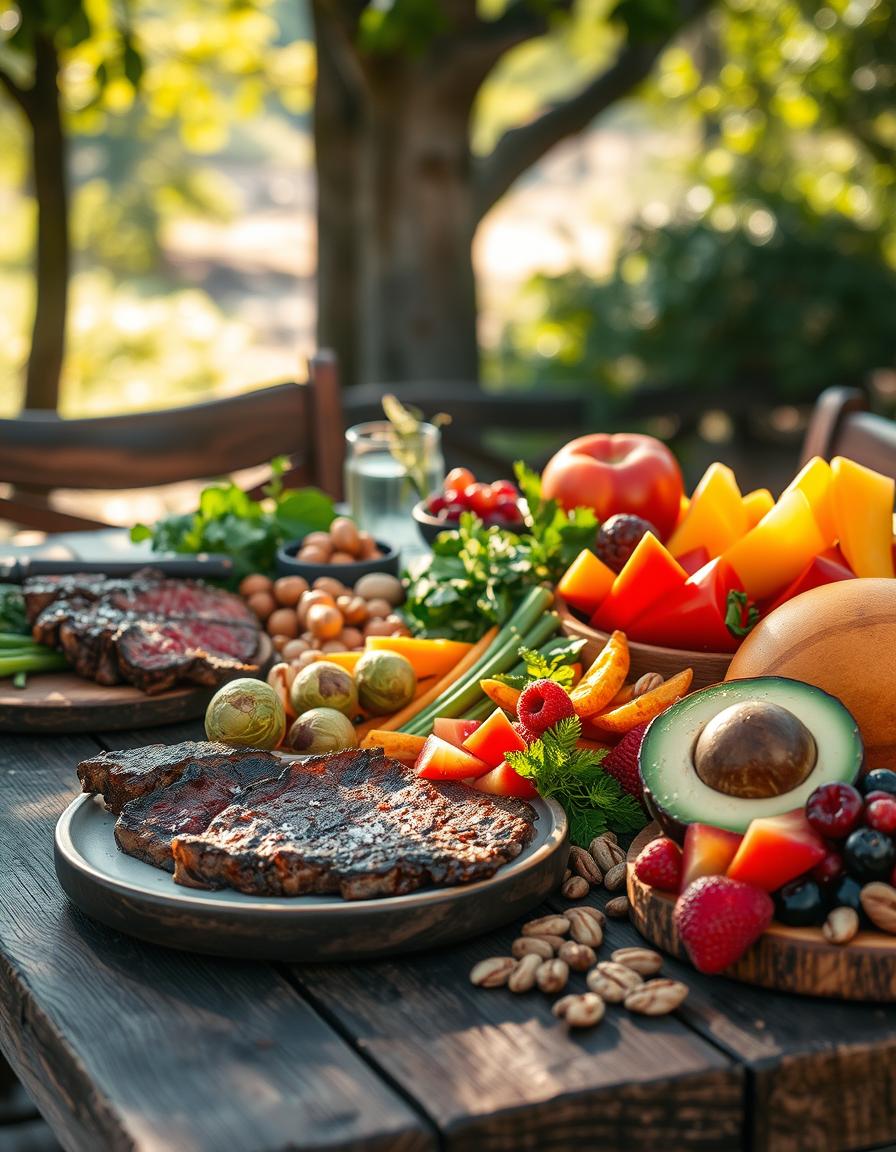
- Dinner: Grass-fed steak, roasted vegetables, and a side salad.
If you’re looking for something quick but wholesome, next time you shop, consider stocking up on some costco snacks for kids. They can often be a handy and healthy snack option that supports better eating habits for the whole family.
Tips for Sticking to Your Plan
- Plan meals in advance to avoid last-minute unhealthy choices.
- Keep your kitchen stocked with primal-friendly staples like eggs, nuts, and fresh veggies.
- Experiment with herbs and spices to add flavor without processed sauces.
- Listen to your body and adjust portions — primal eating is about quality, not quantity.
Common Misconceptions About the Primal Diet
Some may think the primal diet means eating nothing but meat all day, but that’s not accurate. The diet strongly encourages plenty of vegetables and fruits, which are essential for vitamins, minerals, and fiber.
Others worry it’s too restrictive or expensive. While grass-fed meat might cost more, you can balance with affordable veggies, eggs, and nuts. Also, buying in bulk or choosing local seasonal produce can help lower overall costs.
Remember, the goal is not to be perfect but to make healthier food choices that feel natural and enjoyable to you.
How to Transition Smoothly
Changing eating habits overnight can feel overwhelming. A gentle approach makes the shift easier and more sustainable. Start by reducing processed foods gradually and adding more whole foods. Incorporate one or two primal meals each day, and then build from there.
Don’t hesitate to play around with recipes, swap ingredients, or seek out primal-friendly cookbooks and communities for support. This way, the diet becomes a joyful adventure instead of a chore.
Conclusion
Rediscovering food through a primal diet meal plan offers a unique opportunity to return to natural, nourishing eating. Removing processed foods and focusing on fresh, whole ingredients can bring better energy, mood, and overall health. The approach is simple yet powerful — eat what nature intended and listen to your body’s needs. Whether you’re making small changes or fully adopting primal meals, the benefits can enhance your life in many ways.

Timo is the founder of LiteDietPlan.com, where smart nutrition meets simple living.