Inflammation is like that unexpected guest who overstays their welcome and causes trouble in your body. While it’s a natural response to injury or infection, chronic inflammation can lead to a bunch of health problems such as heart disease, arthritis, and even diabetes. The good news? You can fight inflammation by choosing the right foods. An anti-inflammatory diet meal plan offers a practical way to calm your body’s fire through delicious and nutritious meals.
Understanding Inflammation and Its Impact
Think of inflammation as your body’s alarm system. When you get hurt or sick, your immune system triggers inflammation to help heal and protect you. But when this alarm stays on for too long, it causes chronic inflammation that quietly damages your organs and tissues.
Common signs of chronic inflammation include fatigue, body pain, digestive issues, and skin problems. Over time, it can increase the risk of serious diseases like Alzheimer’s, cancer, and even depression. So, managing inflammation is a smart move for long-term health and wellness.
What Is an Anti-Inflammatory Diet Meal Plan?
An anti-inflammatory diet meal plan focuses on eating foods that help reduce inflammation in your body. This isn’t about strict dieting or boring meals; it’s about choosing fresh, tasty, and nourishing foods that your body loves. The aim is to balance your meals to support your immune system and keep inflammation low.
This plan emphasizes plant-based foods, whole grains, lean proteins, and healthy fats, while limiting processed foods, refined sugars, and unhealthy oils that can fuel inflammation.
Core Components of the Diet
- Fruits and Vegetables: Rich in antioxidants and vitamins that fight inflammation.
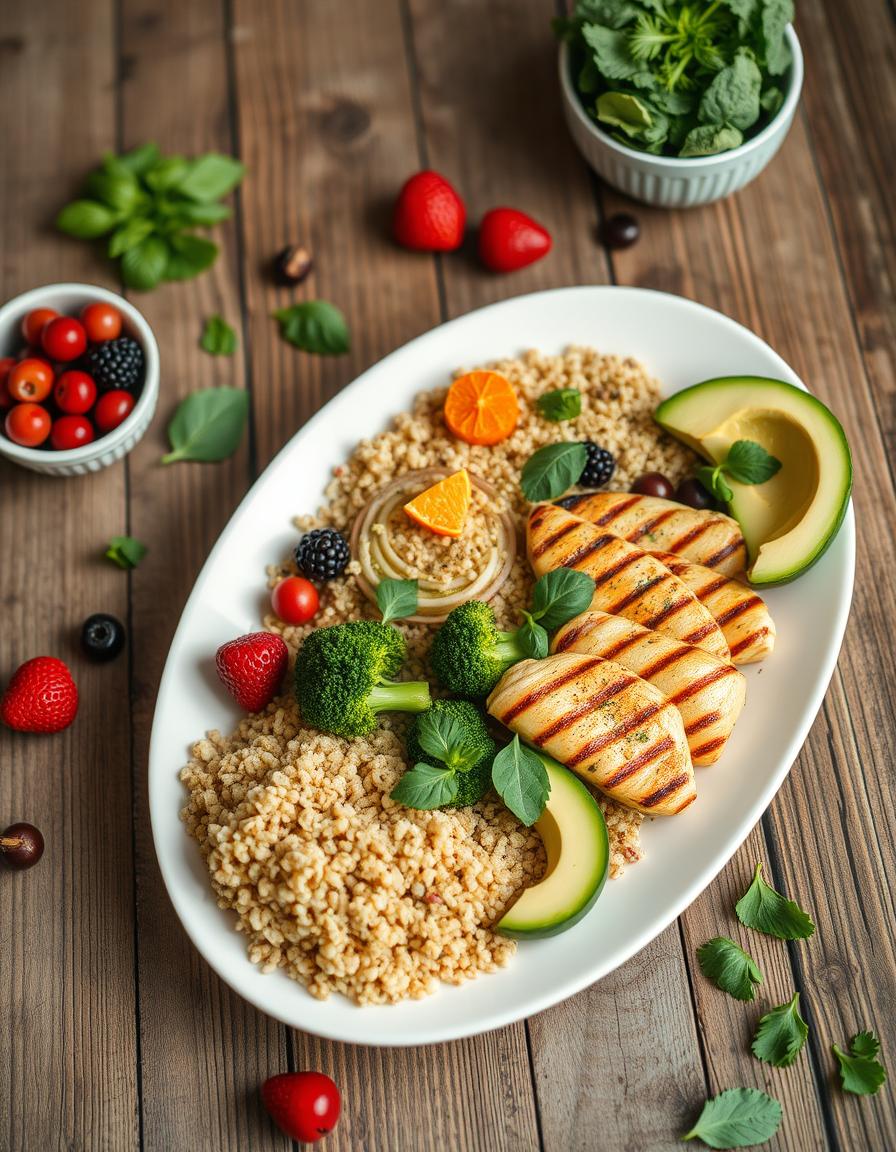
- Whole Grains: Oats, brown rice, and quinoa help stabilize blood sugar and reduce inflammatory markers.
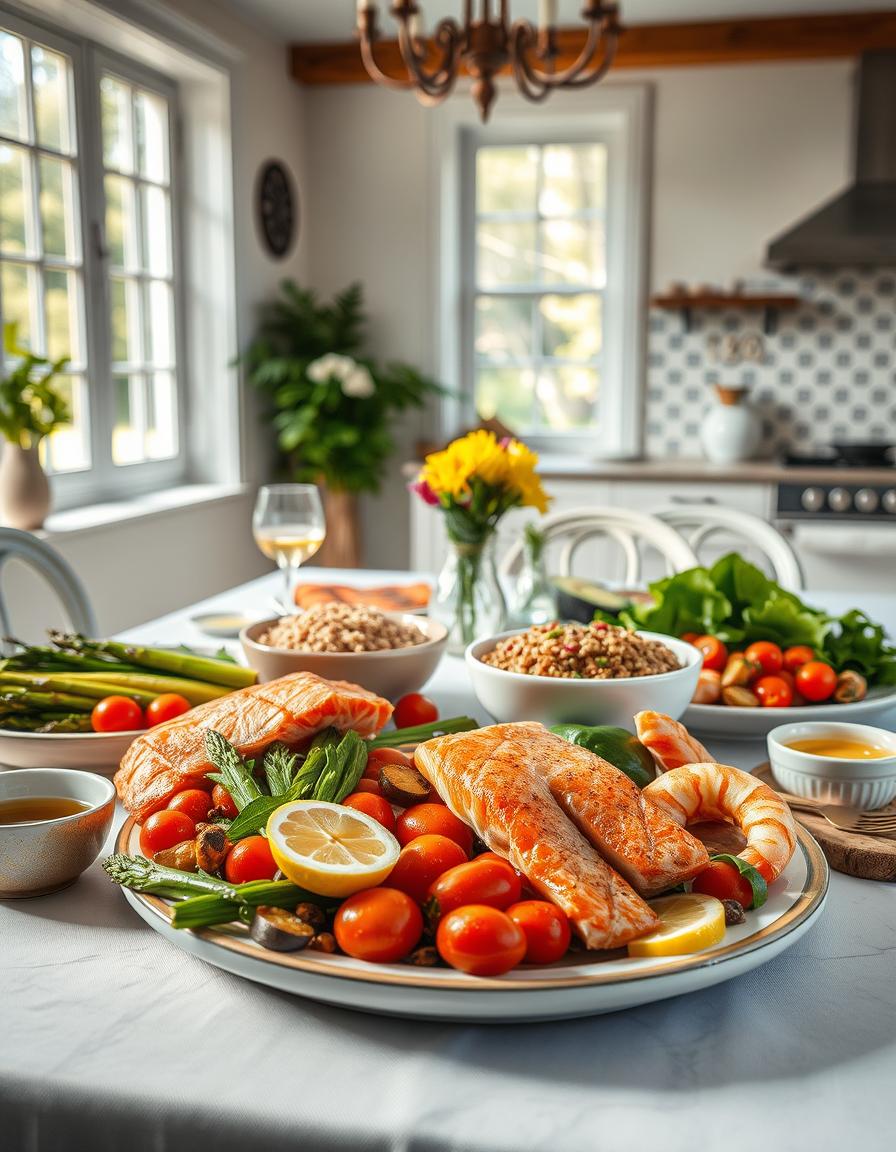
- Healthy Fats: Omega-3 fatty acids in fish, nuts, and seeds are excellent inflammation fighters.
- Lean Proteins: Options like chicken, turkey, and plant proteins nourish without causing inflammation.
- Herbs and Spices: Turmeric, ginger, and garlic add flavor and anti-inflammatory benefits.
Foods to Embrace and Avoid
| Eat More | Limit or Avoid |
|---|---|
| Berries (blueberries, strawberries) | Sugary drinks and snacks |
| Leafy greens (spinach, kale) | Processed meats (sausages, deli meats) |
| Fatty fish (salmon, mackerel) | Refined carbohydrates (white bread, pastries) |
| Nuts and seeds (walnuts, flaxseeds) | Fried foods and trans fats |
| Olive oil and avocados | Excessive alcohol |
Crafting Your Anti-Inflammatory Diet Meal Plan
You don’t have to be a chef or spend hours in the kitchen to eat anti-inflammatory meals. You just need a little planning and creativity. Here’s a simple way to build a daily plan:
Breakfast Ideas
- Overnight oats topped with blueberries, chia seeds, and a drizzle of honey.
- Greek yogurt parfait with mixed berries, walnuts, and a sprinkle of cinnamon.
- Whole grain toast with avocado and a pinch of turmeric.
Lunch Options
- Spinach salad with grilled chicken, cherry tomatoes, pecans, and olive oil dressing.
- Quinoa bowl with roasted vegetables, chickpeas, and tahini sauce.
- Whole grain wrap filled with hummus, shredded carrots, cucumbers, and salmon.
Dinner Choices
- Baked salmon served with steamed broccoli and brown rice.
- Stir-fry tofu with kale, bell peppers, garlic, and ginger over quinoa.
- Sweet potato and lentil curry with a side of sautéed spinach.
Snack Suggestions
- Carrot sticks and hummus
- Apple slices with almond butter
- A small handful of mixed nuts like walnuts and pecans
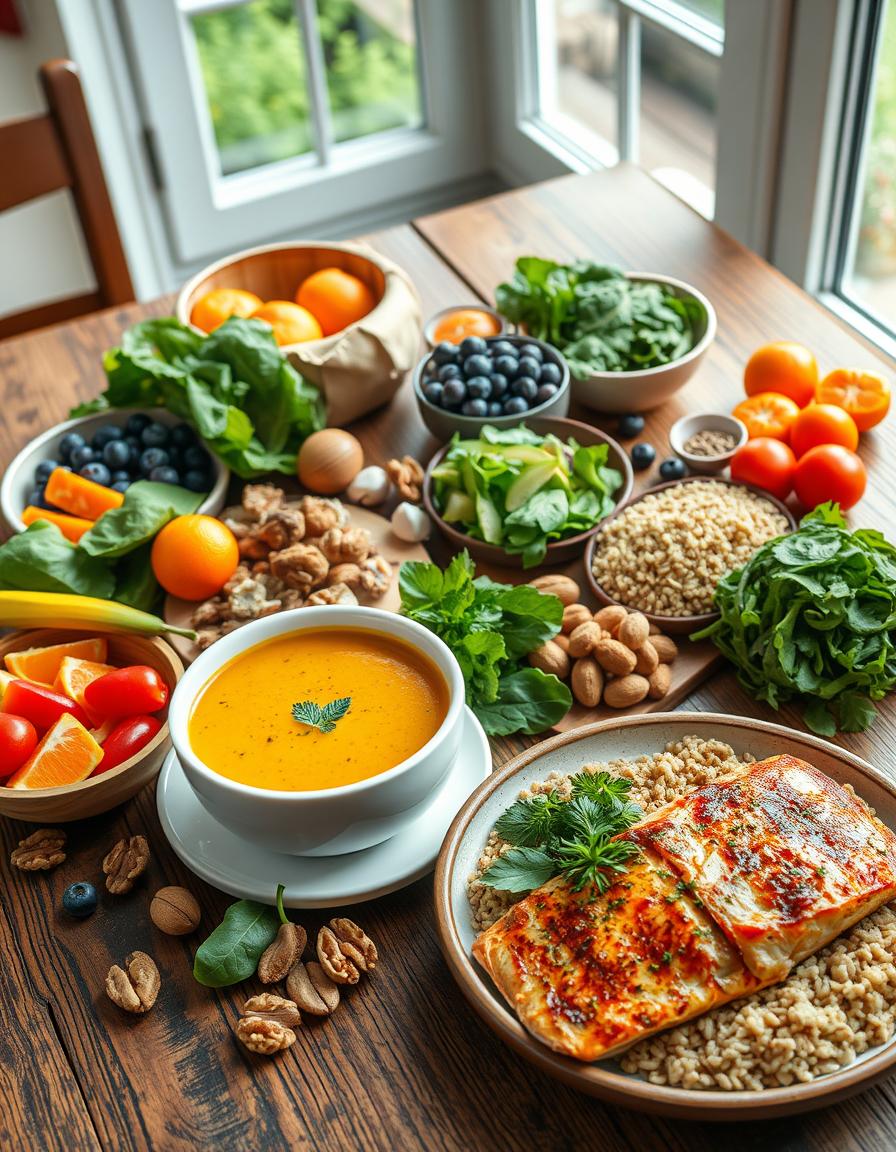
By keeping your meals colorful and filled with fresh ingredients, you’ll naturally reduce inflammation and enjoy tasty food. For a detailed comparison of nutritious nuts, check out this handy resource on pecans vs walnuts nutrition.
Tips to Keep Inflammation at Bay
- Stay Hydrated: Drinking enough water helps flush out toxins and supports all body functions.
- Move Your Body: Regular exercise reduces inflammatory markers and boosts mood.
- Manage Stress: Chronic stress can increase inflammation, so practice relaxation techniques like meditation or deep breathing.
- Get Enough Sleep: Poor sleep is linked to higher inflammation, so aim for 7-9 hours each night.
- Limit Processed Foods: Cut back on processed snacks and fast food, which often contain unhealthy fats and sugars.
Common Questions About Anti-Inflammatory Diets
Can an anti-inflammatory diet help with weight loss?
Yes, because it encourages whole, nutrient-dense foods and reduces processed items that often lead to weight gain. But its main goal is to improve your overall health, not just shed pounds.
How soon will I notice results?
Some people feel better within days, such as less bloating or more energy. For significant inflammation reduction, it may take a few weeks to months depending on your habits and health conditions.
Is it okay to eat meat on this diet?
Absolutely! The focus is on lean meats and fish instead of processed or red meats. Incorporating plant-based proteins also supports reducing inflammation.
Conclusion
Inflammation might seem like a sneaky enemy, but choosing the right foods can keep it in check. An anti-inflammatory diet meal plan offers a simple, natural way to nourish your body and promote wellness. By filling your plate with colorful fruits and vegetables, whole grains, healthy fats, and lean proteins, you’ll give your immune system a helping hand and enjoy meals that don’t feel like a chore. Remember, small changes add up to big results—so start with swaps that excite your taste buds and make you feel good.

Timo is the founder of LiteDietPlan.com, where smart nutrition meets simple living.