Living with celiac disease means making careful choices about what you eat every single day. This autoimmune condition causes the body to react negatively to gluten, a protein found in wheat, barley, and rye. For those affected, gluten triggers damage to the small intestine, making digestion painful and absorption of nutrients difficult. A celiac disease diet plan is essential for managing symptoms and maintaining overall health. Luckily, adopting a gluten-free lifestyle is easier than ever with so many alternatives and delicious options available.
Understanding Celiac Disease and Gluten
Celiac disease is different from a simple gluten intolerance or allergy. It’s an autoimmune disorder where the immune system attacks the lining of the small intestine when gluten is present. This leads to symptoms like stomach pain, fatigue, diarrhea, and even long-term complications if untreated. The only current treatment is a strict, lifelong gluten-free diet.
Gluten hides in many everyday foods—breads, pasta, cereals, and even some sauces and processed snacks. That means anyone following a celiac disease diet plan must be vigilant about reading ingredient labels and avoiding cross-contamination. But gluten-free eating doesn’t mean flavor has to be sacrificed. With a bit of creativity, meals can be tasty, varied, and satisfying.
Basics of a Celiac Disease Diet Plan
The main goal of a celiac disease diet plan is to remove gluten completely from the diet. Even tiny amounts can trigger symptoms or intestinal damage. Here’s the straightforward list of what to avoid and what to enjoy:
| Avoid | Safe Choices |
|---|---|
| Wheat (all forms including spelt, durum, semolina) | Rice, corn, quinoa, millet |
| Barley | Potatoes, sweet potatoes |
| Rye | Oats (only certified gluten-free) |
| Processed foods with gluten-containing additives | Fresh fruits and vegetables |
| Beer and malt drinks | Gluten-free flours such as almond or coconut flour |
Cross-Contamination: What You Should Know
Even if your meal itself doesn’t contain gluten, cross-contamination can sneak in from cooking surfaces, utensils, or storage containers. Imagine making a sandwich on a toaster that’s also used for regular bread—gluten dust can settle and cause trouble. Using separate kitchen tools and keeping gluten foods away from gluten-free ingredients is key.
Tips for Crafting Delicious Gluten-Free Meals
Eating gluten-free doesn’t have to be boring. With the wide variety of grains and flours now available, you can experiment and find your favorites. Here are some handy tips to keep your meals exciting:
- Swap regular pasta for gluten-free versions made from rice or corn.
- Use gluten-free bread crumbs or crushed nuts for crispy coatings.
- Add naturally gluten-free grains like quinoa or millet to salads and soups.
- In baking, combine different gluten-free flours to improve texture and taste.
- Flavor dishes with fresh herbs, garlic, lemon, and spices to boost taste.
Sample One-Day Celiac Disease Diet Plan
| Meal | Food Options |
|---|---|
| Breakfast | Gluten-free oatmeal topped with fresh berries and honey |
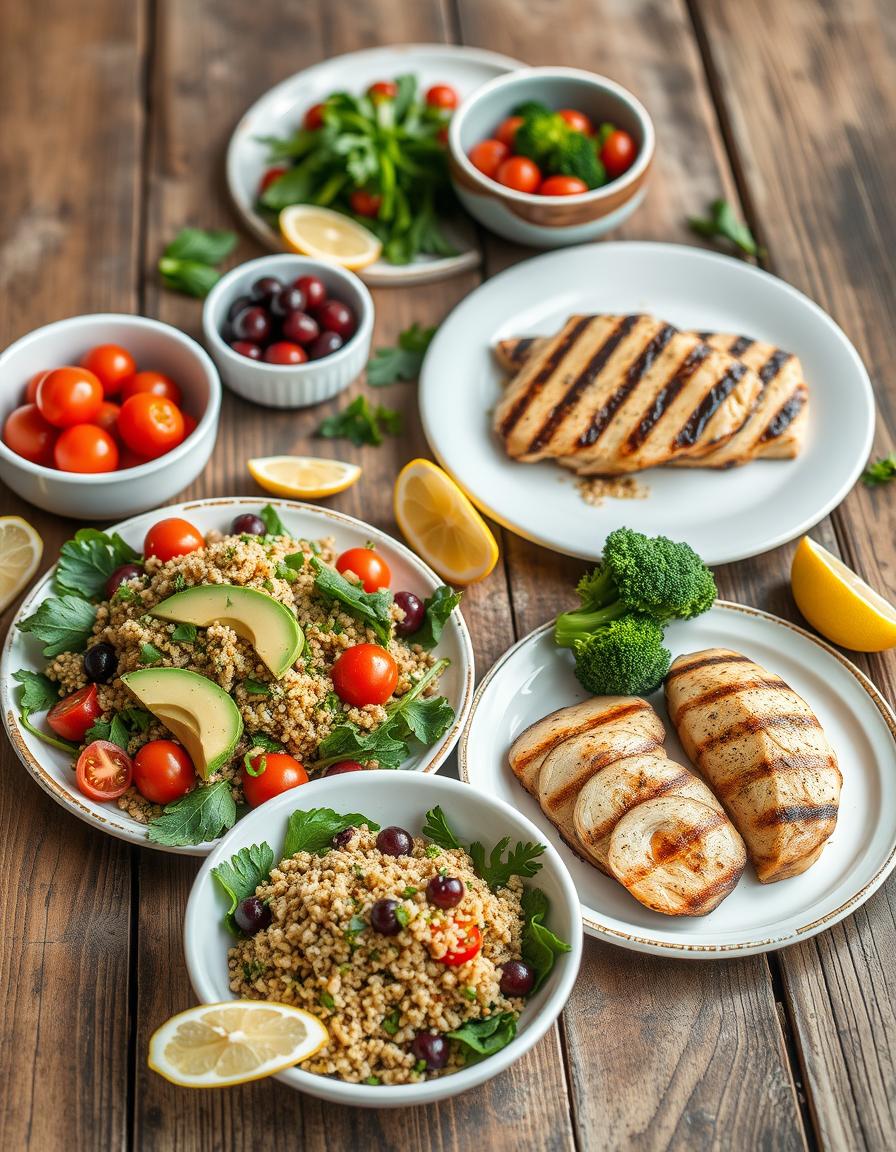
| Lunch | Grilled chicken salad with quinoa and mixed greens |
| Snack | Rice cakes with almond butter and sliced bananas |
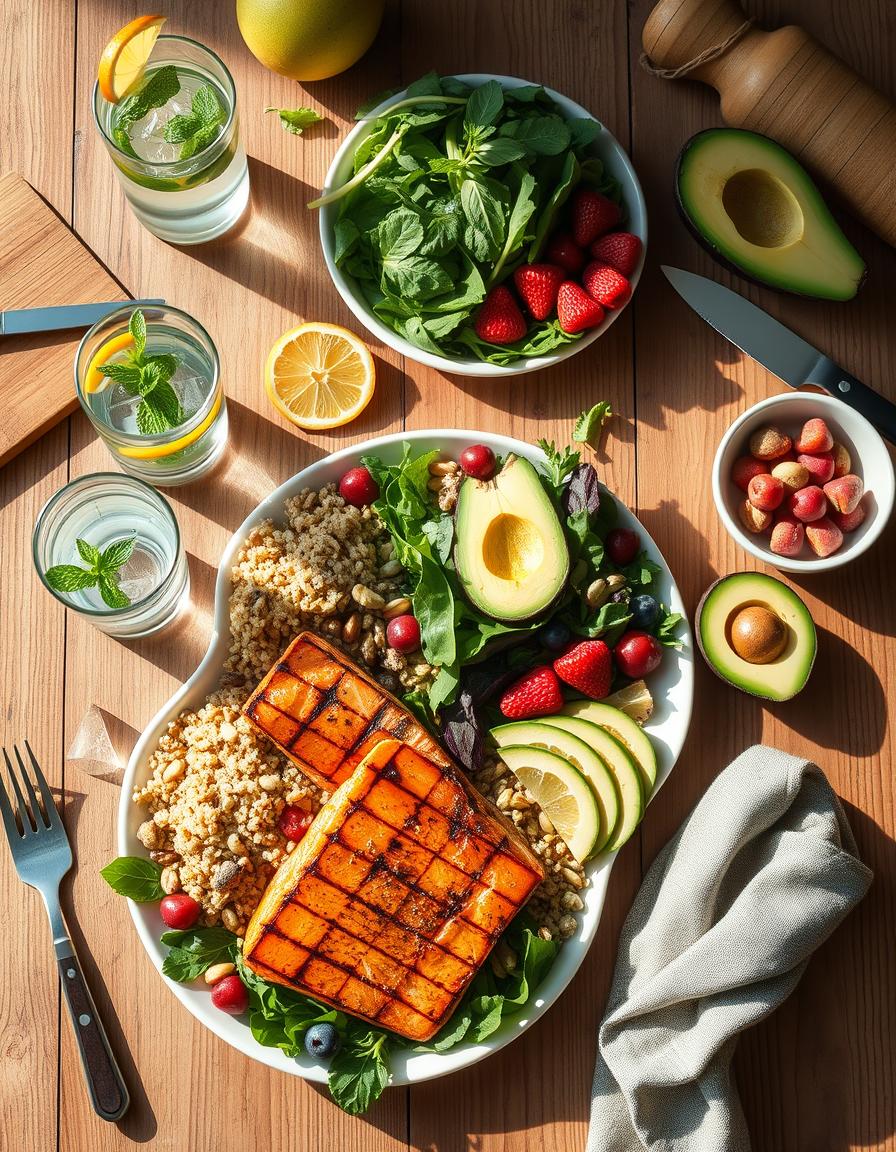
| Dinner | Baked salmon with roasted sweet potatoes and steamed broccoli |
| Dessert | Chia seed pudding made with coconut milk and a touch of vanilla |
Practical Advice for Eating Out and Social Situations
Dining out with celiac disease requires a bit of preparation, but it’s completely doable. Many restaurants now offer gluten-free menus or dishes that can be modified. Always inform your server about your gluten intolerance to ensure meals are prepared safely.
When attending social events, consider bringing your own snacks or dishes, so you’re not stuck nibbling on plain veggies. It’s also helpful to explain your diet to friends and family—they’ll appreciate knowing how to support you.
Health Benefits and Improvements
Following a celiac disease diet plan can bring about noticeable health improvements. People often feel less tired, experience fewer digestive issues, and enjoy better nutrient absorption. Over time, intestinal damage heals, reducing the risk of complications like anemia or osteoporosis.
Some might assume removing gluten means missing out on important nutrients, but a well-balanced gluten-free diet can be just as nutritious. Adding a variety of fruits, vegetables, lean proteins, and gluten-free whole grains ensures your body gets what it needs.
For those interested in diet and lifestyle strategies beyond gluten avoidance, the roger raglin diet offers intriguing insights that some find helpful alongside managing celiac disease.
Challenges and Staying Motivated
Adjusting to a gluten-free lifestyle can sometimes feel like a puzzle, especially at first. Finding suitable products and changing cooking habits may require patience. But with each successful meal comes confidence and an improved sense of well-being.
Remember to celebrate small wins—like discovering a favorite new gluten-free snack or successfully explaining your diet to a friend. Humor and a positive attitude go a long way. After all, even the best chefs stray from their recipes now and then, and a little creativity often brings the tastiest results.
Conclusion
A celiac disease diet plan is essential to live well and avoid the unpleasant symptoms and risks that come with gluten exposure. Embracing a gluten-free lifestyle, while careful, can lead to delicious meals, better health, and renewed energy. By focusing on safe foods, avoiding hidden gluten, and incorporating a variety of nutritious ingredients, anyone can build a satisfying eating pattern. Challenges may pop up, but with the right tools, support, and a splash of humor, living gluten-free becomes not just manageable but unique and enjoyable.

Timo is the founder of LiteDietPlan.com, where smart nutrition meets simple living.