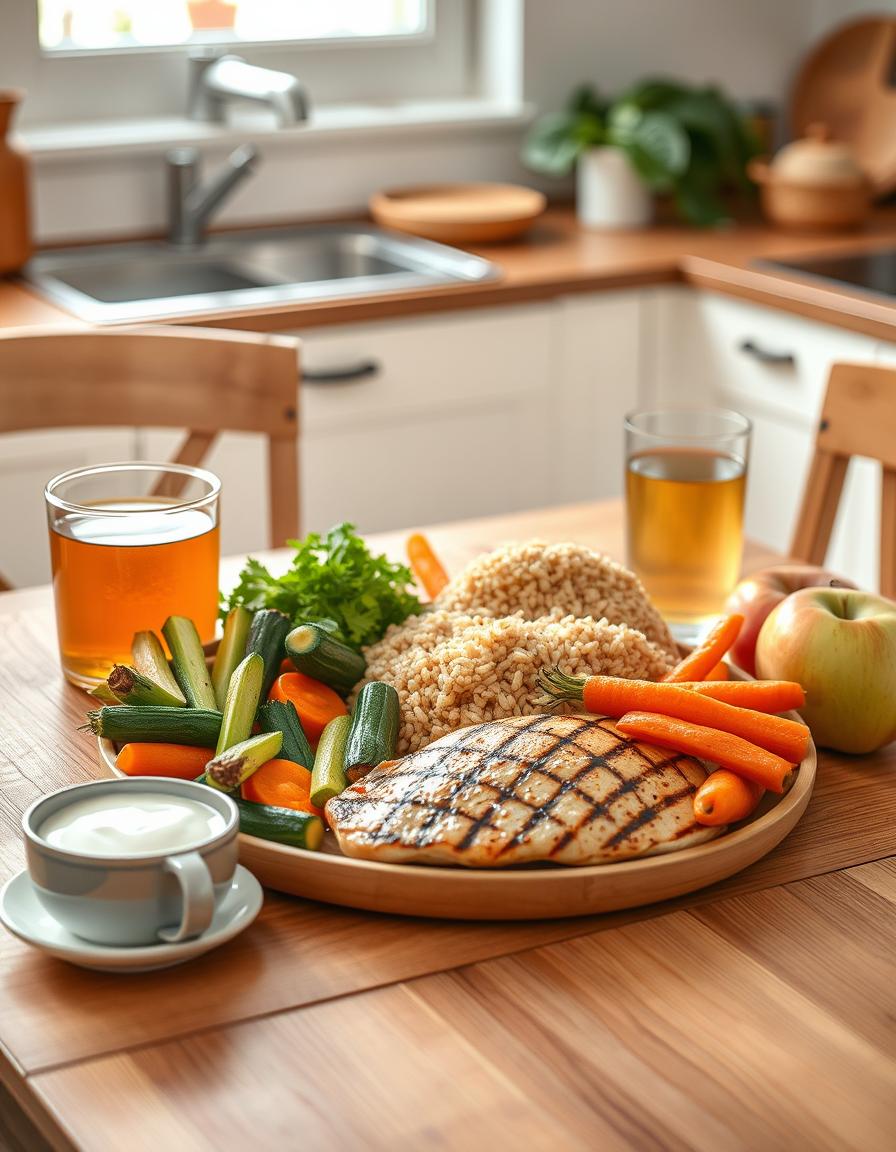
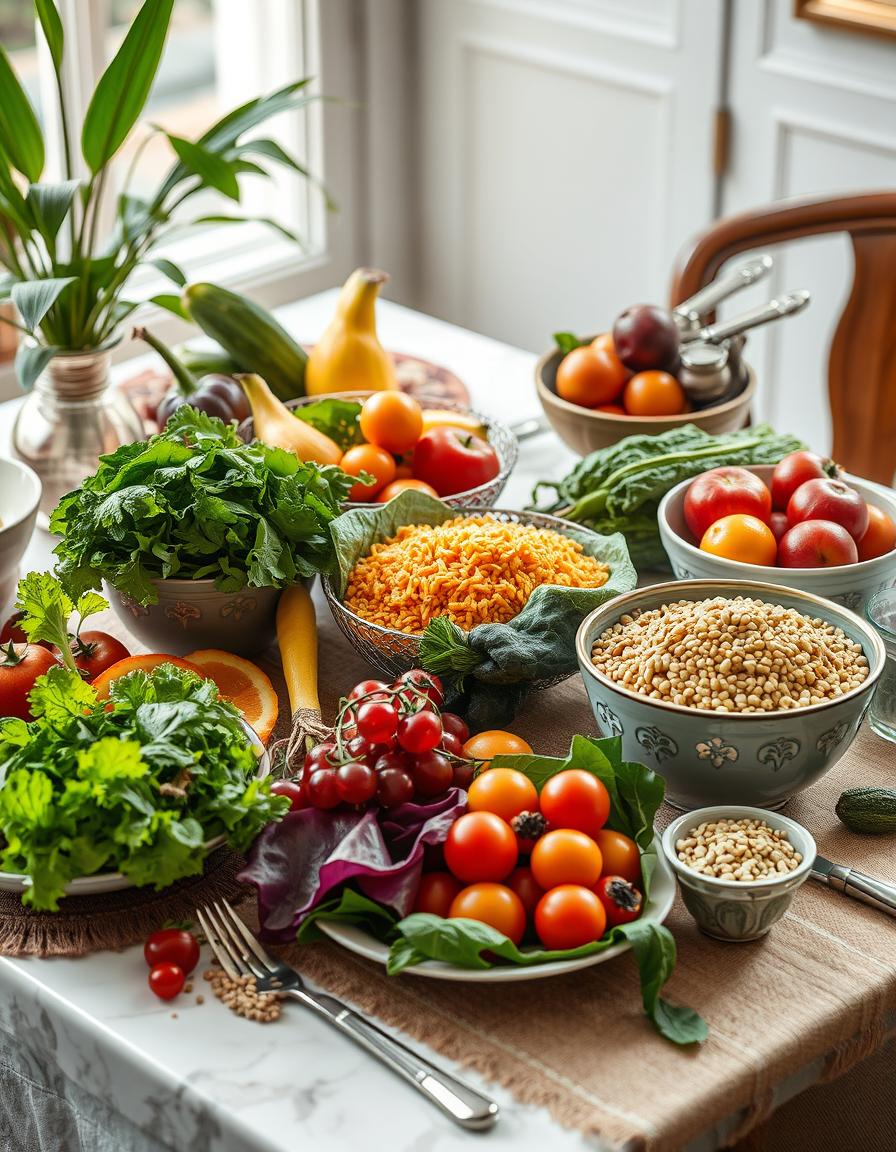
Recovering from cancer can feel like a long journey filled with many challenges. One of the most important ways to support your body during this time is through good nutrition. Eating well helps your body heal, regain strength, and maintain a positive spirit. A cancer diet nutrition plan is a helpful guide to ensure you get the right balance of nutrients needed for recovery. Food becomes more than just fuel; it turns into an important part of your healing process.
Why Nutrition Matters During Cancer Recovery
When your body is fighting cancer or healing after treatment, it needs extra care. Chemotherapy, radiation, and surgery can all affect how you eat and digest food. You might experience side effects like nausea, taste changes, or loss of appetite. These challenges make a careful cancer diet nutrition plan essential.
Good nutrition supports your immune system, helps rebuild muscles, and provides the energy you need for daily activities. Without proper nourishment, recovery can slow down, and you might feel tired or weak. Eating the right foods can also improve your mood, which is just as important during recovery.
Key Nutrients to Focus On
A well-rounded cancer diet nutrition plan includes several key nutrients:
- Protein: Helps repair tissues and build muscle.
- Carbohydrates: Provides energy to keep you active.
- Healthy Fats: Supports brain function and overall health.
- Vitamins and Minerals: Boosts the immune system and aids healing.
- Fluids: Keeps you hydrated, which is crucial for all body functions.
Each nutrient plays a unique role in recovery, so it’s important to include a variety of foods to cover all your needs.
Building a Cancer Diet Nutrition Plan
Creating a practical nutrition plan doesn’t have to be overwhelming. Think of it like putting together a colorful puzzle where each food adds its own piece. Here are some simple tips to help you assemble your meals.
Eating Protein-Rich Foods
Protein is your body’s building block, which means it helps repair cells damaged by cancer or its treatment. Good sources include lean meats like chicken or turkey, fish, eggs, and plant-based options like beans, lentils, and tofu. For those who have trouble chewing or swallowing, smoothies or soft foods with added protein powder can be gentle substitutes.
Choosing the Right Carbohydrates
Carbs give you the energy to keep going. Try to pick whole grains such as brown rice, quinoa, and whole wheat bread instead of white bread or sugary snacks. Vegetables and fruits are also excellent carbohydrate sources and come packed with vitamins and antioxidants, which help fight inflammation and support healing.
Including Healthy Fats
Not all fats are created equal! Some fats, like those from avocados, nuts, seeds, and olive oil, help reduce inflammation and are good for your heart. Avoid fried or processed foods with unhealthy trans fats, which can slow down recovery.
Hydration is Key
Water is your best friend in recovery. It helps flush out toxins and keeps your body systems running smoothly. If plain water feels boring, herbal teas or infused water with slices of lemon or cucumber can add a refreshing twist.
Sample Daily Cancer Diet Nutrition Plan
| Meal | Foods |
|---|---|
| Breakfast | Oatmeal topped with fresh berries and a spoonful of almond butter; a glass of low-fat milk or fortified plant milk. |
| Snack | A small handful of mixed nuts or a piece of fruit like a banana or apple. |
| Lunch | Grilled chicken salad with mixed greens, cherry tomatoes, avocado, and olive oil dressing; whole grain roll. |
| Snack | Yogurt with honey or a smoothie made with spinach, banana, and protein powder. |
| Dinner | Baked salmon with quinoa and steamed broccoli; side of roasted sweet potatoes. |
| Evening Snack | Whole grain crackers with hummus or cottage cheese. |
Remember, this plan can be adjusted based on personal preferences and any side effects experienced during recovery. Small, frequent meals often work better than big plates, especially if appetite is low.
Tips to Make Eating Enjoyable and Manage Side Effects
Sometimes eating well during recovery is easier said than done. If nausea or taste changes bother you, here are some tricks to keep meals pleasant:
- Eat smaller portions more often to avoid overwhelming your stomach.
- Try cold or room-temperature foods if hot ones trigger nausea.
- Use herbs and spices to boost flavor if food tastes bland.
- Stay flexible; if one food doesn’t appeal, swap it for another nutritious option.
- Consider convenience—if cooking feels tiring, pre-made healthy options can help. Frozen scrambled egg patties can be a quick protein fix during busy or low-energy days.
On that note, you might find this article helpful for jazzing up frozen scrambled egg patties to keep meals tasty and easy.
Foods to Avoid or Limit
While focusing on healthy choices, certain foods can interfere with recovery or worsen symptoms. It’s best to limit:
- Processed and fried foods high in unhealthy fats.
- Excess sugary snacks and beverages that can cause energy crashes.
- Alcohol, which can weaken your immune system and interact with medications.
- Highly salty or spicy foods if they irritate your mouth or stomach.
Always discuss with your healthcare provider or dietitian before making major changes, especially to avoid any conflicts with treatments.
Embracing a Positive Relationship With Food
Food can sometimes feel like a battle during recovery, but it can also be a source of comfort and joy. Focus on meals that nourish your body and soul. Share meals with family or friends, experiment with new recipes, or involve loved ones in cooking. Remember, every bite is a step toward healing.
Listening to your body’s signals and adjusting your cancer diet nutrition plan can help you stay balanced and energized. Patience yourself through the process, and celebrate the small wins—like finishing a meal or discovering a new favorite snack.
Conclusion
Recovering from cancer takes strength and care, and a thoughtful nutrition plan is a valuable tool in your toolbox. A cancer diet nutrition plan helps ensure your body gets the nutrients it needs to heal, stay strong, and keep your spirits high. Focusing on protein, healthy carbs, fats, vitamins, and hydration can improve your recovery experience. Don’t forget to listen to your body, keep meals enjoyable, and allow some flexibility along the way.
With patience and a bit of creativity, nourishing your body becomes not just a necessity but a rewarding part of reclaiming your health. Take it one meal at a time — your body will thank you!

Timo is the founder of LiteDietPlan.com, where smart nutrition meets simple living.