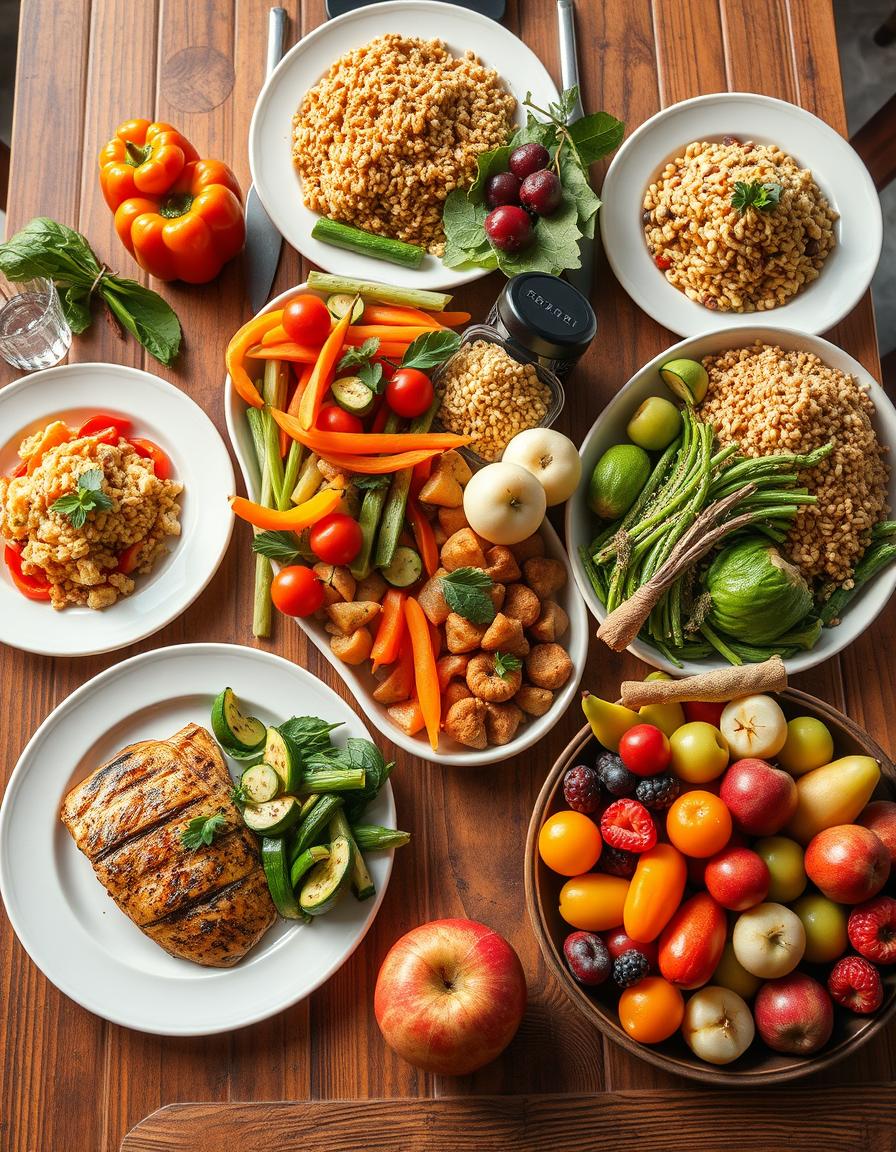
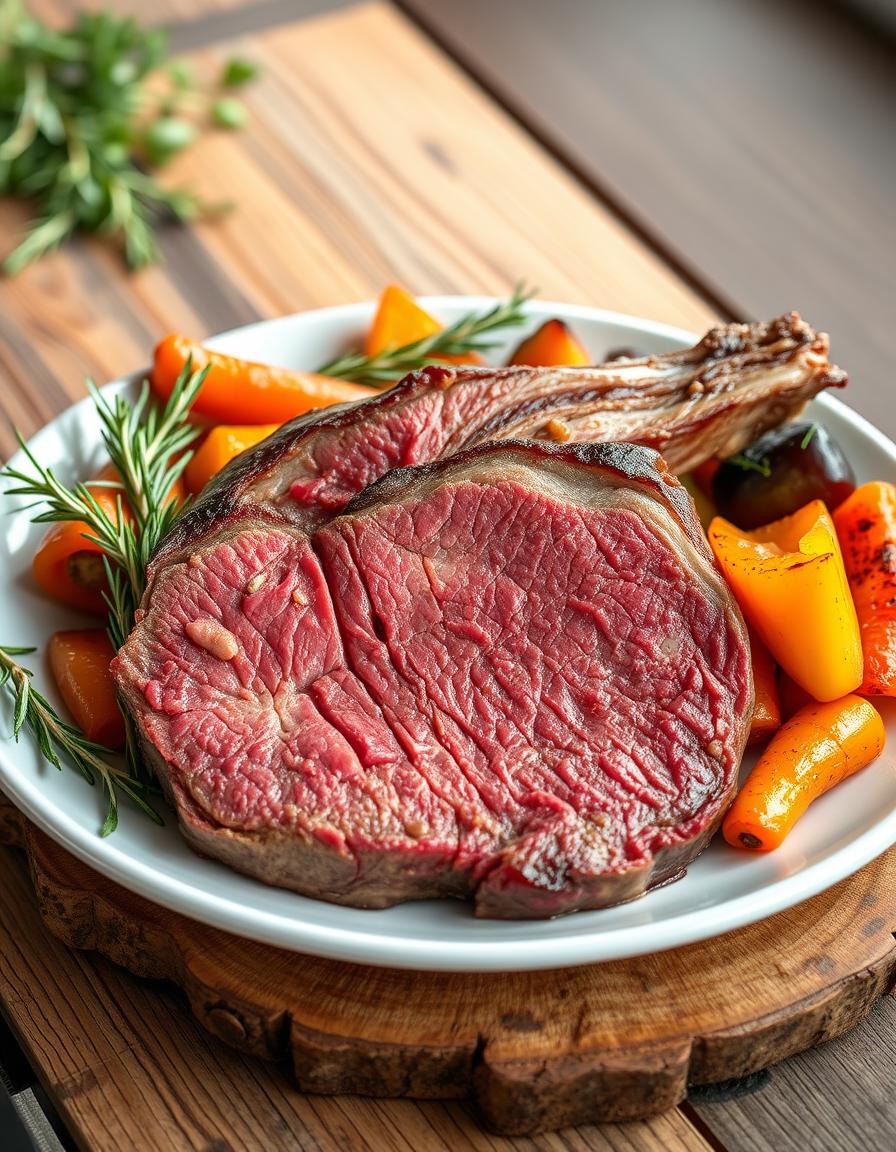
Beef chuck is a popular cut known for its rich flavor and versatility in cooking. Whether it’s simmered into a stew, slow-cooked for pot roast, or ground for burgers, beef chuck offers a hearty taste that many people enjoy. But beyond its deliciousness, understanding beef chuck nutrition is important if you’re keeping an eye on your diet. From calories to protein and fat content, this cut packs quite the punch in terms of nutrition. If you’ve ever wondered what exactly you’re getting from this cut, here’s a close look at its nutritional profile.
What Is Beef Chuck?
Before jumping into numbers and facts, let’s paint a quick picture. Beef chuck comes from the shoulder area of the cow. This section has muscles that get quite a bit of exercise, making the meat flavorful but also a bit tougher. That’s why it’s best cooked low and slow to break down the connective tissues. You might find beef chuck as chuck roast, shoulder steak, or even ground chuck. This range means the nutrition can vary slightly depending on the cut and fat content.
Calories in Beef Chuck
One of the first things people notice about any food is how many calories it contains. Calories tell us how much energy the food provides. Beef chuck, being a red meat, is moderately calorie-dense. A 3-ounce (85-gram) cooked portion of beef chuck roast typically contains about 210 to 250 calories. This number can shift depending on the fat content and cooking method.
| Cut Type | Calories (per 3 oz cooked) |
|---|---|
| Beef Chuck Roast (lean) | 210 |
| Beef Chuck Roast (regular) | 250 |
| Ground Chuck (80% lean) | 230 |
Keep in mind, trimming visible fat or choosing leaner versions cuts down those calories. Also, cooking methods like grilling or roasting without added fats will help maintain a lower calorie count.
Protein Content: A Great Source of Muscle Fuel
Protein is crucial for muscle repair, growth, and overall health. Beef chuck nutrition makes it a wonderful source of high-quality protein. On average, a 3-ounce serving delivers around 22 to 24 grams of protein. That’s roughly 40 to 50 percent of the recommended daily intake for an average adult, making beef chuck a solid choice to meet your protein needs.
Protein from beef also contains all nine essential amino acids, the ones your body can’t produce on its own. So, it’s like nature’s own complete protein package. If you are after high-protein vegan snacks, check out this link for tasty plant-based options that can complement your meals.
Protein at a Glance
- About 22-24 grams per 3 oz cooked portion
- Contains all essential amino acids
- Supports muscle growth and recovery
Fat Content: What to Expect
Fat in beef chuck can be a bit of a mixed bag. On one hand, fat brings flavor and tenderness. On the other, too much saturated fat might not be the best for heart health if eaten in excess. A 3-ounce cooked portion of beef chuck roast typically contains between 15 to 20 grams of fat. Out of this, saturated fat ranges from 6 to 8 grams.
| Fat Type | Grams per 3 oz cooked |
|---|---|
| Total Fat | 15 – 20 g |
| Saturated Fat | 6 – 8 g |
| Monounsaturated Fat | 7 – 9 g |
| Polyunsaturated Fat | 0.5 – 1 g |
Choosing cuts that are labeled lean or trimming visible fat lowers the fat content noticeably. Also, cooking methods that don’t add extra oil or butter can ensure you’re not getting excess fat in your meal.
Micronutrients in Beef Chuck
Beyond calories, protein, and fat, beef chuck nutrition offers a variety of important vitamins and minerals. Here are some you’ll commonly find:
- Iron: Vital for carrying oxygen in your blood. Beef chuck is a good source of heme iron, which your body absorbs efficiently.
- Zinc: Supports your immune system and helps with wound healing.
- B Vitamins: Including B12, niacin, and riboflavin, these support energy production and brain health.
- Phosphorus: Important for bone health and energy storage.
It’s safe to say beef chuck is more than just a tasty treat—it’s packed with nutrients that contribute to your daily needs.
Tips for Cooking and Eating Beef Chuck Nutritiously
Because beef chuck tends to be tougher than other cuts, slow cooking methods like braising, stewing, or slow roasting work best. This breaks down connective tissues and brings out tenderness. You can also use it ground for burgers or meatloaf, which cooks quickly.
Some quick tips to make your beef chuck meals healthier:
- Trim off excess fat before cooking.
- Use herbs and spices instead of heavy sauces.
- Pair with plenty of vegetables to balance the meal.
These steps help you enjoy beef chuck’s deep flavor without piling on extra calories or fat.
How Does Beef Chuck Stack Up to Other Cuts?
If you’re curious how beef chuck compares to other cuts like sirloin or ribeye, here’s a brief comparison table of calories and protein per 3 oz cooked portion:
| Cut | Calories | Protein (g) | Total Fat (g) |
|---|---|---|---|
| Beef Chuck Roast | 210-250 | 22-24 | 15-20 |
| Sirloin | 180-190 | 23-25 | 8-10 |
| Ribeye | 270-300 | 22-23 | 22-25 |
While beef chuck is higher in fat than sirloin, it offers a similar protein amount. Ribeye tends to be much fattier but also rich in flavor. It’s all about what fits best into your personal taste and nutritional goals.
Conclusion
Beef chuck nutrition highlights it as a protein-rich, flavorful cut with moderate calories and fat. Its good supply of essential nutrients like iron and zinc makes it a valuable part of many meal plans. By choosing lean cuts, trimming fat, and cooking smartly, you can enjoy its hearty taste without worry. Whether you’re simmering a stew or grilling burgers, beef chuck offers a satisfying balance of flavor and nutrition that many find hard to beat.

Timo is the founder of LiteDietPlan.com, where smart nutrition meets simple living.