Lettuce is one of those vegetables that often gets overlooked when talking about calories, but understanding its calorie content can actually make a big difference if you’re watching your diet or simply trying to eat healthier. Knowing exactly how many calories are in that crisp, leafy cup of lettuce helps you plan meals, track your energy intake, and make choices that feel good for your body. While it seems simple, the calorie count in 1 cup of lettuce can tell you a lot about its role in your daily nutrition.
How Many Calories Are in 1 Cup of Lettuce?
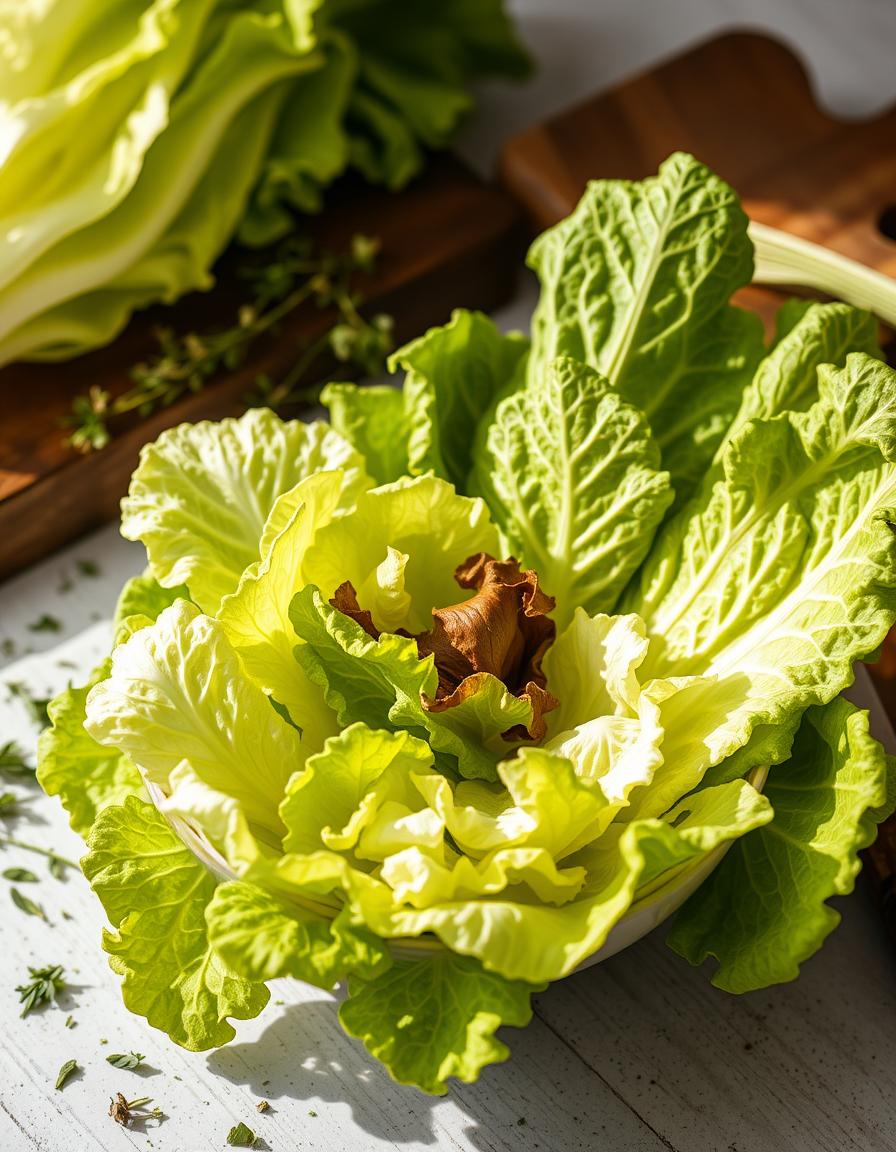
If you’re wondering about lettuce calories 1 cup, here’s the straightforward scoop: a cup of raw, shredded lettuce usually contains about 5 to 10 calories. Yes, that’s it—barely enough to keep your engine ticking for more than a few minutes! Different types of lettuce, like Romaine, Iceberg, or Green Leaf, have slightly varying calorie counts, but they all fall within a very low calorie range.
| Type of Lettuce | Calories in 1 Cup (Raw, Shredded) |
|---|---|
| Iceberg Lettuce | 8 calories |
| Romaine Lettuce | 10 calories |
| Green Leaf Lettuce | 5 calories |
| Butterhead Lettuce | 7 calories |
Why Are Lettuce Calories 1 Cup So Low?
Lettuce has a high water content — usually about 95%, which is why it feels refreshing and crisp. Water doesn’t have calories, so the more water in a food, the fewer calories it contains. Alongside water, lettuce provides fiber and small amounts of vitamins and minerals, but it’s very low in fat and carbohydrates, which are the main sources of calories.
This makes lettuce a favorite for anyone wanting to bulk up meals without adding many calories. It’s like the calm friend who shows up without causing any fuss but somehow balances the chaos around them perfectly.
Health Benefits Beyond Calories
Although the calorie count in 1 cup of lettuce is tiny, its nutritional value is anything but small. Lettuce is packed with vitamins A, C, and K, plus folate and iron. These nutrients support your immune system, skin health, and even help your blood clot properly. Plus, the fiber in lettuce aids digestion and helps you stay full longer, which can stop unnecessary snacking.
Micronutrients in Different Lettuce Types
| Nutrient | Romaine (1 cup) | Iceberg (1 cup) | Green Leaf (1 cup) |
|---|---|---|---|
| Vitamin A (% DV) | 82% | 10% | 45% |
| Vitamin K (% DV) | 60% | 16% | 70% |
| Folate (% DV) | 16% | 6% | 10% |
As you can see, not all lettuces are created equal when it comes to vitamins. Romaine and Green Leaf shine for vitamin A and K, essential for vision, skin, and bone health. Iceberg lettuce has fewer vitamins but still adds crunch and volume without a lot of calories.
Using Lettuce Wisely in Your Diet
Eating lettuce feels like a no-brainer when you’re trying to cut calories, but it’s important to think about what you add to it. A cup of plain lettuce is practically a freebie in terms of calories, but once you douse it with creamy dressings, cheese, or bacon bits, those calories stack up quickly.
Tips to Keep Lettuce Dishes Light and Healthy
- Use vinaigrettes or lemon juice instead of creamy dressings.
- Add lean proteins like grilled chicken or tofu for satiety.
- Include a variety of fresh veggies to boost fiber and nutrients.
- Sprinkle nuts or seeds sparingly for crunch and healthy fats.
Remember, lettuce calories 1 cup are tiny, but you want to make sure your salad is more than just empty crunch. Balance it with flavors and nutrients that nourish you.
Who Benefits Most From Knowing Lettuce Calories 1 Cup?
If you’re counting calories, whether casually or seriously, knowing the exact calorie content helps you stay on track without guilt. People managing weight find this especially useful because it allows them to fill their plates more fully without overeating.
Even athletes or highly active people can enjoy lettuce as a low-calorie way to get antioxidants and hydration—helping recover from workouts or keep energy levels steady. Additionally, those focusing on gut health or detoxification might include lettuce in their routines. For instance, some natural health plans recommend a mold detox diet, where leafy greens like lettuce play a role in cleansing the body gently.
Common Misunderstandings About Lettuce Calories
Some people assume that a big bowl of lettuce is all they need for a filling meal. While lettuce is great for volume and crunch, it’s not a miracle food that can replace balanced nutrition. It has very few calories, so relying solely on lettuce can leave you feeling hungry soon after eating.
Also, not all lettuce is calorie-free fun. If you drown it in high-calorie sauces or add lots of fatty toppings, the total calorie count can surge. So, keep an eye on what comes with your lettuce to truly understand your calorie intake.
Interesting Fact: Lettuce and Hydration
Lettuce’s high water content isn’t just helpful for calories; it also hydrates your body. Eating lettuce in hot weather or after exercise can contribute to your daily fluid intake. Think of it like eating crunchy water packed with vitamins. That’s why athletes sometimes snack on it to help replenish lost fluids along with nutrients.
How to Measure Lettuce Calories 1 Cup Accurately
Measuring lettuce can be tricky because it’s not dense like grains or beans. One cup of shredded lettuce is not the same as one cup of whole leaves, so here’s a quick guide to keep it accurate:
- Use shredded or chopped lettuce for measurement — it fits the cup better.
- Lightly pack the lettuce into the measuring cup; don’t compress it tightly.
- If using whole leaves, estimate about 2-3 leaves equal 1 cup shredded.
- Weighing lettuce can be more accurate; 1 cup shredded lettuce weighs about 36 grams.
Getting this right ensures that your calorie counting is as close to reality as possible, helping you manage your food intake with confidence.
Conclusion
Lettuce is a fantastic vegetable that brings very few calories per cup but offers a surprising amount of vitamins and hydration. Understanding lettuce calories 1 cup is useful for anyone who wants to eat healthily without feeling deprived. Its low-calorie count means it’s great for meal volume, while its nutrients support overall wellness. Just be mindful of what you add to your lettuce, as that can quickly turn a low-calorie side into a much heavier dish.
Whether you’re slimming down, filling up, or just looking for a refreshing crunch, lettuce stands out as a unique asset in the kitchen. Plus, if you’re exploring gentle ways to cleanse your body, incorporating it into a plan like a mold detox diet could offer some benefits. Next time you pile up a salad bowl, give a little nod to the tiny number of calories in that 1 cup of lettuce—your body will thank you!

Timo is the founder of LiteDietPlan.com, where smart nutrition meets simple living.