
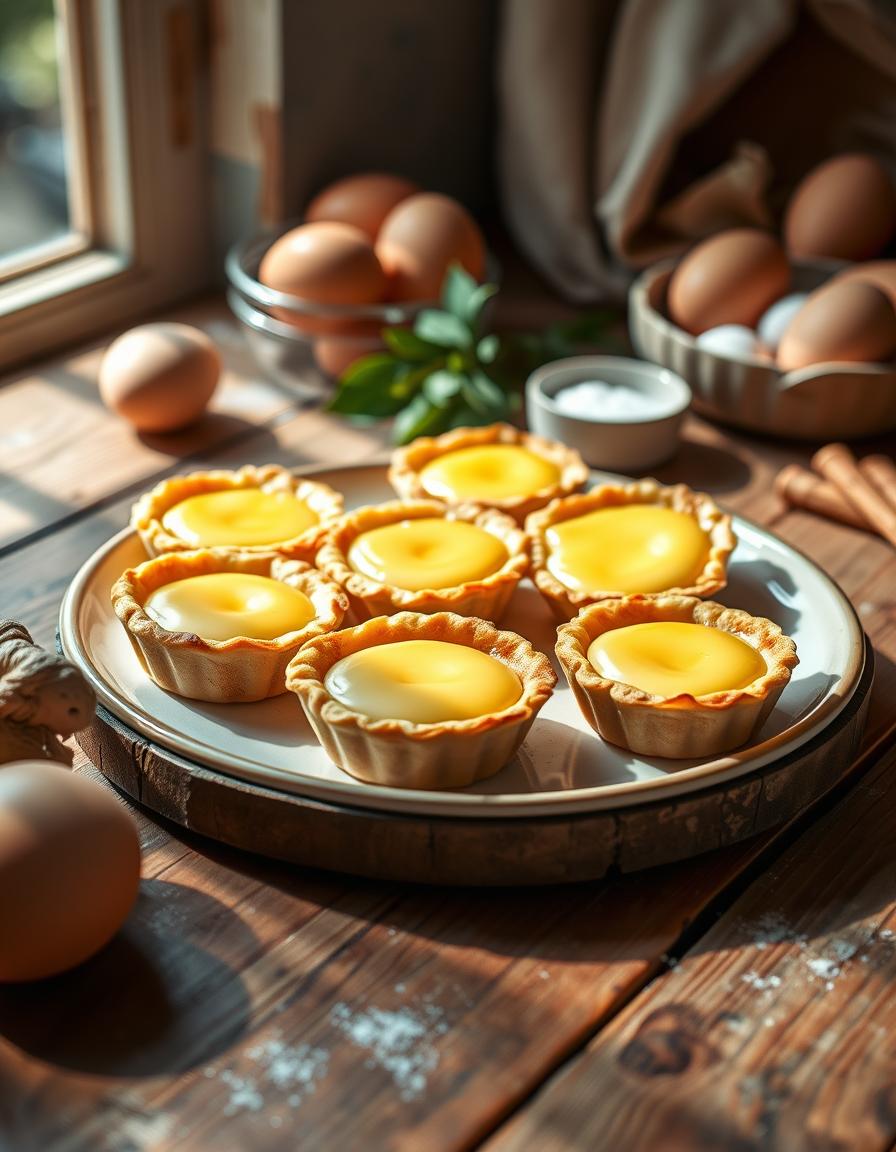
Egg tarts are a delightful treat enjoyed by many across the globe, prized for their flaky crust and creamy, sweet filling. While biting into a warm egg tart brings pure joy, you might wonder about what goes into them nutritionally. Understanding egg tart nutrition helps you balance indulgence with your health goals. Let’s break down the calories, carbs, fats, and more to get a clearer picture of what you’re enjoying with each bite.
What Is an Egg Tart?
Before diving into the nutritional content, it’s good to know what makes up an egg tart. Originating from European custard tarts and embraced in Asian bakeries, this pastry features a thin, buttery crust filled with a smooth custard made primarily from eggs, sugar, milk, and sometimes cream. The combination creates a lovely contrast of textures—a crisp shell with a silky center.
Because of variations in recipes and portion sizes, the nutrition may differ slightly from one egg tart to another. But the core ingredients remain consistent enough to provide a useful general overview.
Calories in an Egg Tart
Calories measure the energy you get from food, and with egg tarts, they vary mostly due to the size and ingredients used. Typically, a standard-sized egg tart contains between 180 to 300 calories.
This calorie range depends on factors like:
- The thickness and amount of pastry crust
- How much sugar and milk are used in the custard
- Additional ingredients like cream or flavorings
| Serving Size | Calories |
|---|---|
| Small Egg Tart (~50g) | 180 |
| Medium Egg Tart (~70g) | 230 |
| Large Egg Tart (~90g) | 300 |
Carbohydrates in Egg Tarts
Carbohydrates mostly come from the pastry crust and the sugar in the custard. On average, a medium egg tart offers about 20 to 30 grams of carbs.
Here’s why carbs matter: your body breaks them down into glucose, which fuels your brain and muscles. But eating too many simple sugars can cause blood sugar to spike and crash, leaving you feeling tired.
To keep things balanced, it’s helpful to know the types of carbs you’re eating. In egg tarts, most carbs are from simple sugars and refined flour, which digest quickly.
| Egg Tart Size | Total Carbs (g) | Sugars (g) | Fiber (g) |
|---|---|---|---|
| Small | 20 | 10 | 0.5 |
| Medium | 25 | 12 | 0.7 |
| Large | 30 | 14 | 1 |
Fat Content in Egg Tarts
Fat is essential for your body, supporting hormone production and providing energy. Egg tarts contain fat mainly from butter in the crust and eggs in the custard. Depending on the recipe, cream may also add richness and fat.
On average, a medium egg tart has about 10 to 15 grams of fat. Here’s the breakdown by type:
- Saturated Fat: Around 5 to 8 grams. While too much saturated fat can raise cholesterol, moderate amounts are okay in a balanced diet.
- Unsaturated Fat: Smaller amounts, mainly from egg yolks and butter.
Since fat is calorie-dense, it’s one reason why egg tarts have that satisfying richness but also pack a decent calorie punch.
| Egg Tart Size | Total Fat (g) | Saturated Fat (g) | Cholesterol (mg) |
|---|---|---|---|
| Small | 8 | 4 | 80 |
| Medium | 12 | 6 | 120 |
| Large | 15 | 8 | 150 |
Protein and Other Nutrients
Egg tarts do provide some protein, thanks mainly to the eggs. A medium egg tart usually contains about 4 to 6 grams of protein. This helps with muscle repair and overall body function.
They also supply small amounts of vitamins and minerals:
- Vitamin A: From eggs and butter, supporting vision and immunity.
- Calcium: Small amounts from milk in the custard.
- Iron: Found in egg yolks, important for blood health.
But keep in mind that egg tarts aren’t a significant source of fiber or other micronutrients, so pairing one with fruit or veggies can boost the meal’s nutrition.
How to Enjoy Egg Tarts Mindfully
Egg tarts are undeniably delicious, and there’s no need to avoid them completely. The key is balance. Enjoy them occasionally as a treat rather than a daily staple.
Also, watching portion sizes can ensure you don’t eat more calories and sugar than you intend. If you’re looking for quick breakfast options that still include eggs but want something easier to store or prepare, check out frozen scrambled egg patties. They’re a convenient alternative that can fit your lifestyle while keeping things tasty.
Tips for Healthier Egg Tarts
If you love baking, why not try making your own egg tarts with a few tweaks to boost their nutrition? Here are some friendly tips:
- Use whole wheat flour or almond flour for the crust to add fiber.
- Reduce added sugar in the custard or use natural sweeteners like honey in small amounts.
- Swap full-fat milk or cream for lower-fat versions to cut saturated fat.
- Include a dash of vanilla or citrus zest for flavor without calories.
Experimenting in the kitchen can be fun and let you enjoy this unique dessert while feeling good about what you eat.
Summary Table of Egg Tart Nutrition
| Nutrient | Small Egg Tart | Medium Egg Tart | Large Egg Tart |
|---|---|---|---|
| Calories | 180 | 230 | 300 |
| Total Carbohydrates (g) | 20 | 25 | 30 |
| Sugars (g) | 10 | 12 | 14 |
| Fiber (g) | 0.5 | 0.7 | 1 |
| Total Fat (g) | 8 | 12 | 15 |
| Saturated Fat (g) | 4 | 6 | 8 |
| Protein (g) | 3 | 5 | 6 |
| Cholesterol (mg) | 80 | 120 | 150 |
Conclusion
Egg tarts offer a rich, sweet, and satisfying snack that carries a moderate amount of calories, carbs, and fat. Knowing the egg tart nutrition helps you enjoy this treat without guilt and make choices that fit your health needs. Whether you pick one up at a bakery or try a homemade version, being mindful of portion sizes and ingredients can make a big difference.
Remember, a balanced diet is all about having a little bit of what you love plus plenty of nourishing foods. So next time you savor an egg tart, you can appreciate not just its flavor but also what it brings to your plate.

Timo is the founder of LiteDietPlan.com, where smart nutrition meets simple living.