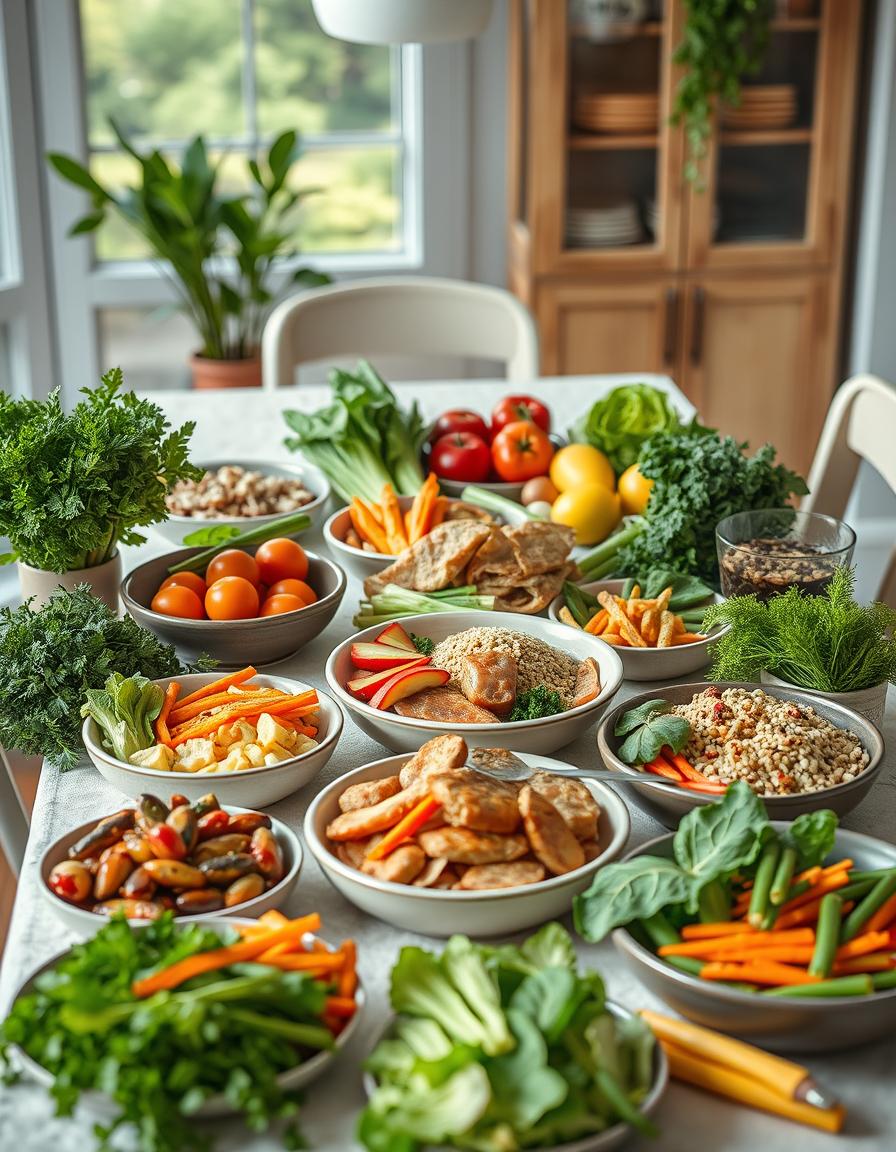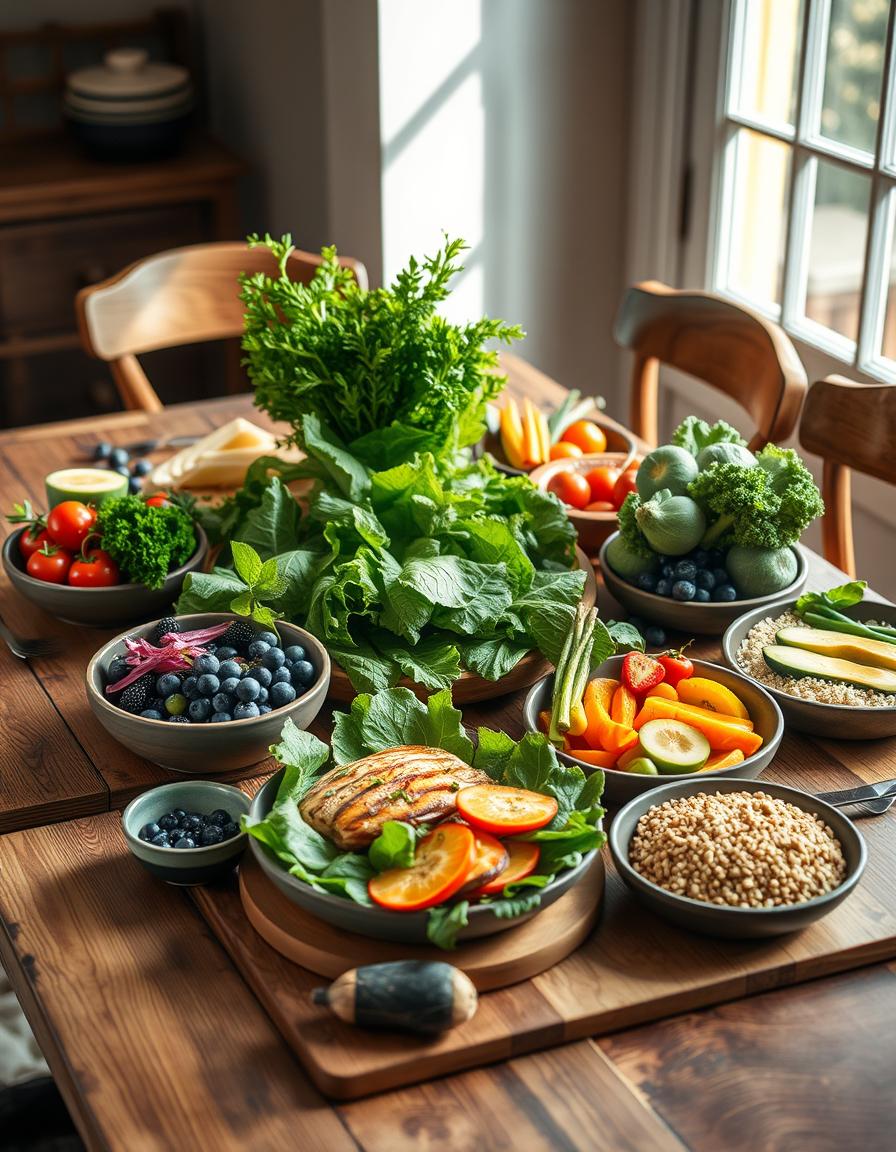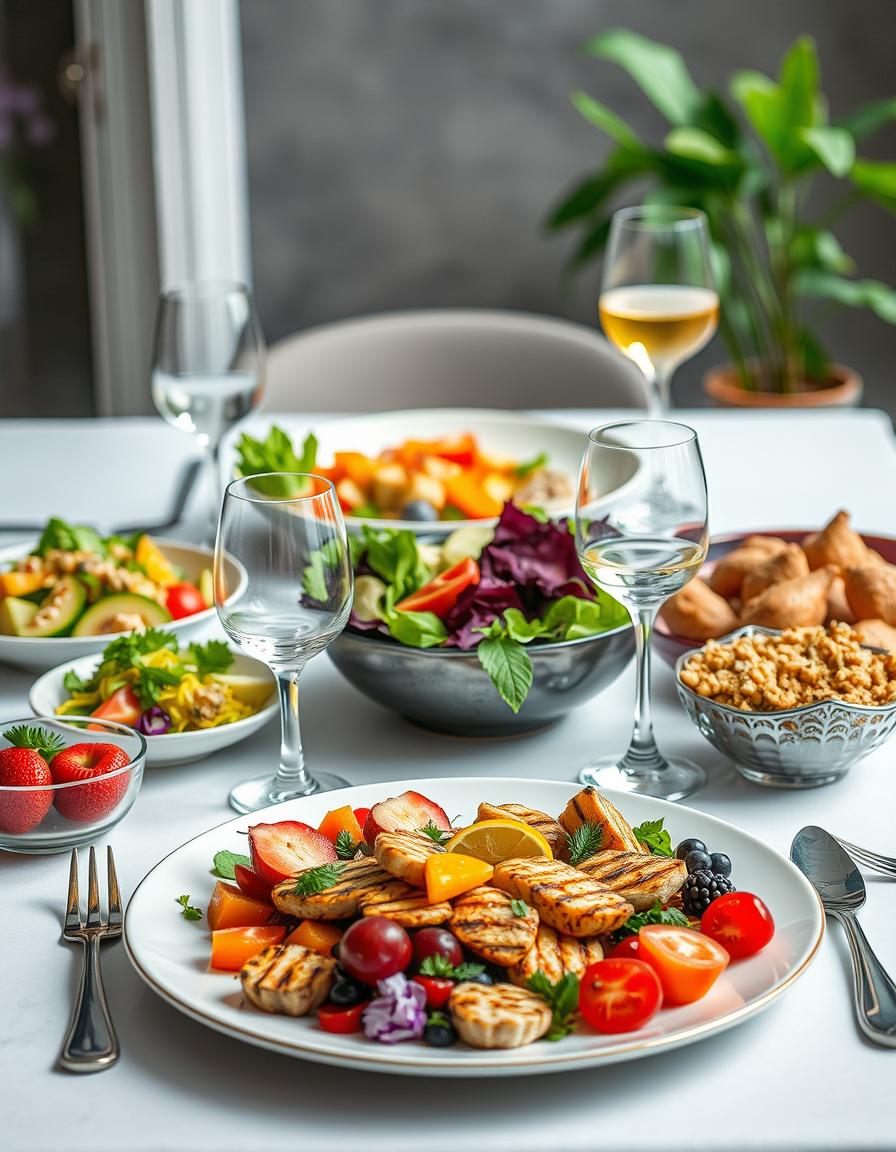
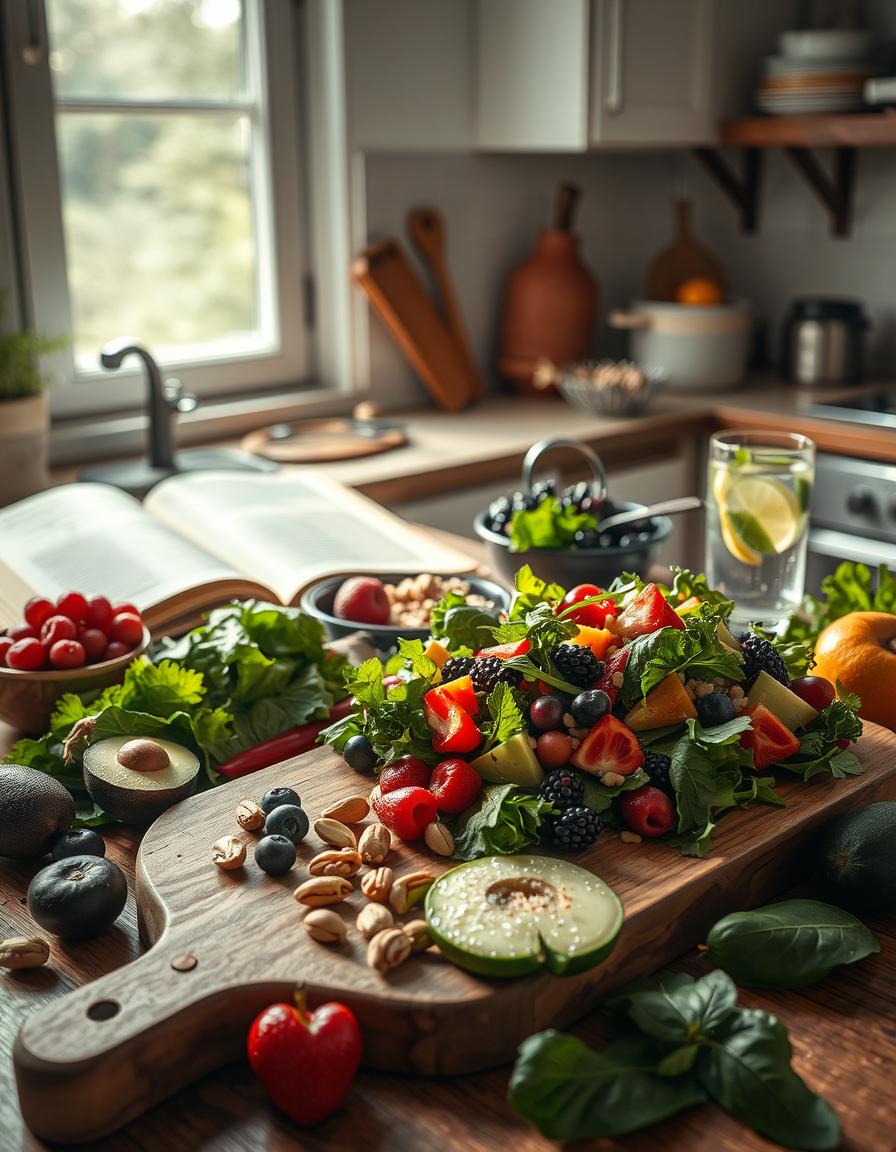
Polycystic Ovary Syndrome (PCOS) is a common hormonal condition that affects many women of reproductive age. One of the biggest challenges that women with PCOS face is difficulty getting pregnant. Thankfully, what you eat can play a big role in improving fertility and managing symptoms. A well-structured PCOS diet plan to get pregnant can help balance hormones, regulate insulin, and support overall reproductive health. Let’s explore how adopting the right meal plan can give you a fighting chance at boosting fertility with PCOS.
Understanding PCOS and Fertility
PCOS happens when the ovaries produce higher levels of androgens (male hormones) than usual. This hormone imbalance often leads to irregular periods and ovulation problems, making it hard to conceive. Insulin resistance is also common among women with PCOS, which can worsen these symptoms. Because of this, managing insulin through diet is a key step in increasing the chances of pregnancy.
You don’t have to overhaul your kitchen overnight. Small, smart changes can make a world of difference. A PCOS diet plan to get pregnant focuses on controlling blood sugar levels, reducing inflammation, and supporting hormone balance. Think of it as giving your body the fuel it needs to work at its best.
Key Components of a PCOS Diet Plan to Get Pregnant
1. Low Glycemic Index (GI) Foods
Choosing foods with a low glycemic index helps keep blood sugar levels steady. This is crucial because spikes and crashes in blood sugar can worsen insulin resistance. Low GI foods release sugar slowly into your bloodstream, avoiding sudden insulin surges.
- Examples: whole grains like quinoa and oats, lentils, chickpeas, and most fruits and vegetables
- Avoid: white bread, sugary snacks, and processed cereals
2. Lean Proteins
Protein is a superstar in any diet plan. It helps maintain muscle mass, keeps you feeling full, and stabilizes blood sugar. For PCOS, lean protein choices are best as they don’t add excess saturated fat that might contribute to inflammation.
- Good options: chicken breast, turkey, tofu, fish, eggs, and plant-based proteins like beans
3. Healthy Fats
Incorporating healthy fats is essential for hormone production and reducing inflammation. But beware—too much unhealthy fat can backfire.
- Eat: avocados, nuts, seeds, olive oil, and fatty fish like salmon
- Limit: fried foods, butter, and highly processed snacks
4. Fiber-Rich Foods
Fiber helps slow digestion and the absorption of sugar, reducing insulin spikes. It also supports gut health and weight management, which are important for PCOS.
- Include: vegetables, fruits, legumes, and whole grains
Sample PCOS Diet Plan to Get Pregnant
| Meal | Foods to Include | Benefits |
|---|---|---|
| Breakfast | Oatmeal with berries and a tablespoon of flaxseeds | High fiber, antioxidants, omega-3 fatty acids to reduce inflammation |
| Snack | Low fat yogurt and a handful of almonds | Protein and healthy fats to keep blood sugar stable and support gut health |
| Lunch | Grilled chicken salad with mixed greens, cherry tomatoes, cucumbers, and olive oil dressing | Lean protein, fiber, and healthy fats for balanced hormones |
| Snack | Carrot sticks with hummus | Fiber and plant-based protein for sustained energy |
| Dinner | Baked salmon, quinoa, and steamed broccoli | Omega-3s, whole grains, and antioxidants to reduce inflammation and support ovulation |
Including low fat yogurt benefits in your daily routine can be a simple yet effective way to add probiotics and protein, both of which play a role in hormone balance and digestion. It’s a guilt-free snack option that your taste buds and body will thank you for.
Foods to Limit or Avoid
While adding the right foods is important, it’s equally necessary to steer clear of certain items that can interfere with fertility in PCOS.
- Refined Carbs and Sugars: These cause blood sugar spikes and insulin resistance.
- Processed Foods: Often high in unhealthy fats, salt, and additives.
- Excess Dairy: Some women with PCOS find that too much dairy can worsen symptoms.
- Alcohol and Caffeine: Both can disrupt hormone balance and should be consumed in moderation.
Importance of Meal Timing and Portions
Eating smaller, balanced meals every 3-4 hours can help keep your blood sugar steady throughout the day. This avoids big spikes that trigger insulin production. Overeating—even healthy foods—can still cause weight gain, which might make PCOS symptoms worse.
Keeping an eye on portion sizes ensures you get enough nutrients without overloading your system. It’s like giving your body the right amount of oil to keep the engine running smoothly.
Exercise and Lifestyle Tips to Support Your PCOS Diet Plan
Food is just one piece of the puzzle. Regular physical activity improves insulin sensitivity and boosts mood. You don’t have to run marathons; even walking, swimming, and yoga can help.
- Try to get at least 30 minutes of moderate exercise most days.
- Manage stress with meditation or hobbies you love—stress can throw hormones out of balance.
- Prioritize sleep. Poor sleep worsens insulin resistance and hormone problems.
Common Questions about PCOS Diet and Pregnancy
Can I get pregnant while having PCOS?
Yes! Many women with PCOS conceive naturally. The right diet, lifestyle, and sometimes medical help can improve your chances significantly.
How long does it take for diet changes to impact fertility?
It varies, but some women notice improvements in a few months. Hormone cycles take time to adjust, so patience is key.
Will losing weight increase my chances?
Even a small weight loss of 5-10% can improve ovulation and insulin sensitivity, boosting fertility.
Conclusion
A well-planned PCOS diet plan to get pregnant can make a meaningful difference in managing symptoms and improving fertility. By focusing on low glycemic foods, lean proteins, healthy fats, and fiber, you help balance blood sugar and hormones. Pairing these choices with exercise, good sleep, and stress management puts you in the best position to succeed. Remember, every body is unique, and small, consistent steps often lead to the biggest wins. With patience and care, boosting fertility with a PCOS meal plan is entirely within your reach.

Timo is the founder of LiteDietPlan.com, where smart nutrition meets simple living.