Taking care of your gut health can feel like balancing a tricky seesaw. When your digestive system is off, it can affect your mood, energy, and even your immune system. The good news? A healthy gut diet plan can help restore that balance and bring your body back to its best. By focusing on the food you eat, you give your gut the support it needs to work smoothly and keep you feeling great every day.
Why Gut Health Matters
Your gut is home to trillions of bacteria, both good and bad. This community, called the gut microbiome, plays a key role in digestion, nutrient absorption, and even brain health. When the good bacteria are thriving, your gut functions well. But when bad bacteria get the upper hand, you might face bloating, discomfort, or weaker immunity.
Think of your gut like a garden. You want to plant seeds that grow healthy flowers and vegetables, not weeds. A healthy gut diet plan is like the fertilizer that nourishes the good microbes and keeps the bad ones in check.
Core Components of a Healthy Gut Diet Plan
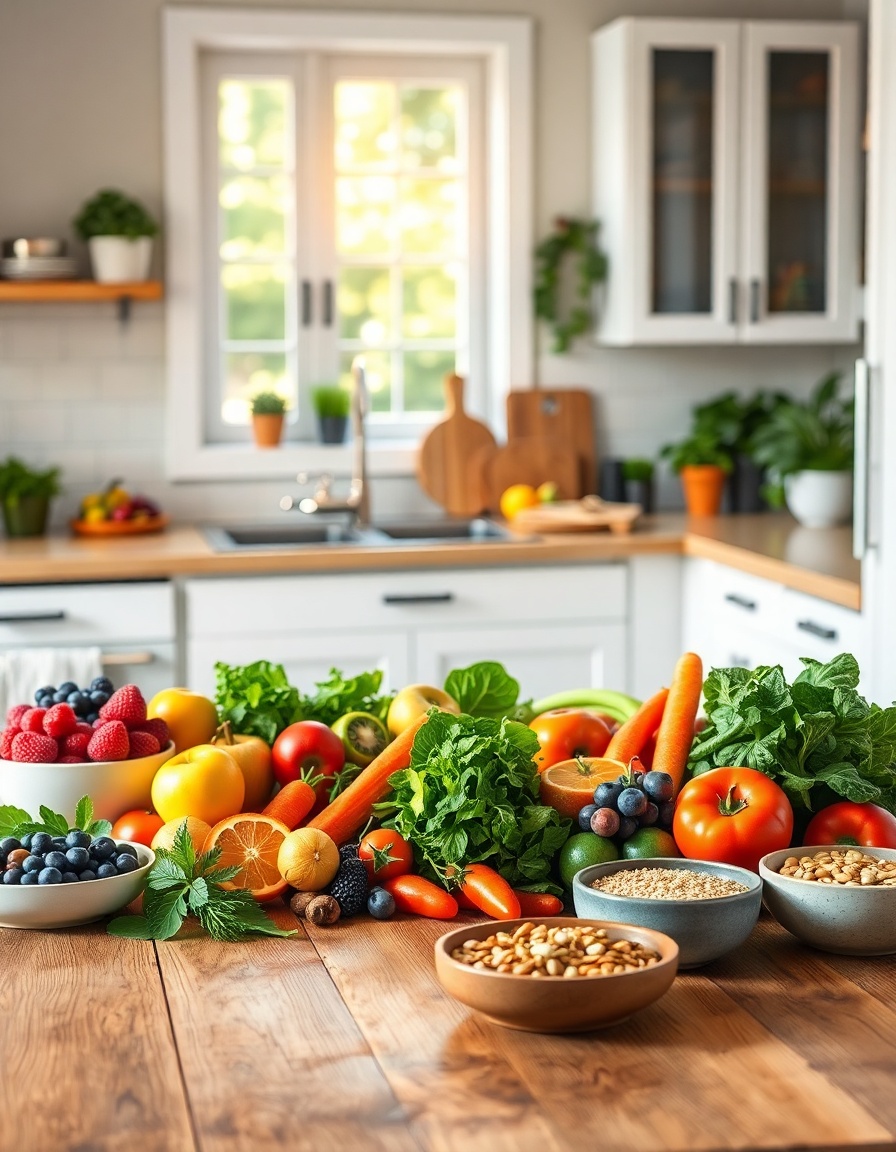
The best gut-friendly eating habits focus on natural, nutrient-rich foods that feed your good bacteria and protect your digestive tract. Here are the main elements to include:
- Fiber: This helps feed the good bacteria and keeps digestion moving smoothly.
- Probiotics: Live beneficial bacteria found in some foods that boost gut health.
- Prebiotics: Special fibers that act like food for probiotics, helping them flourish.
- Lean proteins: Support muscle repair and overall health without overwhelming the gut.
- Healthy fats: Important for reducing inflammation and supporting gut lining.
Foods to Embrace
Incorporating a variety of these foods can transform your gut health:
| Category | Examples | Benefits |
|---|---|---|
| High-fiber foods | Oats, beans, lentils, broccoli, apples | Feed good bacteria and aid digestion |
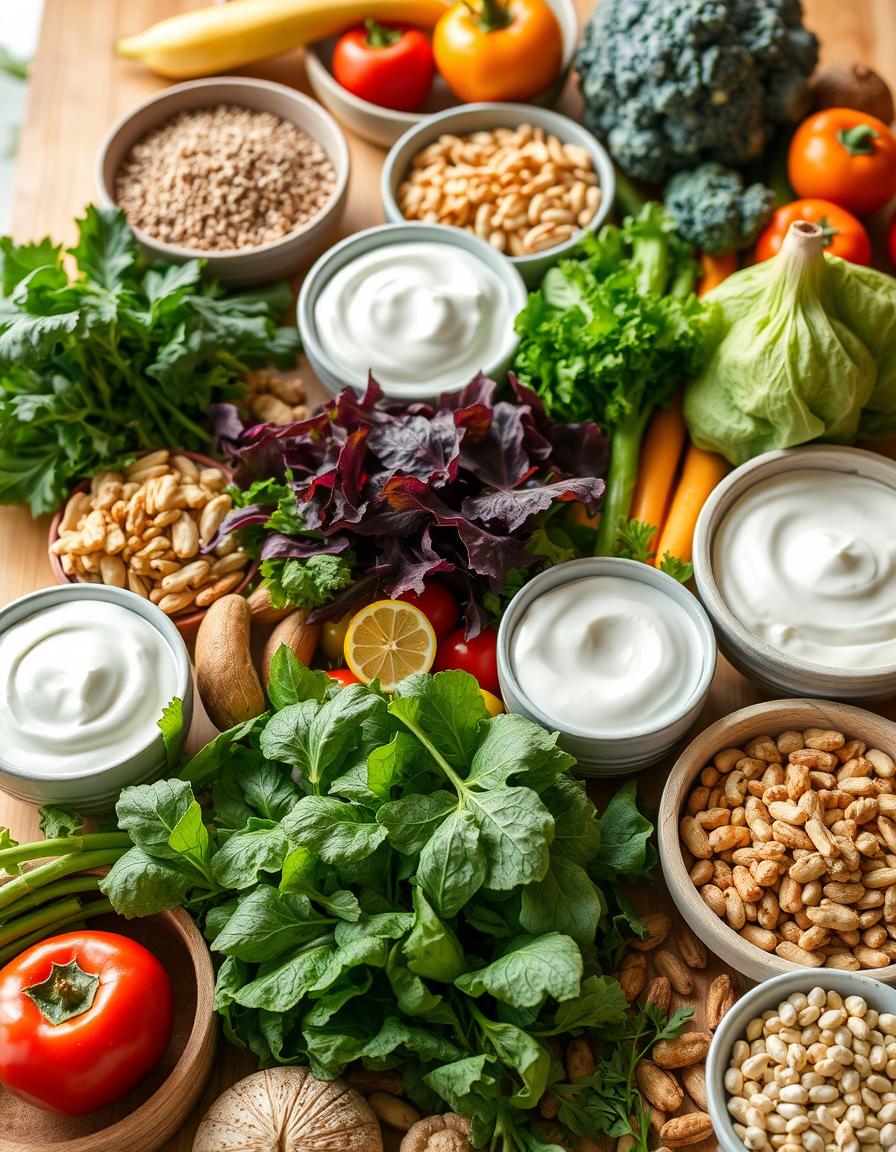
| Probiotic-rich foods | Yogurt, kefir, sauerkraut, kimchi, miso | Introduce beneficial bacteria |
| Prebiotic foods | Garlic, onions, leeks, asparagus, bananas | Support probiotic growth |
| Lean proteins | Chicken, turkey, fish | Easy on digestion, support body repair |
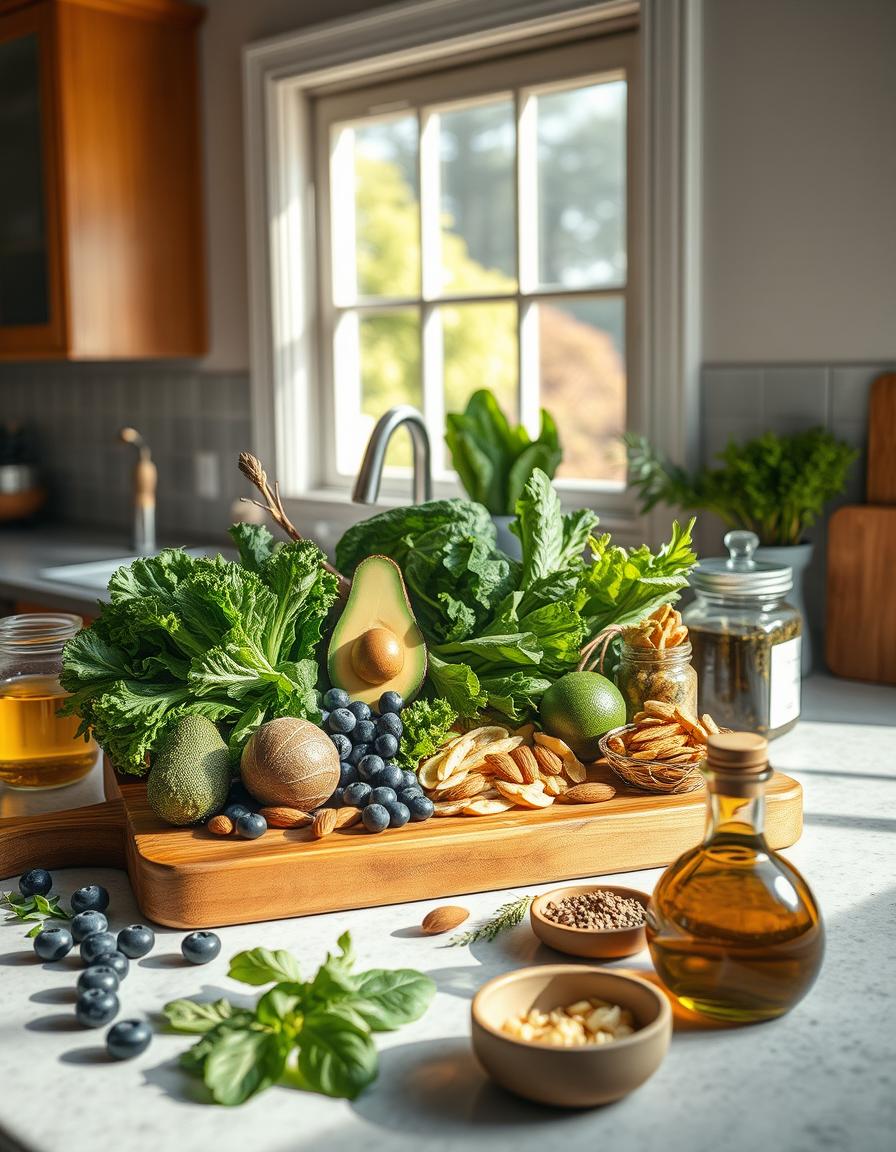
| Healthy fats | Olive oil, avocados, nuts, seeds | Reduce inflammation and nourish gut lining |
Foods to Limit or Avoid
Certain foods can disrupt the gut balance, leading to discomfort or inflammation. Watch out for:
- Processed and fried foods
- Sugary drinks and sweets
- Excessive alcohol
- Artificial sweeteners
- High amounts of red and processed meats
Putting Your Healthy Gut Diet Plan into Action
Starting a new eating habit can be a bit like learning to ride a bike — shaky at first, but smooth once you find your rhythm. Here are practical tips for sticking to a gut-friendly diet:
- Swap snacks wisely: Reach for yogurt with live cultures or a handful of nuts instead of chips.
- Try fermented foods: Add a spoonful of sauerkraut or kimchi to meals for a probiotic boost.
- Include whole grains: Replace white bread with whole grain options like brown rice or quinoa.
- Hydrate: Drink plenty of water to help fiber do its job.
- Introduce changes gradually: Avoid adding too much fiber too quickly to prevent bloating.
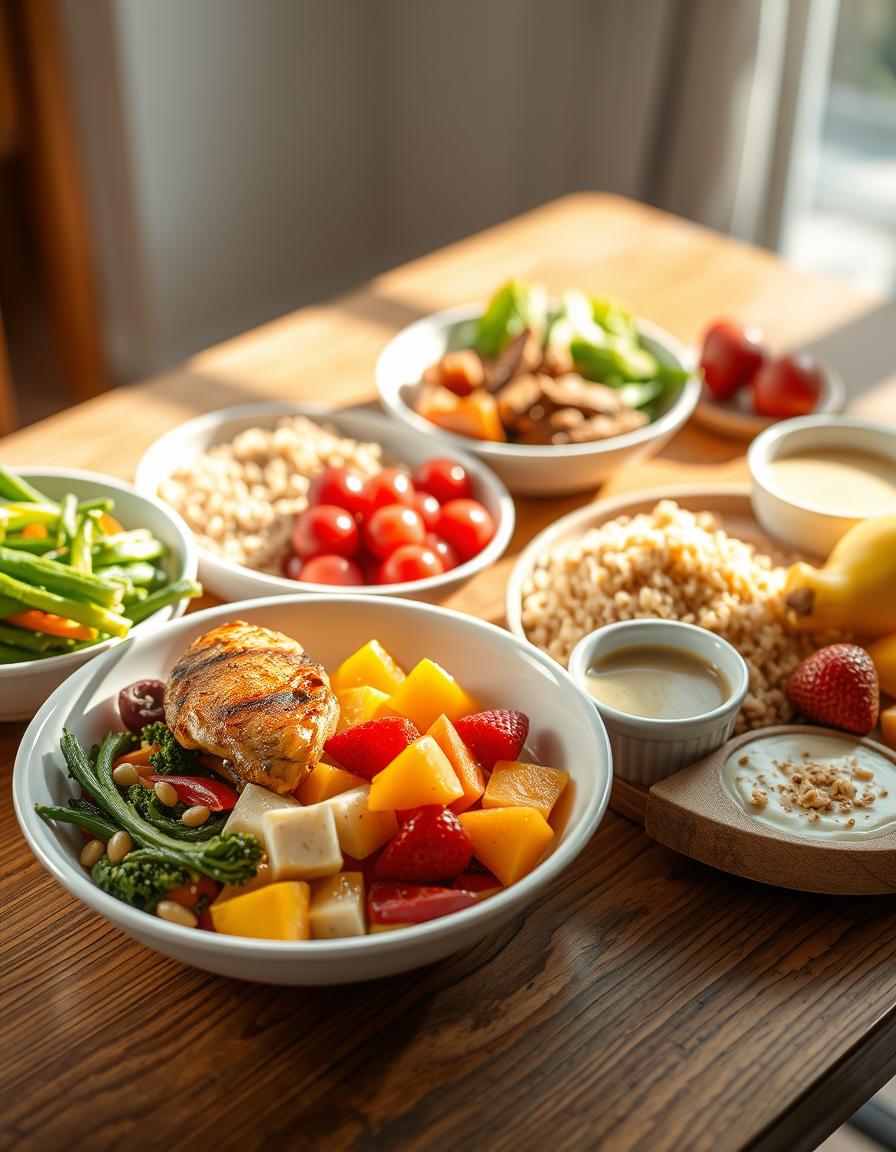
While focusing on plant-based foods, don’t forget the importance of protein. Including sources like chicken or fish helps maintain muscle and recovery. One great way to get quality protein is by incorporating lean meats protein into your meals. It’s easier on your gut than fatty cuts and keeps you feeling fuller longer.
Sample Day on a Healthy Gut Diet Plan
| Meal | Foods | Gut Benefits |
|---|---|---|
| Breakfast | Oatmeal topped with banana and a spoonful of yogurt | Fiber and probiotics to start the day |
| Lunch | Grilled chicken salad with mixed greens, avocado, and olive oil | Lean protein and healthy fats |
| Snack | Carrot sticks with hummus | Prebiotics and fiber |
| Dinner | Baked salmon with steamed broccoli and quinoa | Omega-3 fats, fiber, and lean protein |
Other Ways to Support Your Gut
A healthy gut diet plan is a fantastic step, but there’s more to the story. Simple lifestyle habits can help keep your gut happy:
- Stay active: Exercise helps with digestion and reduces stress, which affects your gut.
- Get enough sleep: Poor sleep can upset your gut bacteria balance.
- Manage stress: Techniques like meditation or deep breathing calm your gut-brain axis.
- Avoid unnecessary antibiotics: These can wipe out both bad and good bacteria.
Conclusion
Balancing your gut health might feel like a juggling act, but a healthy gut diet plan gives you the right tools to keep everything in sync. Filling your plate with fiber-rich foods, probiotics, prebiotics, lean proteins, and healthy fats creates an environment where your gut bacteria can thrive. Remember: steady changes, mindful food choices, and a bit of patience will reward you with better digestion, increased energy, and overall wellness. So why not treat your gut like the valuable teammate it is? After all, a happy gut means a happy you.

Timo is the founder of LiteDietPlan.com, where smart nutrition meets simple living.