
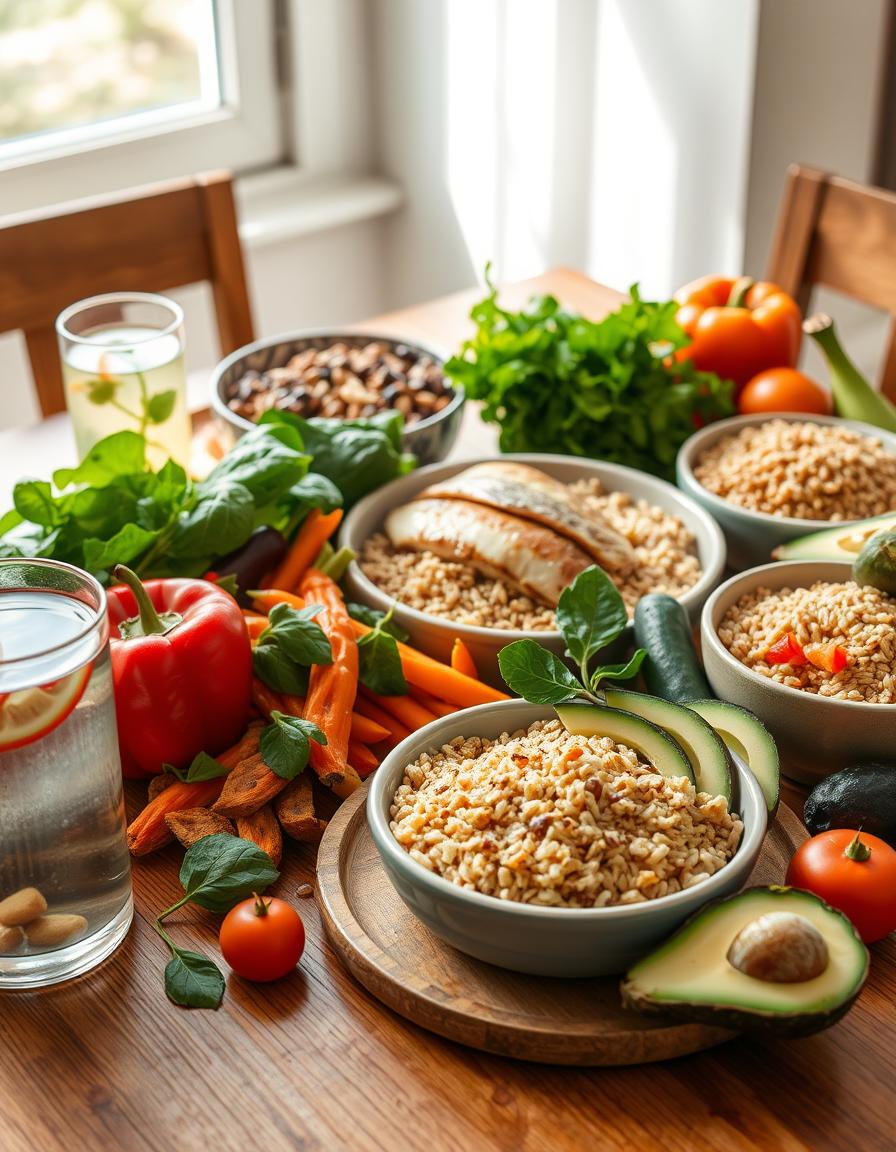
Gestational diabetes is a type of diabetes that occurs during pregnancy, affecting how your body handles sugar. Managing your blood sugar levels is crucial for the health of both mother and baby, and nutrition plays a big part in this. A well-thought-out gestational diabetes diet plan can help keep blood glucose levels stable and support a healthy pregnancy. With a little planning and some smart food choices, managing gestational diabetes through diet can feel less like a chore and more like a lifestyle adjustment.
Understanding Gestational Diabetes
Gestational diabetes develops when the body can’t produce enough insulin during pregnancy. Insulin is the hormone that helps regulate sugar in the blood, and when it doesn’t work properly, blood sugar can rise to unhealthy levels. This condition affects about 2 to 10 percent of pregnancies and usually appears around the second trimester.
Left unmanaged, it can cause problems like high birth weight, premature delivery, and increased risk of type 2 diabetes later in life for both mom and child. Thankfully, with the right guidance, most women can manage their gestational diabetes effectively through diet and lifestyle changes.
Key Principles of a Gestational Diabetes Diet Plan
What you eat can significantly influence your blood sugar. The right diet aims to provide enough nutrients for you and your baby while keeping your glucose levels steady. Here are some important rules to keep in mind:
- Balance your meals: Include proteins, healthy fats, and carbohydrates in the right amounts.
- Focus on low glycemic index (GI) foods: These foods cause a slower rise in blood sugar.
- Eat smaller, more frequent meals: This helps prevent blood sugar spikes after eating.
- Limit sugary and processed foods: They cause quick blood sugar elevations and offer little nutrition.
Choosing the Right Carbohydrates
Carbohydrates have the most direct effect on blood sugar, so choosing the right types and amounts is essential. Whole grains, beans, fruits, and vegetables are better choices than white bread, sugary drinks, or sweets. These high-fiber foods slow digestion, preventing sudden spikes in blood sugar.
Here’s a quick look at some good and not-so-good carb options:
| Good Carbohydrates | Carbohydrates to Limit |
|---|---|
| Brown rice | White bread |
| Quinoa | Pastries and cookies |
| Oats | Sugary drinks |
| Sweet potatoes | White pasta |
| Fresh fruits (in moderation) | Candy and sweets |
Protein and Healthy Fats: Your Allies
Adding lean proteins and healthy fats to your meals can help slow the absorption of sugar into your bloodstream. Consider options like chicken, turkey, fish, tofu, nuts, seeds, and avocados. These nutrients keep you feeling full longer and stabilize blood sugar.
However, it’s best to avoid fried foods or those high in unhealthy fats, which could impact heart health and weight management.
Sample Gestational Diabetes Diet Plan
Here’s what a simple day might look like when managing gestational diabetes with nutrition:
| Meal | Food Choices |
|---|---|
| Breakfast | Oatmeal topped with fresh berries and a spoonful of almond butter |
| Mid-Morning Snack | Greek yogurt with chia seeds |
| Lunch | Grilled chicken salad with mixed greens, cherry tomatoes, cucumber, and olive oil dressing |
| Afternoon Snack | A small apple with a handful of walnuts |
| Dinner | Baked salmon, steamed broccoli, and quinoa |
| Evening Snack | Carrot sticks with hummus |
Hydration and Its Role
Don’t forget to drink plenty of water. Staying hydrated helps your kidneys flush out excess sugar through urine. Avoid sugary drinks and limit caffeine to support your blood sugar control.
The Importance of Monitoring
Along with diet, regularly checking your blood sugar levels helps you understand how your body responds to different foods. This feedback enables you and your healthcare team to make informed adjustments. Remember, every body reacts uniquely, so what works for one person might not suit another.
By the way, for those wondering about comforting options, you might be interested in egg flower soup nutrition. It’s a warm, easy-to-digest choice that fits nicely into many meal plans.
Tips to Stay on Track with Your Diet
- Plan ahead: Preparing meals in advance helps avoid last-minute unhealthy choices.
- Keep a food diary: Writing down what you eat can reveal patterns and triggers.
- Get support: Talk to a nutritionist or join a support group for motivation and advice.
- Be flexible: Pregnancy is a time of change — listen to your body and adjust as needed.
- Stay active: Gentle exercise like walking can improve insulin sensitivity.
Common Myths About Gestational Diabetes and Diet
There are plenty of misleading ideas floating around about what you can and can’t eat during gestational diabetes. Let’s clear up a few:
- Myth: “You can’t eat any sugar at all.”
Truth: Completely avoiding sugar isn’t necessary. Moderation and balance are key. - Myth: “Fruit is off-limits.”
Truth: Fresh fruits can be part of your diet, but keep portions moderate and choose lower-GI fruits. - Myth: “Carbs are bad.”
Truth: Carbohydrates are essential energy sources; choosing the right carbs matters most.
Conclusion
Managing gestational diabetes through nutrition is a practical and effective way to safeguard your health and your baby’s well-being. By following a careful gestational diabetes diet plan that emphasizes balanced meals, quality carbohydrates, and regular monitoring, you can keep your blood sugar levels in check without feeling deprived.
Remember, each pregnancy is unique, so maintaining open communication with your healthcare provider and adjusting your diet as needed will help you stay on course. With a little patience, the right food choices, and a positive attitude, managing gestational diabetes can become a smooth part of your pregnancy journey.

Timo is the founder of LiteDietPlan.com, where smart nutrition meets simple living.