
A strong, well defined jawline is often seen as a cornerstone of facial attractiveness for both men and women. It frames the face, conveys strength, and creates a more balanced and youthful appearance. While some are born with this structure, many others look for ways to enhance it. For those seeking a dramatic and permanent solution, jaw angle implants offer a powerful way to sculpt the lower face and achieve the sharp angles you’ve always wanted.
Unlike temporary fixes like fillers, this surgical procedure provides a lasting structural change. It can widen a narrow jaw, create a more chiseled look, and improve overall facial harmony. Understanding how this procedure works, what to expect, and seeing the potential results is the first step in deciding if it’s the right choice for you.
What Exactly Are Jaw Angle Implants?
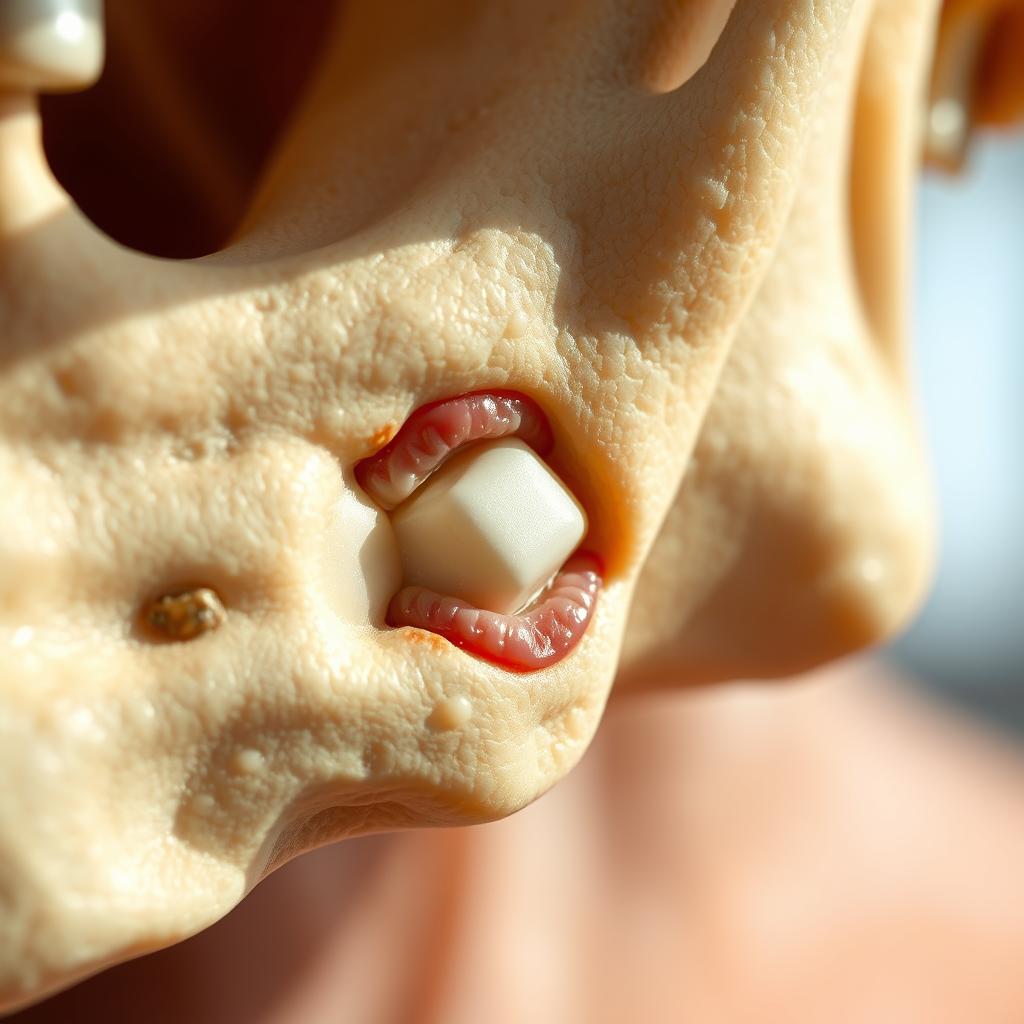
In simple terms, jaw angle implants are biocompatible, solid medical devices surgically placed directly onto the mandibular angle the corner of your jawbone below your ear. Their purpose is to augment the bone’s natural structure, adding volume, width, and definition. Think of them as a permanent way to build up the framework of your lower face to create a more distinct and aesthetically pleasing shape.
These implants are crafted from safe, durable materials designed to last a lifetime. The two most common materials used for facial augmentation are:
- Silicone: This is the most widely used material for jaw angle implants. It’s a solid, rubber like material that is very flexible and easy for a surgeon to shape if needed. A major benefit of silicone is that it can be removed more easily if a revision is ever necessary.
- Medpor (Porous Polyethylene): This is a rigid, porous material. The tiny pores allow your natural bone and soft tissue to grow into the implant over time, integrating it with your jaw structure. This makes it very stable, but also more challenging to remove than silicone.
Your surgeon will discuss which material is best for your specific anatomy and aesthetic goals during your consultation.
Standard vs. Custom Jaw Angle Implants
When choosing your implants, there are two primary options. Standard implants come in a variety of pre formed shapes and sizes, which an experienced surgeon can select from to best match a patient’s facial structure. They are effective for most cases of jaw augmentation.
For individuals with significant facial asymmetry or very specific goals, custom jaw angle implants are an excellent option. These are created using a 3D model generated from a CT scan of your skull. This allows for a perfect, personalized fit that is crafted exclusively for your anatomy. While custom implants come at a higher cost, they offer an unmatched level of precision.
Who is a Good Candidate for Jaw Augmentation?
Deciding to get jaw angle implants is a significant decision. The ideal candidate is someone who is looking for a permanent structural improvement to their jawline. Generally, good candidates share a few common traits:
- They are in good general health with no active infections or serious medical conditions.
- They have finished their facial growth, typically over the age of 18.
- They feel their jawline is weak, narrow, or lacks definition.
- They are looking to create a more masculine or “chiseled” facial appearance.
- They have realistic expectations about the surgical outcome.
- They want a permanent solution and understand the commitment of surgery compared to temporary options like fillers.
This procedure can be equally effective for men wanting to create a stronger, more angular jaw and for women seeking better definition and balance in their lower face.
The Surgical Procedure: A Step by Step Look
Understanding the surgical process can help demystify it and ease any concerns. The procedure for placing jaw angle implants is typically performed on an outpatient basis and follows a clear, established plan.
1. Consultation and Planning
Everything starts with a thorough consultation with a board certified plastic or maxillofacial surgeon. During this meeting, you’ll discuss your goals, and the surgeon will evaluate your facial anatomy. They may use 3D imaging or a CT scan to analyze your bone structure and plan the exact placement and size of the jaw angle implants.
2. Anesthesia
For your comfort and safety, the surgery is almost always performed under general anesthesia. This means you will be completely asleep during the entire procedure.
3. The Incision
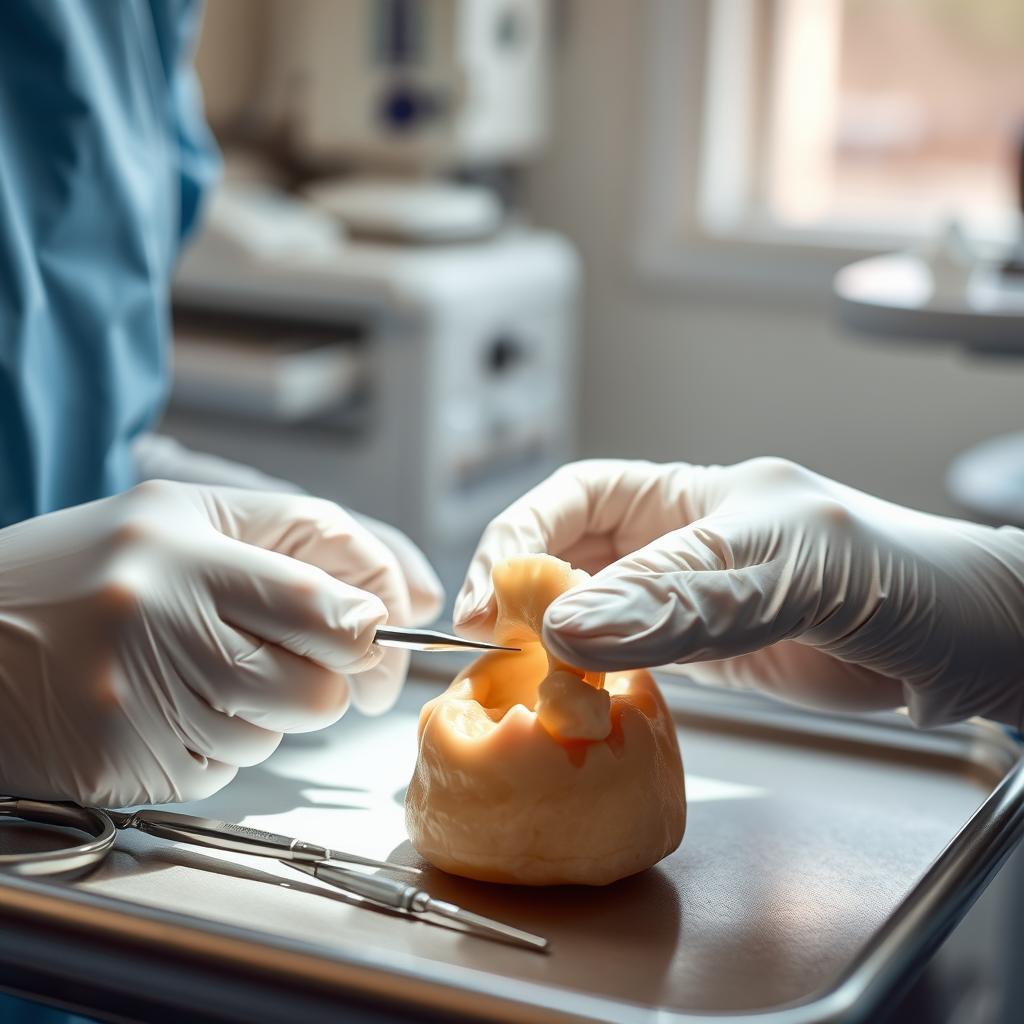
One of the biggest advantages of this surgery is the lack of visible scarring. The surgeon makes all the necessary incisions on the inside of your mouth, in the gum line near your back molars. This approach provides direct access to the jawbone without leaving any external marks.
4. Implant Placement
Through the incision, the surgeon creates a precise pocket on top of the mandibular angle. The jaw angle implants are then carefully inserted into these pockets and positioned correctly. To prevent any shifting or movement after surgery, the implants are often secured to the bone with one or two small titanium screws. These screws are biocompatible and designed to remain in place permanently.
5. Closing the Incisions
Once the implants are securely in place, the surgeon closes the incisions inside the mouth using dissolvable sutures. These will gradually disappear on their own over a few weeks as you heal.
Jaw Angle Implants: Before and After Results
The visual change from jaw angle implants can be truly transformative. While we cannot display a gallery of specific patient photos here, we can describe the stunning results that are typically achieved. We highly recommend visiting the official websites of board certified plastic surgeons to view their extensive before and after galleries, as they provide the best visual evidence of what is possible.
After the procedure and once the swelling has resolved, patients typically notice:
- A Wider Lower Face: The implants add volume directly to the corners of the jaw, creating a broader and more substantial appearance from the front.
- A Sharper Jaw Angle: The jawline appears more defined and less rounded. The transition from the jaw to the neck becomes much cleaner and more angular.
- Improved Facial Symmetry: For those with an asymmetrical jawline, custom jaw angle implants can correct imbalances and create a more harmonious look.
- Enhanced Facial Profile: From the side, the back of the jaw appears stronger and more prominent, which contributes to a more balanced and attractive profile.
It’s important to remember that the final result isn’t immediate. Swelling can obscure the outcome for several weeks, but the definitive, refined shape of your new jawline will become fully apparent over several months.
Recovery and Timeline: What to Expect
Recovery from jaw angle implants surgery is a gradual process that requires patience. Knowing what to expect day by day and week by week can help you prepare.
| Timeframe | What to Expect |
|---|---|
| First 24 48 Hours | Peak swelling, bruising, and discomfort. This is managed with prescribed pain medication. Your head should be elevated as much as possible. A liquid diet is necessary. |
| Week 1 | Swelling remains significant. You’ll switch to a soft food diet (e.g., yogurt, mashed potatoes, smoothies). Discomfort lessens. You will use a special antiseptic mouthwash to keep the incision sites clean. |
| Weeks 2 4 | Most patients feel well enough to return to a desk job or school. Social downtime is common as swelling is still present. Light activity is fine, but strenuous exercise should be avoided. |
| Month 1 3 | The majority of the swelling has subsided, and you’ll see a clear preview of the final result. You can typically resume all normal activities, including exercise, as cleared by your surgeon. The new shape of your jaw will be very apparent. |
| Month 6+ | All residual swelling is gone. The final, refined result of your jaw angle implants is now fully visible. The implant sites are completely healed, and the implants should feel like a natural part of your jawbone. |
How Much Do Jaw Angle Implants Cost in 2025?
The cost of jaw angle implants can vary significantly based on several factors. As of 2025, the total cost in the United States typically ranges from $8,000 to $20,000 or more. Because this is a cosmetic procedure, it is not covered by health insurance.
The total price you are quoted should be all inclusive, covering these key components:
- Surgeon’s Fee: This is often the largest part of the cost and reflects the surgeon’s experience, skill, and reputation.
- Anesthesia Fee: The cost for the services of the anesthesiologist.
- Surgical Facility Fee: The charge for using the operating room, whether it’s in a hospital or a private surgical center.
- Cost of the Implants: Custom jaw angle implants are more expensive than standard ones.
- Geographic Location: Costs are generally higher in major metropolitan areas like New York or Los Angeles compared to smaller cities.
Always get a detailed quote during your consultation to understand the full financial investment.
Risks and Potential Complications
Every surgery comes with risks, and it’s important to be fully informed. While the procedure is generally safe when performed by an expert, potential complications of jaw angle implants include:
- Infection: Because incisions are made inside the mouth, proper oral hygiene post surgery is critical.
- Implant Malposition or Shifting: Implants can move out of place, leading to asymmetry. This risk is minimized by using screws for fixation.
- Nerve Damage: The mental nerve, which provides feeling to the lower lip and chin, can be bruised or damaged, leading to temporary or, in rare cases, permanent numbness.
- Asymmetry: Despite careful planning, minor differences between the two sides can occur.
- Need for Revision Surgery: In some cases, a second surgery may be needed to correct a complication or improve the aesthetic result.
The most effective way to minimize these risks is to choose a board certified plastic surgeon with extensive experience in facial implant surgery.
Jaw Angle Implants vs. Dermal Fillers: Which Is Right for You?
Fillers are often mentioned as a non surgical alternative for jawline enhancement. While they have their place, they serve a very different purpose than jaw angle implants. Here’s a clear comparison:
| Feature | Jaw Angle Implants | Dermal Fillers |
|---|---|---|
| Result | Permanent | Temporary (lasts 12 24 months) |
| Procedure | Surgical procedure under anesthesia | Minimally invasive office procedure (injections) |
| Downtime | 1 2 weeks of social downtime | Minimal to none (possible minor bruising/swelling) |
| Cost | Higher one time cost | Lower initial cost, but requires ongoing treatments |
| Potential Change | Significant structural augmentation and change | Subtle to moderate volume addition and contouring |
Fillers are a great way to “test drive” a more defined jawline, but for those who want a permanent and more dramatic change, jaw angle implants are the definitive solution.
Frequently Asked Questions (FAQ)
Are jaw angle implants safe?
Yes, when the procedure is performed by a qualified, board certified surgeon using FDA approved implants, it is considered very safe. The materials used have a long track record of being well tolerated by the body.
Will the implants feel natural?
After the healing process is complete and all swelling has resolved, the jaw angle implants should feel like your natural bone. They are placed directly on the bone, under the muscle, so they are not palpable from the outside.
Can jaw angle implants be removed?
Yes, they can be removed. Silicone implants are generally straightforward to remove through the original incisions. Medpor implants can be more difficult to remove because of tissue ingrowth, but it is still possible in the hands of an experienced surgeon.
How long does the surgery take?
The surgery itself is relatively quick, typically taking about 1 to 2 hours to complete, depending on the complexity of the case and whether other procedures are being performed at the same time.
Will I have visible scars?
No. One of the best aspects of the procedure is that all incisions are made inside the mouth, so there are absolutely no visible scars on your face.
Conclusion
For individuals seeking a permanent and significant enhancement to their lower face, jaw angle implants stand out as a premier solution. They offer the ability to create the strong, defined, and balanced jawline that dieting and exercise can never achieve. By adding physical structure to the corners of the jaw, this procedure reshapes your facial silhouette for a lifetime. While it is a surgical procedure with a required recovery period and financial investment, the transformative and lasting results can profoundly boost confidence. If you’re considering this path, the most important step is to consult with a board certified plastic surgeon to explore how jaw angle implants can help you achieve your aesthetic goals.