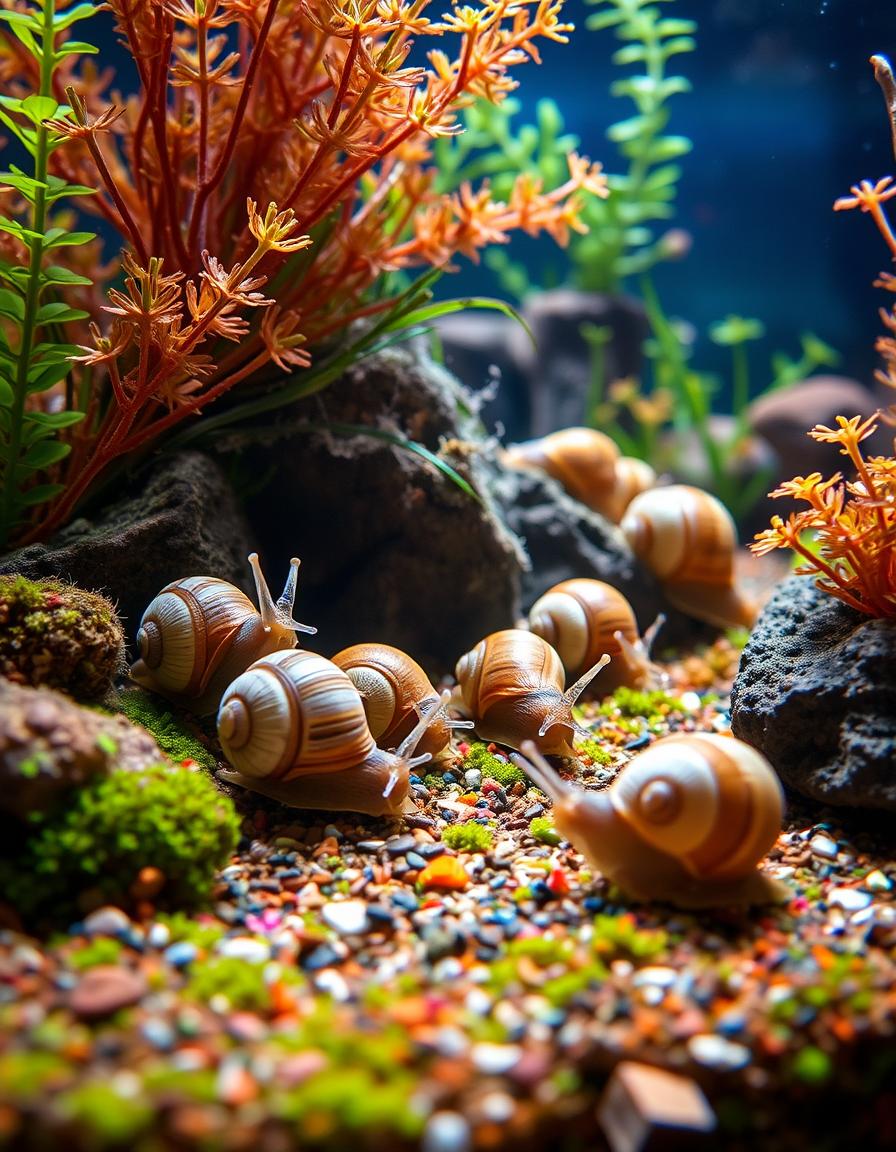
Assassin snails have gained popularity in the aquarium hobby for being fascinating little helpers. Their diet and behavior make them natural pest controllers, keeping the tank clean and balanced. Understanding the assassin snail diet offers insight into why these snails are so effective in maintaining healthy aquarium environments. They are not your typical algae eaters; instead, they prefer a very specific menu that benefits fishkeepers looking for a peaceful and practical way to manage unwanted snail populations.
What Exactly Do Assassin Snails Eat?
The assassin snail diet mainly consists of other snails and small invertebrates. Unlike many snails that graze on algae or plant material, assassin snails are carnivorous. They hunt and consume pest snails that can overrun your aquarium, such as pond snails or bladder snails. Their shell, which is sturdier and pointed, helps them drill into the shells of prey snails to feed on them.
This specialized diet makes them unique among aquarium snails. Instead of competing with fish for food, they fill an important role by controlling unwanted snail populations. If you have a tank that’s suddenly bursting with tiny, unwanted snails, adding assassin snails can be a natural solution.
Typical Components of the Assassin Snail Diet
- Other Snails: Assassin snails prefer various pest snail species as their primary food source.
- Dead Fish or Invertebrates: They scavenge on dead or dying organisms, helping keep the tank clean.
- Meaty Foods: If no pest snails are present, assassin snails can be supplemented with sinking carnivore pellets or chopped shrimp.
Their appetite is mostly carnivorous, but they can survive short periods without live prey by eating other protein-rich foods. This makes their diet quite adaptive, although live snails remain their favorite.
How Assassin Snails Help Keep Aquariums Clean
While many aquarium cleaners focus on algae or detritus, assassin snails target one of the most common aquarium nuisances — pest snails. Overpopulation of pest snails can lead to clogged filters, excessive waste, and an unsightly tank. Assassin snails manage these populations naturally.
Controlling Pest Snail Populations
Pest snails often reproduce quickly, especially if you overfeed or don’t perform regular tank maintenance. These snails can become overwhelming, hitchhiking on new plants or decorations. Assassin snails reduce their numbers by actively hunting, which reduces the need for chemical treatments or manual removal.
| Benefit | How Assassin Snails Contribute |
|---|---|
| Pest Control | Hunt and eat pest snails, preventing overpopulation |
| Tank Cleanliness | Remove excess dead matter and leftover food |
| Low Maintenance | Require minimal supplemental feeding if prey is abundant |
| Eco-Friendly | Avoids chemical snail killers that can harm aquarium life |
Assassin Snails and Their Role in a Balanced Aquarium
Unlike pesticides or poisons, assassin snails won’t harm your fish or plants. Their slow population growth also means they won’t become pests themselves. They quietly go about their business, keeping your tank balanced and healthy. Many aquarists find their presence reassuring, knowing there is a natural pest control system in place.
Feeding Assassin Snails: What Aquarium Owners Should Know
While assassin snails do feed on other snails, sometimes they need help if pest snails are scarce. Providing them with additional food ensures they stay healthy and active in your tank.
Supplementing the Assassin Snail Diet
- Meaty Foods: Blanched shrimp, fish flakes, or sinking carnivore pellets work well.
- Frozen or Freeze-Dried Foods: Bloodworms or brine shrimp can be offered occasionally.
- Avoid Algae Wafers: Since they are carnivores, algae-based foods won’t satisfy their dietary needs.
Remember, assassin snails are slow eaters and don’t require a large amount of food. Overfeeding may lead to water quality issues, so it’s best to provide small portions.
Tips to Ensure a Healthy Assassin Snail Population
- Maintain a stable aquarium environment with clean water.
- Provide hiding places like plants and decorations to reduce stress.
- Introduce pest snails gradually to keep assassin snails fed without overwhelming the tank.
- Monitor water parameters such as pH and temperature to match their natural habitat.
In case you’re curious, this diet is very different from what you might expect. For instance, it’s nothing like preparing a delicious low-salt corned beef brisket, which requires patience and care in the kitchen. These snails are more straightforward eaters but still require some attention.
Potential Downsides and Considerations
Though assassin snails are helpful, they’re not a magic solution. They’ll reduce pest snail numbers but won’t completely eliminate them overnight. Also, they reproduce slowly, so don’t expect a massive army to appear immediately. Patience is key.
Another point to consider is that assassin snails may sometimes prey on snails you want to keep, like nerite or mystery snails. If you have valuable or rare snails, make sure to house assassin snails separately to avoid any unintended casualties.
Finally, assassin snails prefer water conditions that are warm and slightly alkaline. If your tank doesn’t match these conditions, they may not thrive or could become less active and less effective.
Conclusion
The assassin snail diet is fascinating because it highlights their role as natural pest controllers in aquariums. By feeding primarily on other snails, they help maintain a cleaner, more balanced tank environment. Supplemented with occasional meaty foods, they stay healthy and continue their work with minimal fuss. While they may take some time to reduce pest snails, their quiet effectiveness and low maintenance make them a beloved addition to many tanks.
Overall, if you want a unique and natural way to keep pesky snails in check without chemicals, assassin snails are a smart choice. Just be sure to understand their diet and needs so they can continue doing the job you count on them for — quietly keeping your aquarium clean and peaceful.

Timo is the founder of LiteDietPlan.com, where smart nutrition meets simple living.