
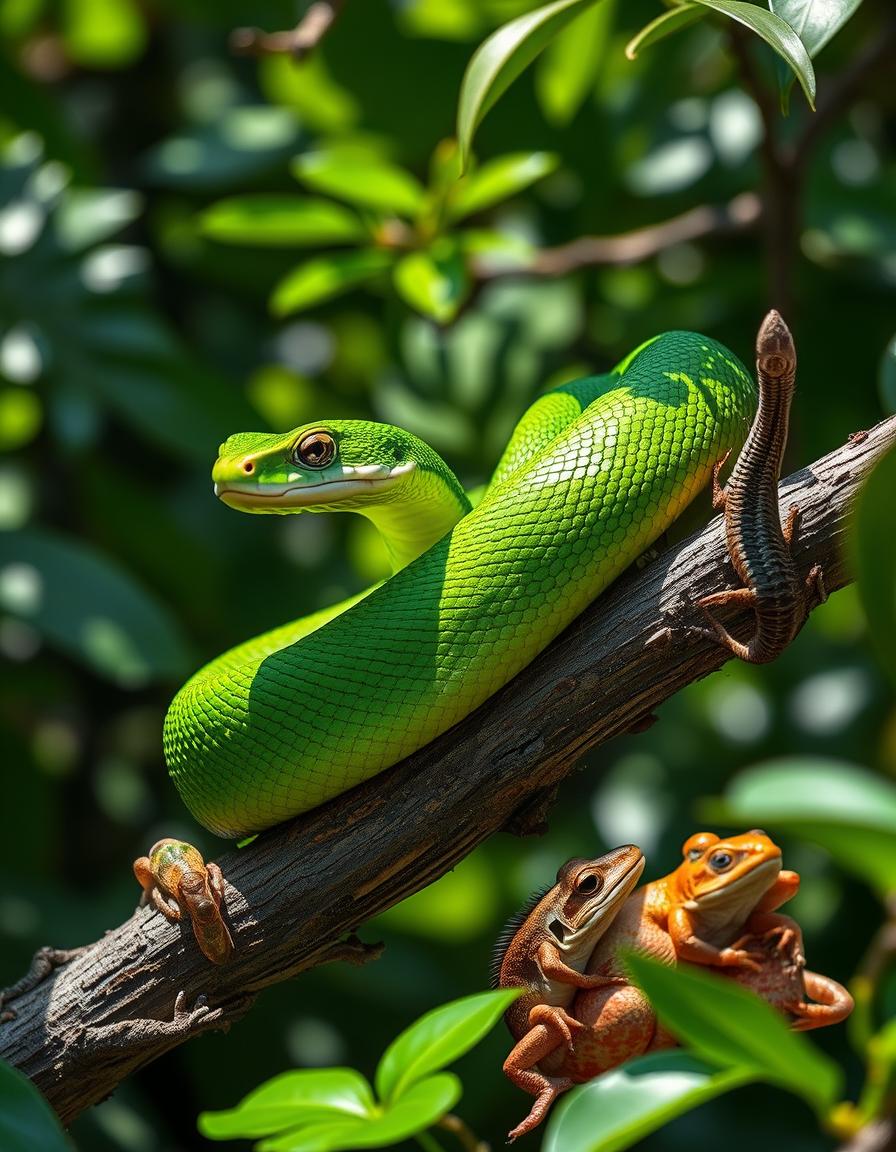
The rough green snake is a fascinating little reptile known for its vibrant green color and slender body. These snakes are often seen basking on branches or slithering through tall grass. But have you ever wondered what these agile climbers eat? Understanding the rough green snake diet is essential for anyone interested in these creatures, whether you’re a curious nature lover or considering one as a pet. Their eating habits may surprise you, as they have a very specific and unique menu compared to other snakes.
What Exactly Does the Rough Green Snake Eat?
Unlike some snakes that feast on rodents or birds, rough green snakes prefer a diet consisting mainly of insects and other small invertebrates. They have a gentle hunting style and tend not to go after large prey. These snakes rely on their quick reflexes and camouflage to capture food, making their diet quite distinct.
Common Prey Items
- Grasshoppers
- Crickets
- Caterpillars
- Crickets
- Small spiders
- Moths
- Other soft-bodied insects
This insect-based diet keeps the rough green snake agile and light. Their slim build is perfect for darting through leafy branches in search of these crunchy treats.
The Role of Habitat in Their Diet
Where rough green snakes live plays a big part in what they eat. They are most commonly found in grassy areas, shrubs, and woodlands where insects are abundant. This helps ensure a steady food supply. Since they spend much of their time above ground and in vegetation, their diet mainly consists of insects found on leaves, stems, or flowers.
Seasonal Changes Affect Food Availability
The types and amounts of insects available can change with the seasons. Rough green snakes tend to eat more in warmer months when insects are plentiful and may slow down or eat less during cooler seasons. This natural ebb and flow in their diet helps them conserve energy and survive through times when meals are harder to find.
Feeding Rough Green Snakes in Captivity
For those who keep rough green snakes as pets, replicating their natural diet is key to keeping them healthy. Many pet owners struggle with feeding them because rough green snakes won’t usually eat rodents or frozen prey like other snakes. Instead, offering live insects is the best way to meet their nutritional needs.
Popular Food Options for Captive Rough Green Snakes
| Food Type | Notes |
|---|---|
| Crickets | Easy to find and staple diet; dust with calcium powder. |
| Mealworms | Good occasional treat but less nutritious than crickets. |
| Waxworms | High in fat; should be fed sparingly. |
| Fruit flies | Great for smaller snakes or juveniles. |
One fun fact: rough green snakes don’t usually eat frozen foods, but sometimes creative pet owners try offering [frozen scrambled egg patties] to their reptiles. While this won’t replace their insect diet, it can be a handy supplement occasionally for some species.
How Rough Green Snakes Hunt Their Food
These snakes are not the type to chase down their meals aggressively. Instead, they rely on stealth and patience. Their bright green scales blend perfectly with leaves and vines, allowing them to sneak up on unsuspecting insects. When the time is right, they strike quickly, using their sharp teeth to grab prey.
Since their favorite foods are small and quick, rough green snakes must be alert and ready to pounce at a moment’s notice. This hunting technique suits their size and habitat well, keeping their energy use low while maximizing success.
Nutritional Needs Explained
Although rough green snakes eat a seemingly simple diet, ensuring that they get all necessary nutrients is crucial. Insects provide protein, fats, and some vitamins, but wild snakes get additional micronutrients from their varied prey and environment.
For captive snakes, lightly dusting insects with calcium or vitamin supplements can prevent nutritional deficiencies. This attention to diet quality ensures your rough green snake stays lively and healthy.
Interesting Facts About Their Diet
- Rough green snakes are primarily diurnal hunters, meaning they look for food during the day.
- They rarely drink water directly but absorb moisture through their skin and from dew on plants.
- Their diet helps control insect populations, making them beneficial in natural ecosystems.
- Unlike some snakes, rough green snakes have relatively weak venom or none at all, relying on constriction and swallowing prey alive.
Fun anecdote: Some folks have joked that these snakes are “nature’s little lawn mowers” because they love munching on garden pests. This nickname fits well, as rough green snakes can be a gardener’s friend without causing harm to flowers or plants.
Common Misunderstandings About Rough Green Snake Diet
Sometimes people assume all snakes are carnivores that eat mammals, but rough green snakes’ diet is quite different. It’s important to remember they don’t eat mice or birds. Offering the wrong food can cause health problems or refusal to eat.
Another misconception is that these snakes eat plants or fruits because of their green color. However, they are strictly insectivores. Their diet is all about protein-packed insects rather than vegetation.
Signs of a Healthy Diet in Rough Green Snakes
When rough green snakes receive a proper diet, they usually appear bright, active, and alert. Their skin should be smooth and vibrant green, with no signs of dullness or shedding issues. They stay slim and energetic, reflecting their lifestyle in the wild.
If a snake refuses food, loses weight, or appears lethargic, the diet or habitat conditions might need adjustment. Always consult reptile care guides or a vet who knows snakes if you notice unusual behavior.
Conclusion
The rough green snake diet is a fascinating example of how animals adapt their eating habits to their environment. These snakes thrive on a simple but carefully chosen menu of insects, which supports their active, climbing lifestyle. Whether studying them in nature or caring for one at home, understanding what they eat helps ensure their health and happiness. Remember, the next time you spot a bright green snake darting through the leaves, it’s likely on the hunt for some crunchy, tasty bugs—an expert insectivore doing what it does best!

Timo is the founder of LiteDietPlan.com, where smart nutrition meets simple living.