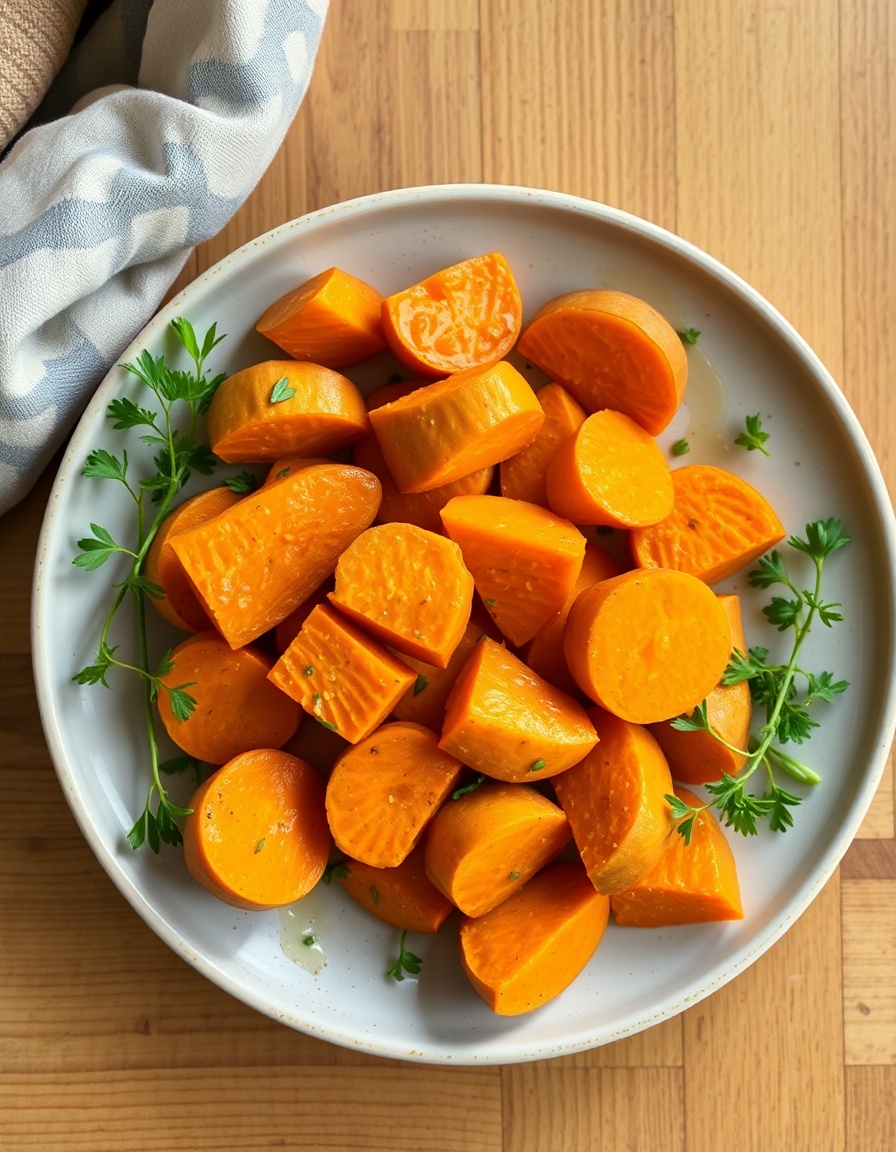
Sweet potatoes are a popular root vegetable enjoyed in many cuisines around the globe. Their natural sweetness and versatility make them a favorite in both savory and sweet dishes. Beyond their delicious taste, cooked sweet potatoes offer impressive nutritional benefits that can enhance your diet. Understanding cooked sweet potato nutrition helps you appreciate why they are a smart choice for anyone looking to eat healthily and feel energized.
Calories and Macronutrients in Cooked Sweet Potatoes
If you’re counting calories or tracking macronutrients, cooked sweet potatoes are quite friendly. A medium-sized cooked sweet potato (about 130 grams) contains approximately 114 calories. Most of these calories come from carbohydrates, which provide energy to keep you going through your day. There’s very little fat, and the protein content is modest, making it a balanced energy source.
| Nutrient | Amount per 130g Cooked Sweet Potato |
|---|---|
| Calories | 114 kcal |
| Carbohydrates | 27 grams |
| Protein | 2 grams |
| Fat | 0.1 grams |
| Fiber | 4 grams |
The carbohydrate portion includes natural sugars and starches. It’s this natural sugar that gives sweet potatoes their signature flavor without any added sugar. The protein, though small in amount, can contribute to your daily intake when combined with other foods. Plus, that fiber content is a big winner for digestion.
Vitamins in Cooked Sweet Potatoes
Cooked sweet potatoes pack quite a punch when it comes to vitamins. They are especially known for their high vitamin A content, which is essential for good vision, immune function, and skin health. This vitamin appears in the form of beta-carotene, a pigment that gives sweet potatoes their orange color. Just one cooked medium sweet potato can provide over 400% of your daily vitamin A needs. Talk about a vitamin powerhouse!
Vitamin C and B Vitamins
In addition to vitamin A, cooked sweet potatoes provide a good amount of vitamin C, which is important for wound healing and immune health. You’ll also find B vitamins like B6, thiamine, niacin, and pantothenic acid. These vitamins support energy production and help maintain brain function. It’s a little like giving your body a team of tiny helpers.
| Vitamin | % Daily Value per 130g |
|---|---|
| Vitamin A (Beta-Carotene) | 438% |
| Vitamin C | 37% |
| Vitamin B6 | 16% |
| Thiamine (B1) | 8% |
| Niacin (B3) | 7% |
Minerals Found in Cooked Sweet Potatoes
Minerals are just as crucial as vitamins, and cooked sweet potatoes provide several key ones. Potassium stands out here, which helps control blood pressure and supports muscle function. A medium cooked sweet potato offers about 15% of the daily potassium requirement, making it a heart-friendly food.
Other Essential Minerals
Besides potassium, you’ll find manganese, magnesium, and small amounts of calcium and iron. Manganese plays a role in metabolism and bone health, while magnesium supports nerve function and energy production. These minerals contribute quietly but importantly to overall well-being.
| Mineral | Amount per 130g | % Daily Value |
|---|---|---|
| Potassium | 438 mg | 12-15% |
| Manganese | 0.5 mg | 25% |
| Magnesium | 28 mg | 7-8% |
| Calcium | 30 mg | 3% |
| Iron | 0.7 mg | 4% |
The Role of Fiber in Cooked Sweet Potatoes
Fiber is a dietary hero that often gets overlooked. Thankfully, cooked sweet potatoes are a great source of fiber, especially the skin. Eating fiber-rich foods keeps your digestive system happy by promoting regular bowel movements and feeding good gut bacteria.
One medium cooked sweet potato provides about 4 grams of fiber, approximately 16% of the recommended daily intake. This fiber is a mix of both soluble and insoluble types. Soluble fiber helps lower cholesterol and stabilize blood sugar levels, while insoluble fiber adds bulk to stool to prevent constipation.
Tips to Maximize Fiber Intake
- Cook sweet potatoes with the skin on to retain the most fiber and nutrients.
- Pair with other fiber-rich foods like leafy greens or beans for a balanced meal.
- Try to include a variety of fiber sources daily to keep your gut in top shape.
How Cooking Affects Sweet Potato Nutrition
Cooking sweet potatoes can slightly change their nutrient content, but it mostly enhances digestibility and taste. Boiling, baking, or steaming are great cooking methods that preserve most vitamins and minerals. However, boiling for too long may cause water-soluble vitamins like vitamin C to leach out.
Roasting or baking retains more beta-carotene, the vitamin A precursor, compared to boiling. Also, the fiber content is stable through most cooking methods, so you don’t need to worry about losing that gut-friendly goodness.
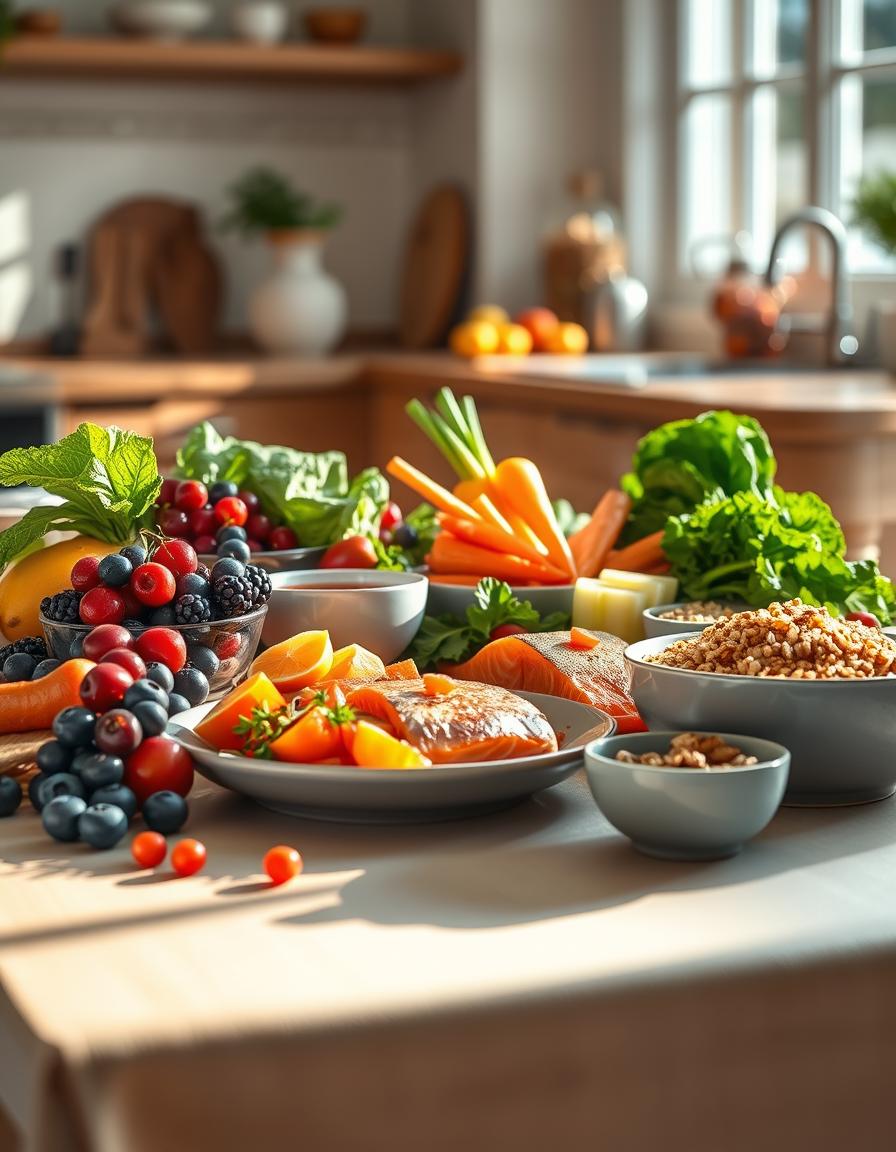
For a tasty combo, try pairing sweet potatoes with protein-rich foods. For example, a dish with smoked salmon with greek yogurt offers a delightful balance of flavors and nutrients. It’s a unique way to add some healthy fats and protein to your meal while enjoying the sweet potato’s benefits.
Summary: Nutritional Highlights of Cooked Sweet Potatoes
- Excellent source of vitamin A from beta-carotene.
- Good supply of vitamin C and B vitamins supporting immunity and energy.
- Provides important minerals like potassium, manganese, and magnesium.
- Contains both soluble and insoluble fiber aiding digestion and heart health.
- Low in fat and contains complex carbs that provide lasting energy.
Conclusion
Cooked sweet potatoes are more than just a tasty treat – they are a nutritional powerhouse packed with vitamins, minerals, and fiber. Incorporating them into your diet can help boost your immune system, improve digestion, and provide steady energy throughout the day. Whether roasted, boiled, or baked, cooking sweet potatoes unlocks their full potential while keeping their unique goodness intact.
Next time you’re wondering about a side dish or want to add some natural sweetness and nutrition to your meal, remember that cooked sweet potato nutrition offers a simple and effective solution. So go ahead, enjoy that sweet potato with confidence, knowing your body is getting a delicious dose of health benefits!

Timo is the founder of LiteDietPlan.com, where smart nutrition meets simple living.