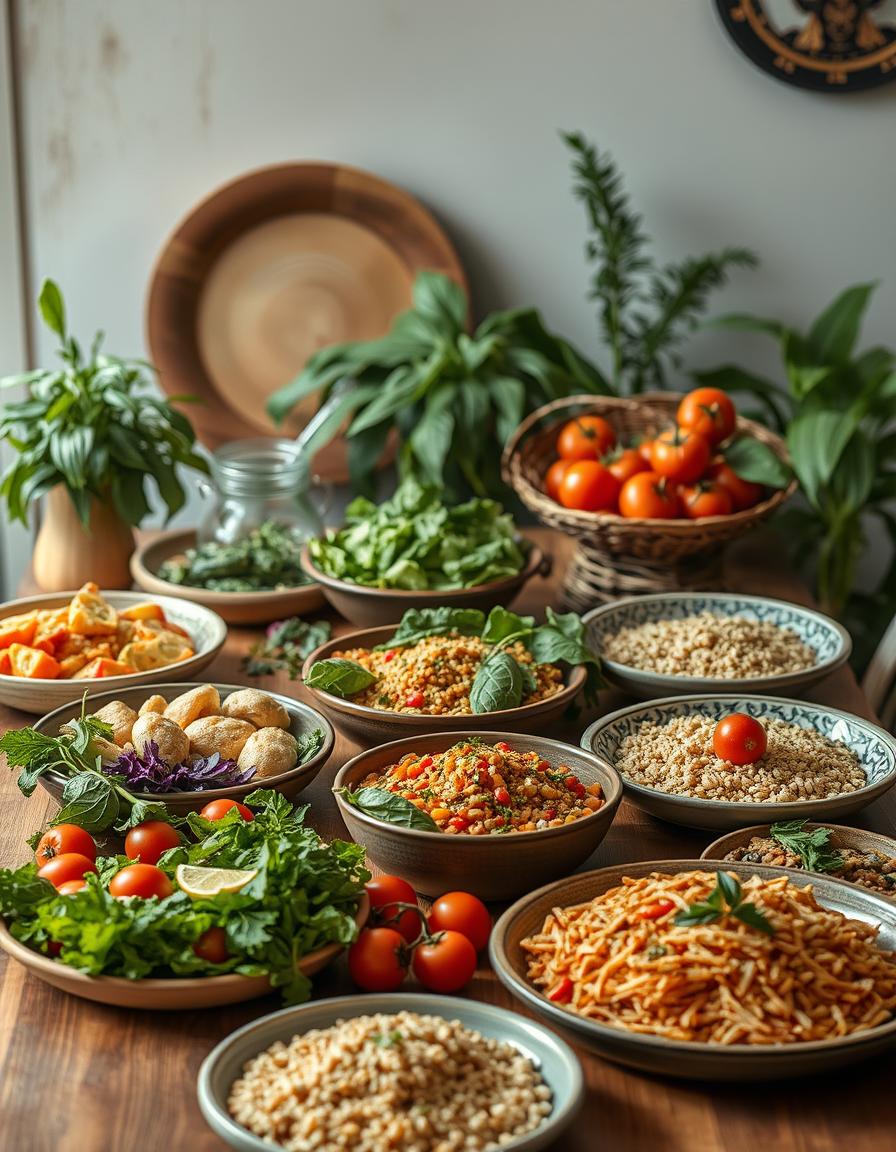

Eating healthy is something many people want to do, but finding a way that fits your lifestyle can be tricky. One popular approach that combines nutrition and variety is the pescatarian diet. By including fish and seafood while avoiding meat from land animals, this diet offers a balanced way to enjoy delicious meals full of essential nutrients. If you’re curious about how to create a balanced pescatarian diet meal plan, you’re in the right spot.
What Is a Pescatarian Diet?
A pescatarian diet focuses on eating vegetables, fruits, grains, nuts, legumes, dairy, eggs, and fish or seafood. It cuts out red meat, poultry, and sometimes pork. This way, you get protein from fish and plant sources while enjoying plenty of fiber, vitamins, and minerals. Many people choose this diet for health reasons, environmental concerns, or ethical beliefs.
The beauty of the pescatarian diet is a unique mix of nutrients from the sea and land. Fish like salmon and mackerel are packed with omega-3 fatty acids, which support brain health and reduce inflammation. Meanwhile, plants provide fiber and antioxidants to keep your body running smoothly.
Benefits of a Pescatarian Diet Meal Plan
Switching to a pescatarian lifestyle comes with several perks. Here are some of the main advantages:
- Heart health: Fish is known for its heart-friendly fats that help reduce cholesterol and blood pressure.
- Weight management: This diet tends to be lower in calories than meat-heavy ones, making it easier to maintain or lose weight.
- Environmental impact: Choosing fish and plants over red meat generally has a smaller carbon footprint.
- Variety and taste: Seafood and vegetables open up a world of flavors and textures.
Building Your Pescatarian Diet Meal Plan
When creating a plan, think of it like a colorful palette. You want a mix of proteins, carbs, and fats along with vitamins and minerals. Here’s a simple breakdown to get started:
| Food Group | Examples | Portion Ideas |
|---|---|---|
| Fish & Seafood | Salmon, tuna, shrimp, sardines, mackerel | 3–4 oz (about the size of a deck of cards) per meal |
| Vegetables | Spinach, broccoli, carrots, kale, bell peppers | 1 to 2 cups cooked or raw per meal |
| Fruits | Apples, berries, oranges, bananas | One medium fruit or 1 cup sliced |
| Grains | Brown rice, quinoa, whole wheat bread, oats | ½ to 1 cup cooked or 1 slice bread |
| Legumes & Nuts | Chickpeas, lentils, almonds, walnuts | ½ cup cooked legumes or a small handful of nuts |
| Dairy & Eggs | Cheese, yogurt, eggs | 1 cup yogurt or 1–2 eggs |
Protein Sources to Keep You Full
One of the biggest questions with any diet is where to get enough protein. Luckily, the pescatarian diet is rich in good protein. Fish, eggs, dairy, and legumes are excellent picks. For example, canned tuna is an easy option for sandwiches or salads. Lentils and chickpeas bring fiber and protein, making your meals more satisfying.
Sometimes people worry about missing out on iron or vitamin B12, but seafood and eggs cover those bases well. If you enjoy sushi or salmon, you’ll naturally get plenty of B vitamins and nutrients that support energy levels.
Don’t Forget the Fiber
Fiber is key to good digestion and can help you feel full between meals. Vegetables, fruits, whole grains, and legumes all provide fiber. A bowl of oatmeal with berries in the morning, a salad loaded with colorful veggies for lunch, and quinoa with steamed broccoli for dinner all add up to a fiber-rich day.
A quick tip: you can check out moong dal nutrition facts to see how this type of lentil can be a superb addition to your meal plan, giving you both protein and fiber in one tasty dish.
Sample Pescatarian Diet Meal Plan
Having a rough idea of meals can remove the guesswork. Here’s a simple day planned out to help you eat well and enjoy your food.
| Meal | Food Ideas | Notes |
|---|---|---|
| Breakfast | Oatmeal topped with fresh berries and a spoonful of honey; 1 boiled egg | Creates a high-fiber, protein-packed start |
| Lunch | Quinoa salad with roasted vegetables, feta cheese, and grilled shrimp | Colorful, filling, and loaded with nutrients |
| Snack | Greek yogurt with a handful of almonds | Good balance of protein and healthy fats |
| Dinner | Baked salmon with steamed broccoli and brown rice | Heart-healthy omega-3s and fiber |
| Optional | Herbal tea or a piece of fruit if hungry later | Keeps you hydrated and satisfied |
Tips to Make a Pescatarian Diet Work
- Try different fish: Not all fish taste the same, so experiment with salmon, cod, tilapia, or shellfish to find your favorites.
- Cook with herbs and spices: Adding garlic, lemon, dill, or paprika can turn a simple fish fillet into something special.
- Balance meals: Aim to include a variety of food groups on your plate to cover all nutrients.
- Keep it fresh: Use fresh or frozen veggies and fish to keep meals wholesome and convenient.
- Watch mercury levels: Choose low-mercury fish like salmon, sardines, and trout to stay safe.
Common Misconceptions About Pescatarian Eating
A lot of people think a pescatarian diet is boring or too fish-heavy. The truth? It can be fun and flavorful! You get to enjoy all the delicious options plants provide plus tasty seafood. You don’t have to eat fish every day—mix it up with bean dishes, veggie stir-fries, and egg-based meals.
Another myth is that it’s hard to get enough protein. With a pescatarian diet meal plan, protein is plentiful from seafood, legumes, eggs, and dairy. It’s all about mixing and matching for variety and taste.
Conclusion
A pescatarian diet meal plan offers an easy way to eat healthy, enjoy diverse foods, and support your well-being. By combining fish and seafood with nutrient-packed plants, you create meals that are both satisfying and nourishing. Whether you want to improve heart health, manage weight, or simply try something new, the pescatarian way offers tasty choices with plenty of benefits.
Remember to balance your meals with proteins, fiber, and healthy fats, and don’t hesitate to experiment with flavors and ingredients. With a bit of planning and creativity, sticking to a pescatarian lifestyle can feel less like a diet and more like a delicious adventure on your plate.

Timo is the founder of LiteDietPlan.com, where smart nutrition meets simple living.