Living with Hashimoto’s disease means giving extra care to your thyroid health through diet and lifestyle choices. This autoimmune condition affects how your thyroid functions, which in turn influences your energy, mood, and metabolism. One of the simplest ways to support your thyroid is by following a well-planned eating routine. A 7-day diet plan for Hashimoto’s disease can help you nourish your body with the right nutrients while avoiding foods that may cause inflammation or worsen symptoms.
Why Diet Matters for Hashimoto’s Disease
Your thyroid gland plays a key role in regulating many of your body’s functions. When you have Hashimoto’s, your immune system mistakenly attacks the thyroid, causing inflammation and reduced hormone production. This can make you feel tired, cold, gain weight, and experience brain fog. Since diet affects inflammation and hormone balance, choosing what to eat can ease these symptoms.
Eating foods that provide vitamins like selenium, zinc, and iodine helps the thyroid work better. On the other hand, some foods might trigger inflammation or interfere with thyroid medication. That’s why a 7-day diet plan for Hashimoto’s disease is a helpful tool to guide you through healthy food choices without guesswork.
Key Foods to Include and Avoid
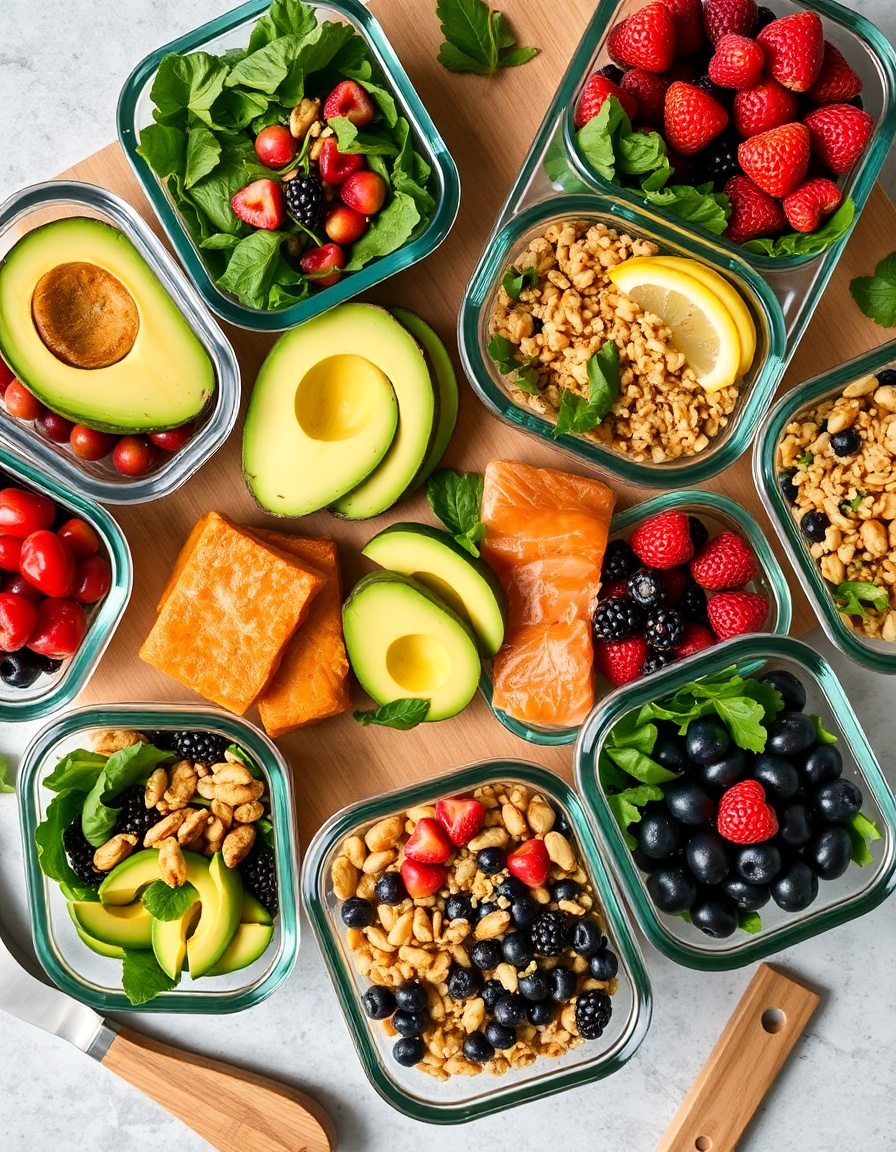
Foods to Include
- Lean proteins: Chicken, turkey, eggs, and fish provide essential amino acids.
- Fruits and vegetables: Especially leafy greens, berries, and sweet potatoes for antioxidants.
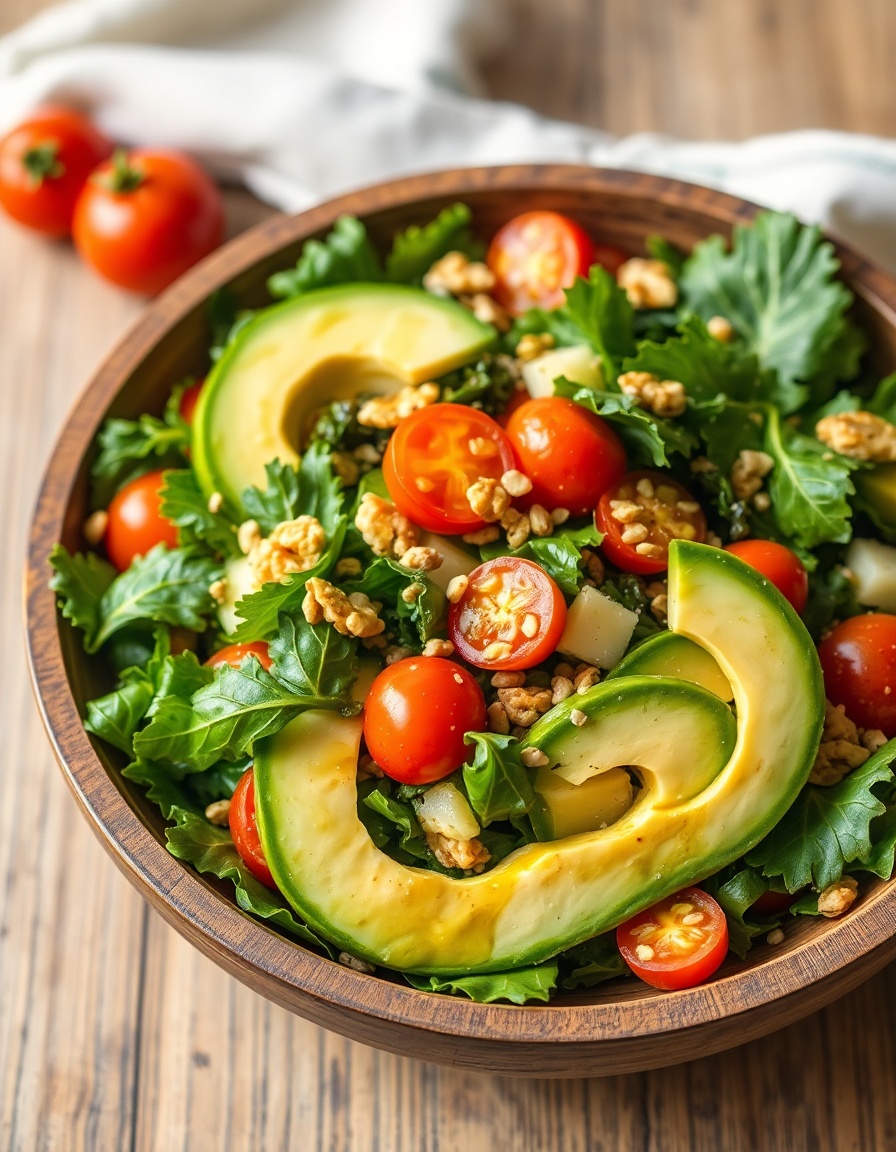
- Healthy fats: Avocado, olive oil, nuts, and seeds support hormone production.
- Gluten-free whole grains: Quinoa, brown rice, and oats are easier to digest for some with Hashimoto’s.
- Selenium-rich foods: Brazil nuts and sunflower seeds help reduce thyroid antibodies.
Foods to Avoid
- Gluten: May worsen symptoms in some individuals with autoimmune thyroid disease.
- Soy products: Can interfere with thyroid hormone absorption.
- Processed foods: High in unhealthy fats and salt, trigger inflammation.
- Cruciferous vegetables raw: Like kale and broccoli, in large amounts, can impair iodine uptake.
- Excess caffeine and sugar: Can increase anxiety and disrupt hormone balance.
Sample 7-Day Diet Plan for Hashimoto’s Disease
This plan provides balanced meals focusing on thyroid-friendly foods to keep energy steady and inflammation low. Feel free to swap items to suit your taste and lifestyle.
| Day | Breakfast | Lunch | Dinner | Snack |
|---|---|---|---|---|
| Monday | Oatmeal with blueberries and chia seeds | Grilled chicken salad with spinach and avocado | Baked salmon with quinoa and steamed carrots | Brazil nuts (3 pieces) |
| Tuesday | Scrambled eggs with sautéed kale and tomatoes | Brown rice bowl with roasted turkey and sweet potatoes | Stir-fried shrimp with bell peppers and broccoli (cooked) | Apple slices with almond butter |
| Wednesday | Smoothie with spinach, banana, and flaxseed | Quinoa salad with cucumbers, olives, and grilled chicken | Roasted pork loin with green beans and mashed cauliflower | Carrot sticks with hummus |
| Thursday | Gluten-free toast with avocado and poached eggs | Mixed greens salad with tuna and sunflower seeds | Beef stir-fry with zucchini and carrots | Handful of walnuts |
| Friday | Chia pudding topped with raspberries | Grilled chicken wrap with gluten-free tortilla and veggies | Baked cod with asparagus and brown rice | Greek yogurt with honey (if tolerated) |
| Saturday | Vegetable omelet with spinach and mushrooms | Sweet potato and black bean salad | Turkey meatballs with gluten-free pasta and tomato sauce | Mixed berries |
| Sunday | Gluten-free pancakes with pure maple syrup and strawberries | Roast beef slice salad with mixed greens and cucumbers | Grilled trout with sautéed kale and quinoa | Celery sticks with sunflower seed butter |
Wondering about how many calories are in a typical roast beef slice? Understanding your food intake can be helpful in managing weight and energy levels effectively. Check out roast beef slice calories for detailed info on this tasty protein.
Tips for Success with the 7-Day Diet Plan for Hashimoto’s Disease
- Stay consistent: Eating regularly helps regulate blood sugar and hormone levels.
- Listen to your body: Notice how foods make you feel and adjust accordingly.
- Drink plenty of water: Hydration supports metabolism and helps flush toxins.
- Limit stress: Stress can worsen inflammation, so try meditation or light exercise.
- Consult your doctor: Especially if you start new supplements or major diet changes.
Making It Fun and Manageable
Switching up your meals each week can keep things fresh and enjoyable. Try adding herbs like turmeric or ginger that may reduce inflammation while bringing flavor. You might even discover new favorite dishes! Think of this plan as a friendly guide—not a strict rule book. If you slip up, no worries; just get back on track.
Remember, small changes add up. Starting with a 7-day diet plan for Hashimoto’s disease can build momentum for longer-term health improvements. It’s like laying the foundation brick by brick.
Conclusion
Supporting your thyroid through thoughtful nutrition is a smart and natural step for anyone living with Hashimoto’s disease. A balanced and simple 7-day diet plan for Hashimoto’s disease can provide your body with the nutrients it needs while reducing inflammation and improving energy. By including nutrient-rich whole foods and avoiding triggers like gluten and processed items, you give your thyroid a better chance to heal and function well.
Remember, every person’s body responds differently, so be patient and kind with yourself as you make adjustments. Eating with intention, staying active, and seeking support can help you feel your best despite the challenges of Hashimoto’s disease. You don’t have to do it perfectly—just keep moving forward one meal at a time.

Timo is the founder of LiteDietPlan.com, where smart nutrition meets simple living.