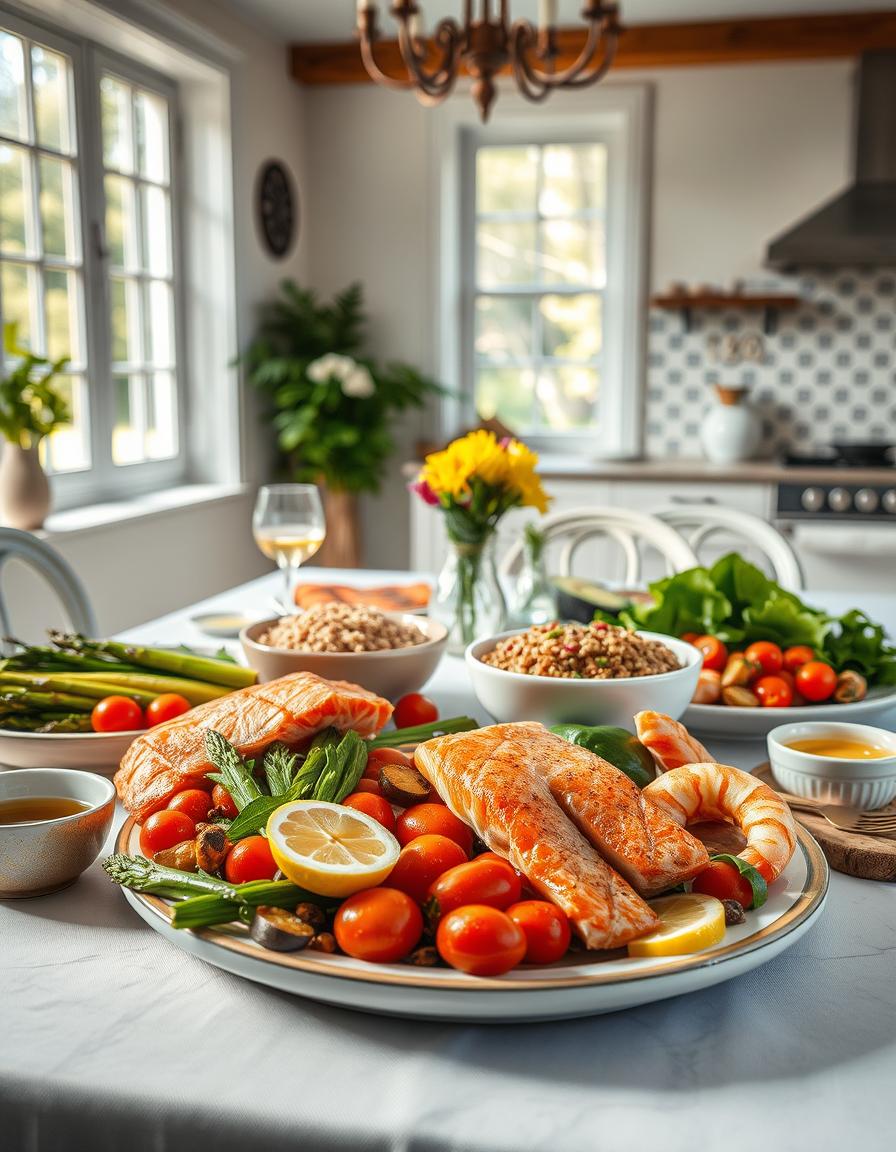
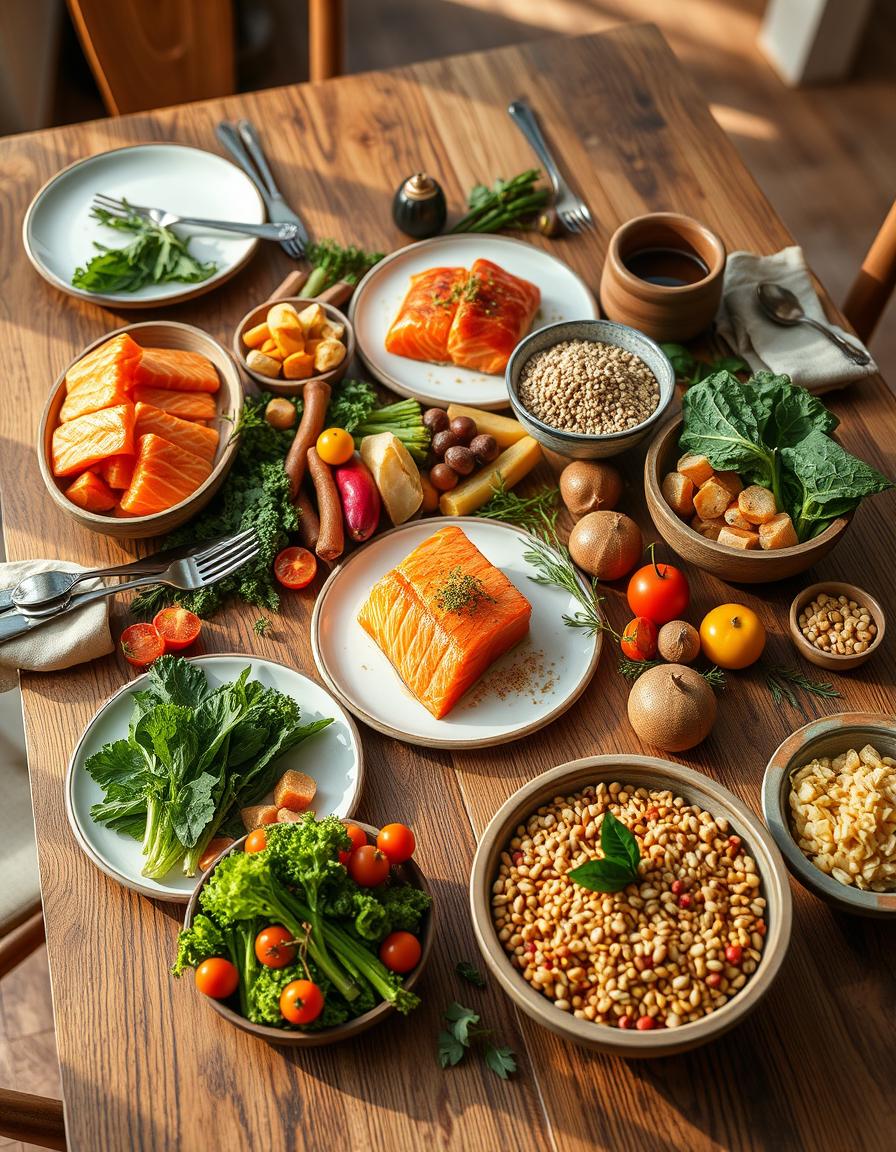
The Nordic diet is gaining popularity for good reasons—it is simple, wholesome, and packed with fresh, natural ingredients that come from the Nordic countries like Denmark, Sweden, Norway, Finland, and Iceland. Eating the Nordic way focuses on seasonal vegetables, whole grains, fatty fish, and berries, making it a sustainable and heart-friendly approach to meals. If you want to experience a fresh eating style that’s both healthy and delicious, following a Nordic diet meal plan can be a fun and tasty adventure.
What Makes the Nordic Diet Special?
The Nordic diet is often compared to the Mediterranean diet because both emphasize whole, minimally processed foods. However, the Nordic diet has a unique twist: it highlights foods that grow well in colder climates. Think root vegetables like beets and carrots, rye bread instead of wheat, and omega-3-rich fish like salmon and herring fresh from chilly northern waters.
One of my friends once joked that adopting the Nordic diet made her feel like she was eating straight from a Viking’s kitchen—simple, hearty, and surprisingly tasty! The diet focuses on what’s available locally and seasonally, which means your meals are fresh and full of flavor. Plus, it’s great for the environment and your health.
Key Components of a Nordic Diet Meal Plan
- Whole Grains: Rye, barley, oats, and whole wheat are staples that provide fiber and energy.
- Vegetables and Fruits: Lots of root vegetables, cabbage, berries, and apples mainly.
- Fatty Fish: Salmon, mackerel, herring, and other fish rich in omega-3 fatty acids.
- Legumes and Nuts: Beans, peas, and various nuts support protein intake.
- Dairy: Low-fat or fermented options like skyr and yogurt.
- Healthy Fats: Rapeseed (canola) oil is common, used instead of butter or olive oil.
A Nordic Diet Meal Plan for One Week
Planning your meals ahead can make living the Nordic way easier and more enjoyable. Below is a simple 7-day Nordic diet meal plan with breakfast, lunch, and dinner ideas to keep your palate excited and your body fueled throughout the week.
| Day | Breakfast | Lunch | Dinner |
|---|---|---|---|
| Monday | Oatmeal with blueberries and chopped almonds | Rye bread sandwich with smoked salmon, cucumber, and dill | Roasted root vegetables and baked cod with lemon |
| Tuesday | Skyr yogurt with lingonberries and a sprinkle of oats | Barley salad with roasted beets, kale, and walnuts | Grilled mackerel with steamed asparagus and boiled potatoes |
| Wednesday | Rye crackers with cheese and sliced apple | Pea soup with whole grain bread | Steamed salmon with cabbage slaw and whole-grain rice |
| Thursday | Whole grain porridge topped with raspberries and flaxseeds | Open-faced sandwich with herring salad and dill | Roasted chicken thighs with carrots and parsnips |
| Friday | Homemade muesli with oat milk and strawberries | Vegetable stew with peas, carrots, and potatoes | Baked trout with sautéed kale and quinoa |
| Saturday | Rye bread toast with avocado and chives | Salmon salad with mixed greens and mustard vinaigrette | Beef stew with root vegetables and rye bread |
| Sunday | Whole grain pancakes with lingonberry syrup | Grilled vegetable and barley bowl with herbs and lemon | Fish soup with cod, potatoes, and leeks |
Tips for Following a Nordic Diet Meal Plan
Switching to a Nordic diet isn’t about strict rules or fancy meals. Here are some down-to-earth tips to help you enjoy the process:
- Choose local and seasonal. Visit farmers’ markets or your local grocery’s produce section to pick up what’s fresh and native.
- Cook simply. Nordic meals often involve roasting, steaming, or baking without overwhelming sauces.
- Snack wisely. Avoid processed snacks and instead reach for berries, nuts, or a slice of rye bread with cheese.
- Experiment with flavors. Dill, mustard, and horseradish are Nordic kitchen staples that add a punch to meals.
- Get creative with grains. Don’t stick to just bread—try porridges, salads, and even baked goods made from rye, oats, or barley.
For those looking to manage their calorie intake while enjoying healthy and balanced meals, a 1400 calorie diet plan might pair nicely with the Nordic diet philosophy, helping you keep your energy balanced without sacrificing taste.
What to Expect When Eating the Nordic Way
At first, you might feel a bit unsure about swapping out your usual foods for rye bread or fatty fish. But many people find that after a week or two, their energy improves, digestion feels better, and they truly crave fresher, less processed foods. The Nordic diet doesn’t ask you to give up taste or satisfaction. Instead, it encourages embracing whole foods in a way that feels natural and sustainable.
My cousin once said, “I was worried I’d miss my afternoon snacks, but after switching to Nordic snacks like fresh berries and a handful of nuts, I felt more satisfied and didn’t reach for junk food.” This kind of small lifestyle shift can bring big rewards.
Conclusion
The Nordic diet meal plan is a practical and enjoyable way to nourish your body with wholesome, fresh ingredients. By focusing on local, seasonal produce, whole grains, and omega-3 rich fish, it supports not just physical health but also a connection to nature and simplicity in meals. Whether you’re a foodie looking for new tastes or someone who wants a healthier eating style, the Nordic way offers a unique mix of benefits and flavors worth trying. So, why not embrace a week of fresh, tasty Nordic meals and discover how this cold-climate cuisine can warm your heart and health?

Timo is the founder of LiteDietPlan.com, where smart nutrition meets simple living.