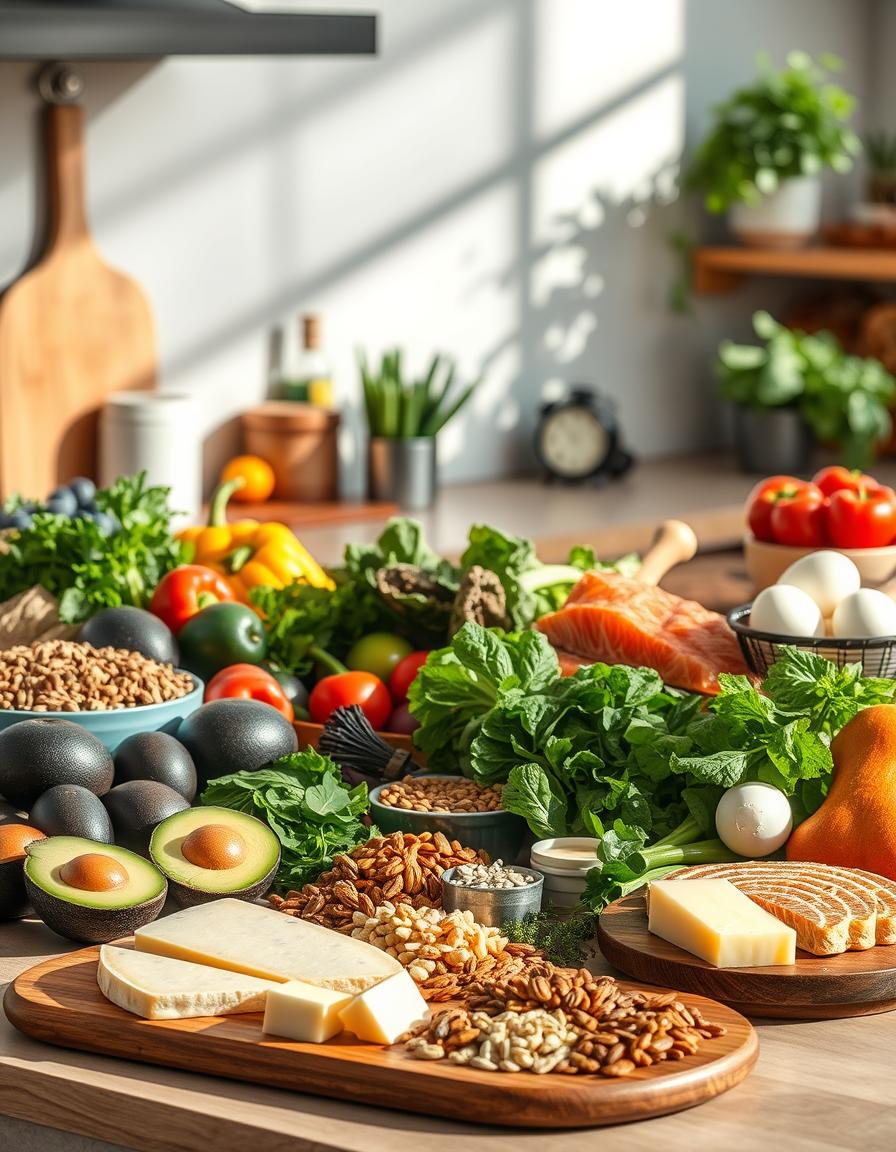
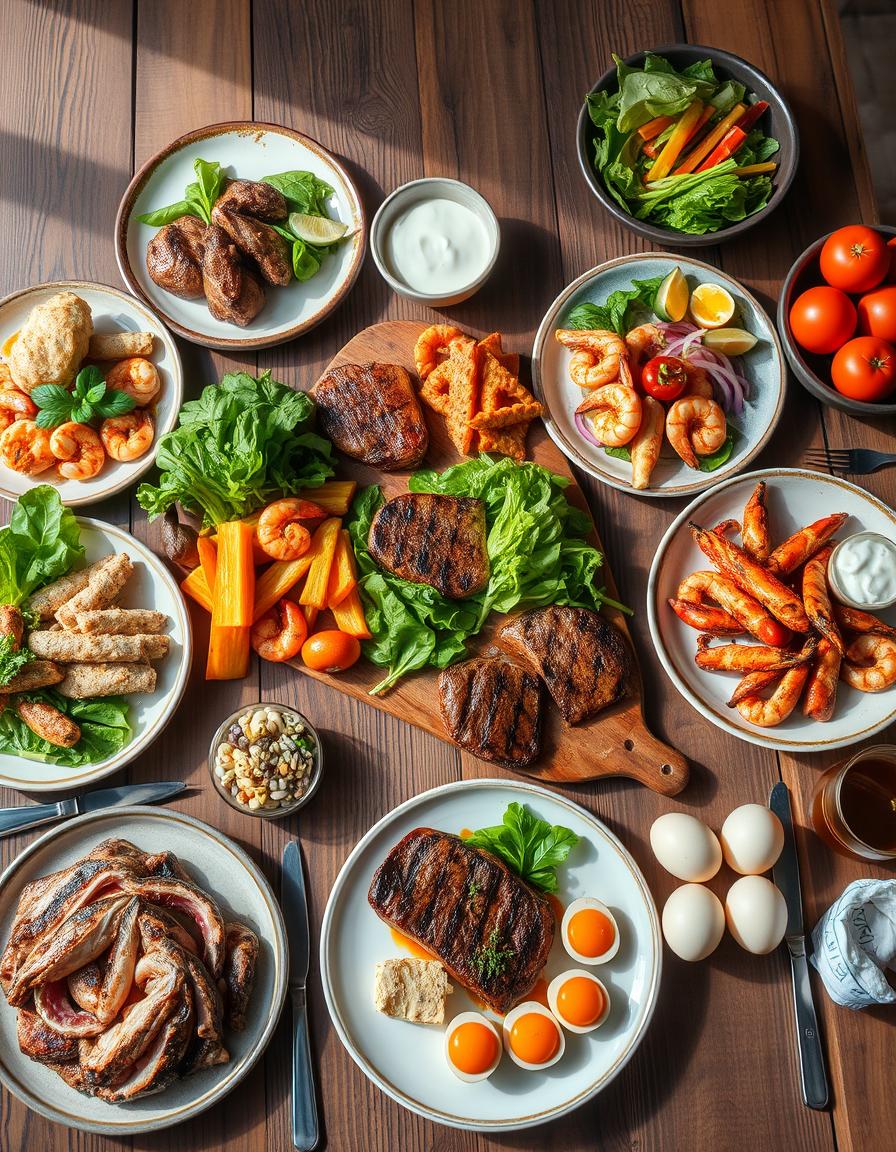
Choosing the right diet can feel like trying to solve a puzzle with pieces that don’t quite fit. But some people find their groove with an animal-based diet meal plan, focusing mostly on foods that come from animals. This approach emphasizes meats, fish, eggs, and certain dairy products, cutting down—or sometimes cutting out—plant-based foods. While it might sound restrictive, many who follow this way of eating report feeling more energized, experiencing better digestion, and enjoying simpler meal preparation. If you’re curious about how to thrive on this way of eating, here’s a friendly guide with helpful tips and ideas to get you started.
What Is an Animal-Based Diet Meal Plan?
At its core, an animal-based diet meal plan centers on consuming foods mainly sourced from animals. Think beef, chicken, pork, fish, eggs, butter, cheese, and sometimes bone broth. Vegetables, fruits, grains, and legumes are limited or avoided depending on the person’s preference.
This type of eating pattern appeals to people who prefer whole, minimally processed foods without many added carbs or sugars. The high protein and fat content can keep you feeling full for longer, which might help reduce snacking or overeating.
Key Components of the Animal-Based Diet
- Meats: Grass-fed beef, pork, lamb, organ meats like liver or heart.
- Fish and Seafood: Salmon, sardines, mackerel, shrimp, and other fatty fish.
- Eggs: Whole eggs from chickens, ducks, or quails are staples.
- Dairy: Preferably full-fat options like butter, cream, and certain cheeses.
- Animal Fats: Tallow, lard, and ghee for cooking or adding flavor.
Benefits You Might Notice
People who stick to an animal-based diet meal plan often report some interesting changes. For example, some find their skin clears up, their energy spikes, and their weight stabilizes. High-quality protein supports muscle health, while fats provide a steady energy source. It’s like fueling your body with a consistent, reliable source of power. That said, everyone’s body reacts differently, so keep an eye on how you feel and adjust accordingly.
Improved Satiety and Energy
Protein and fats digest more slowly than carbs, which means you’ll likely stay full longer. This can help prevent energy crashes or random hunger pangs that send you looking for snacks. For many, this translates to eating fewer meals while still feeling satisfied.
Potential Positive Effects on Digestion
Since this diet is low in fiber, some people with sensitive stomachs or conditions like IBS report fewer digestive troubles. However, low fiber means it’s vital to monitor your gut health and stay hydrated.
Creating a Balanced Animal-Based Diet Meal Plan
It’s easy to fall into the trap of eating the same thing every day. Variety keeps meals exciting and nutrients balanced. Here’s a simple week-long sample to inspire you.
| Day | Breakfast | Lunch | Dinner |
|---|---|---|---|
| Monday | Scrambled eggs with butter | Grilled chicken thighs and bone broth | Pan-seared salmon with a pat of butter |
| Tuesday | Fried eggs and bacon | Beef liver sautéed with onions | Roast pork shoulder |
| Wednesday | Omelette with cheese | Chicken drumsticks with homemade broth | Pan-fried mackerel |
| Thursday | Boiled eggs and buttered cheese | Ground beef patties | Slow-cooked lamb shanks |
| Friday | Eggs Benedict (hold the English muffin) | Fish stew with cream | Beef steak with melted butter |
| Saturday | Hard-boiled eggs and cheese slices | Roast chicken with bone broth | Shrimp sautéed in garlic butter |
| Sunday | Frittata with leftover meats | Pork ribs | Baked trout with lemon butter |
Tips for Success
- Buy quality meat when possible, like grass-fed or pasture-raised.
- Include organ meats once or twice a week—they’re nutrition powerhouses!
- Don’t forget hydration. Water is your friend, especially on low-fiber diets.
- Cook with animal fats such as tallow or lard for added flavor and energy.
- Listen to your body and adjust portions or food types based on how you feel.
By the way, if you enjoy exploring different diets, you might want to check out breads for mediterranean diet as a way to mix up your meal ideas on non-animal-centered days or if you decide to include some plant-based options occasionally.
Common Concerns and How to Handle Them
What About Vitamins and Fiber?
It’s true, some nutrients found mainly in plants are low in this diet, especially vitamin C and fiber. Fortunately, small amounts of certain animal foods, like liver and eggs, provide surprising amounts of micronutrients. Also, some followers allow small portions of low-plant foods or supplements to fill gaps if necessary.
Is It Sustainable?
Long-term adherence depends on personal preference and how the diet is implemented. Some people enjoy the simplicity and don’t mind the limited food variety, while others miss fruits and veggies.
How to Avoid Boredom?
Experiment with herbs, spices, and cooking methods. Slow-cooking or smoking meats can add unique tastes. Bone broths and homemade stocks create comforting, warm meals that keep the menu interesting.
Conclusion
Thriving on an animal-based diet meal plan means embracing simplicity and focusing on nutrient-dense animal foods. While it might not suit everyone, many find this way of eating rewarding for energy, satiety, and overall wellness. Variety within the animal kingdom, hydration, and paying attention to your body’s signals will help ensure a positive experience. Remember, the best diet is one that fits comfortably with your lifestyle and keeps you feeling your best.

Timo is the founder of LiteDietPlan.com, where smart nutrition meets simple living.