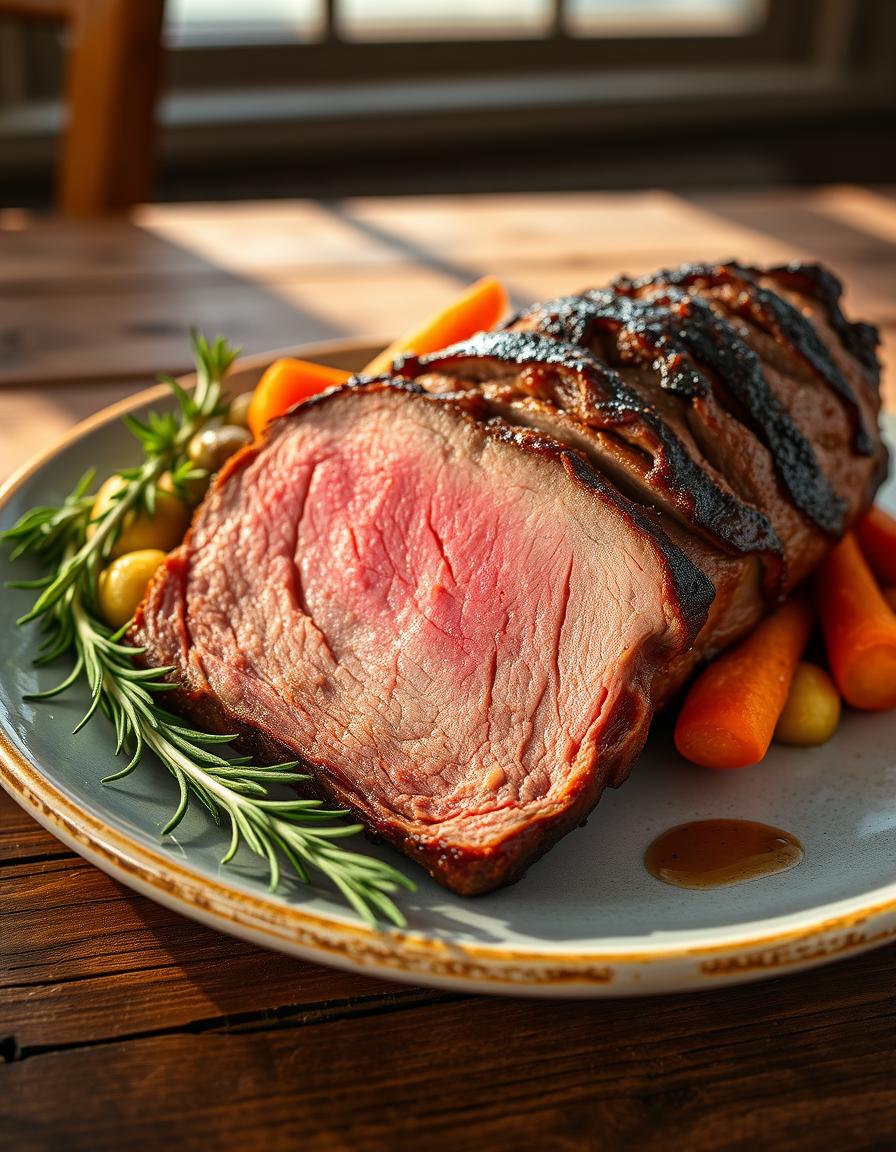
Understanding what goes into your meals can make a big difference in managing your health and diet. When it comes to roast beef, many people wonder about the calorie content of a single slice. Knowing the roast beef calories per slice can help you balance your meals without sacrificing flavor or enjoyment. Whether you’re packing a sandwich or planning a dinner, this information gives you a clearer picture of what you’re eating.
What Determines the Calories in a Slice of Roast Beef?
The calories in a slice of roast beef can vary widely based on several factors. The cut of beef, how it’s cooked, and the thickness of the slice all play a role. For example, leaner cuts like eye of round tend to have fewer calories compared to fattier cuts like brisket or rib roast. Cooking methods also matter—roasting without added fats will generally keep calories lower than frying with oil or butter.
To give you an idea, a slice that weighs about 28 grams (1 ounce) of lean roast beef typically contains around 50-70 calories. Thicker or fattier slices will push that number higher. Keep reading to understand these factors in more detail.
Different Cuts and Their Calorie Counts
Beef isn’t one-size-fits-all, and the calories in your roast beef slice depend a lot on the cut. Here’s a quick look at some common cuts used for roasting and how many calories you might expect per slice.
| Cut of Roast Beef | Calories Per Slice (Approx. 1 oz / 28g) | Characteristics |
|---|---|---|
| Eye of Round | 50-55 | Very lean, low fat |
| Top Sirloin | 60-65 | Moderate fat, flavorful |
| Chuck Roast | 70-80 | More marbling, tender |
| Rib Roast | 80-90 | Higher fat, juicy |
You can see from the table that different cuts impact the roast beef calories per slice. If you want fewer calories, stick to the leaner cuts like eye of round or top sirloin. If taste and texture are your priority, chuck or rib cuts are great but come with extra calories.
How Cooking Affects Roast Beef Calories
Cooking changes everything, and roast beef is no exception. When you roast beef, some fat renders out, which might lower the calorie content slightly. However, some cooking methods add calories—think basting with butter, oil, or using high-calorie sauces.
For example, pan-frying a slice of roast beef with oil can add up to 50 extra calories per piece. Slow roasting with minimal added fat keeps calories closer to the raw meat’s original value. Grilling or broiling is also a good way to reduce fat content, especially if the fat drips away during cooking.
Tips to Keep Roast Beef Calories Lower
- Choose lean cuts like eye of round or top sirloin.
- Trim visible fat before cooking.
- Avoid adding butter or oil when roasting; use cooking spray or broth instead.
- Serve with low-calorie sides such as steamed vegetables or salads.
- Limit calorie-heavy sauces and dressings.
Serving Size Matters: How Big Is Your Slice?
One of the most overlooked factors is the size of the slice. A thin slice might weigh only 20 grams and have around 40 calories, while a thick slab could reach 60 grams and top 130 calories. When someone asks about roast beef calories per slice, it’s essential to consider slice thickness and weight.
At a deli or home-cooked meal, the size isn’t always precise. Using a kitchen scale or referencing package nutrition labels can help you get a more accurate estimate.
Estimating Calories by Portion
| Slice Weight (grams) | Approximate Calories |
|---|---|
| 20g (thin slice) | ~40 |
| 28g (standard slice) | 50-70 |
| 50g (thicker slice) | 90-120 |
| 70g (large slice) | 120-160 |
Nutrition Beyond Calories
Roast beef is more than just a calorie count. It’s a good source of protein, vitamins, and minerals. For example, beef provides iron, zinc, and B vitamins which play important roles in energy and immune health. So, while keeping an eye on roast beef calories per slice, don’t forget to appreciate its nutritional benefits.
If you want detailed numbers, checking out beef chuck nutrition can give you unique insights into the protein and fat content of this particular cut.
Incorporating Roast Beef Into a Balanced Diet
Eating roast beef can fit nicely into a healthy eating plan. Moderation is key. Pairing it with whole grains, fresh vegetables, and healthy fats helps create a well-rounded meal. For those watching calories, counting roast beef calories per slice helps keep portions sensible without missing out on flavor or nutrients.
For example, a roast beef sandwich with two slices (about 56g total) might have between 100 and 140 calories from the beef alone. Add bread, cheese, and toppings, and the calories add up quickly. Being mindful of slice size and toppings can keep your meal satisfying yet calorie-friendly.
Common Questions About Roast Beef Calories
Does roast beef have fewer calories than other deli meats?
Generally, yes. Roast beef tends to be leaner with fewer added sugars or fillers than some deli meats like salami or bologna, which can have more fat and preservatives.
Is lean roast beef better for weight loss?
Choosing lean cuts means you get high protein with fewer calories and less fat, which can help with weight loss and muscle maintenance.
How do calories differ between homemade and store-bought roast beef?
Store-bought versions might contain added sodium, flavorings, or fillers that add a small number of calories. Homemade roast beef gives you control over ingredients.
Conclusion
Knowing the roast beef calories per slice is a handy tool for anyone who enjoys this tasty protein. Factors like cut, cooking method, and slice size all influence the calorie count. Opting for lean cuts and controlling portion sizes can help you enjoy roast beef as part of a balanced, satisfying diet. While calories matter, remember that roast beef also offers important nutrients that support your health. So, whether in sandwiches or dinners, roast beef can be a delicious and nutritious choice worth savoring without guilt.

Timo is the founder of LiteDietPlan.com, where smart nutrition meets simple living.