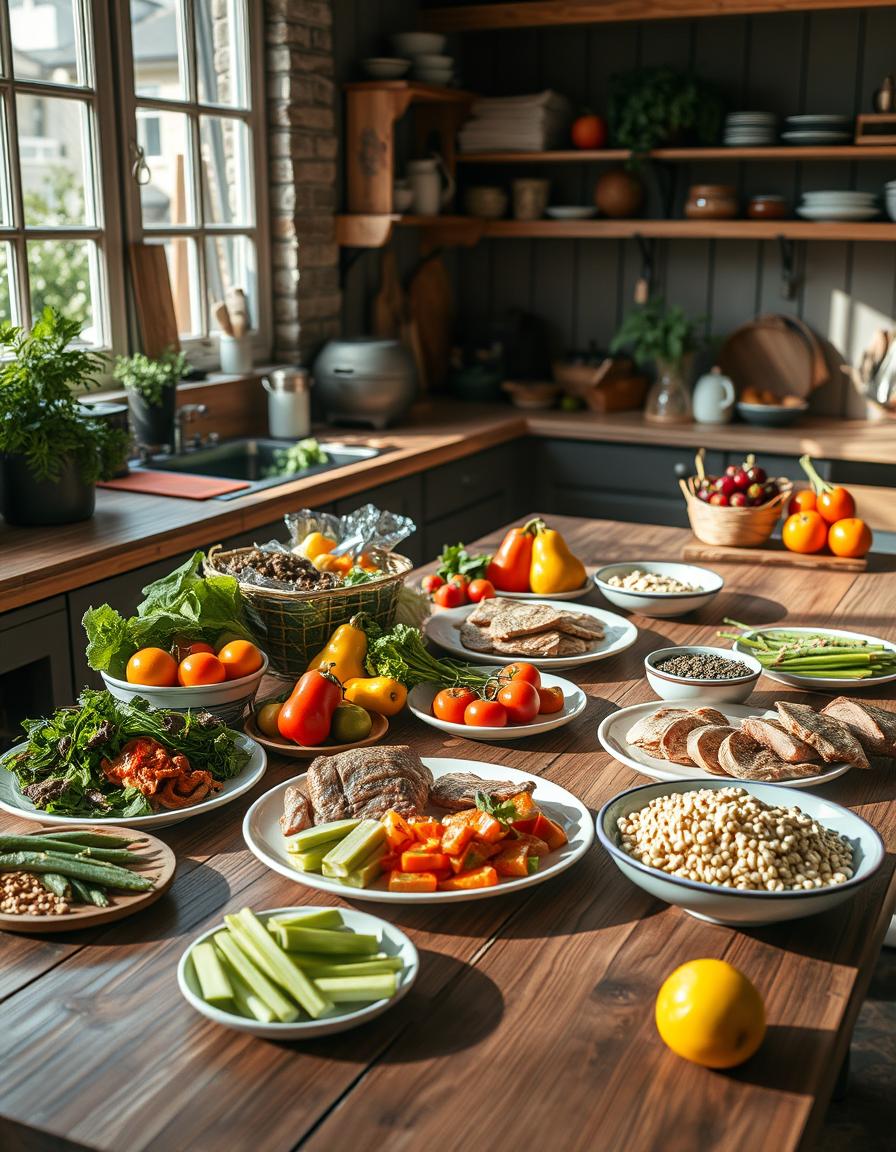
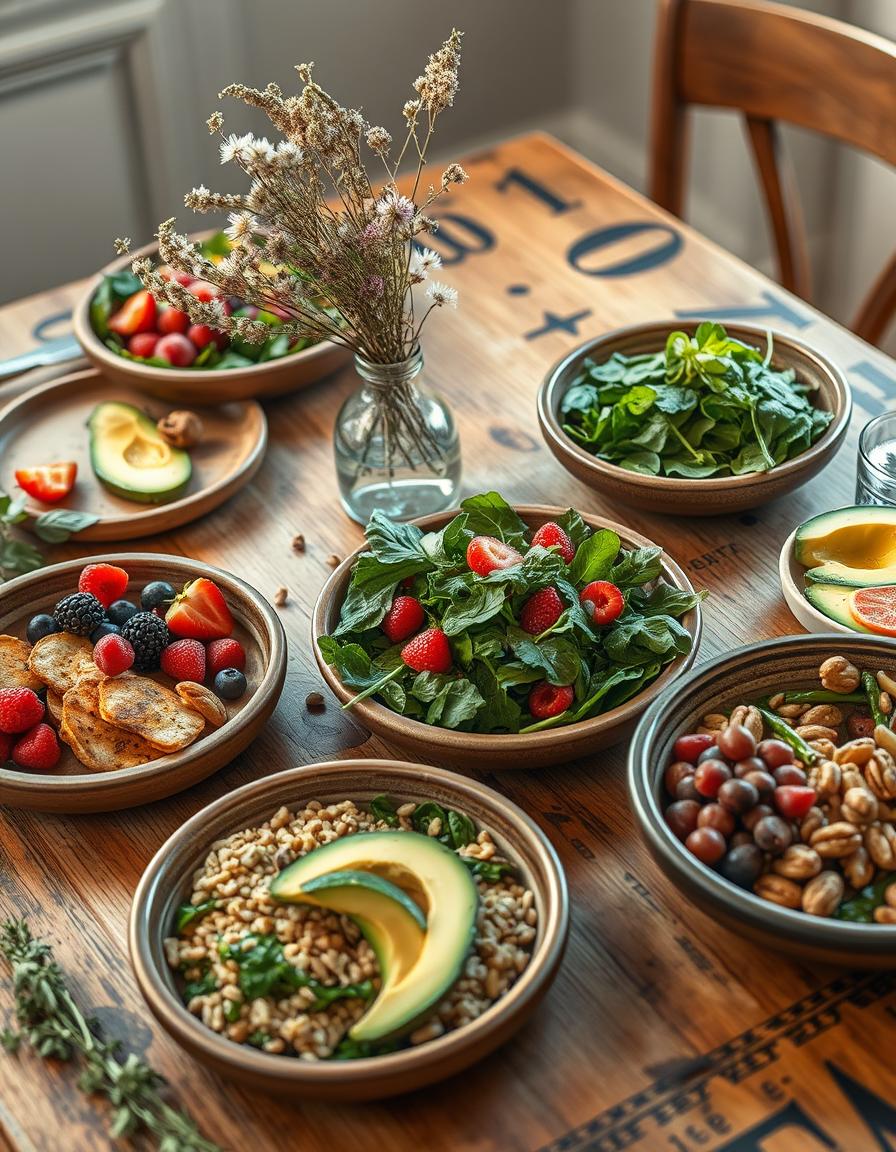
Eating well can be a powerful way to heal your body and feel better every day. Inflammation, a natural response to injury or infection, can sometimes stick around longer than it should, causing pain and discomfort. That’s where an anti-inflammatory diet shines. Following a 21-day anti-inflammatory diet plan helps reset your body by focusing on foods that reduce inflammation, improve digestion, and boost your overall health. This approach isn’t about strict dieting or giving up tasty meals; it’s about making smart, enjoyable food choices that bring vitality and ease to your life.
What Is an Anti-Inflammatory Diet?
An anti-inflammatory diet is a way of eating that emphasizes foods known to lower inflammation in the body. Think of inflammation as a slow-burning fire inside you. Sometimes that fire gets out of control and irritates your joints, skin, or organs. By eating the right foods, you can help cool that fire down.
This type of diet encourages fresh veggies, fruits, whole grains, lean proteins, and healthy fats like olive oil and nuts. At the same time, it limits processed foods, sugar, and unhealthy fats, which can fan the flames of inflammation.
Benefits of Following a 21-Day Anti-Inflammatory Diet Plan
- Reduced joint pain: Many people notice less stiffness and swelling.
- Improved digestion: Easier bowel movements and less bloating.
- More energy: Feeling less tired as inflammation decreases.
- Stronger immune system: Your body can fight off illnesses better.
- Clearer skin: Inflammation is often linked to acne and redness.
Give your body 21 days to adapt and heal, and you might be surprised at the results!
Key Foods to Include in Your 21-Day Anti-Inflammatory Diet Plan
Eating right doesn’t have to be boring or complicated. Here’s a quick guide to what to load up on and what to avoid during your 21-day journey.
| Include | Avoid |
|---|---|
| Leafy greens (spinach, kale) | Processed snacks and chips |
| Fatty fish (salmon, mackerel) | Sugary drinks and desserts |
| Whole grains (quinoa, brown rice) | Refined grains (white bread, pastries) |
| Nuts and seeds (walnuts, flaxseeds) | Fried foods |
| Olive oil and avocado | Red and processed meats |
| Fresh fruits (blueberries, cherries) | Excess alcohol |
Delicious Meal Ideas to Keep It Fun
Here are some easy dishes that fit perfectly into the 21-day anti-inflammatory diet plan without sacrificing taste:
- Breakfast: Oatmeal topped with blueberries, walnuts, and a drizzle of honey.
- Lunch: Quinoa salad with spinach, chickpeas, cucumber, cherry tomatoes, and olive oil dressing.
- Dinner: Grilled salmon with steamed broccoli and brown rice.
- Snack: Apple slices with almond butter or a handful of mixed nuts.
Tips for Success on the 21-Day Anti-Inflammatory Diet Plan
Changing eating habits can be tricky, but these tips help keep you on track and feeling great:
- Plan ahead: Prepare meals in advance to avoid reaching for unhealthy options.
- Stay hydrated: Drinking plenty of water is essential for flushing out toxins.
- Listen to your body: Notice how different foods make you feel, and adjust accordingly.
- Don’t be too hard on yourself: If you slip up, no worries. Just get back on track with your next meal.
- Involve others: Sharing the journey with family or friends can make it more enjoyable and motivating.
By giving your body the utmost care through this plan, you’ll develop habits that last well beyond 21 days.
Understanding Inflammation and Its Effects
Picture inflammation like an emergency alert from your body. When you get hurt or sick, your body sends out cells to fix the problem. That’s good inflammation. But when that alert stays on too long, it starts causing damage instead of helping.
This can lead to chronic health issues like heart disease, arthritis, and even mood problems. The 21-day anti-inflammatory diet plan focuses on calming this never-ending alarm clock inside you.
Common Foods That Can Cause Sneaky Inflammation
Many of us eat these without realizing they might be adding fuel to inflammation:
- Soda and sugary beverages
- Highly processed meats like sausages and cold cuts
- Fast foods loaded with unhealthy fats
- White bread and pastries
Cutting back on these foods while embracing anti-inflammatory choices can be a game-changer.
Exercise and Lifestyle – Partners in Healing
A healthy diet is powerful, but pairing it with movement and good habits supercharges your healing. Light exercise like walking, yoga, or swimming helps reduce inflammation by improving circulation and lowering stress hormones.
Also, getting enough sleep each night ensures your body has time to repair itself. Chronic stress can spike inflammation, so practices like meditation or deep breathing are worth trying.
Simple Daily Routine Example
| Time | Activity |
|---|---|
| Morning | Light stretching and a 20-minute walk |
| Midday | Healthy lunch from your 21-day anti-inflammatory diet plan |
| Evening | Meditation or reading to reduce stress before bed |
Consistency is key. Small changes every day build a solid foundation for feeling fantastic.
By the way, if you ever wonder about the nutritional content of tempting desserts, check out this interesting resource on macaron nutrition. It’s quite surprising how much sugar and fat those little treats pack!
Conclusion
Following a 21-day anti-inflammatory diet plan offers a straightforward, natural path to healing your body. By focusing on fresh, wholesome foods and cutting out those that fuel inflammation, you give your body a chance to calm down, repair itself, and thrive. Add in light exercise, good sleep, and stress-relief, and you’re setting yourself up for lasting health benefits.
This plan doesn’t demand perfection or sacrifice of flavor. It’s about making unique, nourishing choices that feel good—not just now, but for the long haul. Remember, your body is your home; treat it well, and it will reward you every step of the way.

Timo is the founder of LiteDietPlan.com, where smart nutrition meets simple living.