
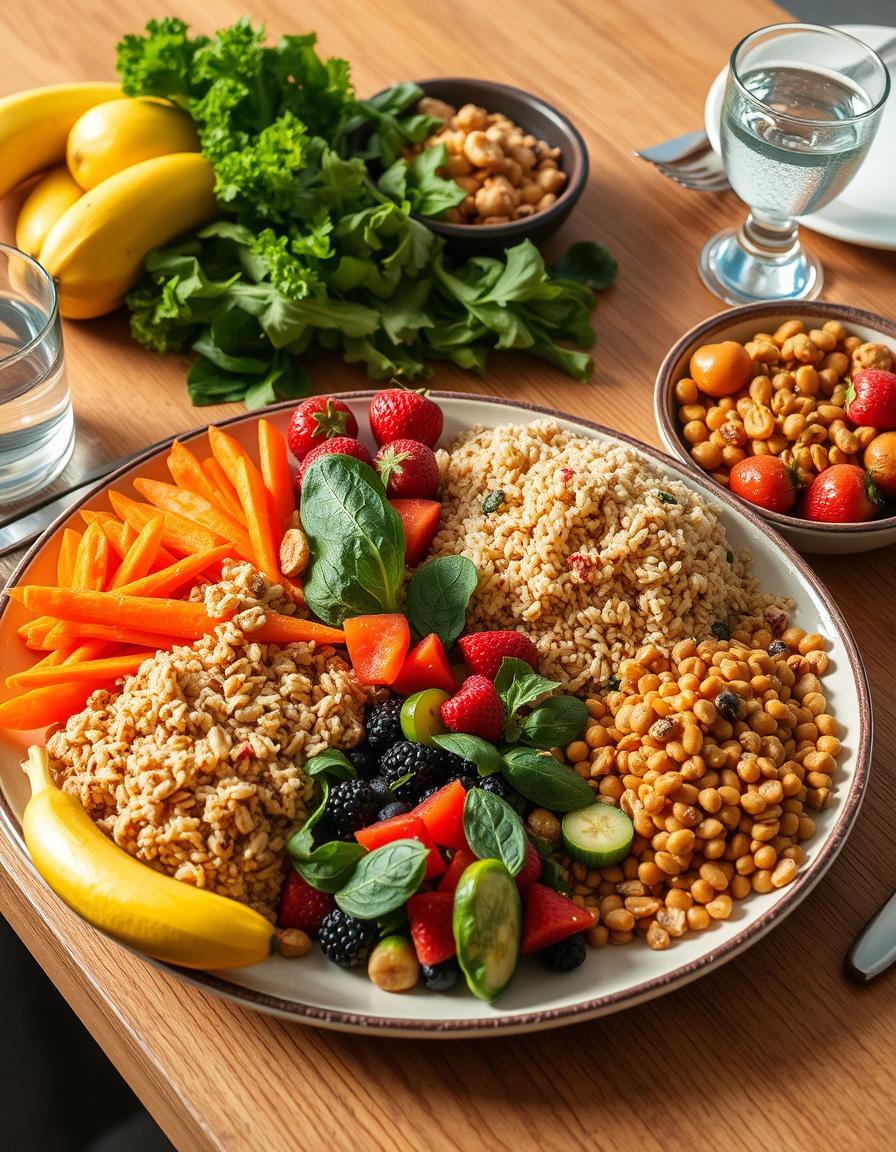
Eating smart with diverticulosis means paying close attention to what you put on your plate every day. Diverticulosis is a condition where small pouches form in the walls of your colon, and while many people with it don’t have symptoms, certain foods can affect how comfortable you feel. A well-planned diverticulosis diet plan can help keep your symptoms in check and promote overall digestive health. Let’s take a closer look at how to eat wisely while living with this condition.
Understanding Diverticulosis and Diet
Diverticulosis happens when small bulges, called diverticula, develop in the colon. These pouches usually don’t cause problems until they become inflamed or infected, a condition known as diverticulitis. Diet plays a big role in managing diverticulosis because what you eat affects your bowel movements and colon health.
Many people might think spicy or fatty foods are the main culprits, but fiber is really the star of the show. A diverticulosis diet plan focuses heavily on getting enough fiber to keep things moving smoothly and prevent pressure build-up in the colon.
Why Fiber Is Your Friend
Fiber helps soften stool and makes it easier to pass, which reduces strain on the colon walls where diverticula form. Without enough fiber, stool can become hard and cause constipation, increasing pressure that might worsen diverticulosis.
There are two types of fiber: soluble and insoluble. Soluble fiber dissolves in water and forms a gel-like substance which helps regulate blood sugar and cholesterol. Insoluble fiber adds bulk to stool and speeds up the passage of waste through the gut.
To get the best benefits, it’s good to include both types in your daily meals.
Building a Diverticulosis Diet Plan
It’s simpler than you might expect to create a diverticulosis-friendly eating routine. The key is to include a variety of fiber-rich foods and stay hydrated.
Foods to Embrace
- Whole Grains: Brown rice, oats, barley, and whole wheat bread or pasta.
- Fresh Fruits: Apples, pears, berries, and bananas (peeled if you need to be gentle on your digestive system).
- Vegetables: Carrots, broccoli, spinach, and squash are excellent choices.
- Legumes: Lentils, chickpeas, and black beans provide fiber and protein.
- Nuts and Seeds: Almonds, flaxseeds, and chia seeds are good in moderation.
Foods to Limit or Avoid
- Low-fiber processed foods: White bread, pastries, and chips can slow digestion.
- Red and processed meats: These may increase inflammation in some people.
- High-fat and fried foods: They can cause discomfort and sluggish digestion.
- Certain seeds and nuts: While healthy, some individuals may find small seeds irritating; if symptoms flare, try avoiding tomato seeds or popcorn.
Hydration Matters
Drinking plenty of water is crucial when increasing fiber intake. Fiber works best with fluid, helping to soften stool and prevent constipation. Aim for at least 8 glasses a day, but more if you are physically active.
Sample Daily Diverticulosis Diet Plan
| Meal | Foods |
|---|---|
| Breakfast | Oatmeal topped with sliced bananas and a handful of flaxseeds |
| Snack | Apple slices with almond butter |
| Lunch | Quinoa salad with chickpeas, cucumber, tomato (seeds removed if sensitive), and spinach |
| Snack | Carrot sticks and hummus |
| Dinner | Baked salmon, steamed broccoli, and brown rice |
Here’s a little insider tip: including colorful vegetables not only adds flavor and crunch but also provides extra nutrients your colon will appreciate. Also, exploring different whole grains keeps meals interesting.
Incorporating Healthy Spices and Condiments
Many people believe spices should be off-limits, but that isn’t necessarily true. Mild herbs like basil, oregano, or parsley can add flavor without causing irritation. If you’re curious about spicy foods, try small amounts and see how your body reacts. For a boost of vitamins and a little zing, explore the benefits of banana pepper nutrition. These peppers bring flavor and nutrients without a lot of heat, making them a great addition to your dishes.
Tips for Success with Your Diverticulosis Diet Plan
- Introduce fiber gradually: Sudden increases can cause gas or bloating, so add fiber-rich foods slowly.
- Chew food thoroughly: It helps your digestive system work better and reduces bowel discomfort.
- Stay consistent: Eating fiber daily is more effective than occasional binges.
- Listen to your body: Everyone’s reaction to foods can differ, so keep a food diary to track what suits you best.
- Exercise regularly: Moving around helps digestion and bowel movements, supporting your diet plan.
Common Myths about Diverticulosis Diets
One popular myth is that you must avoid nuts, seeds, and popcorn completely. Recent studies show these foods don’t cause diverticulitis flare-ups for most people. Rather than avoiding them outright, observe how your body responds and adjust accordingly.
Another misconception is that a diverticulosis diet plan means boring, bland food. On the contrary, fiber-rich foods like fruits, veggies, and whole grains can be tasty and diverse, especially with a splash of herbs and spices.
When to Seek Medical Advice
If you notice symptoms like sharp abdominal pain, fever, or blood in your stool, it’s important to see a healthcare professional. These could signal diverticulitis or other conditions needing attention. Your doctor may recommend temporary changes to your diet or medications during these times.
Conclusion
Eating smart with diverticulosis is about balance and paying attention to your digestive needs. A diverticulosis diet plan focused on fiber-rich foods, plenty of fluids, and gentle seasonings can help keep symptoms at bay and support colon health. Remember that small, consistent changes make a big difference over time. With a bit of trial and error, you can enjoy a varied and satisfying diet that treats your colon kindly and keeps you feeling your best.

Timo is the founder of LiteDietPlan.com, where smart nutrition meets simple living.