Eating well during breast cancer treatment can feel like a puzzle. Your body needs extra care, but cravings, side effects, and fatigue might make healthy eating a challenge. A gentle approach to nutrition helps support recovery and comfort without overwhelming your senses or energy. By thinking about food as a friend—not a foe—you can find a breast cancer diet plan that feels right for you and your lifestyle.
What Is Gentle Nutrition?
Gentle nutrition means choosing foods that nourish your body and soothe your spirit without strict rules. It focuses on balance and kindness to yourself rather than rigidity. This idea is especially helpful for breast cancer patients, who often face ups and downs in appetite and energy. Instead of stressing over “perfect” meals, gentle nutrition encourages small, manageable steps.
Why It Matters for Breast Cancer Patients
Treatment side effects like nausea, mouth sores, or changes in taste can make eating difficult. Gentle nutrition recognizes these issues and adapts. For example, soft foods might replace crunchy ones if your mouth feels sore. Mild, familiar flavors often work better during sensitive times. The goal is to maintain strength and keep your immune system supported without pressure.
Key Components of a Breast Cancer Diet Plan
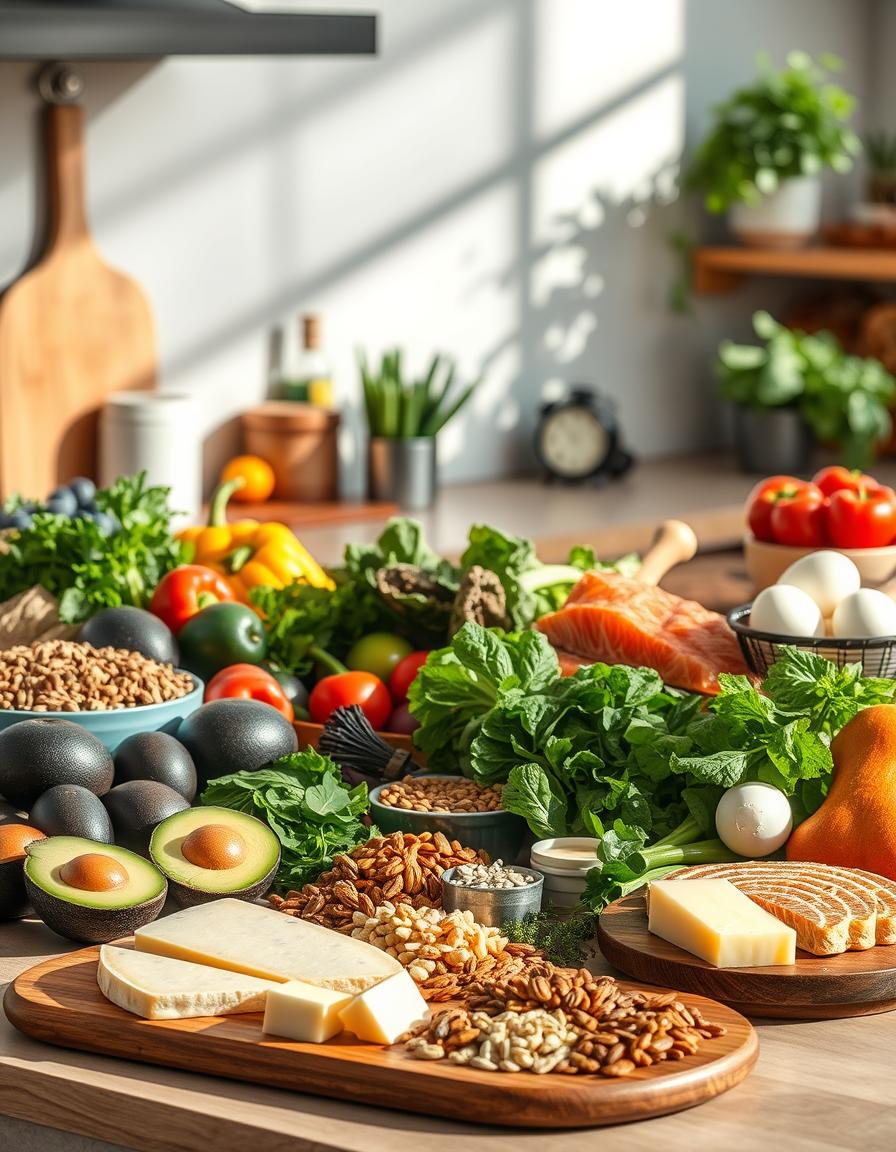
A good breast cancer diet plan includes a variety of nutrients, but it doesn’t have to be complicated. Here are some main elements to keep in mind:
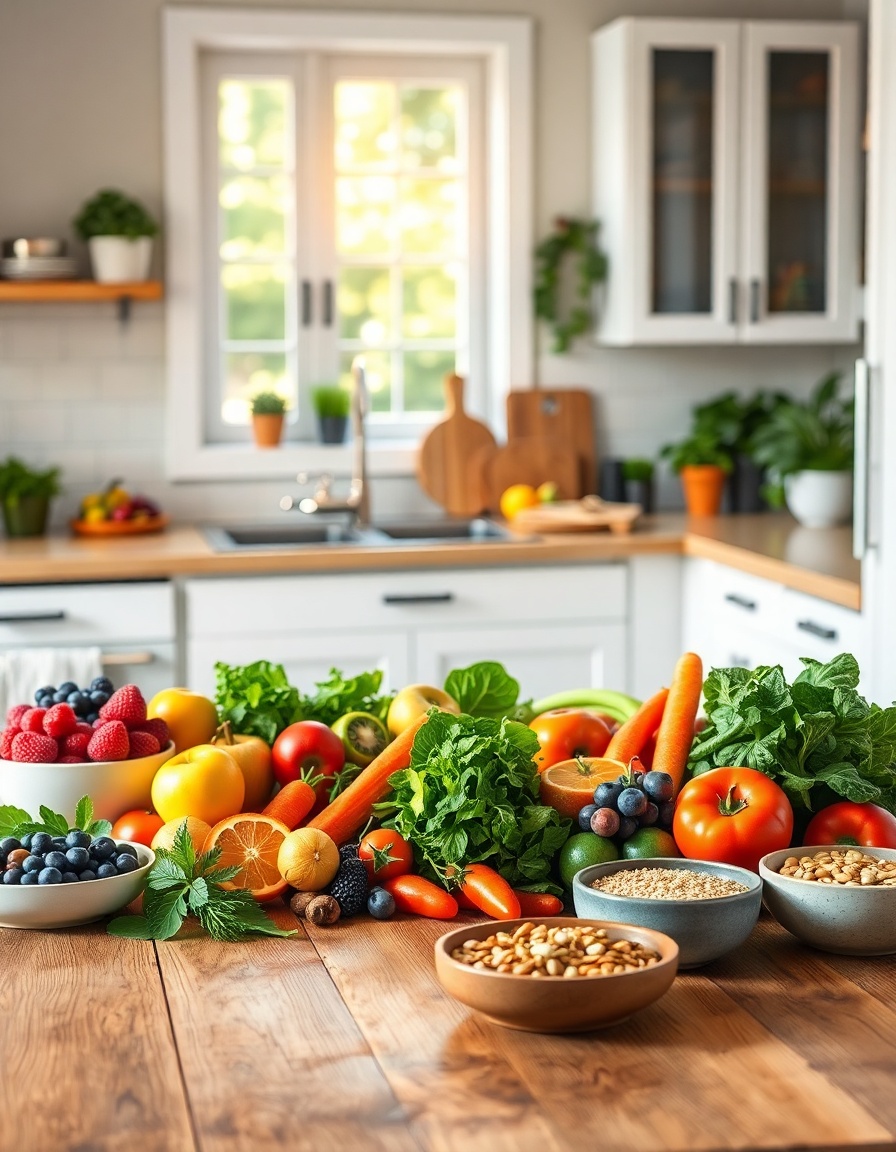
- Fruits and Vegetables: Aim for colorful choices, as they provide antioxidants and vitamins.
- Protein: Important for repair and energy—think lean meats, fish, beans, or nuts.
- Whole Grains: Brown rice, whole wheat, and oats add fiber that helps with digestion.
- Healthy Fats: Sources like olive oil, avocado, and nuts can reduce inflammation.
- Hydration: Drink plenty of water and soothing herbal teas to stay hydrated.
Foods to Include and Avoid
Some foods offer more benefits during treatment, while others might be best limited. Here’s a quick look:
| Include | Avoid or Limit |
|---|---|
| Leafy Greens (spinach, kale) | Processed meats high in preservatives |
| Fresh berries and citrus fruits | High-sugar snacks and candies |
| Salmon and other fatty fish | Excessive salty foods |
| Legumes and beans | Fried or greasy foods |
Your taste buds may fluctuate, so adjust according to what feels best at the moment.
Practical Tips for Following a Breast Cancer Diet Plan
1. Listen to Your Body
If spinach makes your mouth tingle, try cooked carrots instead. Food is meant to comfort, not to add stress. Keeping a food journal can help track what works and what doesn’t.
2. Small, Frequent Meals
Eating smaller amounts regularly can help maintain energy and prevent nausea. Snacks like yogurt, nuts, or fruit chunks are great between meals.
3. Experiment with Texture and Temperature
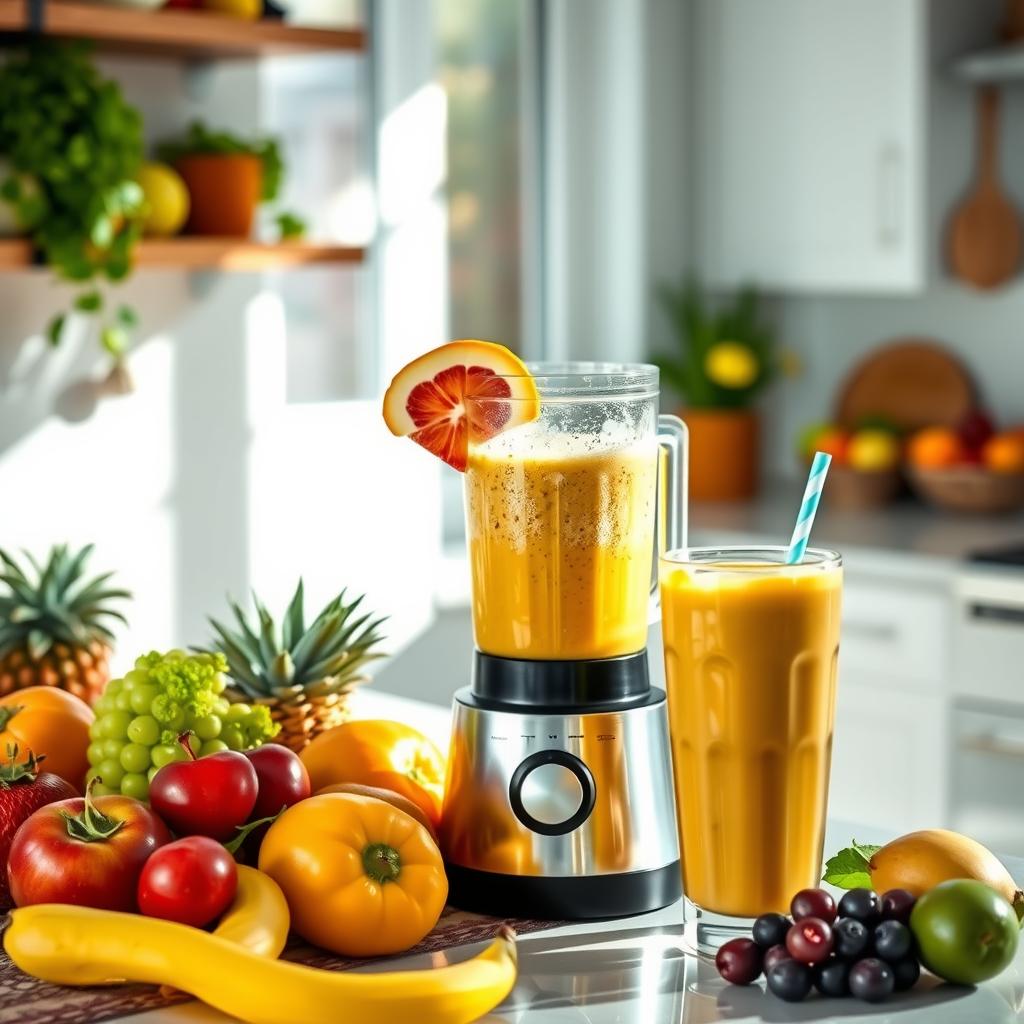
Some days, warm foods soothe; other days, cold items like smoothies or chilled fruit are more pleasant. Soft foods can ease chewing and swallowing.
4. Incorporate Familiar Favorites
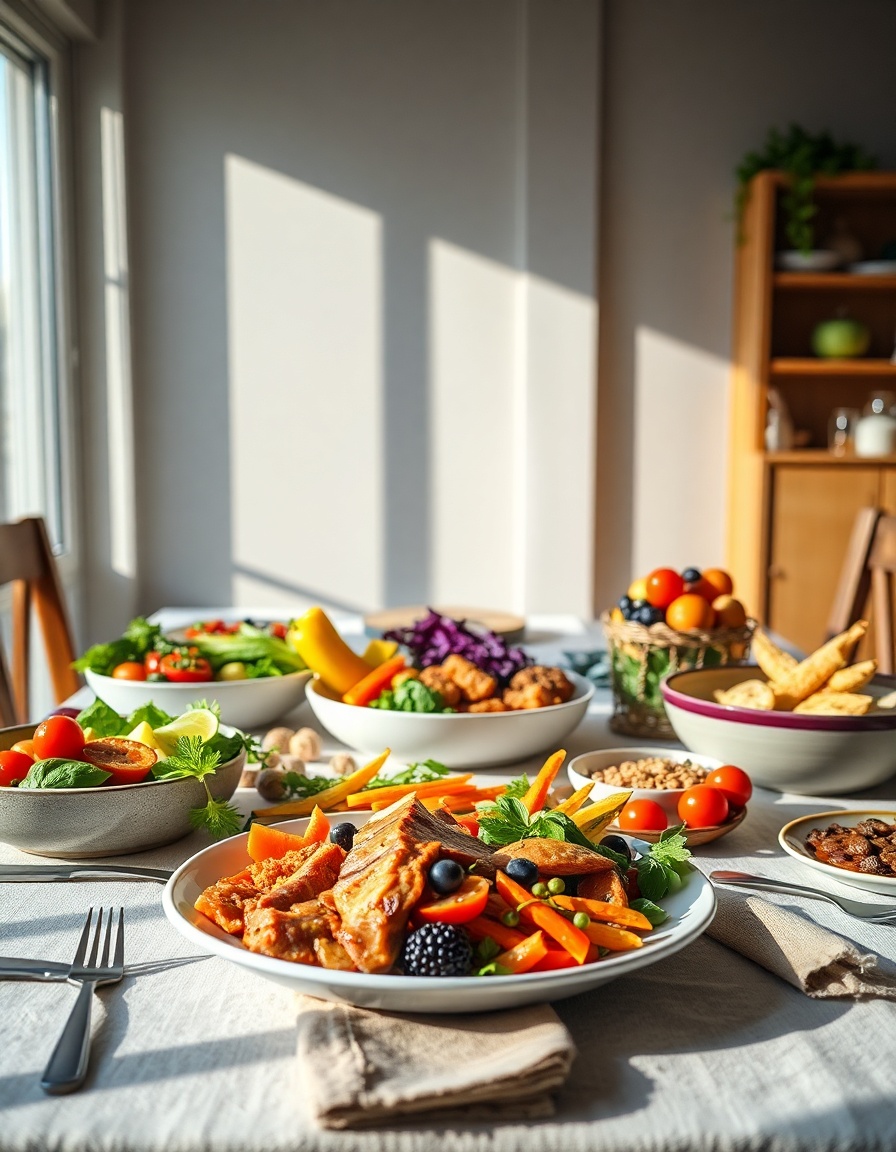
Food connects us to happy memories. Including comforting dishes can lift spirits. For instance, a well-prepared low salt corned beef brisket might be a savory treat that fits neatly into your diet plan.
Sample One-Day Breast Cancer Diet Plan
| Meal | Foods | Benefits |
|---|---|---|
| Breakfast | Oatmeal with fresh berries and a drizzle of honey | Fiber and antioxidants to start the day gently |
| Snack | Greek yogurt with sliced almonds | Protein and healthy fats for sustained energy |
| Lunch | Grilled chicken salad with mixed greens, avocado, and olive oil dressing | Lean protein and anti-inflammatory fats |
| Snack | Apple slices with natural peanut butter | Fiber and protein to curb hunger |
| Dinner | Baked salmon, quinoa, and steamed broccoli | Omega-3 fatty acids and essential nutrients for repair |
Common Questions About Breast Cancer Diet Plans
Can diet alone cure breast cancer? Eating well supports your body but can’t replace medical treatment. Nutrition is part of a bigger picture that includes medications and therapies.
Are supplements necessary? Sometimes, but it’s best to talk with your healthcare provider before starting any supplements to avoid interactions.
What if I lose my appetite? Focus on small meals and nutrient-rich drinks like smoothies. Sometimes nutrition shakes can help fill gaps.
Conclusion
Creating a gentle nutrition plan during breast cancer treatment means tuning into your body’s needs and honoring how you feel. A breast cancer diet plan doesn’t have to be perfect, just thoughtful and flexible. Including a rainbow of foods, staying hydrated, and adjusting to changes can keep you nourished and supported. Remember, food is meant to nurture and comfort as you heal. Take it easy, and be kind to yourself—your body will thank you for it.

Timo is the founder of LiteDietPlan.com, where smart nutrition meets simple living.