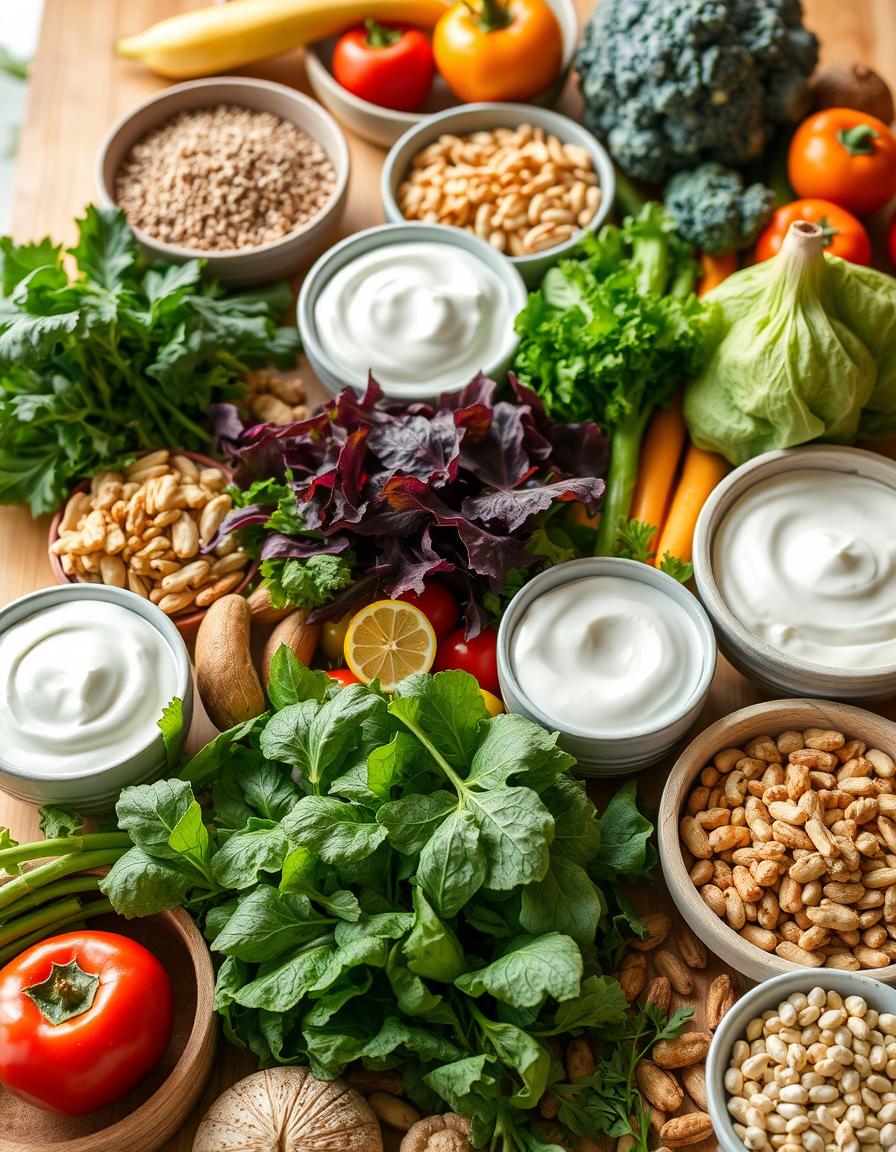

Having a healthy digestive system is like having a strong foundation for your overall well-being. But sometimes, your gut can get a little leaky—literally. This condition, known as leaky gut syndrome, happens when the lining of your intestines becomes more porous than it should be. When that happens, unwanted particles sneak into your bloodstream, causing inflammation and other health issues. Luckily, a well-planned leaky gut diet plan can support healing and bring balance back to your digestive system.
Understanding Leaky Gut Syndrome
Imagine your intestines as a tight net designed to keep out harmful substances while letting nutrients pass through. In leaky gut syndrome, this net develops holes. These “holes” let bacteria, toxins, and partially digested food particles cross into your bloodstream. Your immune system reacts by kicking into high gear, which can lead to widespread inflammation and symptoms like bloating, fatigue, and food sensitivities.
Many factors can contribute to leaky gut, including stress, poor diet, infections, and certain medications. While scientists are still learning about this condition, many people find relief by changing the way they eat.
What Is a Leaky Gut Diet Plan?
A leaky gut diet plan focuses on healing the gut lining and reducing inflammation. It emphasizes whole, natural foods that nourish your digestive tract and avoids foods that can irritate or damage it further. Think of it as giving your gut a cozy blanket and a warm cup of tea—comforting, supportive, and healing.
Core Principles of the Leaky Gut Diet Plan
- Eliminate irritants: Avoid processed foods, added sugars, alcohol, and gluten, as these can make the gut lining more permeable.
- Eat healing foods: Include nutrient-rich vegetables, bone broth, fermented foods, and healthy fats to support repair.
- Support good bacteria: Probiotic-rich foods help restore the balance of healthy gut flora.
- Include anti-inflammatory nutrients: Foods high in omega-3 fatty acids and antioxidants reduce inflammation.
Following these guidelines can provide your gut with the building blocks it needs to seal up those “holes” and keep your digestive system strong.
Foods to Include in Your Leaky Gut Diet Plan
Choosing the right foods is a big step on your healing journey. These choices can feel like a fresh start for your belly.
| Food Group | Examples | Benefits |
|---|---|---|
| Vegetables | Spinach, kale, carrots, sweet potatoes | High in fiber and antioxidants that reduce inflammation |
| Bone Broth | Chicken or beef broth simmered with bones | Rich in collagen and amino acids that help heal the gut lining |
| Fermented Foods | Yogurt, sauerkraut, kimchi, kefir | Contain probiotics to restore healthy gut bacteria |
| Healthy Fats | Avocado, olive oil, coconut oil | Reduce inflammation and provide essential fatty acids |
| Lean Proteins | Chicken, turkey, wild-caught fish | Provide amino acids needed for tissue repair |
Foods to Avoid
Lining your kitchen with gut-friendly foods is great, but knowing what to skip is equally important. Here are some usual suspects:
- Processed foods: High in additives and preservatives that can irritate your gut.
- Refined sugars: Feeding bad bacteria and increasing inflammation.
- Gluten: Can worsen gut permeability for some people.
- Dairy (except fermented): May cause gut irritation or allergies in some.
- Excess alcohol: Damages the gut lining over time.
Example Day on a Leaky Gut Diet Plan
To bring this to life, here’s a simple day’s menu you could try:
- Breakfast: Smoothie with spinach, banana, collagen powder, and coconut milk.
- Lunch: Grilled chicken salad with avocado, carrots, and olive oil dressing.
- Snack: A small serving of kefir or sauerkraut with veggies.
- Dinner: Bone broth soup with sweet potatoes and steamed kale.
For breakfast ideas packed with protein and easy to digest, you might want to check out kodiak protein pancakes nutrition. They make a tasty, gut-friendly option to start your day.
Additional Tips for Healing Your Gut
Food is the star player, but a few extras can help your gut feel even better.
- Manage stress: Stress can worsen leaky gut, so try meditation, deep breathing, or gentle yoga.
- Get enough sleep: Your gut repairs itself while you rest, so aim for 7-9 hours nightly.
- Stay hydrated: Water helps flush out toxins and keeps your digestive system moving smoothly.
- Consider supplements: L-glutamine, zinc, and probiotics can provide extra support, but chat with your doctor first.
Patience and Progress
Healing a leaky gut isn’t an overnight miracle. It’s more like tending a garden—you plant good seeds, water regularly, and wait for the flowers to bloom. Some people notice improvements in weeks, while others take months. The key is consistency and listening to your body.
Conclusion
Fixing a leaky gut with a thoughtful leaky gut diet plan can bring relief and improve your overall health. By focusing on nourishing, whole foods and cutting out irritants, you give your digestive system the best chance to repair itself. Alongside a healthy lifestyle that includes stress management and proper sleep, your gut can bounce back and support you for years to come. Remember, every body is unique, so be patient and enjoy the journey toward a happier belly!

Timo is the founder of LiteDietPlan.com, where smart nutrition meets simple living.